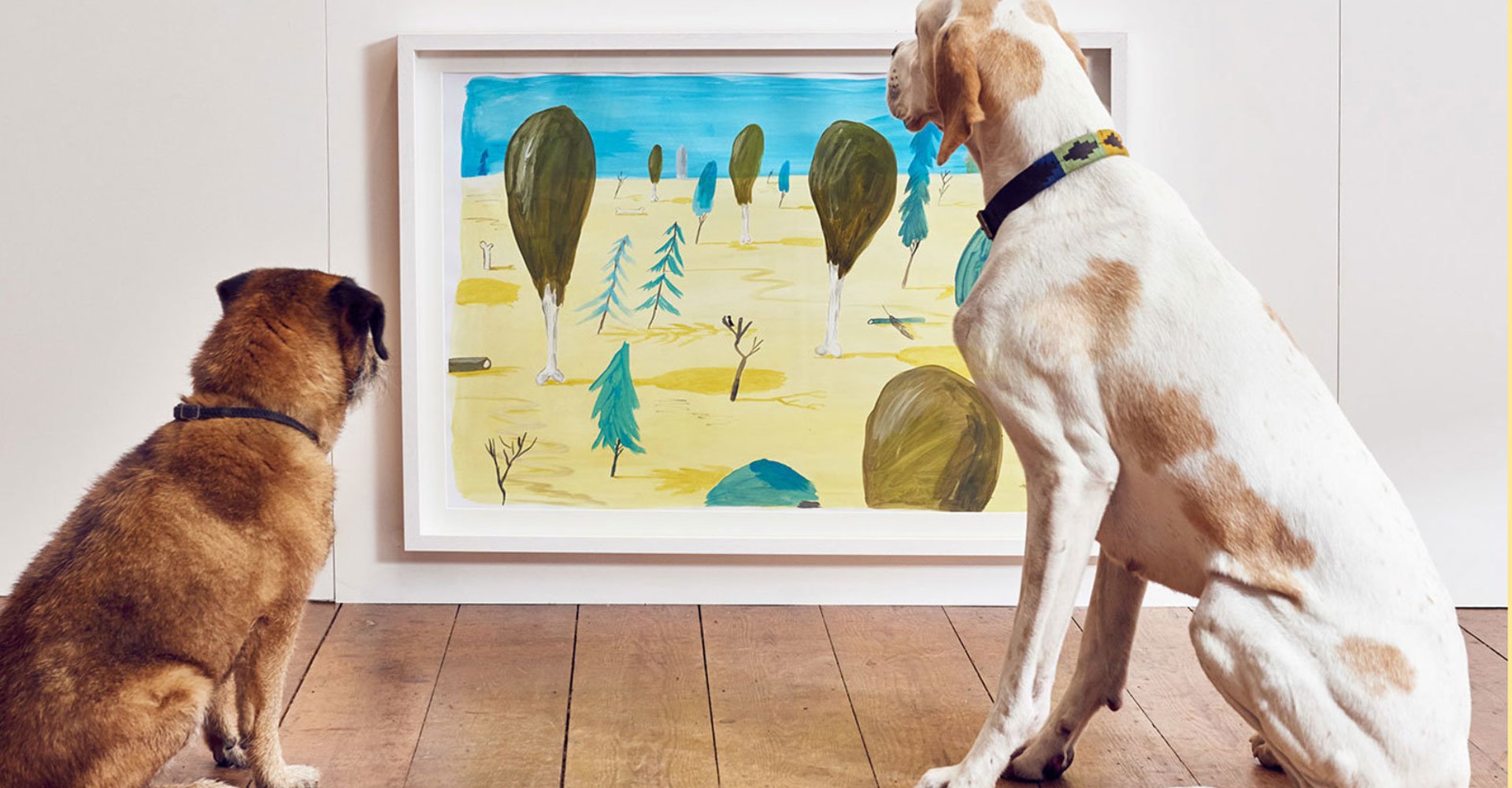
If you travel with a pet, you know how important it is to be able to share every moment of the experience, even those dedicated to discovering art and culture. More and more museums and cultural venues are opening up to this requirement, offering the possibility to visit even in the company of your dog, subject to the rules.
In Tuscany, there are places where it is possible to combine cultural visits and pet-friendly travel, making it easier to organize activities suitable for the whole family. Let’s find out which ones!
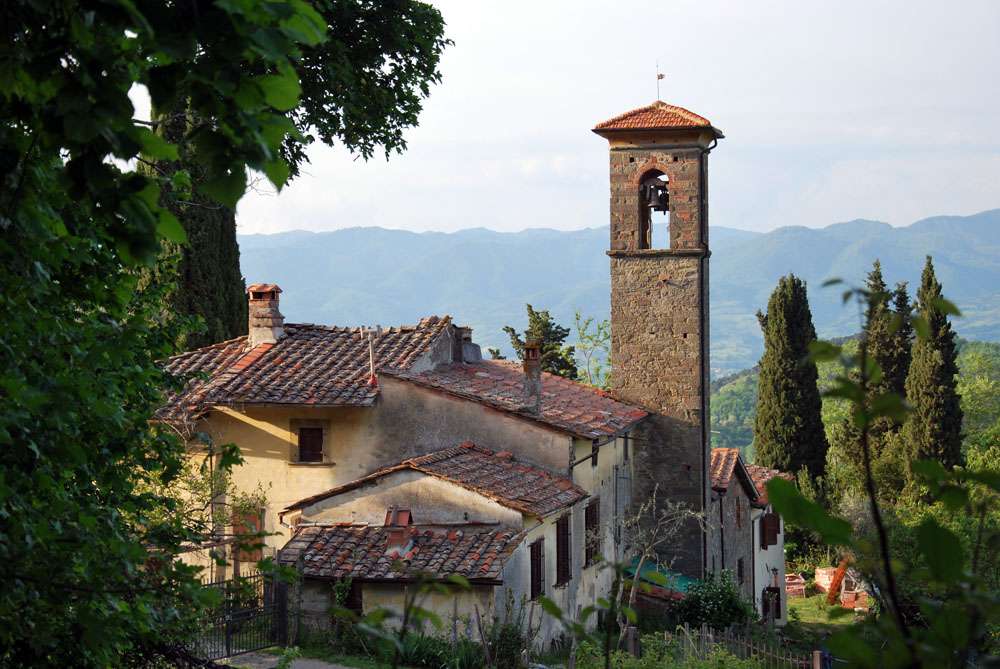
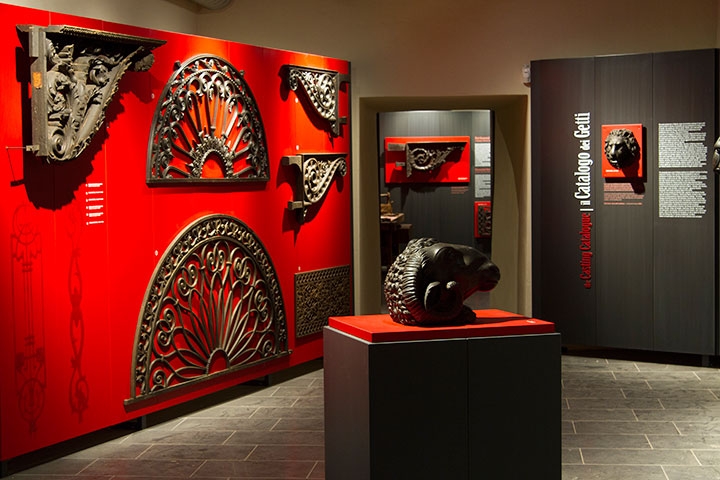
The Museum Network of Mugello and Montagna Fiorentina is a diffuseum or widespread (diffuse) museum that brings together different entities in Alto Mugello and Val di Sieve. It is split into 4 areas, each of which includes museums, educational workshops and thematic itineraries.
The network’s great little museums, which guard the history of local traditions, offer a rich program of educational activities aimed at schools, groups and families.
At all locations, you can also enter with your dog on a leash, with no size limits. An exception is the Spazio Brizzolari in Scarperia e San Piero, where only guide dogs are allowed.
In Maremma, the project “Maremma 4-legged Museums” is active, bringing together a network of cultural places that are also accessible to animals. There are about 30 participating entities, including castles and mining and archeological museums, offering various opportunities to combine cultural visits and pet-friendly travel. Dogs of various sizes are generally allowed in these facilities, subject to the rules.
Moving toward the Monte Amiata area, in Arcidosso it is possible to visit the Study Center dedicated to David Lazzaretti, a historical figure in late 19ᵗʰ-century Tuscany known as the “Prophet of Amiata.” Here, you can also enter with your dog.
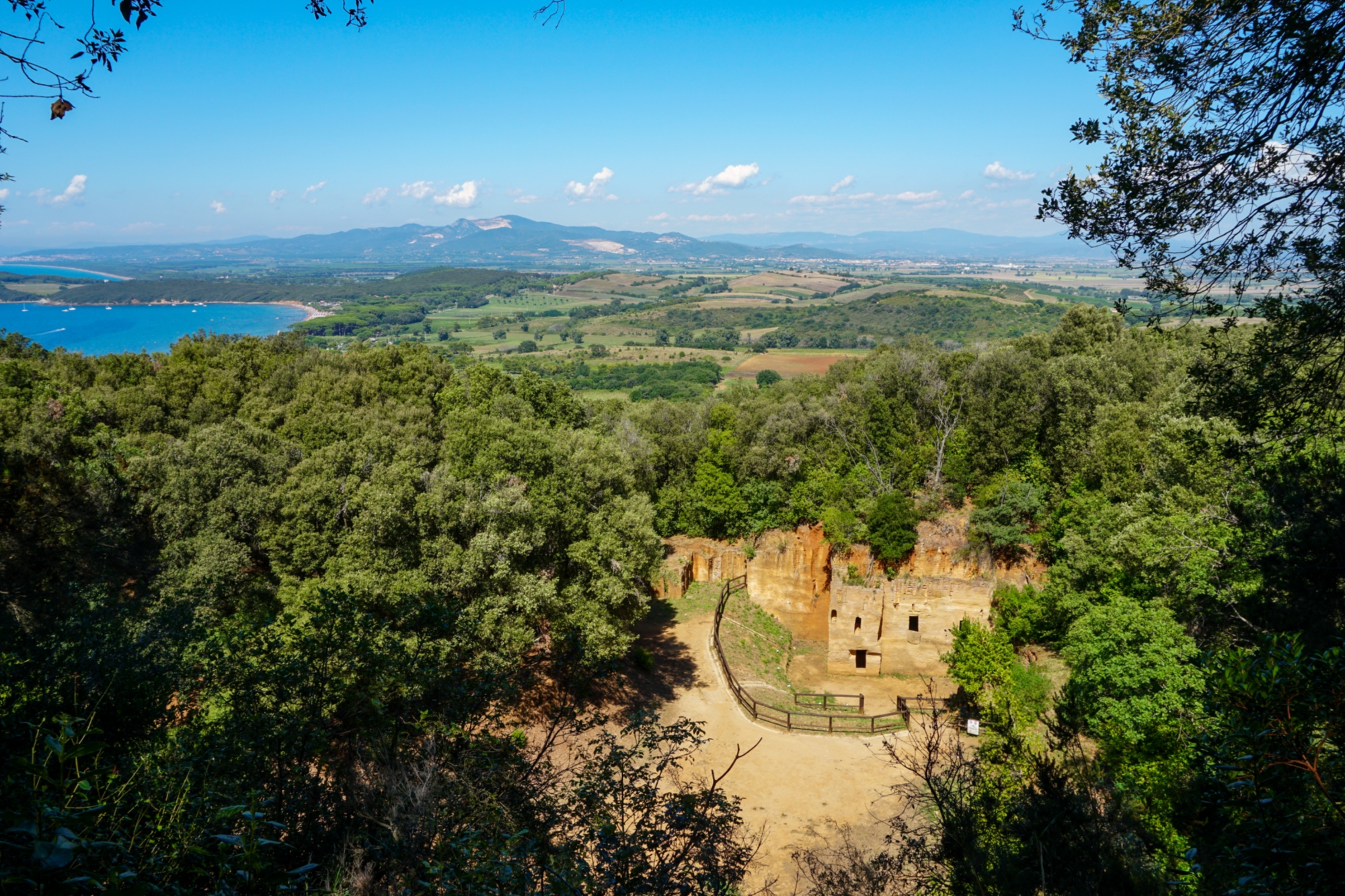
The Parks of Val di Cornia allow you to enjoy outdoor experiences with your dog. It is possible, for example, to walk among the Etruscan necropolis and the Acropolis in the Archeological Park of Baratti and Populonia, or to walk the paths of the San Silvestro Archeological Mines Park, exploring a landscape that combines history and nature.
Some museums in the area also allow access to animals, allowing you to enrich your stay with time dedicated to discovering the local cultural heritage.
In Marciana, one of the most picturesque villages on the Island of Elba is the Fortezza Pisana (Pisan Fortress), an interesting stop to experience in the company of your pet. It is possible to visit the outdoor area and walk along the walls while enjoying an expansive view of the surrounding area.
Trails through the Monte Calamita area and the old Calamita Mines are ideal for walks outdoors. Leashed dogs are allowed in the open areas, including the Vecchia Officina (“Old Workshop”) Museum, while they are not allowed in the underground mine galleries. The area is particularly suited to leisurely hikes, with trails that allow for an exploration of one of the most fascinating places on the island.
In Rio, you can delight in an original experience discovering the island’s mining history together with your pet. The Mining Park offers guided tours aboard a small train through the former open-pit mining sites, allowing visitors to explore a unique landscape rich in remnants from the past. On the way, stop at the Valle Giove Quarry to observe minerals up close and learn about the mining activities that have characterized this area. The experience even includes access to the Museum of Minerals and Mining Art. Dogs are allowed both on the tour and inside the museum spaces.
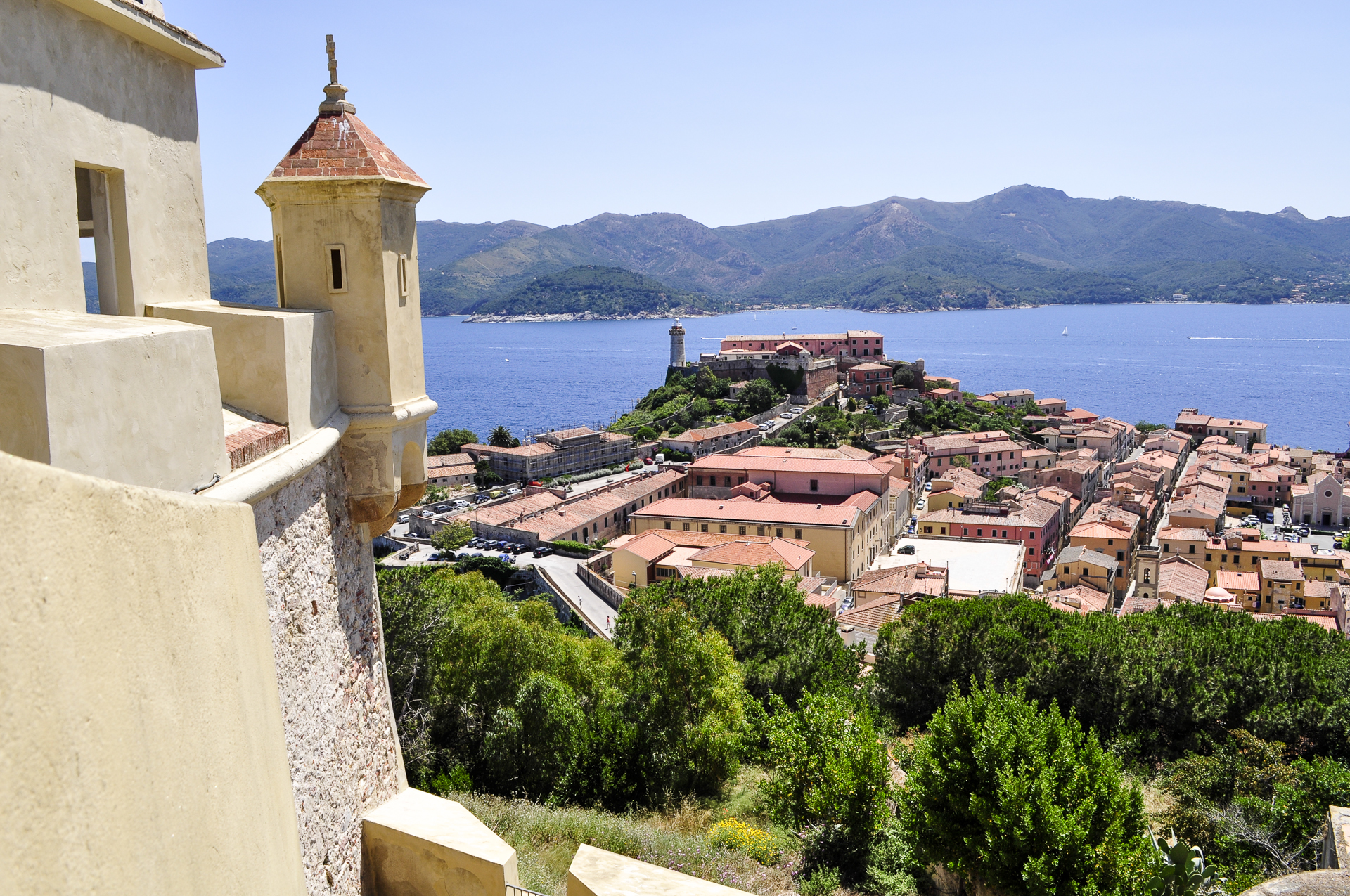
In Portoferraio, amidst history and landscapes overlooking the sea, it is possible to visit various places of interest, especially in the outdoor areas. The Medici Fortresses that dominate the historic center offer scenic routes ideal for walks with your dog, as do the Linguella Tower and the outdoor spaces of the Villa Romana delle Grotte.
In general, while access to the museums’ interiors may be restricted, the outdoor areas and trails allow you to discover the city’s historical and archeological heritage along with your pet, in a setting full of vistas and views of the sea.
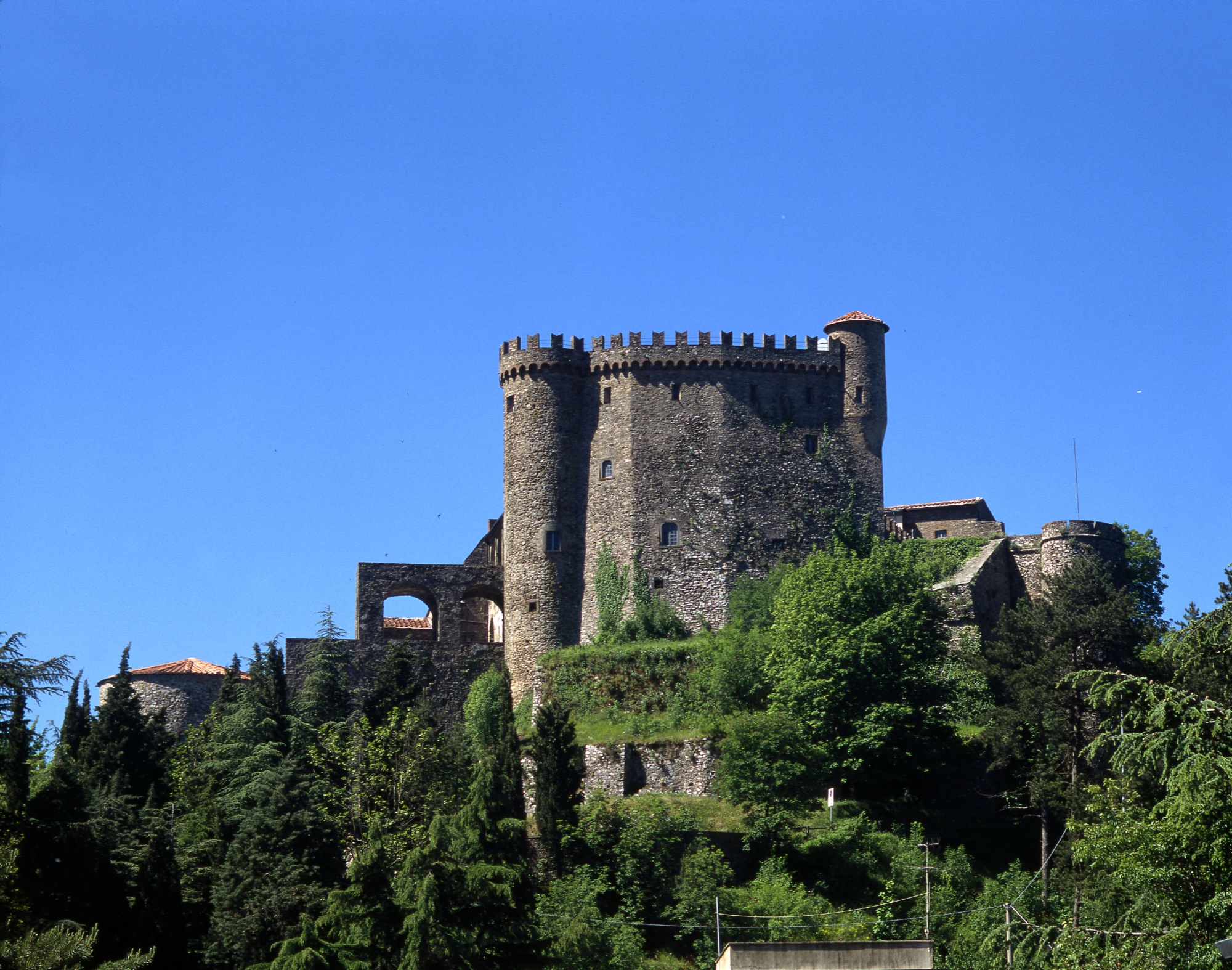
In Lunigiana, the Fosdinovo Castle represents one of the most interesting stops. Here, animals (even medium to large pets) are generally allowed during guided tours that include both the interior and museum areas.
The Terrarossa Castle in the municipality of Licciana Nardi also welcomes people traveling with animals in tow, particularly in the accessible spaces and open areas, allowing the visit to be included within an itinerary among the villages and hills of Lunigiana.
More generally, many castles and historic sites in Lunigiana allow dogs on leashes, making this area particularly suitable for those who wish to explore a widespread heritage of nature and history with their pet.
In Versilia and the Lucca Plain, it is possible to visit a number of historic dwellings with differentiated modes of access between indoor and outdoor spaces. The Villa Puccini Museum in Torre del Lago allows small dogs, if held in your arms, while larger animals can enter the garden.
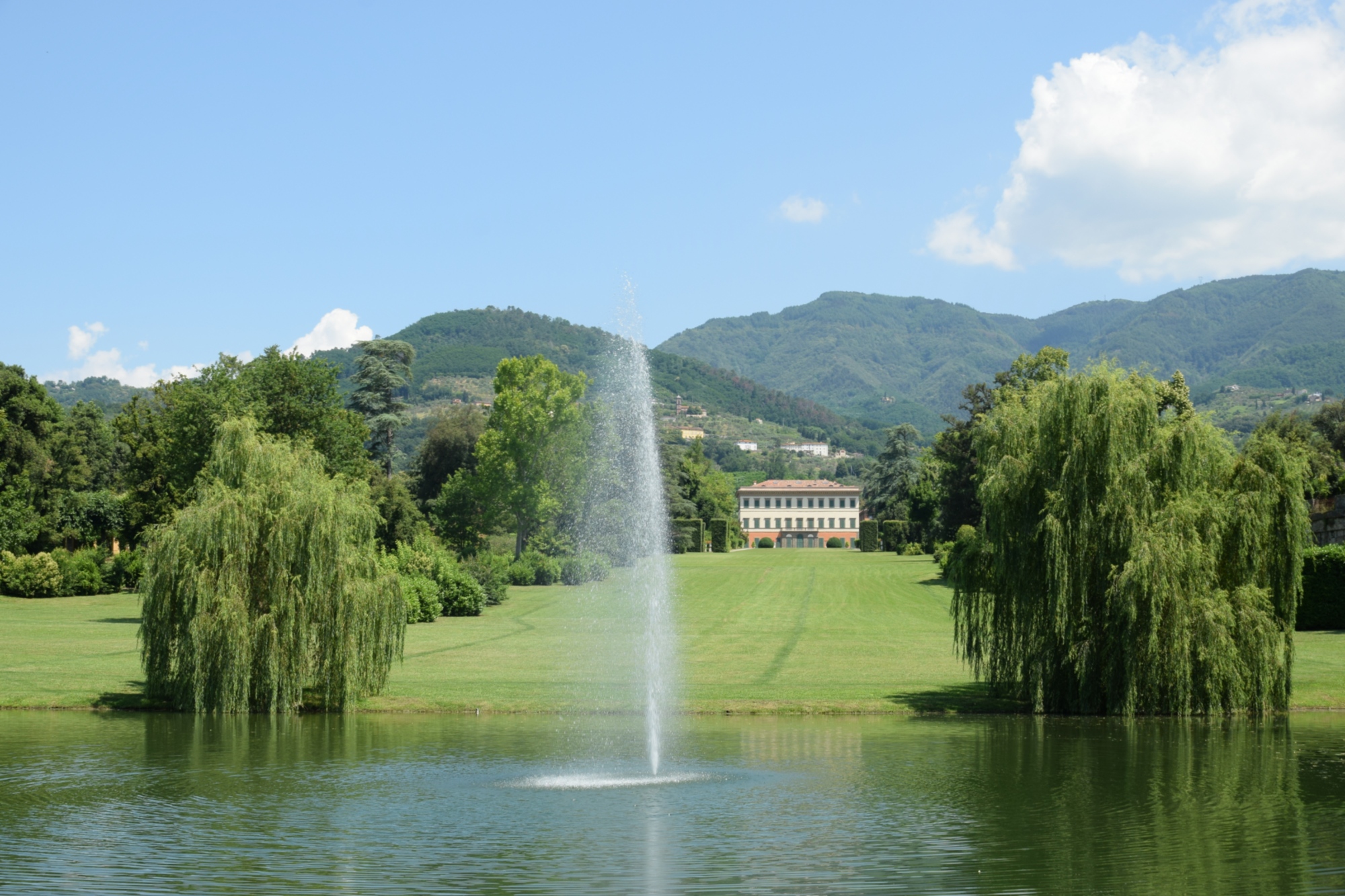
The Villa Reale di Marlia in Capannori also welcomes visitors accompanied by their pets. Dogs of any size are allowed in the park if kept on a leash, while small dogs are allowed indoors so long as they are in a carrier.
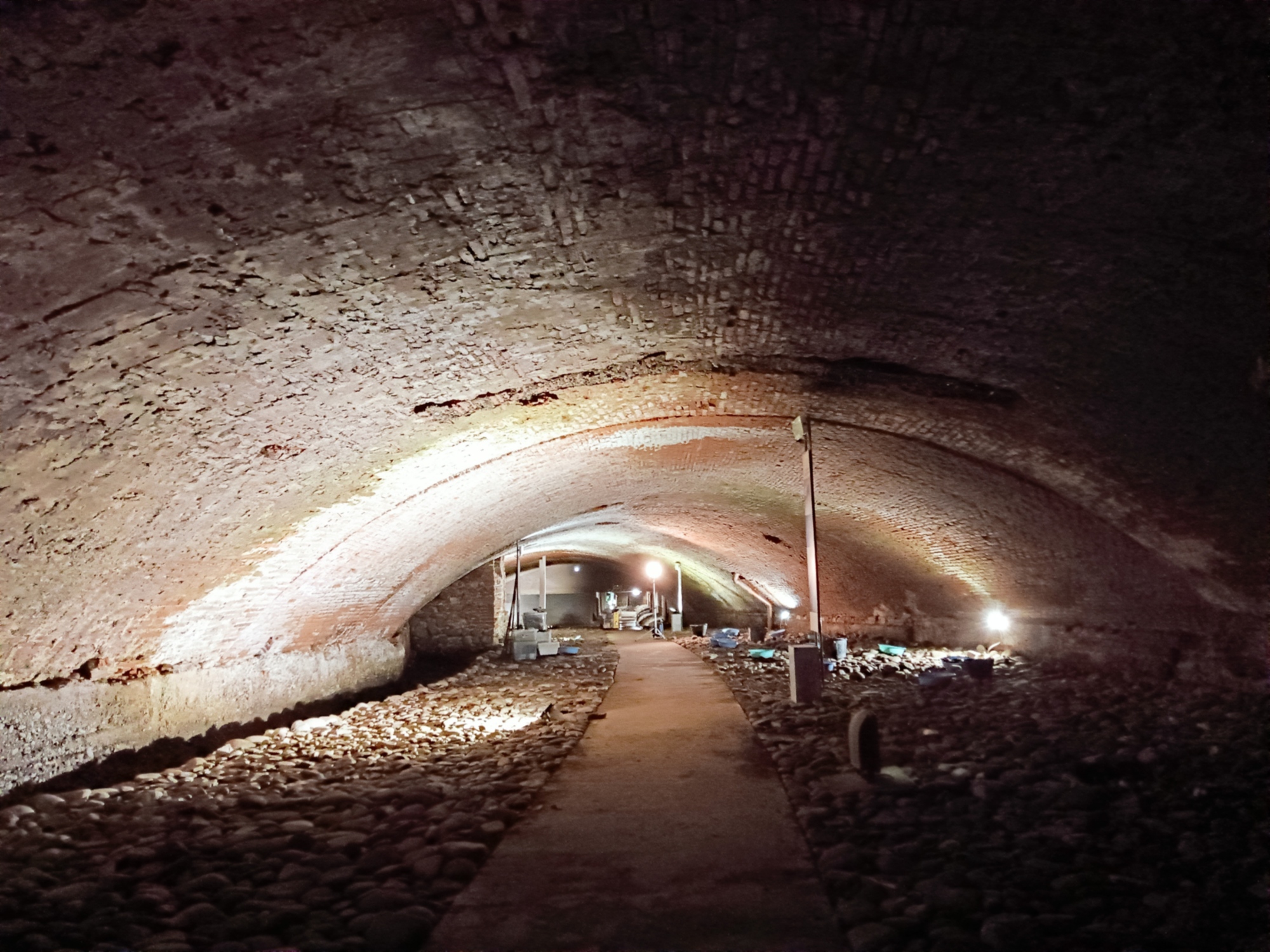
In the historic center of Pistoia, you can delight in a special experience by visiting Pistoia Sotterranea, an underground path that runs beneath the city streets, traversing ancient walkways, canals and environments pertaining to local history.
The tour, which passes through underground spaces once used for defensive and civilian functions, is accessible to animals as well, as long as they are kept on a leash and accustomed to being in enclosed spaces shared with other visitors.
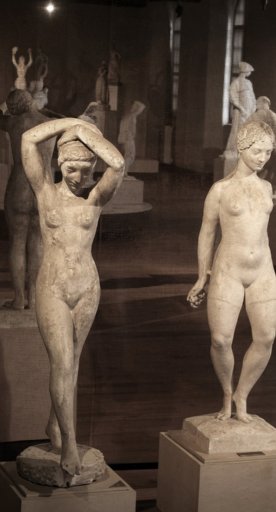
In Pisa, it is even possible to enjoy some cultural experiences in the company of your dog. The Plaster Cast Museum of Ancient Art, University of Pisa, for example, offers the possibility of visiting its collections even with your pet, while the Botanical Gardens—one of the oldest in the world—allows dogs to enter so long as they are kept on a leash.
However, it is advisable to check the updated access terms before your visit.
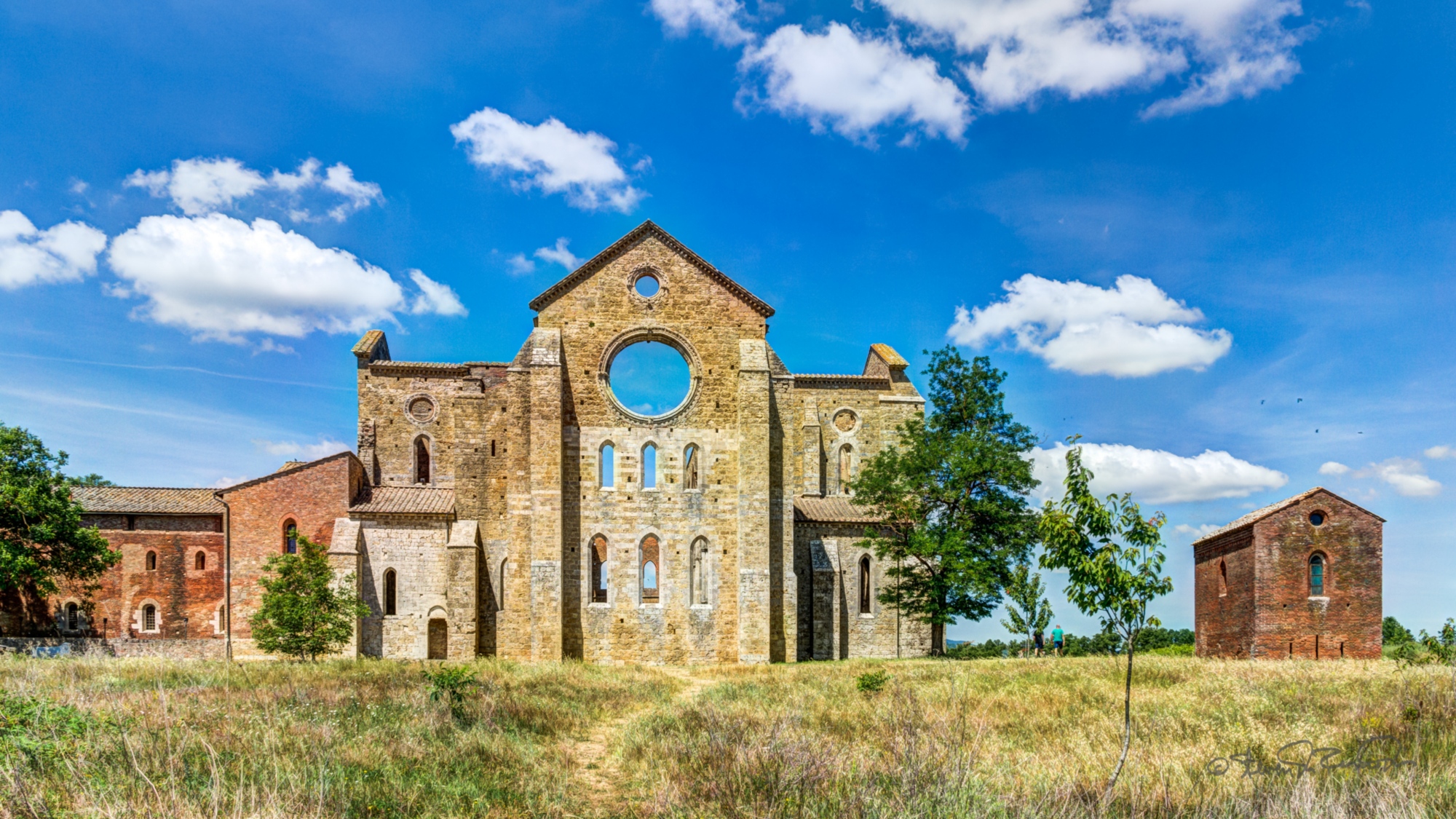
Within the territory of Siena, your dog can take part in cultural and scenic experiences with you by choosing places that allow pets, especially in outdoor areas. Among these, the San Galgano Abbey in the municipality of Chiusdino is a particularly impressive stop. Access is allowed to both the open-air abbey and the museum, allowing you to visit one of the most fascinating places in the area with your pet.
In the center of Siena, the Santa Maria della Scala Museum Complex allows small dogs to enter in carriers, offering the chance to discover a well-constructed exhibition itinerary through the city’s history. For those who prefer to alternate between cultural visits and time spent outdoors, the Medici Fortress and Orto de’ Pecci represent 2 ideal spaces for walking with your dog, stepping into green areas and panoramic views within walking distance of the historic center.
In San Gimignano, the Torture Museum allows animals to enter, including those of various sizes, offering the possibility of enriching a visit to the village with a cultural experience. Nearby, the Monteriggioni Archeological Museum (also known as Monteriggioni in Arme) welcomes visitors with dogs in tow.
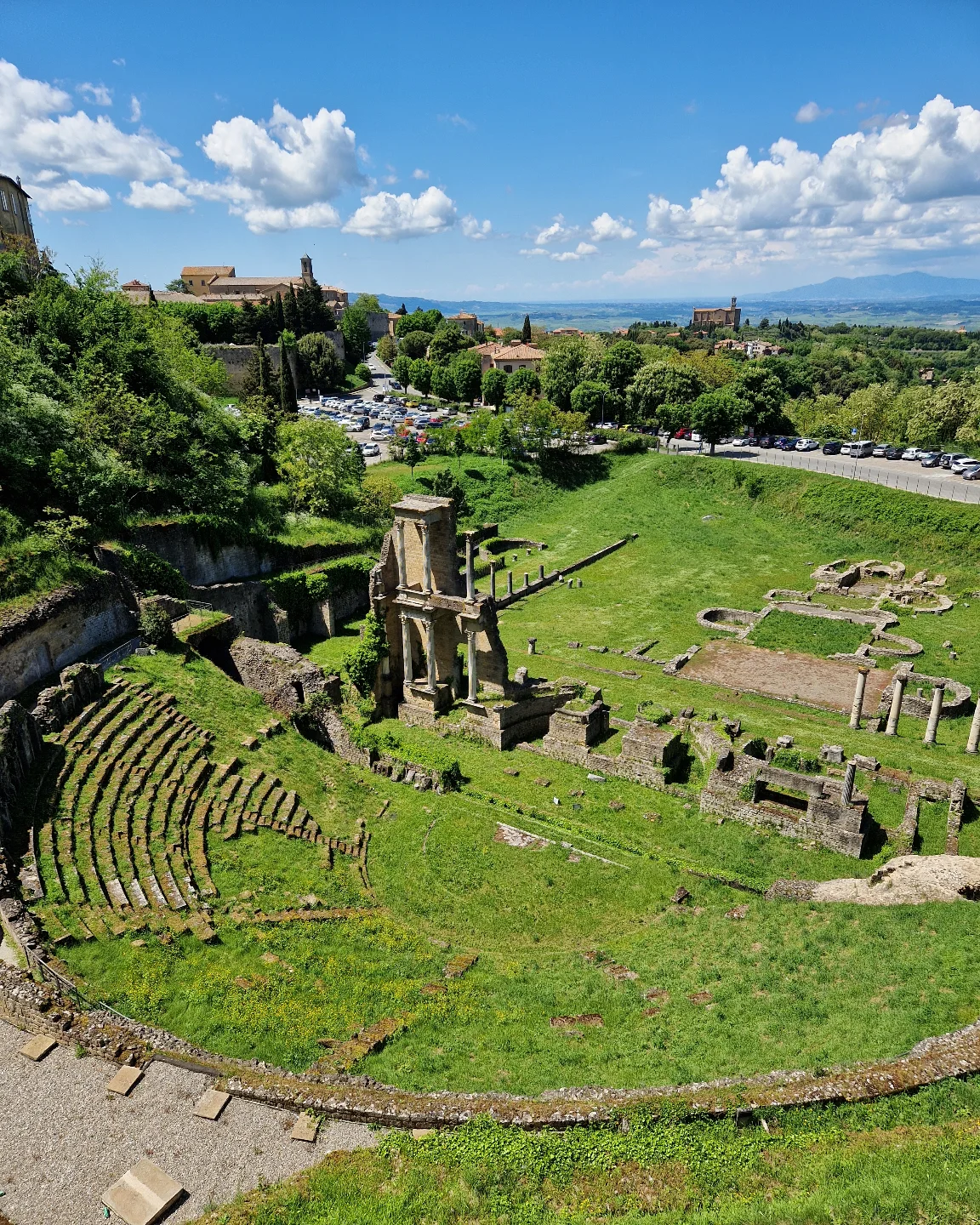
Moving toward Volterra, several archeological sites and open-air areas are accessible to leashed animals, such as the Etruscan Acropolis and Roman Theater, which allow people to discover the ancient history of the area surrounded by a fascinating landscape. As for the museums, access conditions may vary. The Picture Gallery allows entry to small dogs if carried in your arms, while at the Guarnacci Etruscan Museum, you can hang out in the outdoor areas with your pet.
All museums in the Certaldo Museum Network welcome visitors in the company of their pets, subject to the rules. The use of a leash or special carriers is required to ensure the safety of the spaces, works and other visitors.
In Collodi, the Pinocchio Park allows animals so long as they are kept on a leash, offering a path through installations, greenery and literary evocations at the foot of the historic village and around Villa Garzoni.