In the late 19th century, Carlo Lorenzini, known as Collodi, wrote "The Adventures of Pinocchio”, one of the world's best-known and most popular children's novels.
The adventures of the wooden puppet who wanted to become a child were often portrayed on the big screen. In addition to the Disney version (1940) and Luigi Comencini's TV miniseries (1972), there have been a great many films based on Collodi's stories. For example, Tuscan director Roberto Benigni played the part of Pinocchio in 2002 and then played Geppetto 17 years later in Matteo Garrone's version (filmed in Val di Chiana). Long before, in the 1940s, Gianni Guardone created the setting for the story of his Pinocchio in Versilia, between the pine forest and the beach of Viareggio. Then, in the 1990s, Leandro Giribaldi made the documentary entitled "Pinocchio, the Shark and the Sea at Osmannoro".
Among the latest renditions is that of Guillermo del Toro's who, in 2022, transferred the adventures of Pinocchio to the period of the First World War, leaving viewers breathless thanks to a formidable stop-motion animation technique. The film won important awards such as an Oscar in 2023, the Golden Globe and the BAFTA award.
In light of this and much more, we can say that Carlo Lorenzini, perhaps without being fully aware of it, created a timeless literary classic that continues to speak to children, and also to adults, and that allows us to reflect... and travel. Regarding this last point, by searching through the text, we can find several references linked to places in Tuscany, so that we can visit them. In addition, as you continue reading, you will discover more about the origins of the characters who were transformed from reality into fantasy.
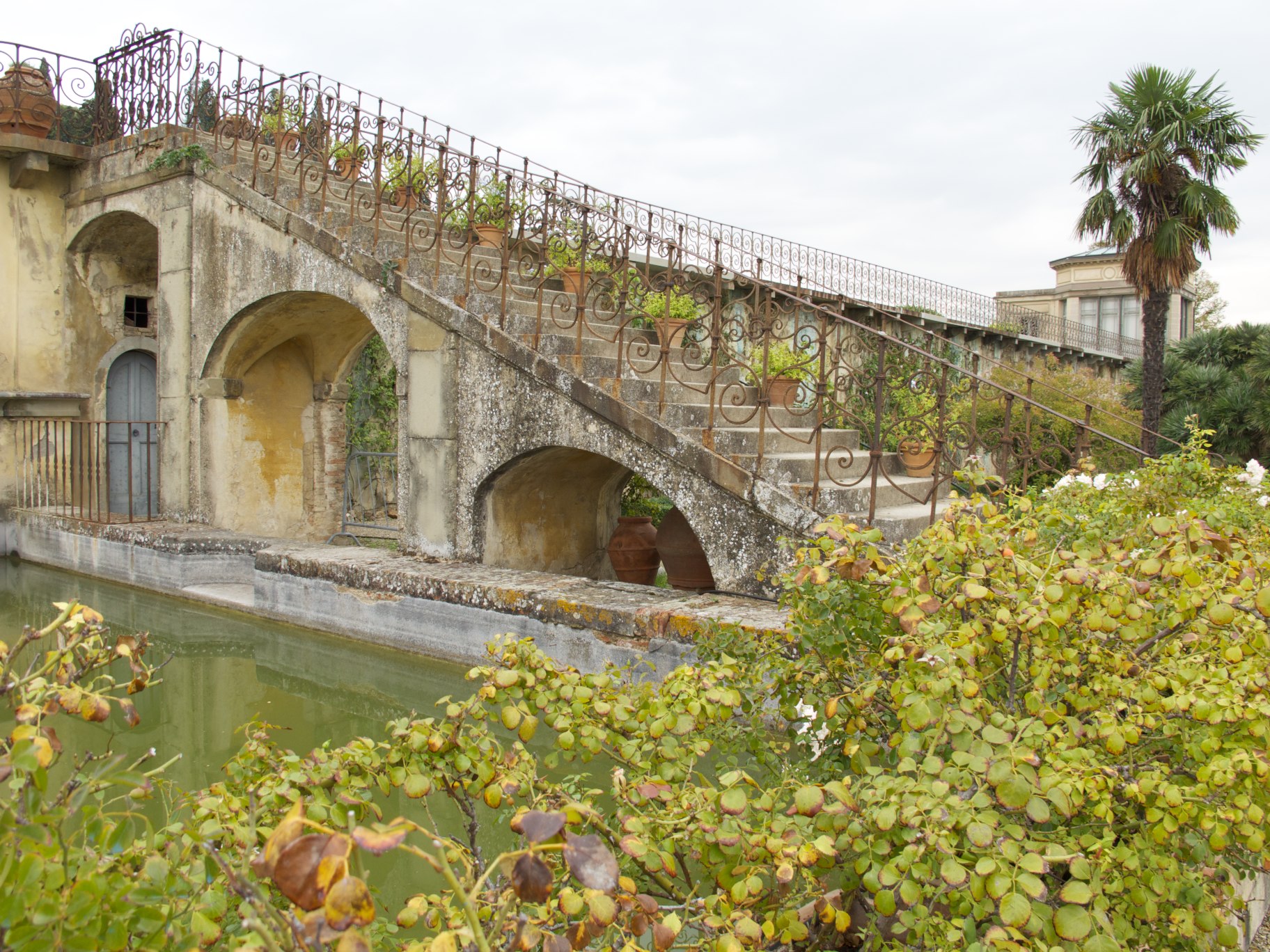
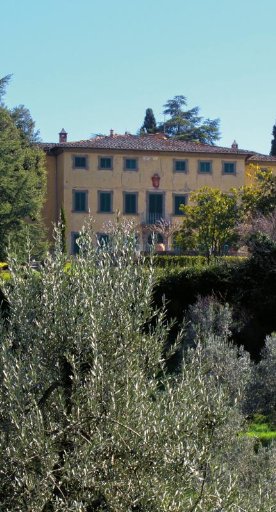
On the outskirts of Florence, between Sesto Fiorentino and Osmannoro, there are several places linked to Collodi and his Pinocchio. For example, Villa Il Bel Riposo, located near Villa La Petraia and Villa Corsini, is where Carlo Lorenzini stayed for a long time, as a guest of his brother Paolo who, at the time, was director of the Antica Manifattura Ginori in Doccia (Ginori porcellain factory). A plaque was placed here a few years ago commemorating Carlo Collodi as a journalist and patriot who fought for the unification of Italy.
It was from this very villa, according to some reconstructions, that the famous writer could see the Land of Toys (the fair), the Red Lobster Inn and the little blond girl who, in his imagination, became the Blue Fairy. In The Adventures of Pinocchio, the "great sea" is one of the elements that allow the puppet to escape and find distractions. This sea was none other than the marshland that covered the Osmannoro Plain and stretched between Sesto Fiorentino, Campi and Brozzi. Boccaccio had already used this setting for his story Chichibio and the crane, as well as the tale of Federigo degli Alberighi and his falcon, which ended up in a frying pan for the love of the beautiful Giovanna.
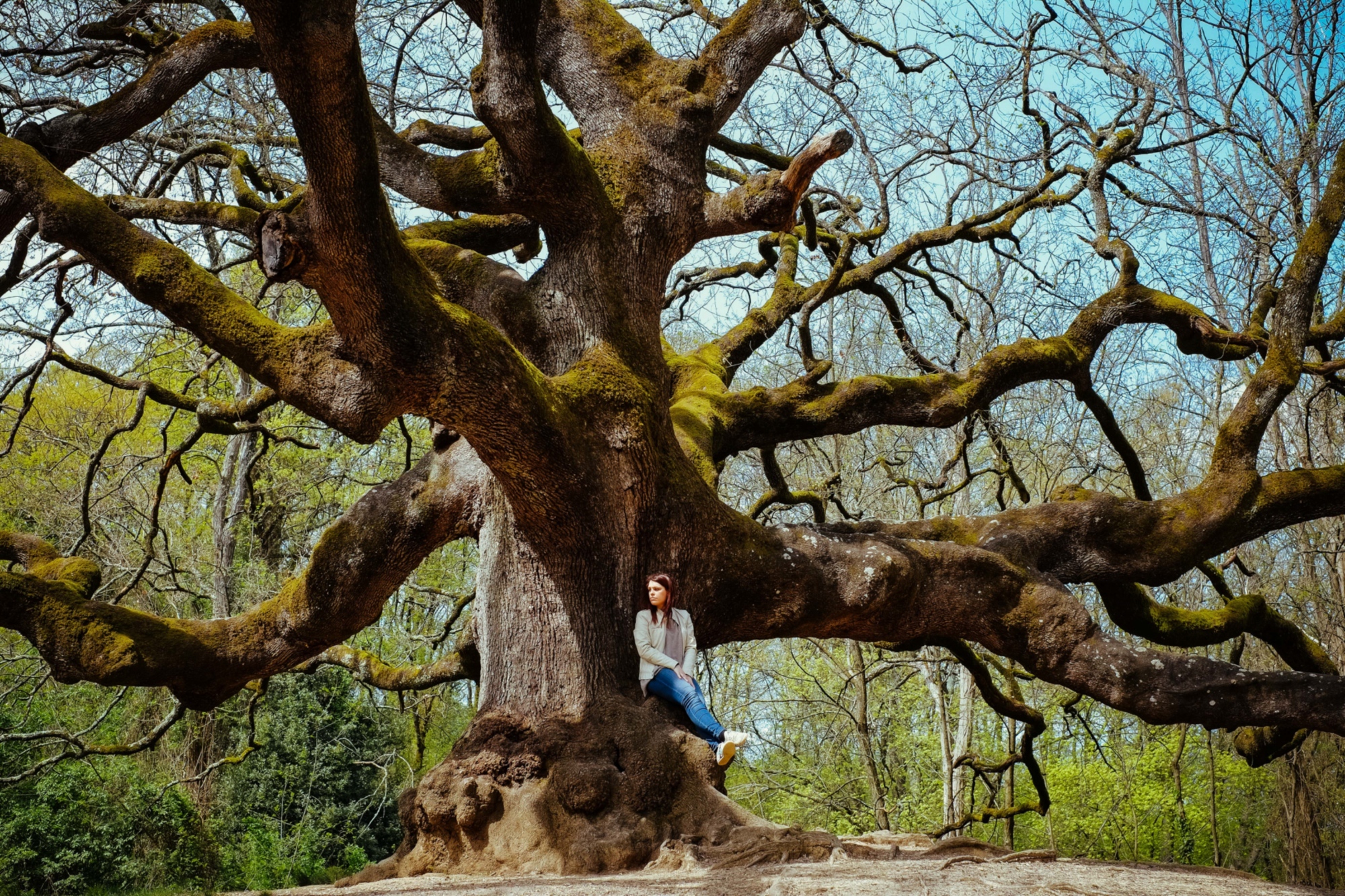
According to modern critics, the part of the story in which Pinocchio is hanged by assassins is said to be set in the province of Lucca, near Gragnano. In fact, in the territory of Capannori, there is the Great Oak, known as the Oak of the Witches: a monumental tree, about 600 years old, located in the park of Villa Carrara.
The author of Pinocchio spent his childhood near the town of Pescia, specifically in the hamlet of Collodi (from which he gets his pseudonym). This is why the Pinocchio Park was created here, with a statue of Pinocchio and the fairy by Emilio Greco and the square of mosaics by Venturino Venturi.
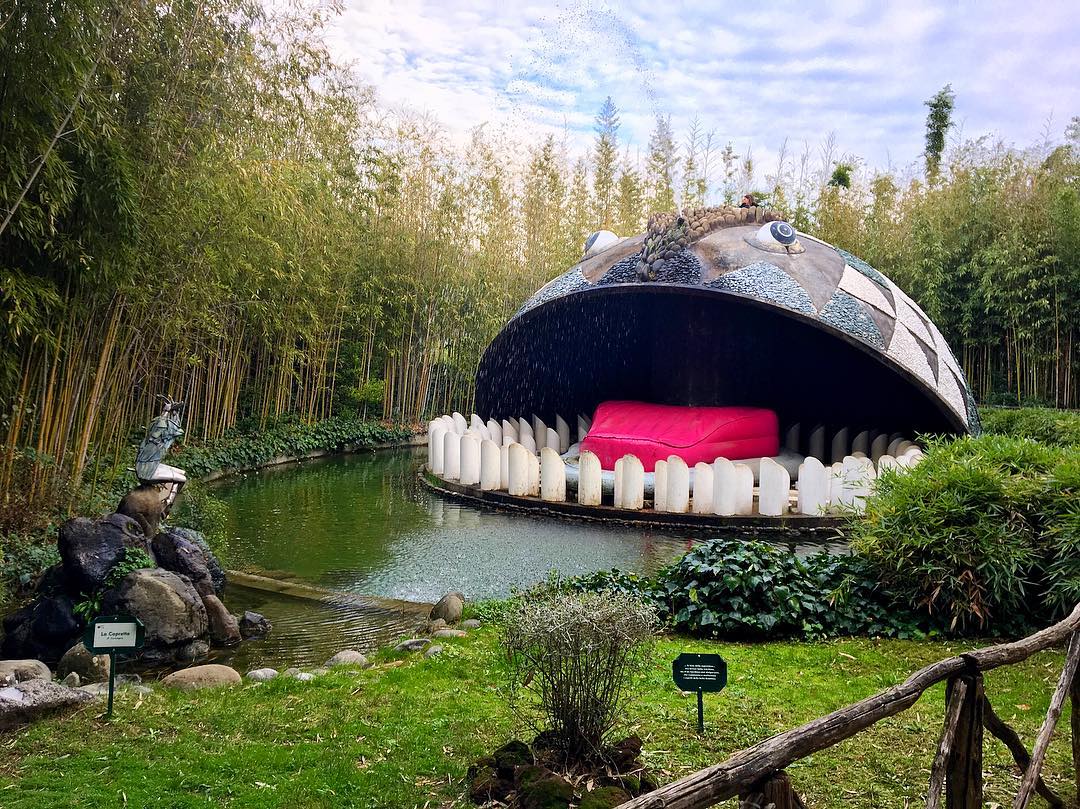
Pinocchio Park is found near Villa Garzoni and its scenic 18th-century garden, ranked among the great Italian and European gardens. It opened in 1956 and is not a typical amusement park, but rather a precious example of collective creation by artists of great personality. It gives you the sensation of experiencing a living fairy tale, with spontaneous, natural fun, while enjoying the quiet beauty of art and nature.
Lastly, the Collodi butterfly house, on the eastern side of the complex, contains 5,000 specimens waiting to be admired.
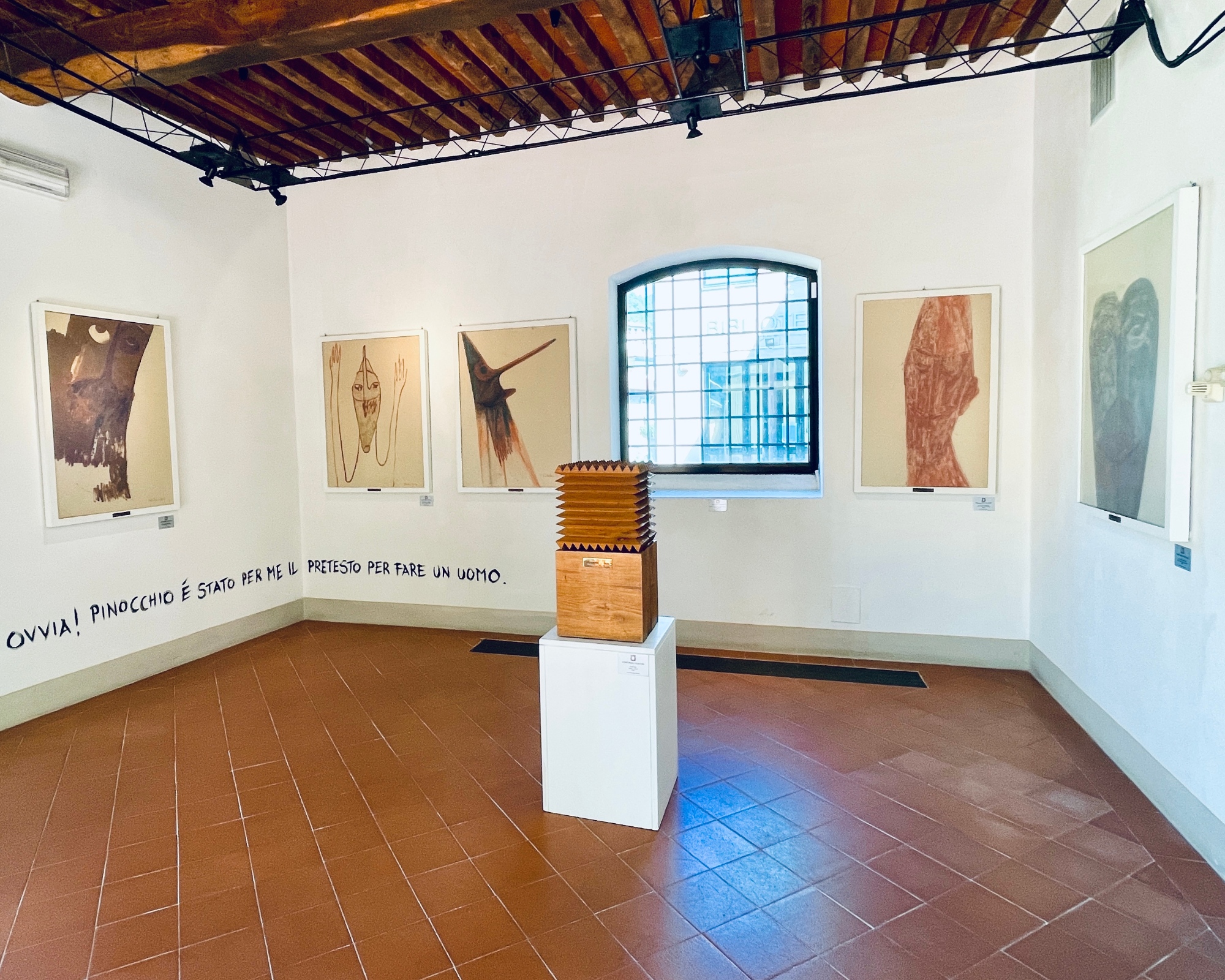
Valdarno has a special bond with Pinocchio and especially with the person who dedicated an important work of art to him. Venturino Venturi, a sculptor born in Loro Ciuffenna, won an international competition with a monument depicting the famous puppet. The artist, who also created the mosaics in the Park in Collodi, has painted several works inspired by Pinocchio. You can see them in the Venturino Venturi Museum.
The fairy-tale magic does not end here: in addition to the mechanical nativity scene created by Don Pasquale Mencattini, you will find the miniatures from the animated story of Pinocchio, gems of ingenuity and folk tradition, in the village of Il Borro.
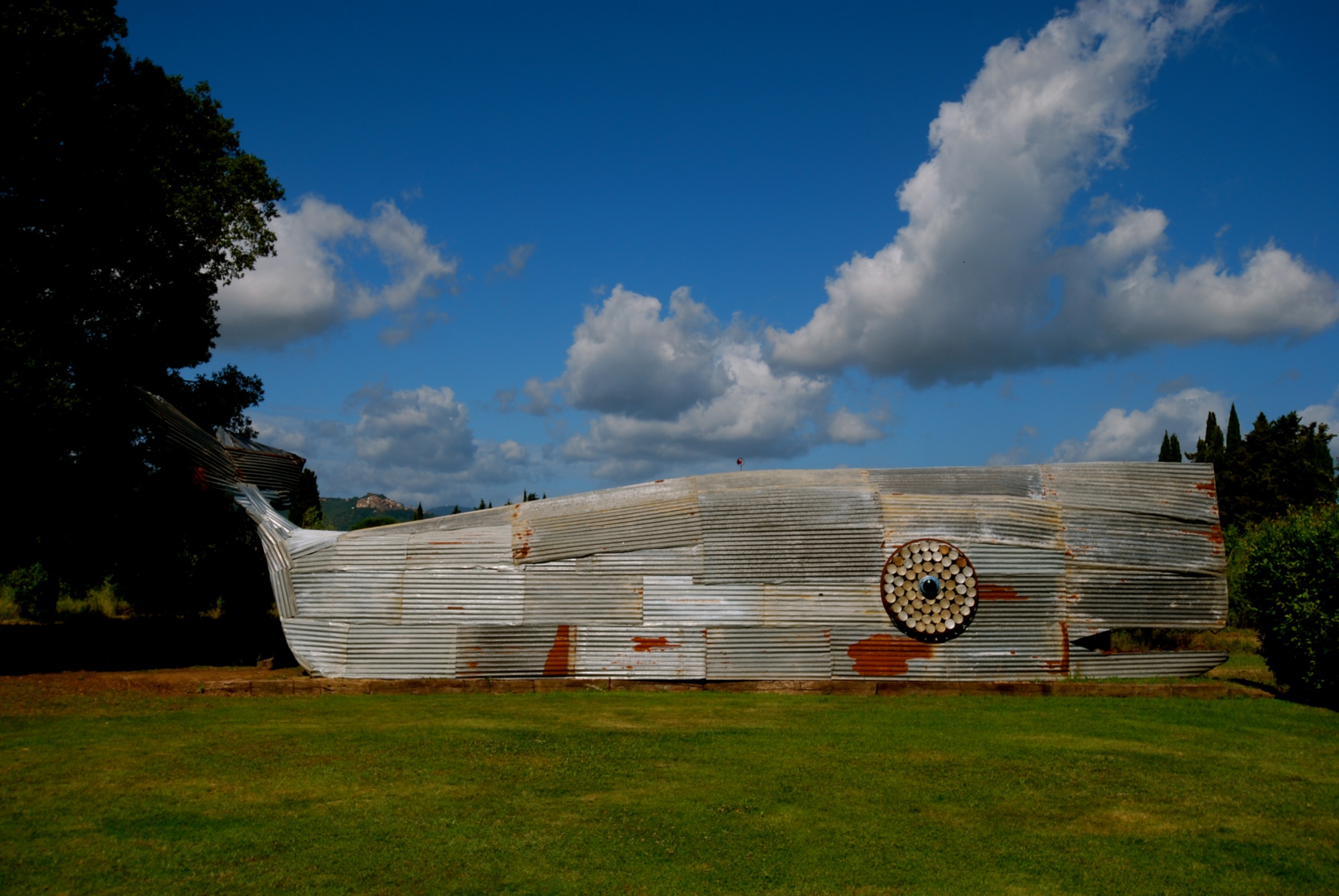
The Giardino Viaggio di Ritorno (Return Journey Garden), an artistic and environmental park near Castiglione della Pescaia in Maremma, features works by bio-architect Rodolfo Lacquaniti. These include the installations, inspired by Collodi's fairy tale, "Whale No. 3" and "Whale No. 4” made entirely out of recyclable materials. More specifically, "Whale No. 3" is composed of scrap iron sheets, salvaged windows and ricotta cheese containers. "Whale No. 4," was instead made from fishing nets. Booking is required to visit the park.