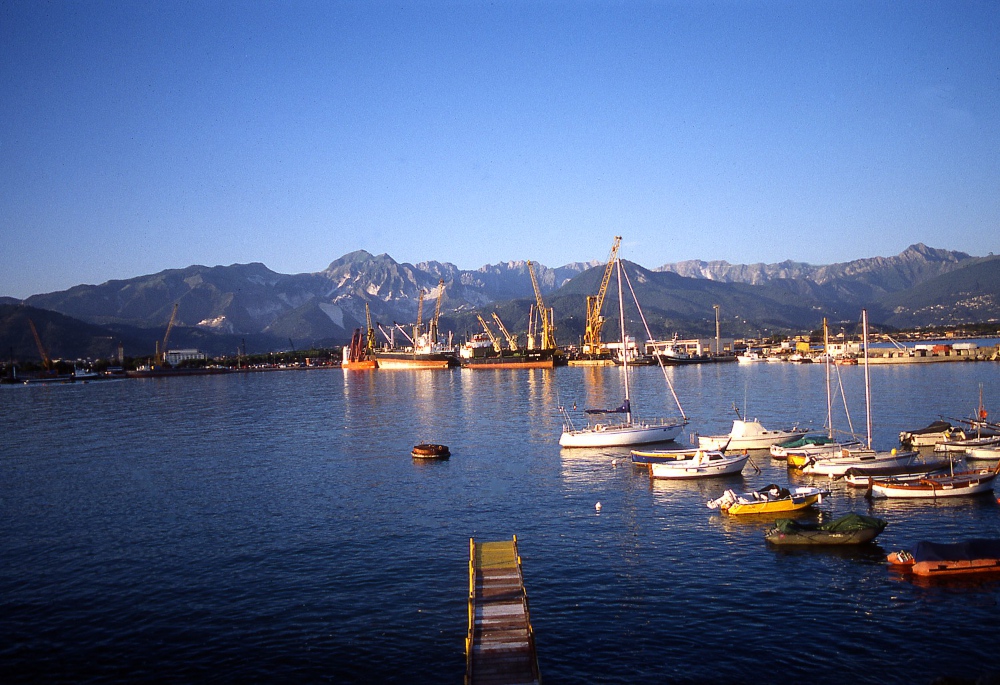
Carved between sea and mountains, the Apuan Riviera offers dreamy views and unspoiled nature.
For those who want an easy ride along the coastline, the Apuan Sea Itinerary is definitely the most suitable, starting from Cinquale and reaching Marina di Massa and Carrara. Along the way, there are many opportunities for scenic and mouth-watering stops.
Suitable for everyone and with several bike rental points, the route is mostly along bike paths but also includes short stretches of busy road, therefore being less suitable for young children.
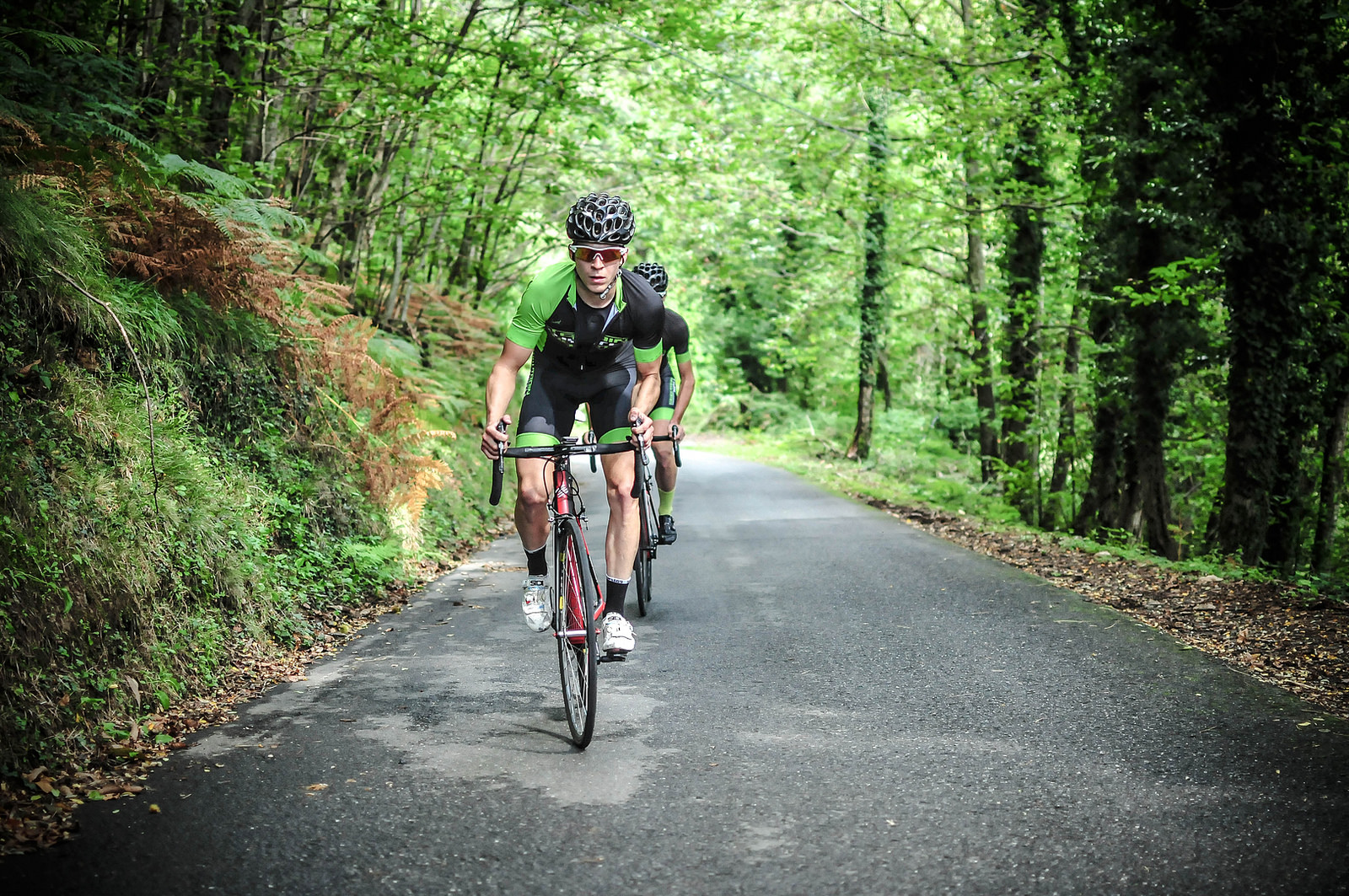
For those who wish to tackle a more physically demanding route without any particular technical difficulties, the loop from Marina di Massa to Aghinolfi Castle is ideal.
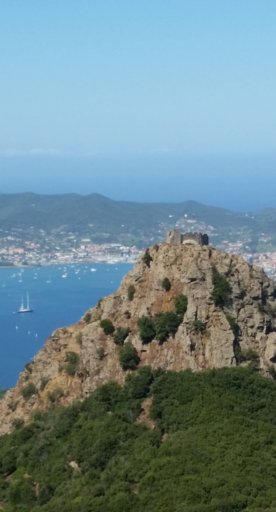
The ascent leads up to San Carlo Terme and Tombara, reaching the Coppi peak at 1680 feet (512 meters), then descends through the picturesque villages of Cerreto and Sant’Eustachio and back up to the Aghinolfi Fortress, from which there is a spectacular view of the sea.
The route can be traveled in both directions and is doable year-round. As it unfurls in a contained area, it concentrates the typical features of a longer and more challenging tour.
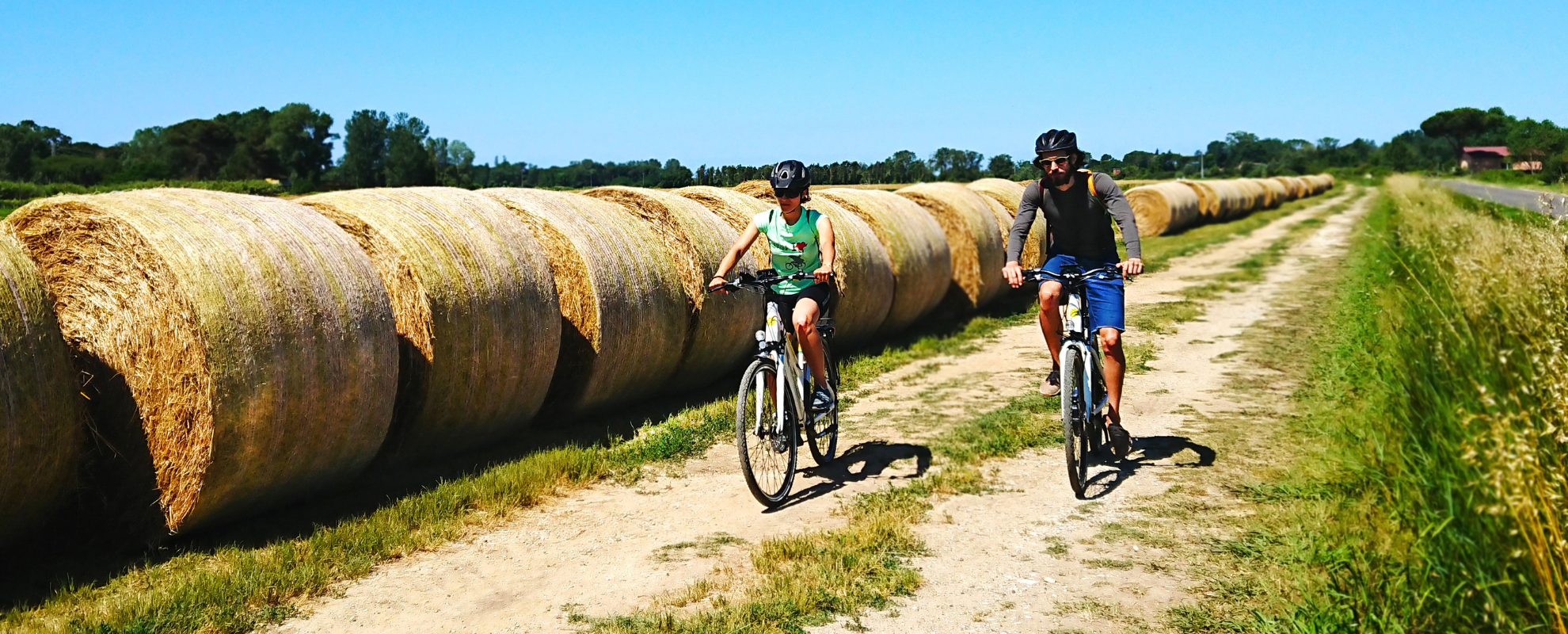
Not only beautiful beaches, famous bathing establishments and trendy nightclubs, Versilia is much more than that: several bicycle paths connect the most popular tourist destinations offering everyone—even families with children—a pleasant alternative to a day at the beach.
For those who want an easy route immersed in nature and with a medium degree of physical exertion, the itinerary through the pine forests and around a lake that leads from Viareggio to Lake Massaciuccoli is an evocative and varied experience to try on MTBs or gravel bikes.
From the center of Viareggio, reach the sea and pedal while admiring the Art Nouveau architecture, then cross the Lecciona pine forest and head toward Marina di Torre del Lago. From here, follow a dirt road then continue inland to take the Puccini cycle/pedestrian route.
A perfect ring to discover the naturalistic treasures of this area in any season.
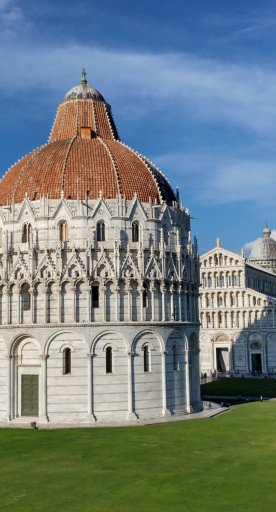
Pisa is famous as a city of art but by riding a few miles from the center, it is possible to reach the sea by cycling along the Trammino bicycle path.
This is an ideal route for families and cyclists seeking tranquility, offering up vistas of the countryside, a pine forest and the sea.
Highlights include the mouth of the Arno River, with its characteristic fishing nets, and the marina.
The track continues through a pine forest to the old Marina di Pisa railway station.
Here, the coast offers up a selection of restaurants and gelaterie, perfect for a tasty stop.
The route is very easy and presents no technical difficulties.
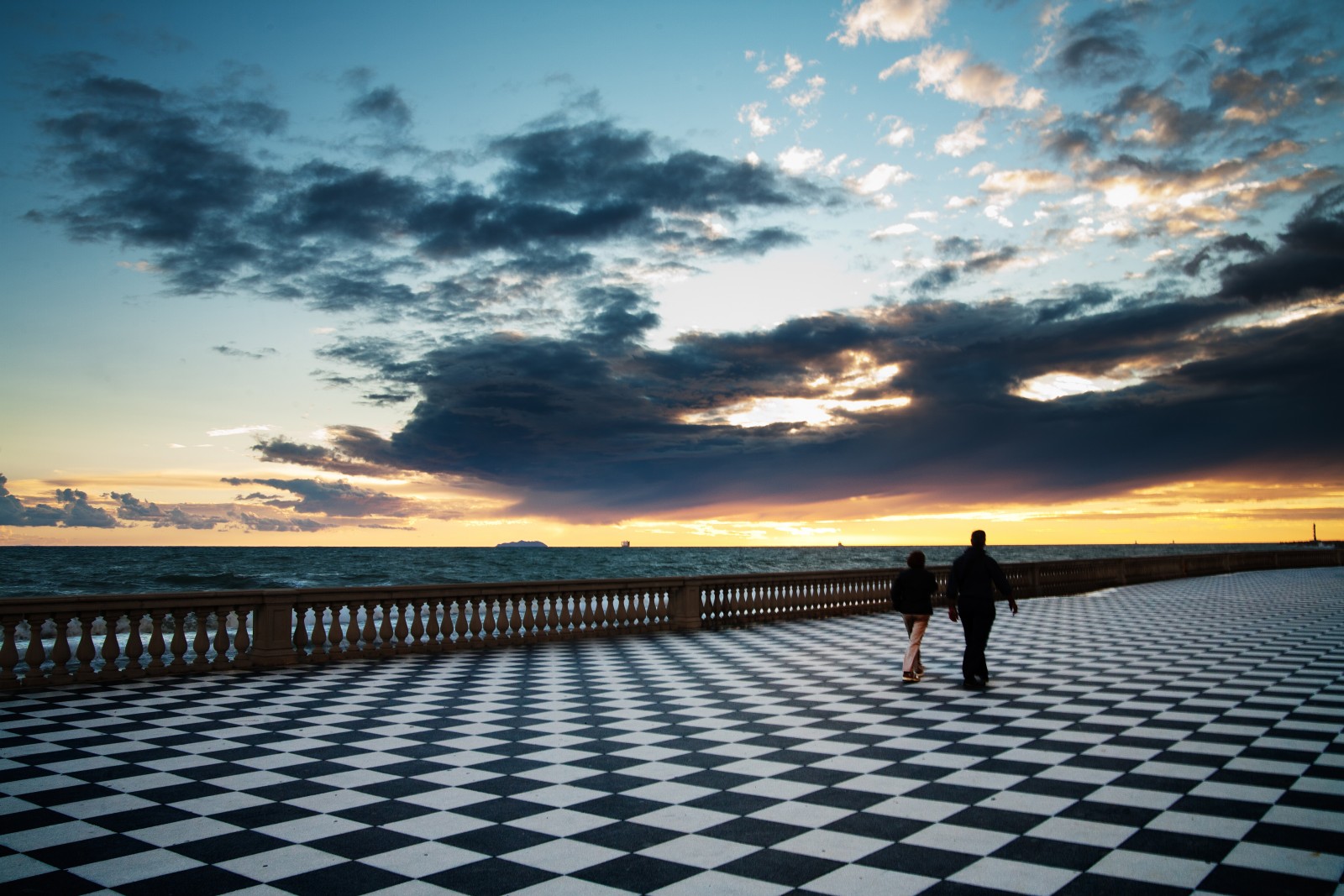
6.2 miles or 10 kilometers to see and taste in Livorno, between the Mascagni Terrace and the sea.
This city itinerary is easy and free from any technical difficulties, linking the historic center to the coastline along a pleasant and scenic route.
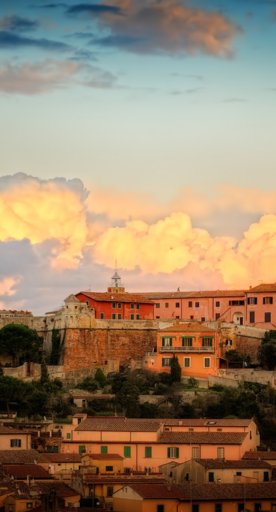
From the station, pedal to Piazza della Repubblica and the Fortezza Nuova (New Fortress), then follow the canals to the port and the Fortezza Vecchia (Old Fortress). Along the bike paths, you then reach the Mascagni Terrace, an elegant lookout over the sea and an unmissable stop.
The journey continues through parks, marinas and small beaches to the Moletto di Antignano, for a day to be leisurely enjoyed between stops and vistas.
The Etruscan Coast, with the intensity of its colors and the beauty of its nature, offers several routes for biking.
Start with the itinerary looping around the Cecina River, a course that combines nature and archeology while telling the history of the area.
Along the way—easy and with no technical difficulties—you can visit the Cecina Archaeological Museum and the Museum of Life and Work, both housed in the same 18ᵗʰ-century villa.
Not to be missed is the Archaeological Park of the Roman Villa of San Vincenzino, with its expansive underground reservoir that is entirely accessible.
The scenic views along the embankments render the ride even more impressive, especially at sunset.
Slightly more physically demanding but without any particular technical difficulties, the route through the coastal villages from Baratti to Sassetta and Suvereto is an ideal loop for those wanting to enjoy the sea, nature and historic villages.
If you are less in form, going by e-bike or splitting the itinerary into two days is recommended.
From the Gulf of Baratti, pedal to Campiglia Marittima, a village overlooking the sea and land that is well worth a stop for its views and historic downtown. Not far away is then the San Silvestro Archaeological Mines Park, continuing on to San Vincenzo with its beaches and the Rimigliano Park.
Go along the coast to Marina di Castagneto, then up to the village of Castagneto Carducci, linked to the poet it is named after. The next stop is Sassetta, where it is possible to stay overnight and enjoy traditional dishes.
Starting off again, reach Suvereto and close the loop by heading back toward Baratti.
Definitely both physically and technically challenging, the GT Etruscan Coast includes a series of loops designed for Gravel and MTB enthusiasts, connecting coastal and hillside locations along dirt and secondary roads.
This great route combines nature, history, food and wine, serving up some of the most fascinating views of Tuscany.
Setting off from Campiglia Marittima, reach San Vincenzo and Castagneto Carducci, along the Strada del Vino, to Sassetta and Suvereto.
The loop returns to Campiglia, with a chance to relax at the Venturina Thermal Baths.
The route can be covered in a day by those who are well trained but it is best to break the itinerary into several stages to fully savor the richness of the area.
An area rich in evocative and diverse landscapes, Maremma is characterized by a coastline of white beaches framed by thick green pine forest.
Here it is possible to complete a MTB loop, being quite physically demanding, starting from the port of Punta Ala then leading to the surrounding heights, providing spectacular views of the sea and the hinterland.
After a short stretch on asphalt, climb up to the scenic trail known in the past as the Via dei Cavalleggeri. From the top, the 360-degree view is truly unforgettable.
The most challenging passage descends into the Val del Melo, with an ascent and descent that can also be tackled by getting off your bike and walking. Once past this section, the loop continues more smoothly, through pine forests, coastal vistas and roads surrounded by nature, before guiding cyclists back to the starting point.
The Capalbio loop is a looped itinerary that combines sea, nature and history, starting from the Capalbio Scalo station along the provincial Litoranea road.
From here, skirt the WWF Oasis of Lake Burano then reach the Ansedonia beach, dominated by its tower—the Torre della Tagliata—and the striking Spacco della Regina (translating to the “Queen’s Cleft”).
Continue through the Maremma countryside to Villa Settefinestre, a Roman vestige of the 1ˢᵗ century B.C.E., and climb up toward Capalbio.
The route continues to Garavicchio, where the Tarot Garden surprises with its colorful sculptures immersed in Mediterranean bush, then descends to Chiarone Scalo, before closing the loop by returning to the Litoranea road.
An easy, evocative course suitable for everyone starts from the Alberese Visitor Center and leads into the heart of the Maremma Park. After a few feet along the bike path to Marina di Alberese, take the Strada degli Ulivi, go past the Vergheria gate then enter the protected area.
Encounters with deer, roe deer and wild boar are frequent here, among olive groves and Mediterranean scrub.
The route continues through pine forests and tombolos to Marina di Alberese, where the bike path begins, leading back toward the Visitor Center.
The ride concludes by returning to Spergolaia then Alberese, along a stretch that forms part of the Ciclovia Tirrenica.
A ride suspended between land and sea that is decidedly challenging and of medium technical difficulty is the Monte Argentario ride, a route for Gravel bikes and MTBs that enchants among Spanish Fortresses and unique views.
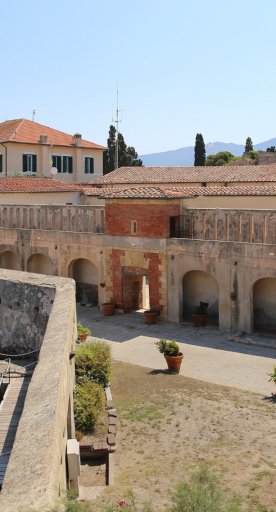
Start from the Orbetello dike in Terra Rossa then follow the bike path overlooking the lagoon to reach Porto Ercole, with its small port framed by the Spanish Fortress and Forte Filippo. From here, ascend to Forte Stella, from which there is a spectacular view of the Costa d’Argento (Silver Coast).
The route continues through ascents, descents and sections of dirt road that go around Punta Avvoltore, offering glimpses of the open sea and the islands of Giglio and Giannutri. Torre Ciana and the Cannelle Beach are encountered, followed by a challenging climb to Capo d’Uomo.
Descending along the scenic Porto Santo Stefano, you arrive at the seaside village dominated by the Spanish Fortress.
The loop closes by pedaling along the route of the old railway, now a bicycle/pedestrian path, with tunnels carved into the rock and glimpses of the lagoon, finally returning to the Orbetello dam.
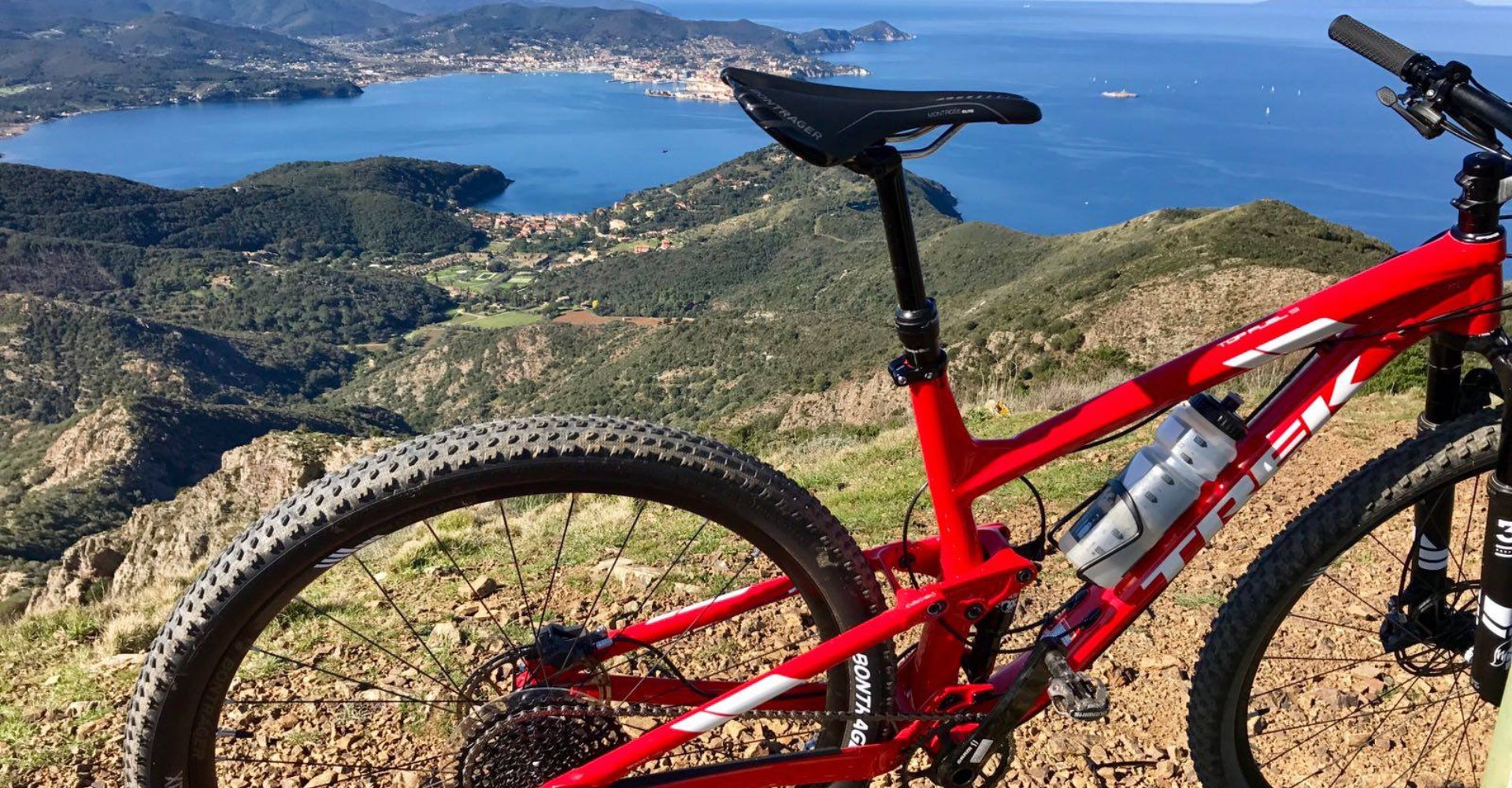
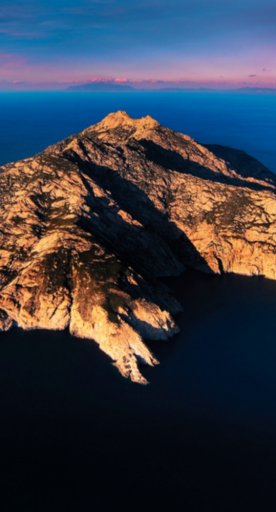
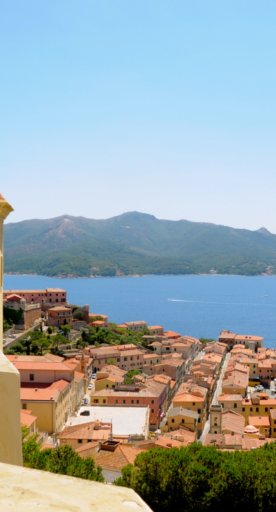
The most romantic ring in the Tuscan Archipelago starts from the village of Marina di Campo and gives a perfect mix of history, views and stops along the sea.
The Costa del Sole loop encapsulates the island’s largest beach through to La Pila, from where the actual route to Procchio and Marciana Marina begins.
A detour goes towards the hamlet of Poggio, famous for the Fonte di Napoleone (Napoleon’s Spring), where the very fresh water was appreciated even by the Emperor.
From here, you reach Marciana, the highest town on Elba, before the road becomes a pleasant, scenic up and down that see-saws you back to Marina di Campo.
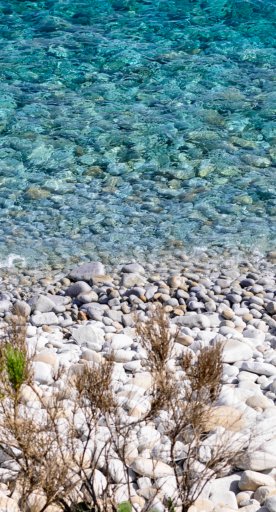
The ride—technically less difficult but moderately demanding physically—offers numerous opportunities for pleasant breaks on the beach and fully encapsulates the essence of the island: nature, sea and unforgettable views.
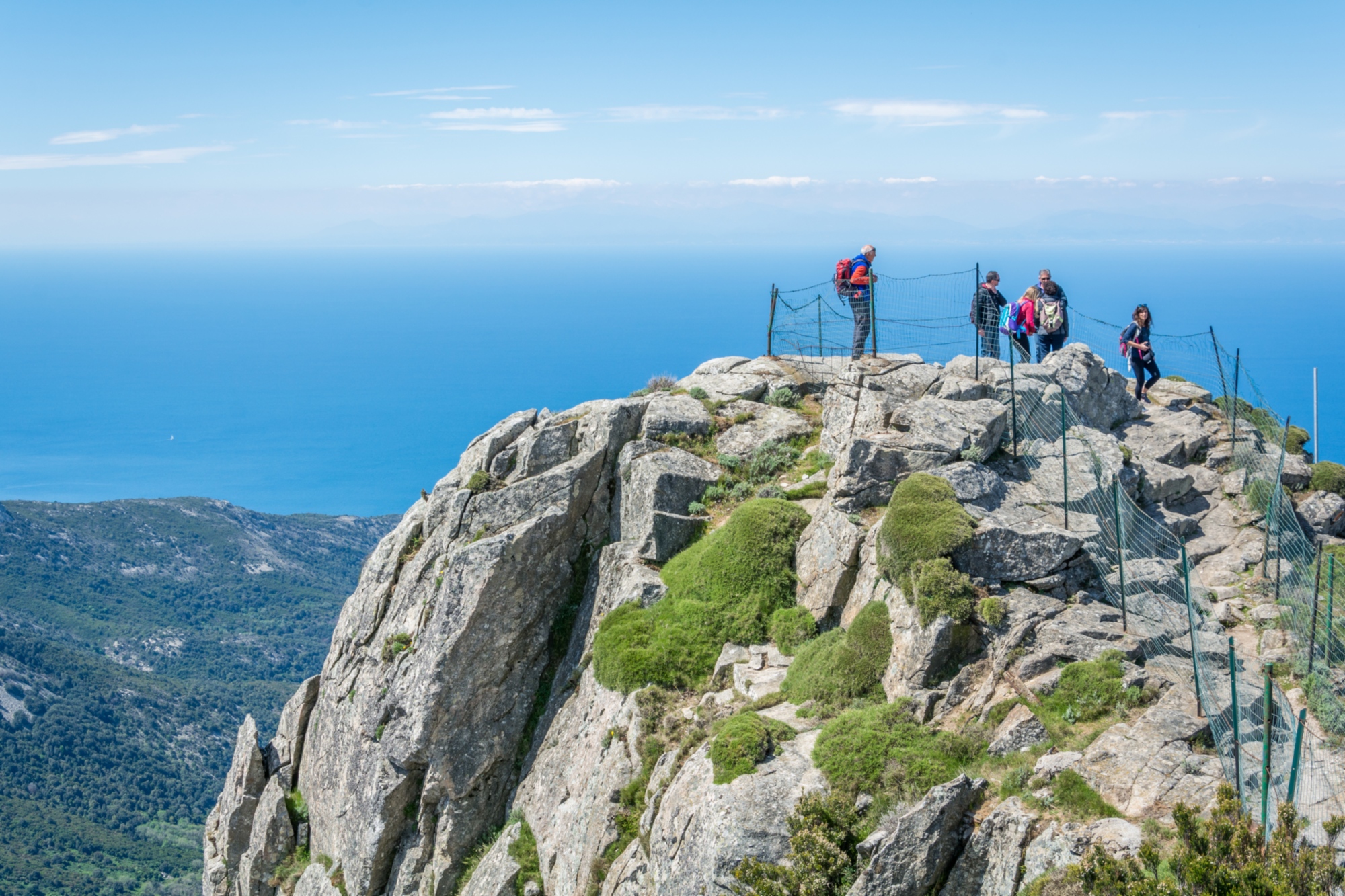
The route pierces the heart of the Calamita Mines National Park and is ideal for Gravel bikes and MTBs to savor 360-degree views, moonscapes and the memory of mining tradition. The route requires a medium physical commitment and presents some technical challenges.
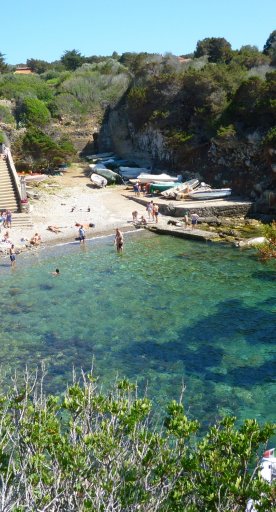
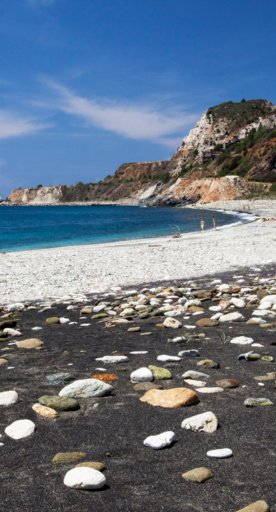
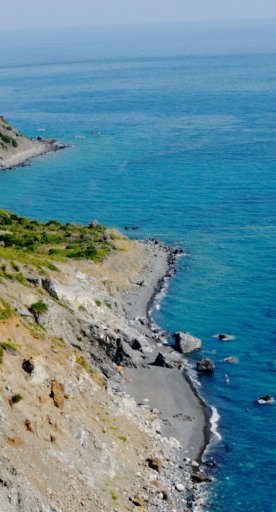
From Capoliveri, pedal along a wide and scenic trail that leads toward the mines. The first detour leads to Innamorata Beach, linked to an ancient legend and now the scene of an evocative re-enactment each July 14. From here, follow the old iron route, passing the Calone mining site and pirate beaches, to the Vecchia Officina (“Old Workshop”) Museum.
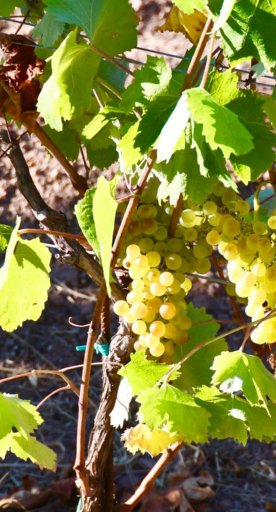
The loop trail continues to the Cantina delle Ripalte, where you can stop for a tasting of local wines and traditional sweets before continuing to the Ginevro underground mines.
Between glimpses of the east coast and wild beaches, the itinerary concludes upon your return to Capoliveri.