Go to main content
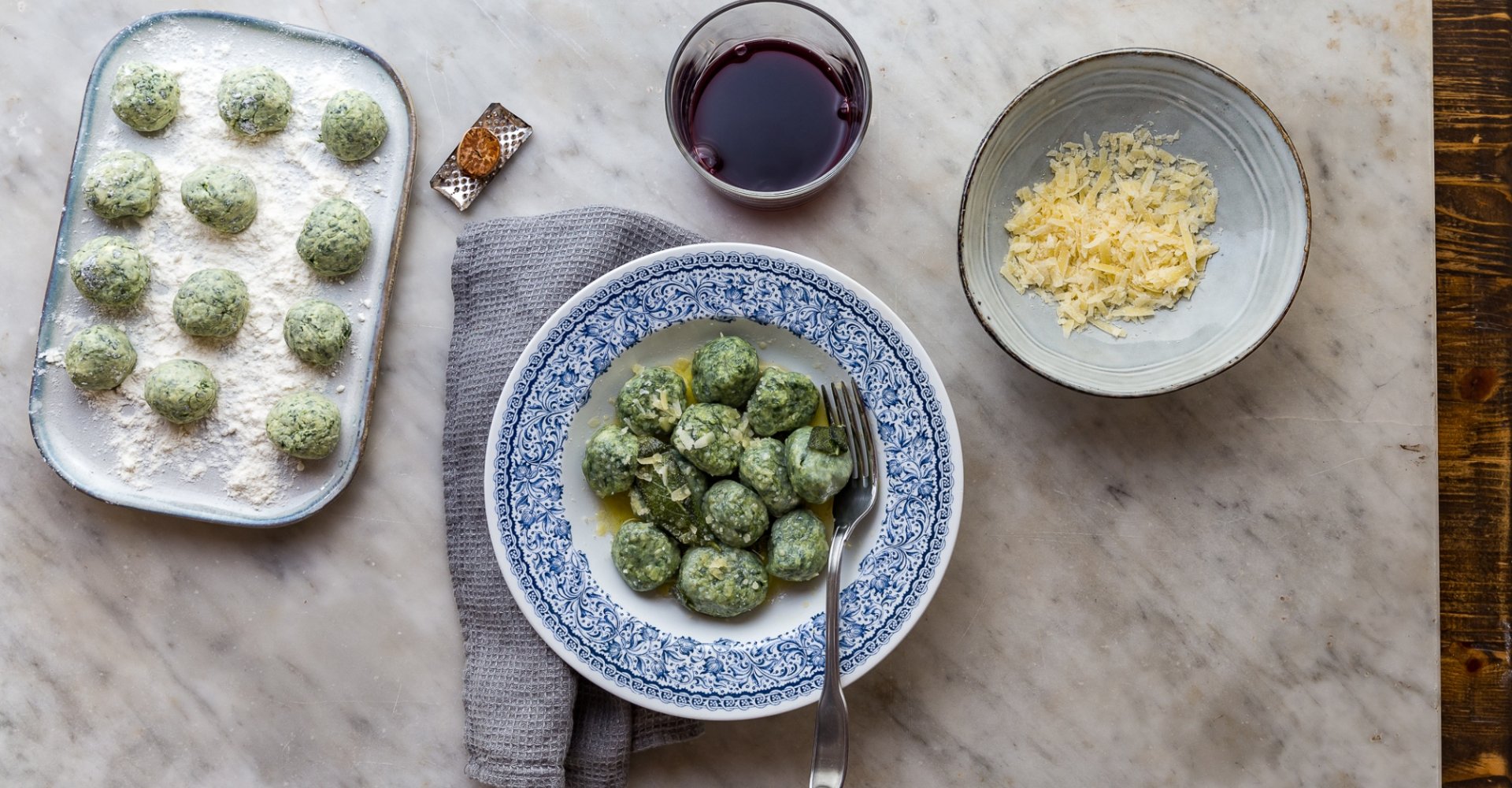
Gnudi being prepared and ready to be savored
Photo © Giulia Scarpaleggia

Aromatic herbs in Tuscany: uses and characteristics

They have accompanied Tuscan cuisine for centuries, enriching recipes with aromas and flavors that exalt the simplicity of the dishes

Aromatic herbs have long played an important role in Italian cuisine, finding particularly favorable terrain in Tuscany. 
Rosemary, basil, sage, tarragon and parsley are among the most familiar presences. They grow in vegetable gardens, on balconies and in yards but most importantly, they enter the kitchen every day, where they add character to traditional recipes, accompanying meats and seafood to add a fresh, fragrant note.

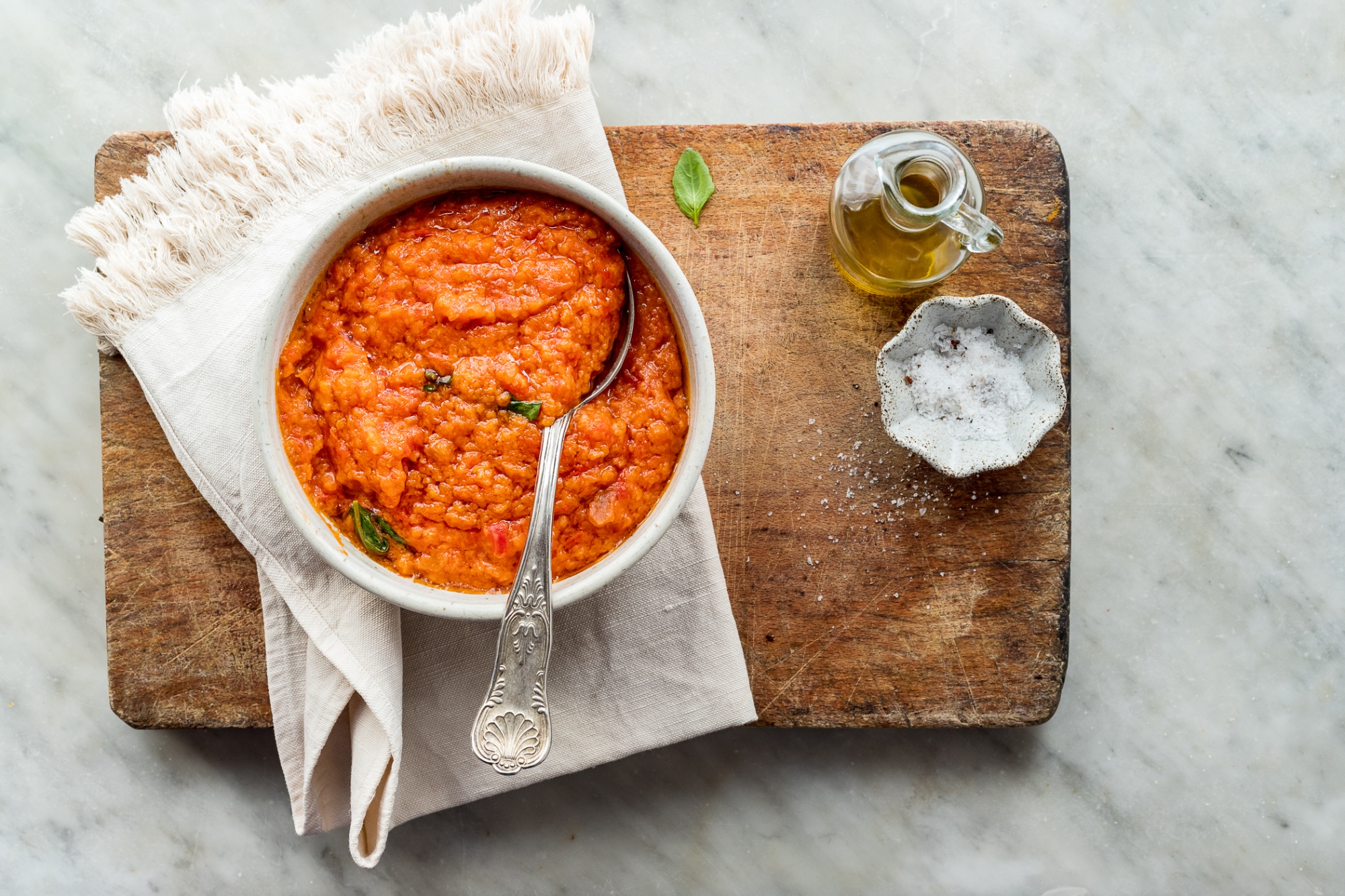
A dish of Pappa al Pomodoro on a wooden cutting board
Pappa al pomodoro - Credit: Juls Kitchen

Basil, for example, is among the classic ingredients of tomato sauces and in Tuscany, is also found in the traditional Pappa al Pomodoro
Used fresh, it is prized for its intense aroma and ability to add a touch of liveliness to even the simplest preparations.

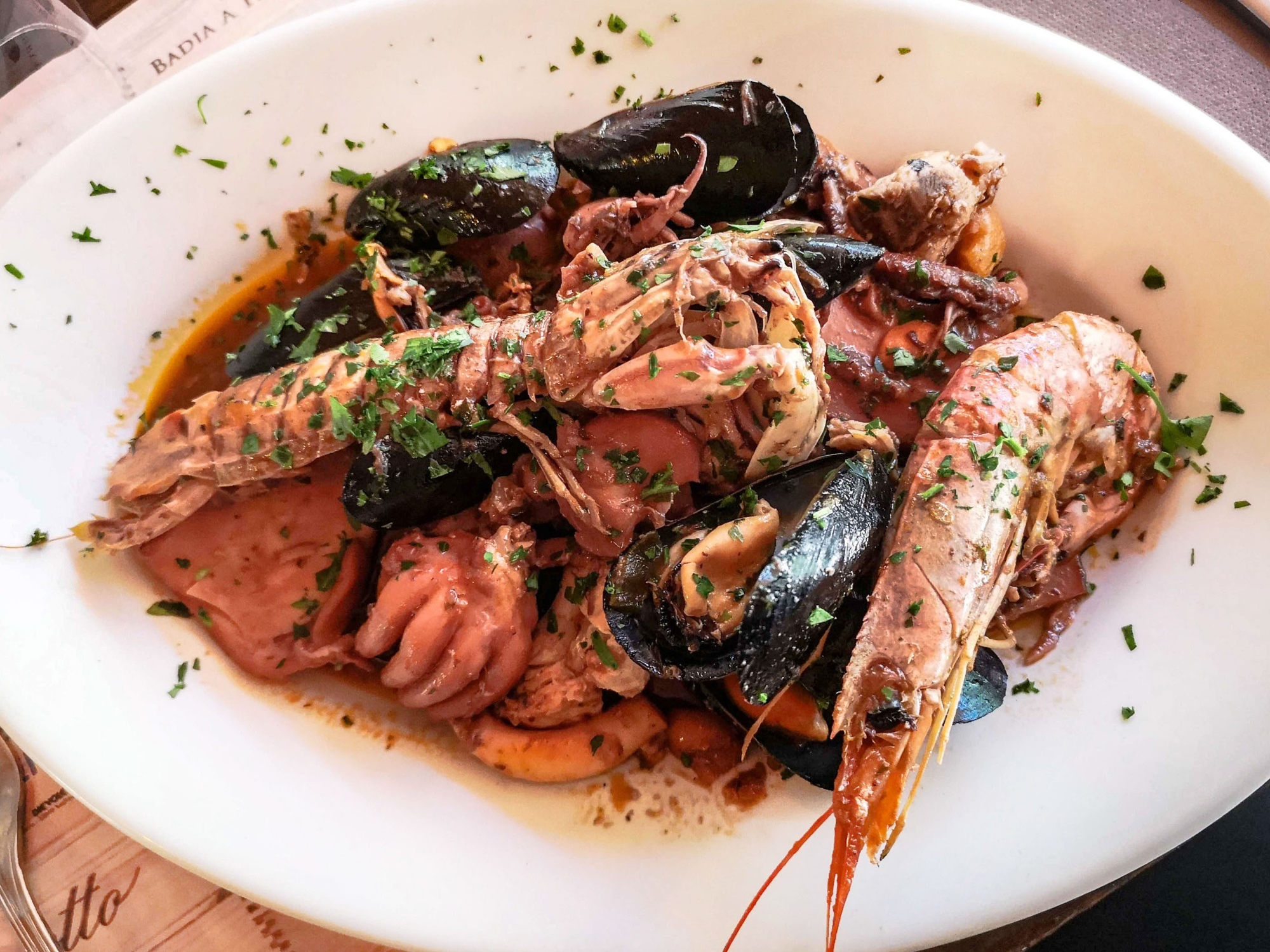
A plate of Caccciucco alla Livornese
Cacciucco alla livornese - Credit: Fabiana Matteini

Parsley is so widespread that it has even entered everyday language, as recalled by the saying “essere come il prezzemolo” (“to be like parsley”), referring to those who appear everywhere. 
It grows well in home gardens and sometimes even spontaneously in moist, shady areas. 
In Tuscany, parsley is often added fresh at the end of cooking, as a finishing touch, being particularly common in seafood dishes, from Cacciucco alla Livornese to stuffed mussels.

Roast pork loin
Roast pork loin - Credit: Giulia Scarpaleggia

Among the most popular herbs are then sage and rosemary, protagonists of many a traditional dish.
They flavor meats, potatoes, sautéed vegetables, chickpeas and beans, giving intense and recognizable aromas
Sage, even considered sacred by the Romans, has a distinct and unmistakable taste that gives personality to many recipes. It is found in Fagioli all’Uccelletto, in Gnudi and among the aromatic herbs used in many Tuscan dishes.

Rosemary, in addition to its use in cooking, is also known for its digestive and relaxing properties. 
Its distinct aroma characterizes recipes such as roast Arista (pork loin) but it also appears in traditional desserts such as the Senese Pan Co’santi and Florentine Pan di Ramerino.
In Tuscany, herbs are not only ingredients in everyday cooking but tell of a broad knowledge made up of gestures handed-down through the generations, recipes long living in local memory and a deep relationship between territory, taste and well-being.
Start your discovery

Must-see places, stage-by-stage routes, events and tips for your trip
Events • 30 results
Ideas • 220 results
Itineraries • 45 results
Flavors • 91 results
Travelogs • 29 results