A ministerial decree introduced the “Sunday at the museum”, an initiative that provides for the free admission in all state museums and archeological areas on the first Sunday of the month.
Let’s see together which are the places that can be visited for free in Tuscany!
There is certainly no shortage of choices in and around Florence.
The city’s state museums are participating in the Sunday initiative.
Also included are the Uffizi Gallery, which includes not only the famous exhibition itinerary but also the Palatine Gallery and the Monumental Apartments of the Pitti Palace, the Museum of Fashion and Costume, the Gallery of Modern Art, the Treasury of the Grand Dukes, as well as the Boboli Gardens and the Gallery of the Academy.
The museum system of the Uffizi Galleries also extends to other spaces such as the Garden of the Royal Stables and Pagliere as well as the striking Vasari Corridor (when visitable), the extraordinary elevated passageway commissioned by Cosimo I to connect Palazzo Vecchio to Palazzo Pitti.
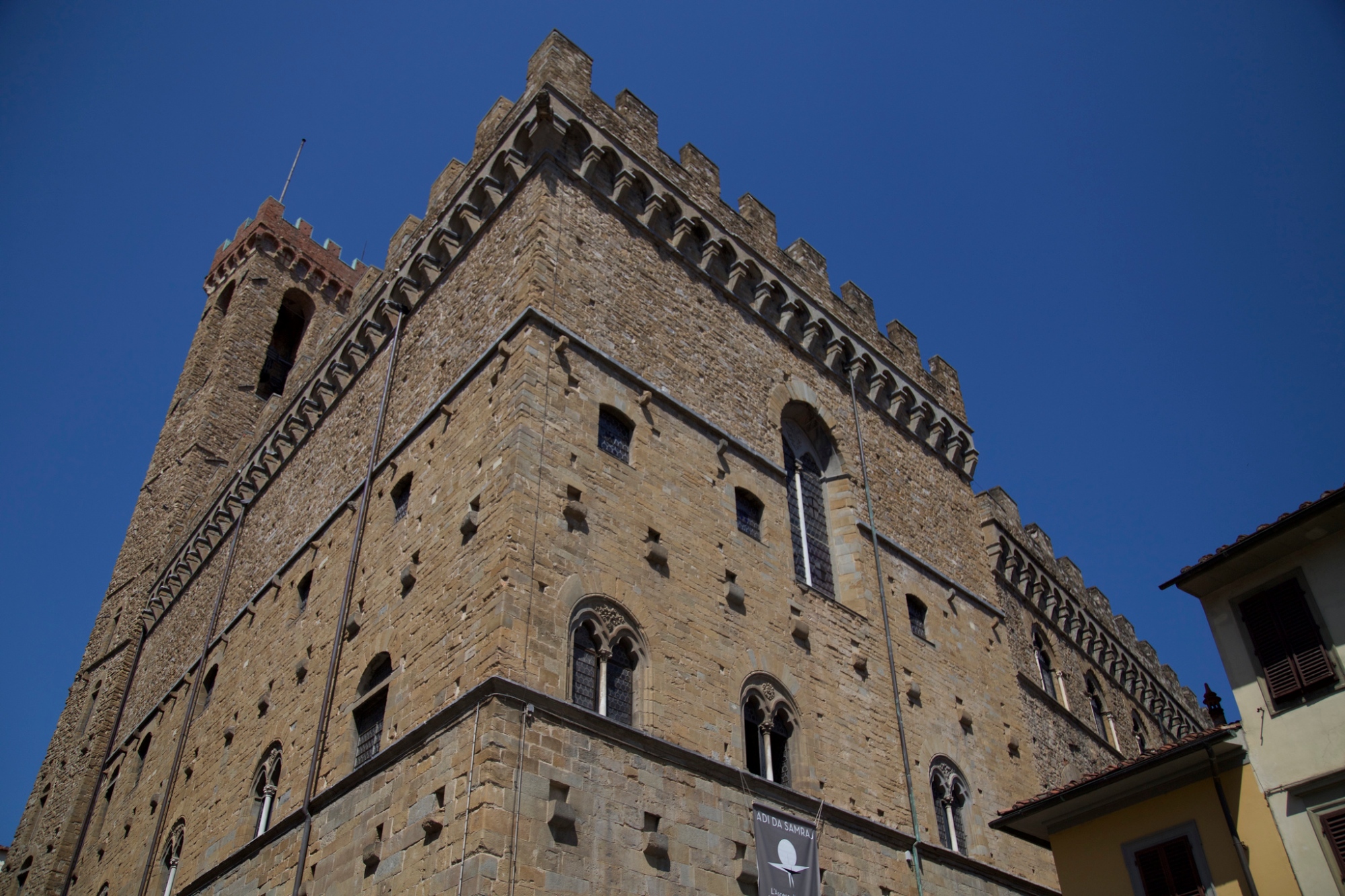
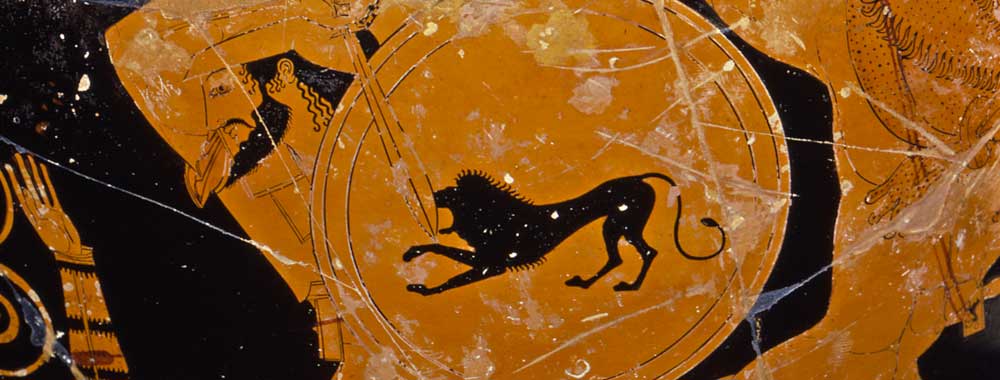
Don’t miss the National Museum of Bargello, which houses an incredible collection of Renaissance sculptures, the Medici Chapels, the National Archaeological Museum boasting an important collection of artifacts from Etruscan, Roman, Greek and Ancient Egyptian times, as well as the Orsanmichele Church and Museum and the Museum of San Marco, famed for its frescoes by Beato Angelico.
These are joined by Andrea del Sarto’s Last Supper in San Salvi and the Cenacolo di Sant’Apollonia, custodians of extraordinary masterpieces of the Florentine Renaissance.
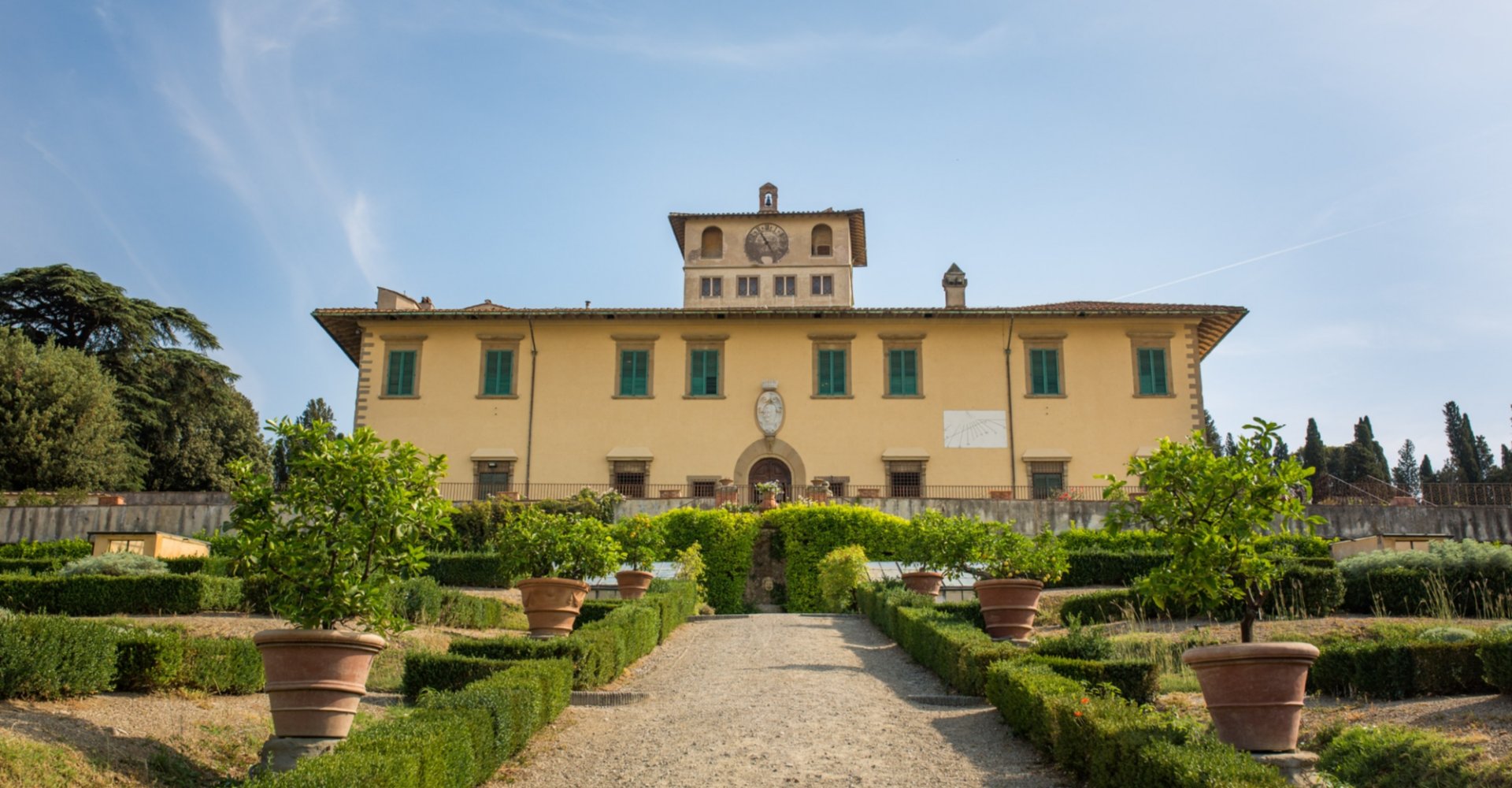
If the weather is particularly good on the first Sunday of the month, you can head to the Medici Villa di Castello, which enchants with its splendid gardens, to the Medici Villa La Petraia and its magnificent garden in the Florentine hills, or the Medici Villa of Cerreto Guidi, a noble residence that also houses the Historical Museum of Hunting and the Territory.
The Park of Villa Il Ventaglio, a magnificent public garden that provides unforgettable views of Florence, is also free to visit to be welcomed with splendid specimens of plane trees, maples and a Judas tree, a grove of holm oaks, several horse chestnuts, strawberry trees and elms.
Starting in March, on the first Sunday of the month, Domenica Metropolitana (Metropolitan Sunday) also returns to Florence, with the initiative that offers residents of the Metropolitan City of Florence free admission to the Florentine Civic Museums and the Palazzo Medici Riccardi, along with special tours and activities by reservation.
Places involved include Palazzo Vecchio, the Torre di Arnolfo, Santa Maria Novella, the Museo Novecento, the Brancacci Chapel in the Santa Maria del Carmine complex, the Stefano Bardini Museum, the Gino Bartali Cycling Museum, the Murate Art District (MAD) and Palazzo Medici Riccardi.
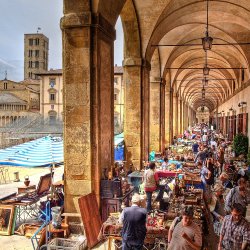
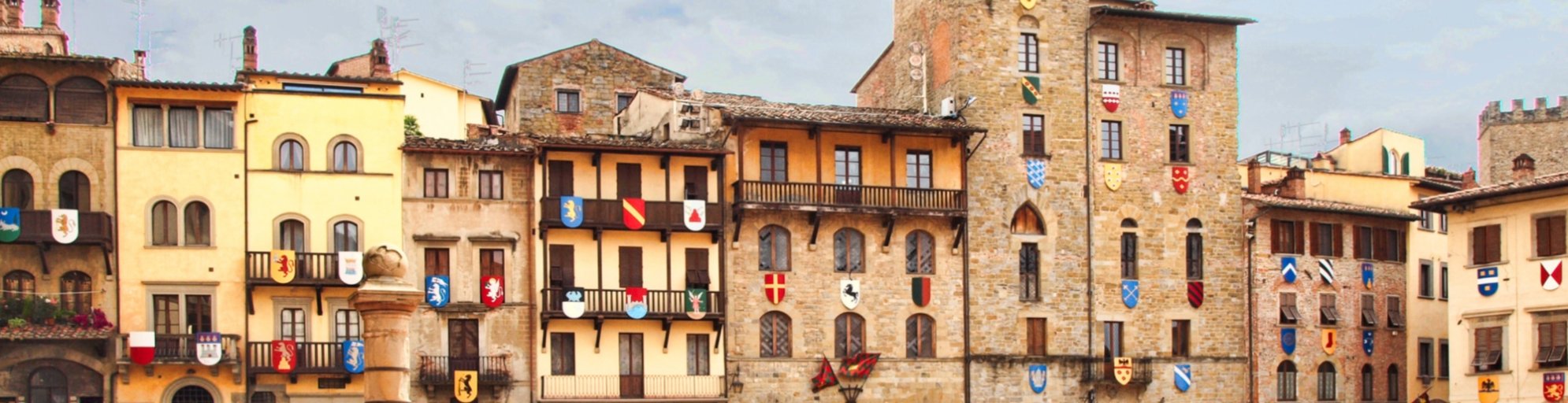
Arezzo is the perfect place for a journey through historical eras and into the heritage left by each of them.
The National Archaeological Museum of Gaio Cilnio Mecenate - which owes its name to Mecenate, a personage from Arezzo who lived during the time of Emperor Augustus and was famous as a patron of artists - preserves Etruscan jewelry, ancient coins and Roman sculptures.
The Casa Vasari Museum, dedicated to painter, architect and sculptor Giorgio Vasari - born in Arezzo itself in 1511 - is a rare example of a late Renaissance artist's home.
In Castiglioncello, the State Archaeological Museum offers a selection of artifacts from the necropolis, including the splendid alabaster urn from the 2nd century B.C. that contained the ashes of Velia Cerinei, an Etruscan woman of high rank.
On the Elba Island, in Portoferraio it is possible to visit the two houses of Napoleon who, right here, was exiled in 1814: Villa San Martino - bought as a summer residence, which then remained unoccupied - and the Palazzina dei Mulini, in which are preserved relics, furnishings, furniture of the period and part of the interesting library taken with him by the emperor and later donated to Portoferraio.
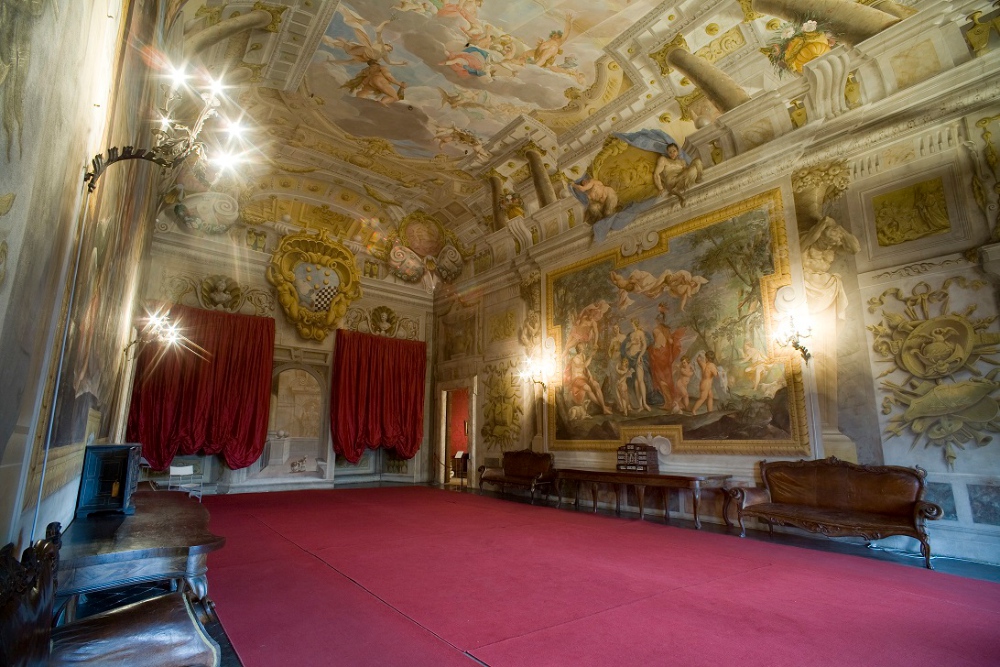
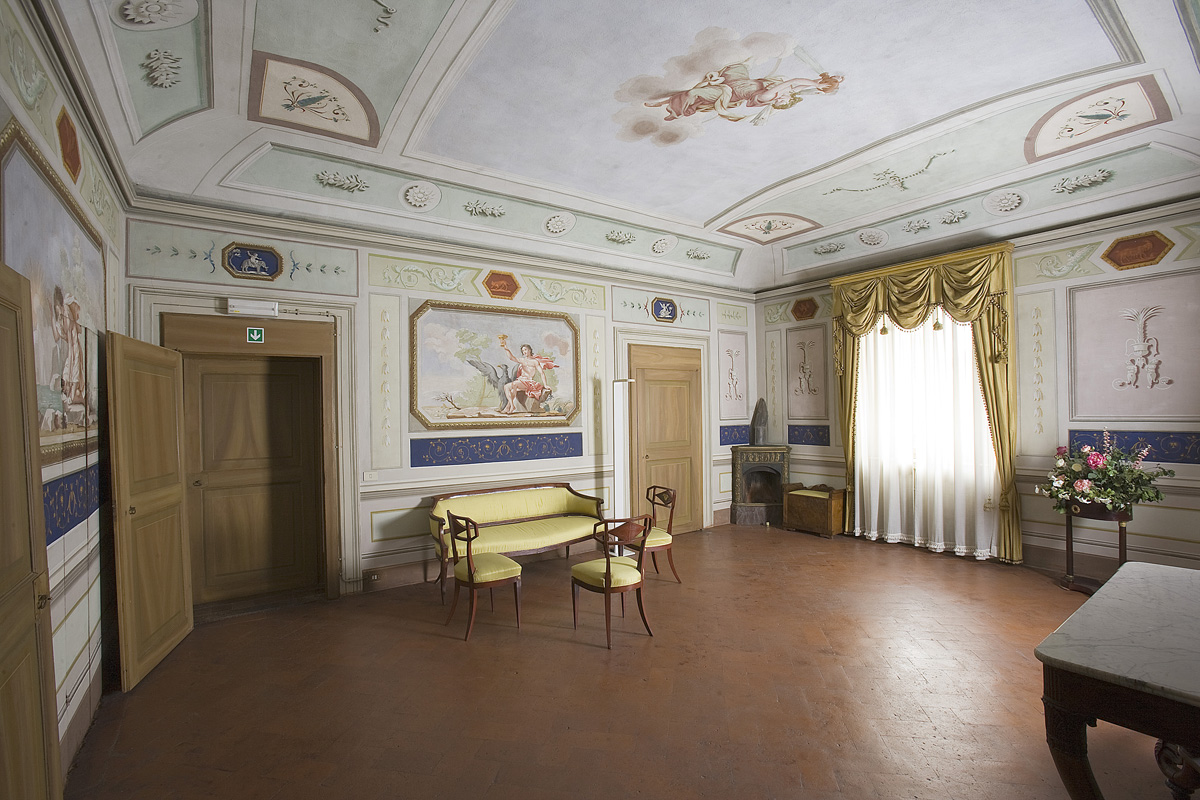
In Lucca there are two museums which adhere to the initiative: the National Museum of Villa Guinigi - that traces the history of the city and of its territory through an extraordinary collection of works of figurative art from the early Middle Ages to the eighteenth century - and the National Museum of Palazzo Mansi - which is housed in one of the city's most sumptuous stately homes and has recently been restored for use as a museum, while retaining its appearance as a formal representation place with frescoes, stucco, furniture, tapestries, upholstery.
Even Grosseto boasts an ancient history, with numerous Etruscan sites dotting the area.
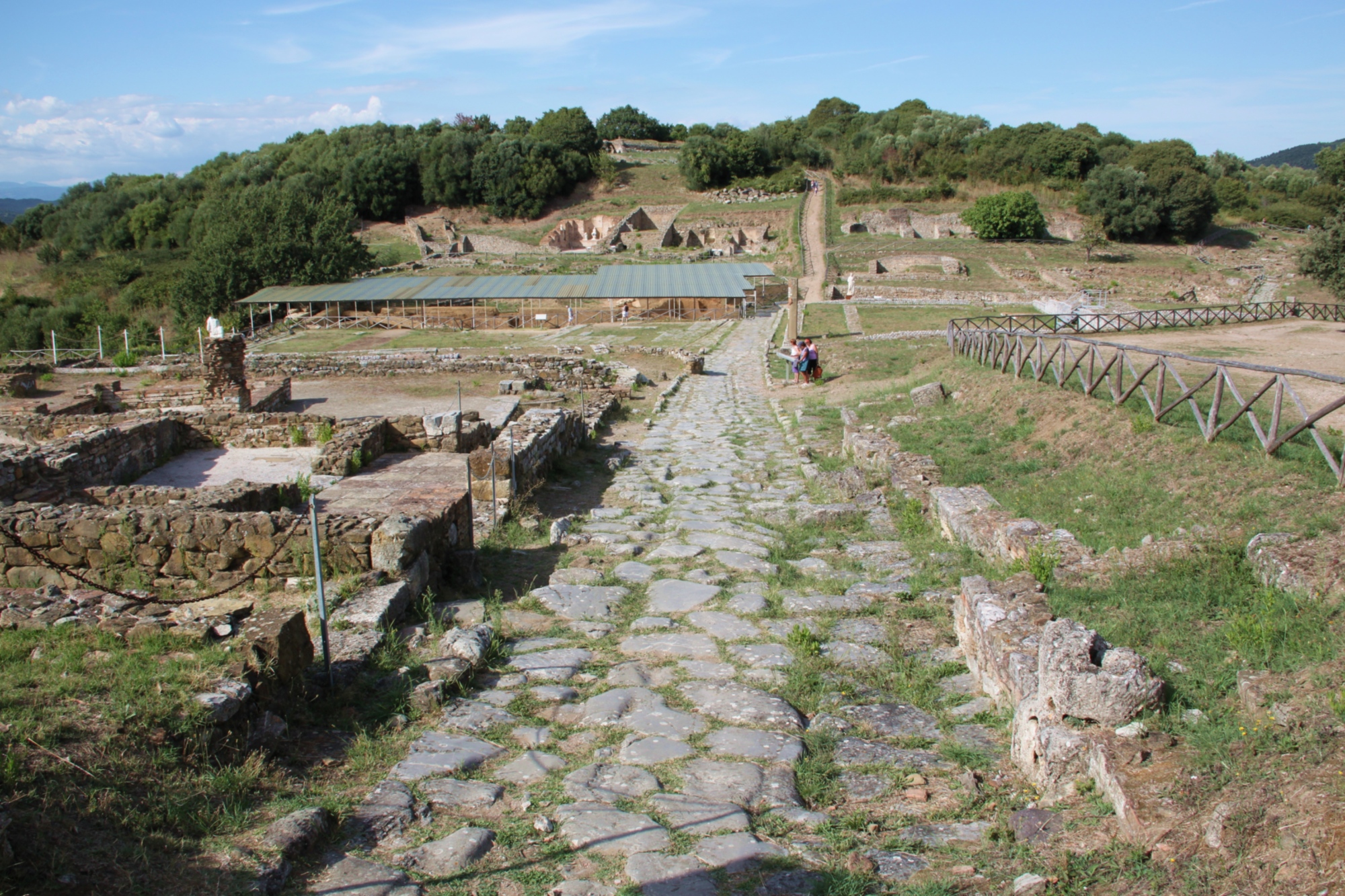
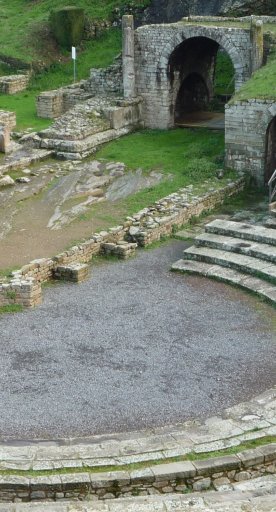
Vetulonia was one of the twelve most important Etruscan cities and the archaeological area, in today's Castiglione della Pescaia, displays its history through the discoveries made in the late 19th century by Isidoro Falchi.
Just outside Grosseto you can visit the Archaeological Area in Roselle, one of the most important cities in Etruria.
The National Museum of Archeology and Ancient City of Cosa is located, instead, in Orbetello: it is dedicated to the Roman history of the area and preserves artifacts from this city founded in 273 B.C.
One of Italy's most beloved poets, Giuseppe Giusti, was born in the province of Pistoia, in Monsummano Terme: today it is possible to visit the Casa Museum dedicated to him and which turns out to be his childhood home.
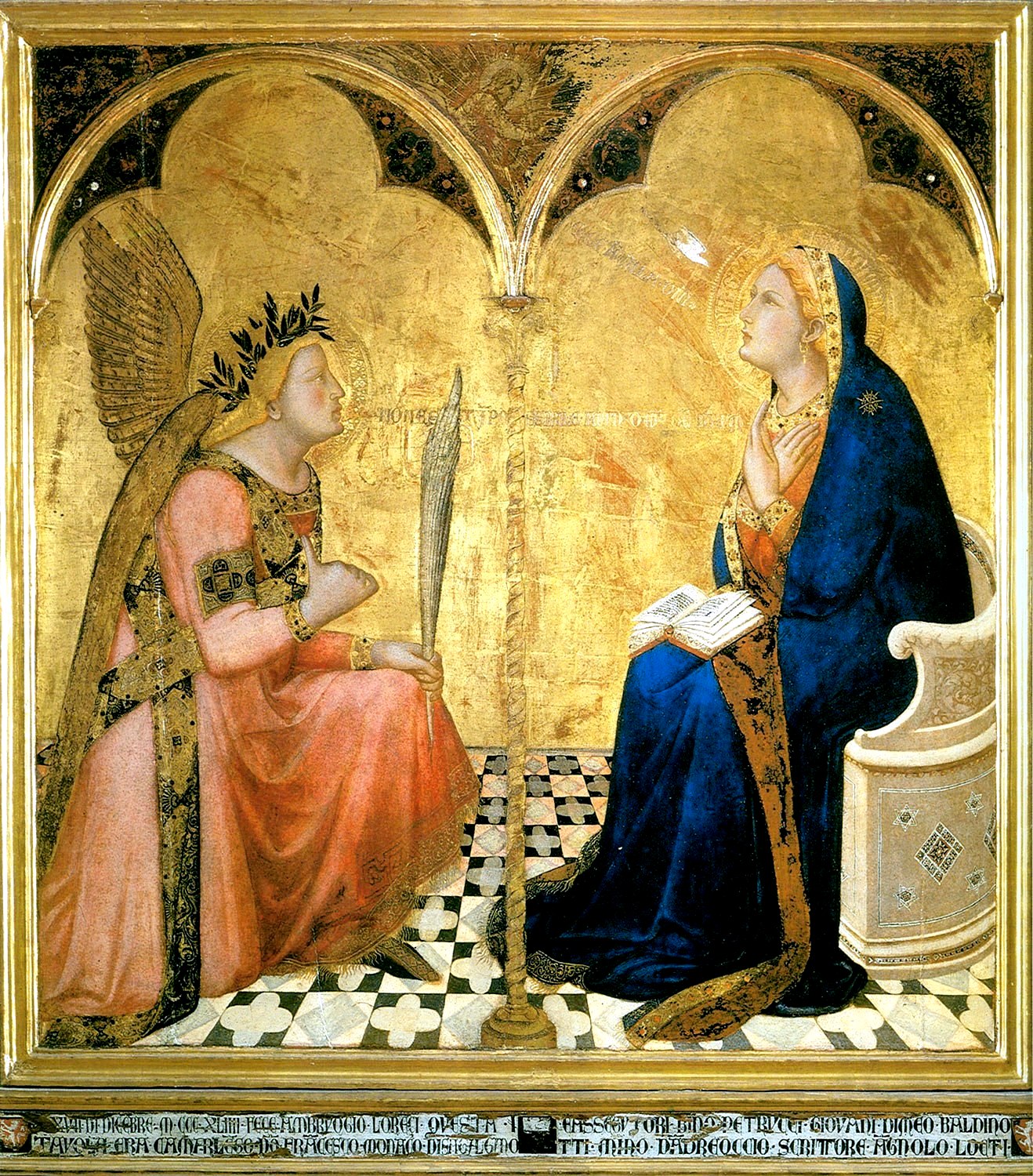
Pisa opens its doors free of charge to the National Museum of San Matteo, displaying masterpieces of Pisan art ranging from the 12ᵗʰ to 15ᵗʰ centuries. Then there is the Historical Ships Museum, which tells the amazing story of the Roman river port, with perfectly preserved boats, cargo, shipboard instruments and objects of daily life.
In contrast, the National Museum of the Royal Palace, overlooking the Arno River, allows visitors to discover historical rooms, furnishings and collections pertaining to the dynasties that ruled Tuscany.
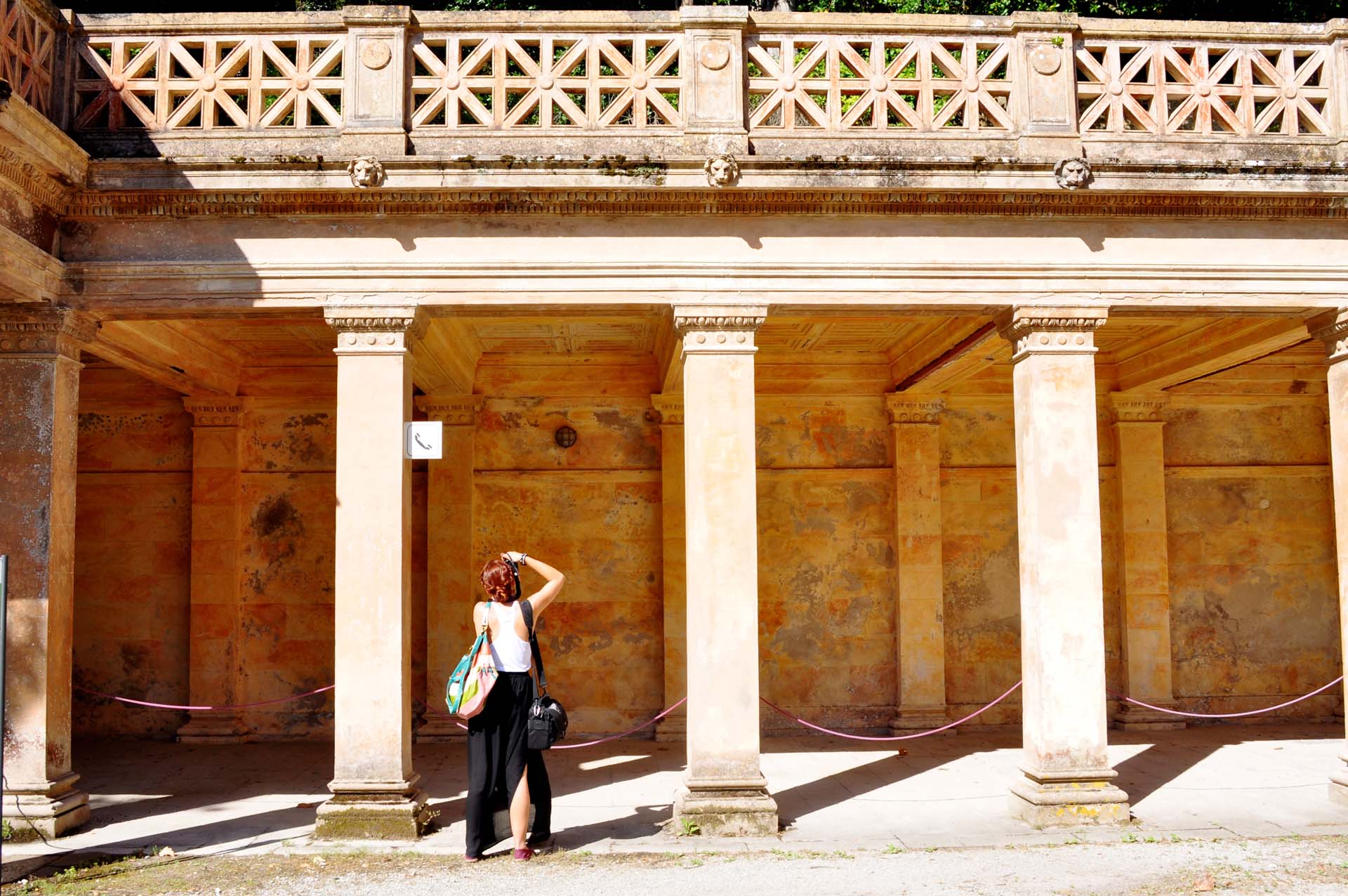
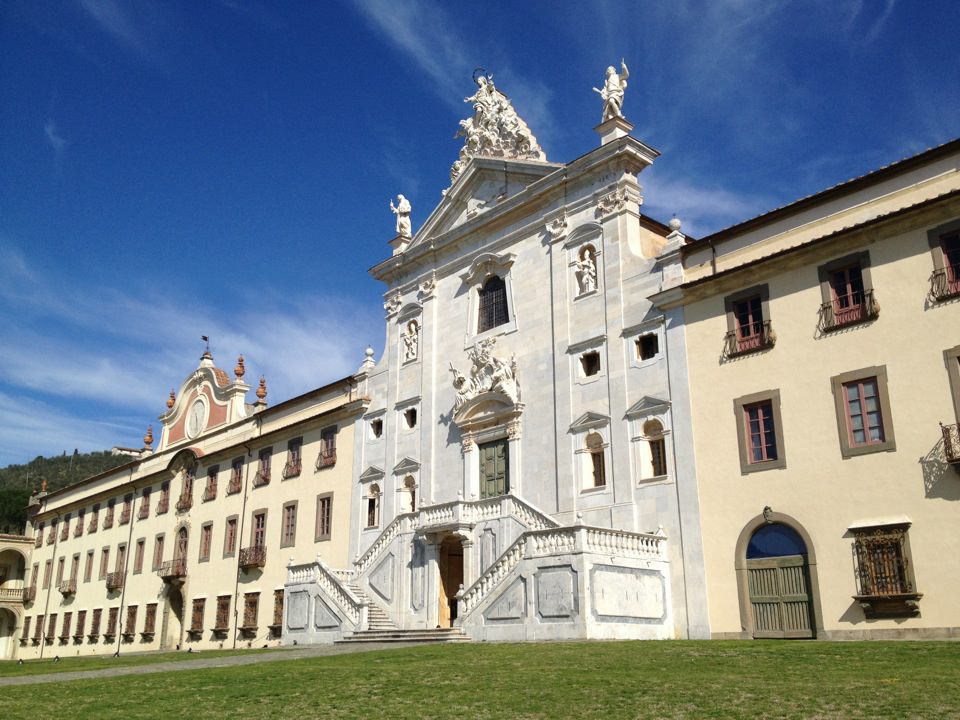
Just 6.2 miles or 10 kilometers from Pisa, in Calci, you can find the famous Certosa, a hermitage founded in 1366 where you can learn about the history of the Carthusian monks who lived here until 1972.
Prato, too, offers several possibilities: starting from the Comeana Archaeological Area, whose main attraction is the large Montefortini Tumulus, to the Medici Villa in Poggio a Caiano, an architectural masterpiece by Giuliano da Sangallo - wanted by Lorenzo de' Medici - enriched by the pictorial marvels of Filippo Lippi, Andrea del Sarto and Pontormo and the majestic gardens in which rare plant species and some terracotta statues can be admired.
A land of beautiful scenery, history and incredible museums, Siena is the ideal place to spend your first Sunday of the month. Just a short walk from the Duomo (Cathedral) is Palazzo Chigi alla Postierla, an elegant historic home that holds important collections and artistic evidence (open Sunday mornings only).
In the city of Chiusi, the National Archaeological Museum preserves objects from the Etruscan, Roman and Longobard periods found in the area. In the surrounding countryside, at Poggio Renzo, there is a necropolis housing a testimony of great archaeological value: the Tomba della Scimmia (Tomb of the Monkey), the origins of which date back to 480–470 B.C.
Updates on participating museums can be found on the Ministry of Culture's official Domenica al Museo page.