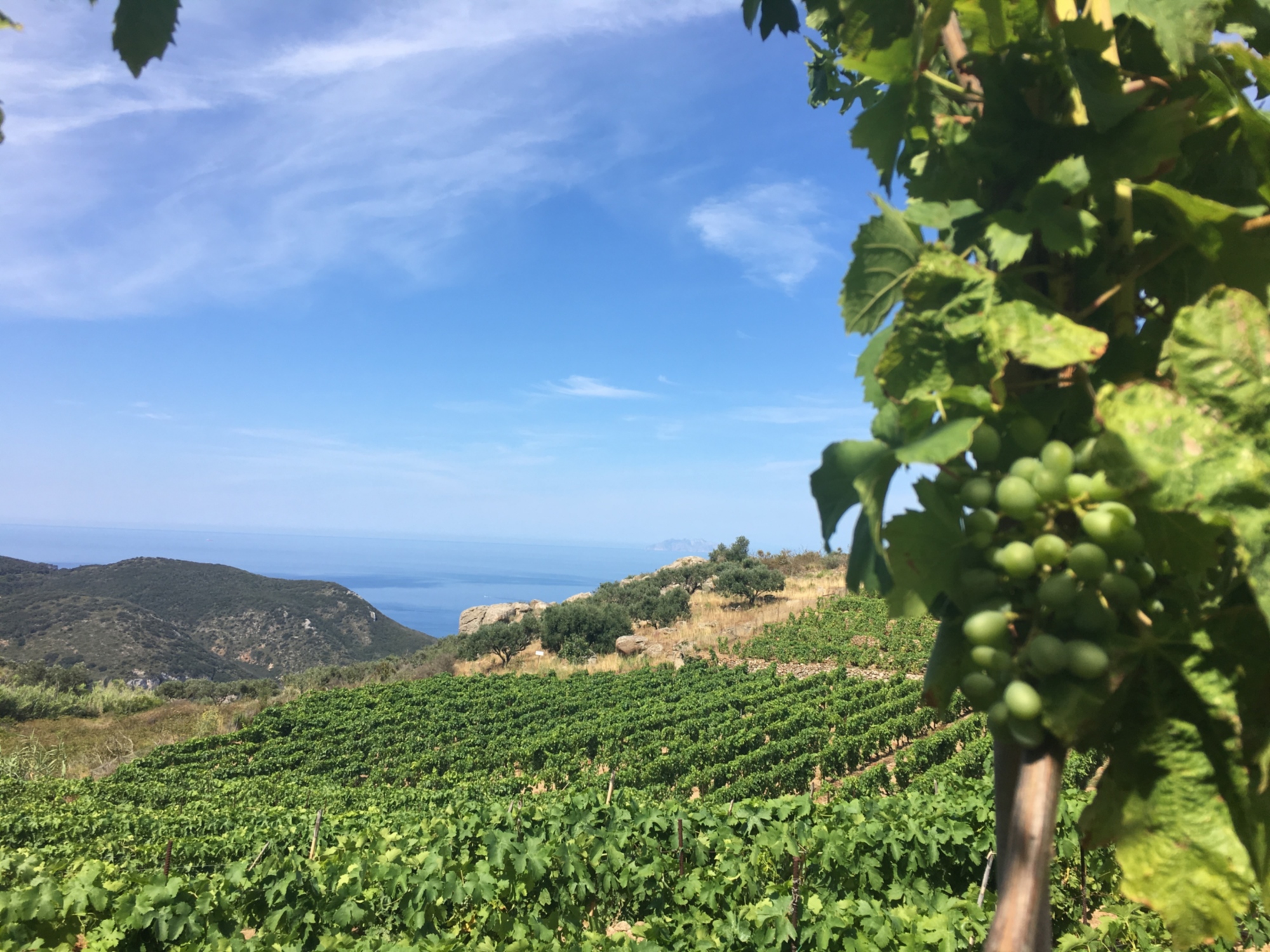
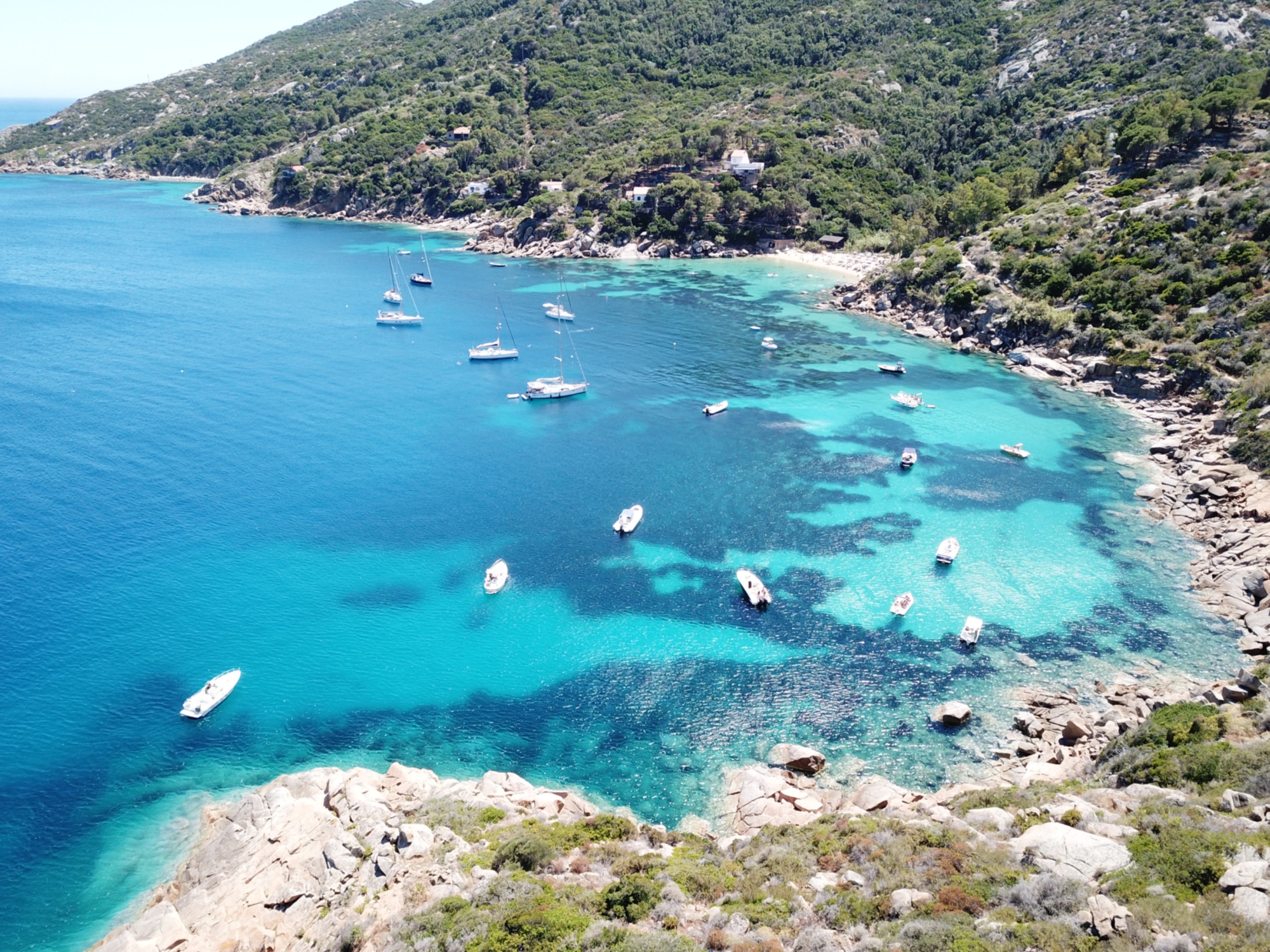
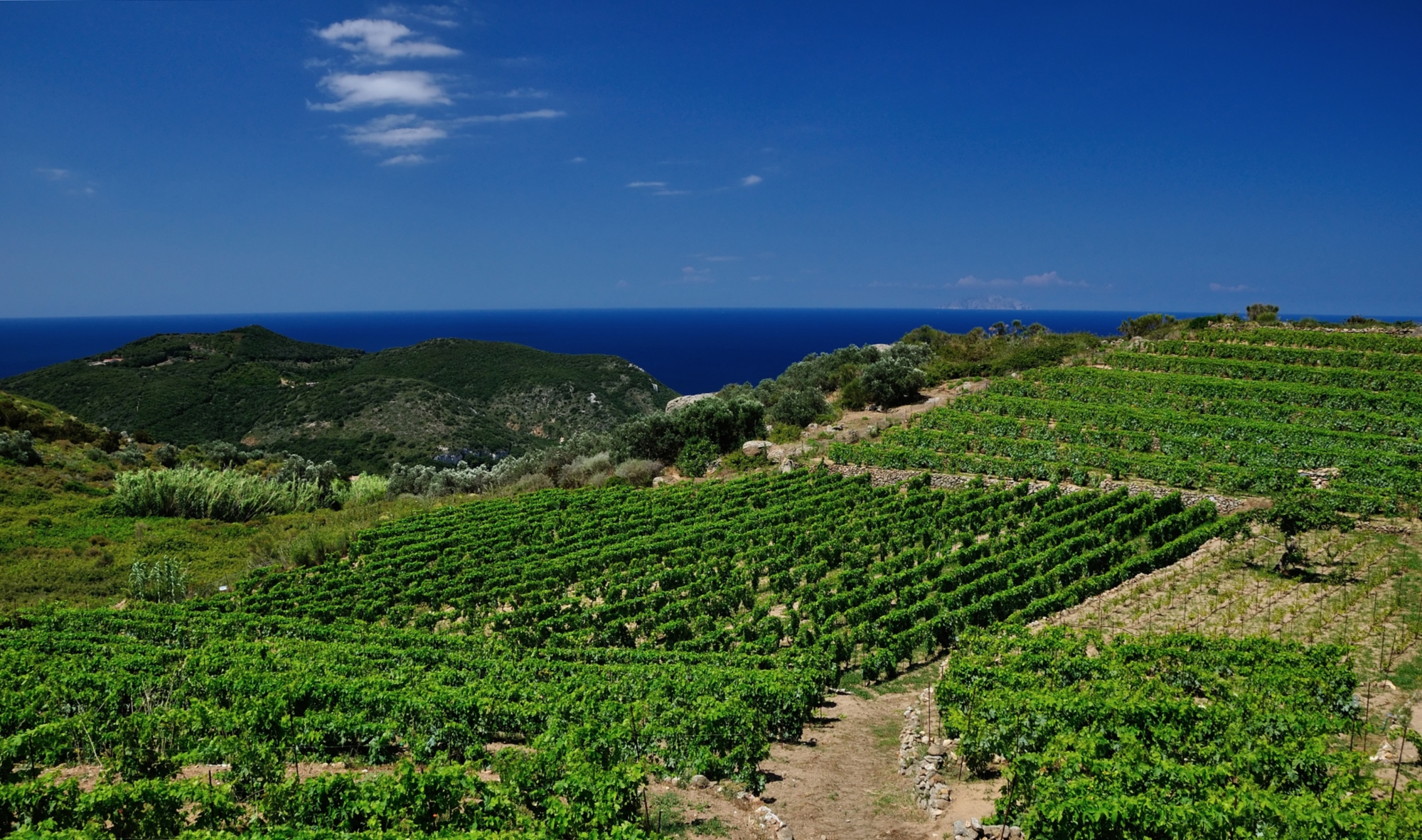
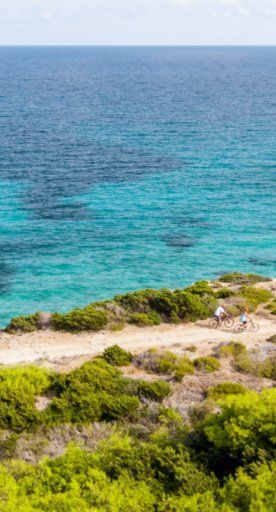
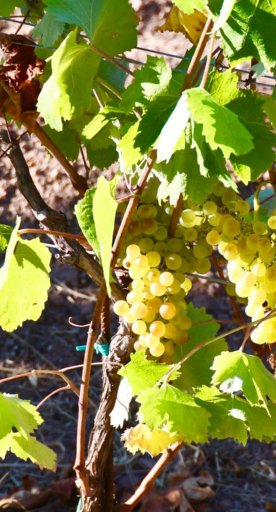
The nature of Giglio comes from the meeting of reliefs, rugged coastlines and Mediterranean vegetation. Interspersed among the green scrubland are mastics, rosemary, cistus, olive groves and vineyards, often supported by the ancient terraces that have distinguished the landscape for centuries.
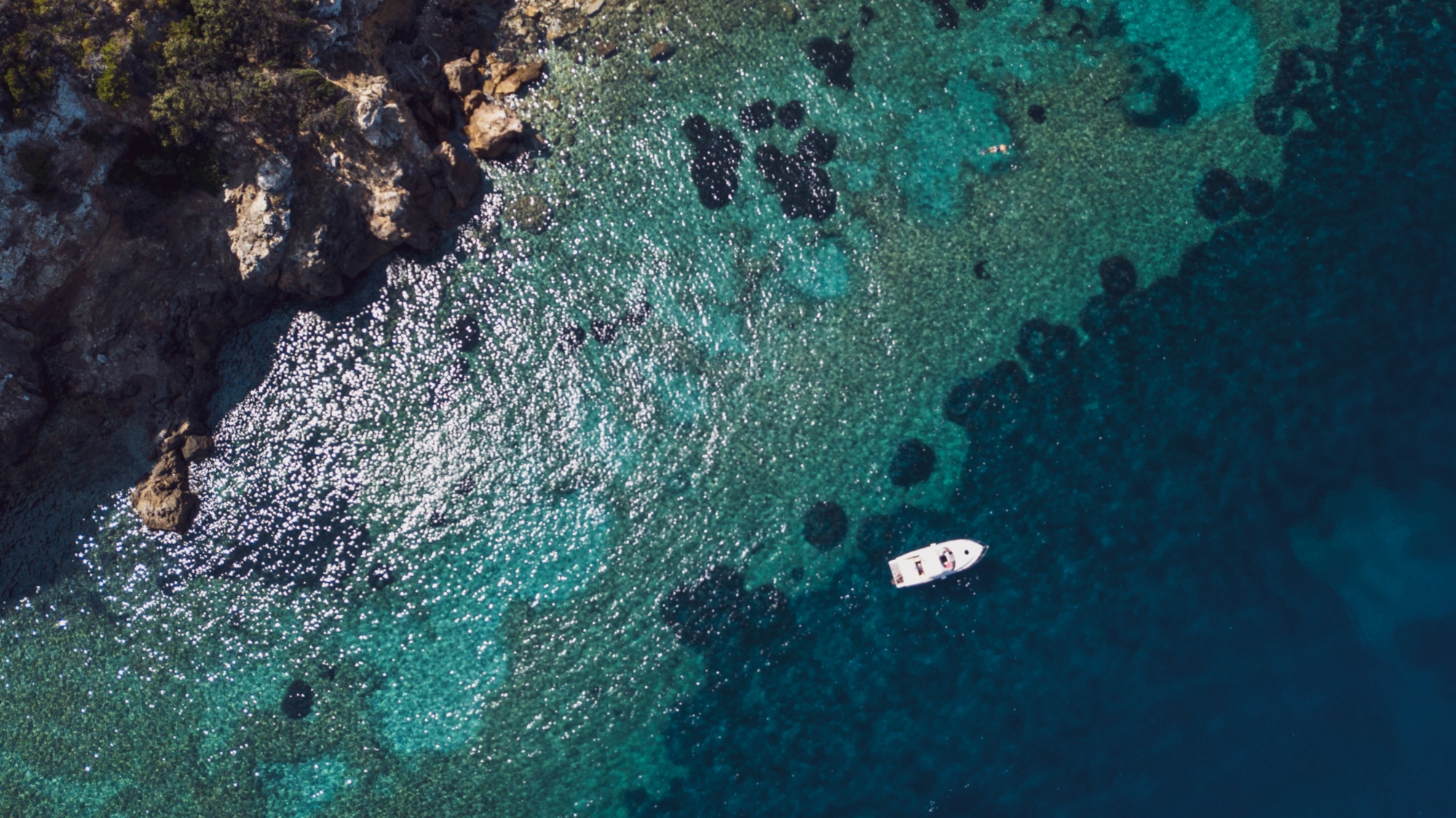
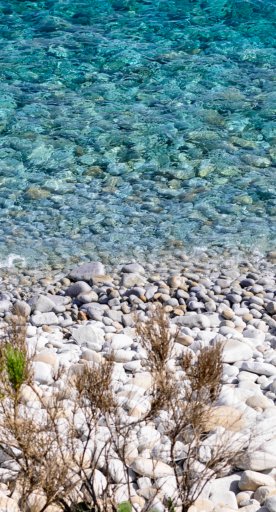
The surrounding sea is one of its most precious treasures. The clear waters and rich seabed make Giglio a popular destination for snorkelers and divers. Here you encounter prairies of pristine posidonia, red and yellow gorgonians, blue sponges and even the rare seahorse.
A fascinating marine environment, which renders this destination particularly beloved by those seeking an intense and bright seaside in Tuscany.
Giglio has been inhabited since prehistoric times, as evidenced by certain findings dating back to the Aeneolithic period.
In ancient years, it was frequented by Etruscans and Romans and, because of its location, played an important role in the maritime trade of the Tyrrhenian Sea. Over time, it came under the control of various families and powers, from the Aldobrandeschi and Orsini to Pisa and the Grand Duchy of Tuscany.
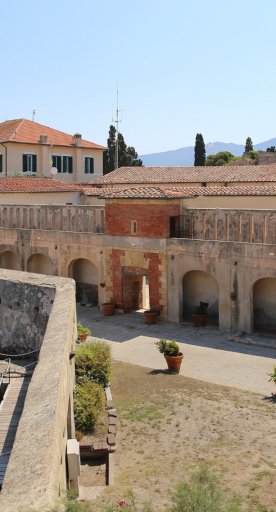
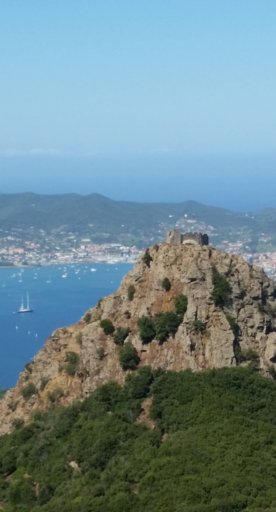
For extensive periods, it was exposed to attacks by pirates and because of this, the territory was marked by the construction of towers and defensive garrisons.
In 1783, with the reform ordered by Pierre Leopold of Lorraine, the Municipality of Giglio Island was officially established, marking an important passage in its history.
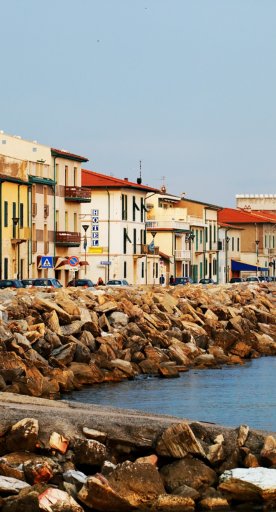
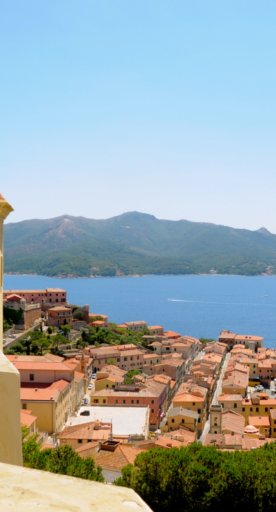
The 3 main centers of the island are Giglio Porto, Giglio Castello and Campese, each with a clearly distinguished character.
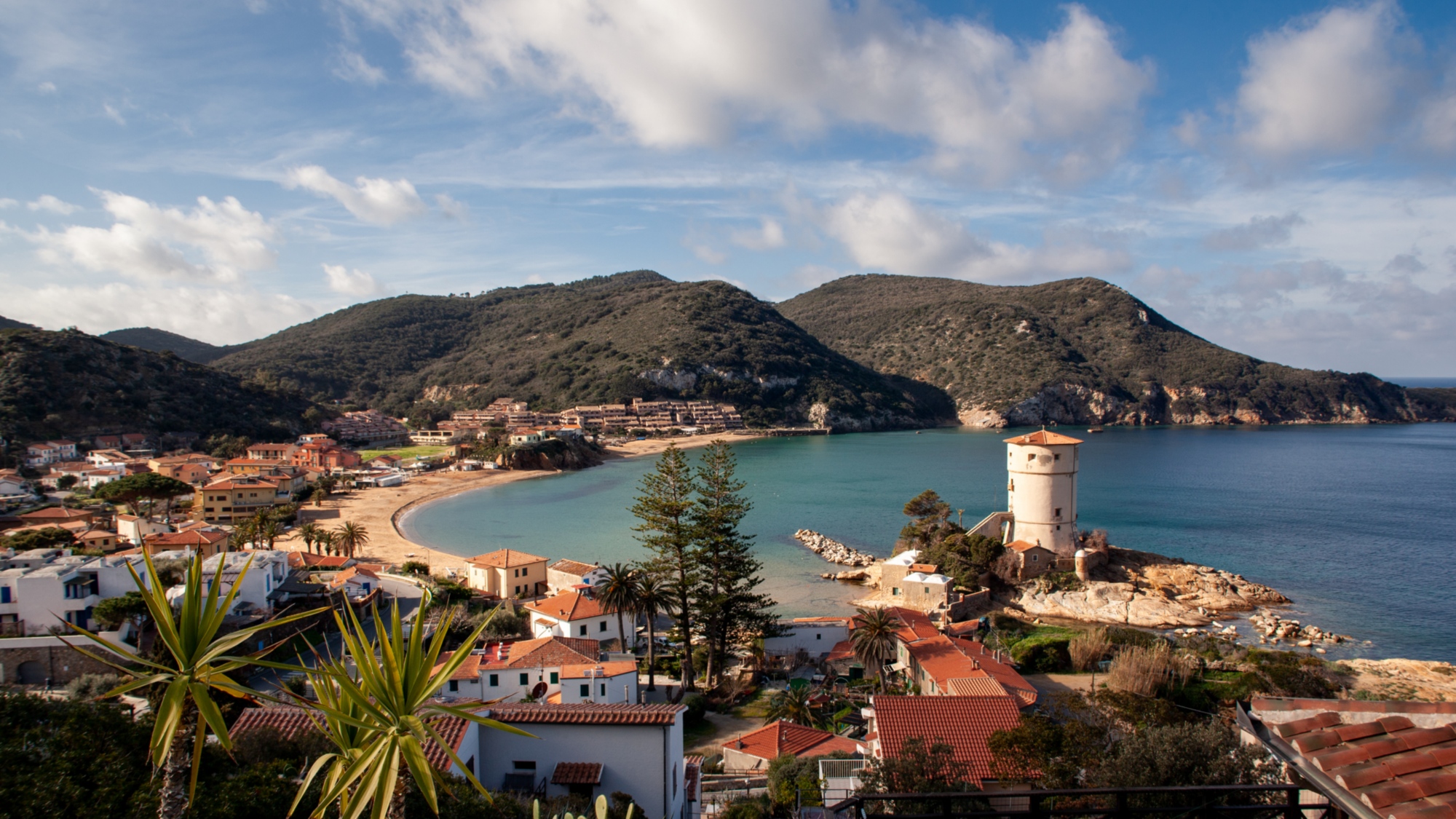
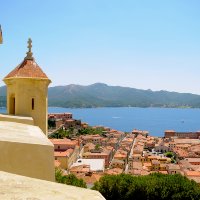
Giglio Porto is the 1ˢᵗ encounter with the island: a cute little port that arose around an inlet and is now surrounded by terraces and vineyards. Also located here is the Saraceno Tower, built in 1596 at the behest of Ferdinand I of Tuscany to encourage the return of fishing families who had fled because of pirate raids.
A little further on, at the Caletta del Saraceno, the walls of the cetaria (an ancient Roman basin) for breeding moray eels and part of the Roman villa of the Domizi Enobarbi clan, dating from the 1ˢᵗ–2ⁿᵈ century AD, stand out at the water’s edge.
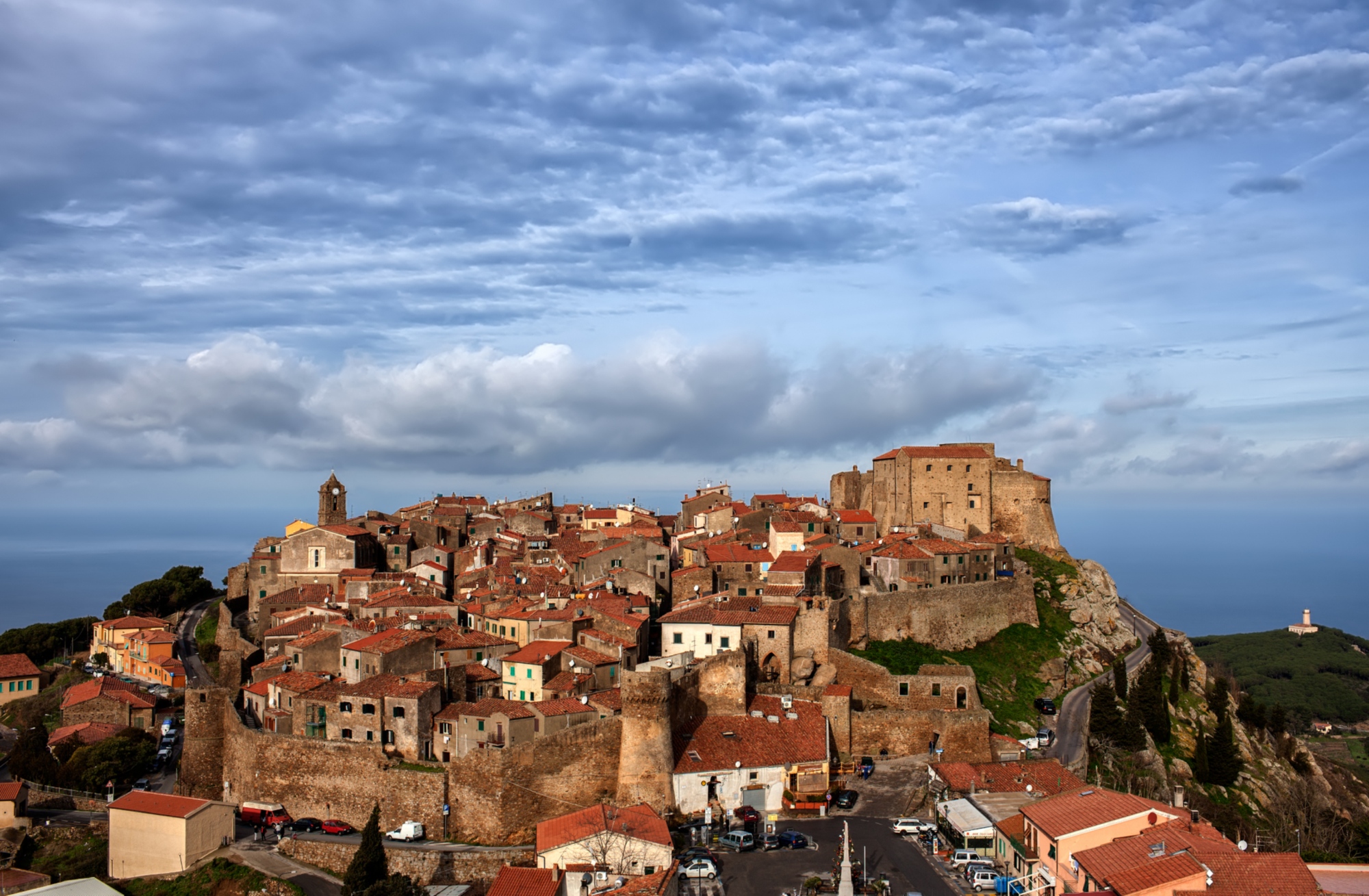
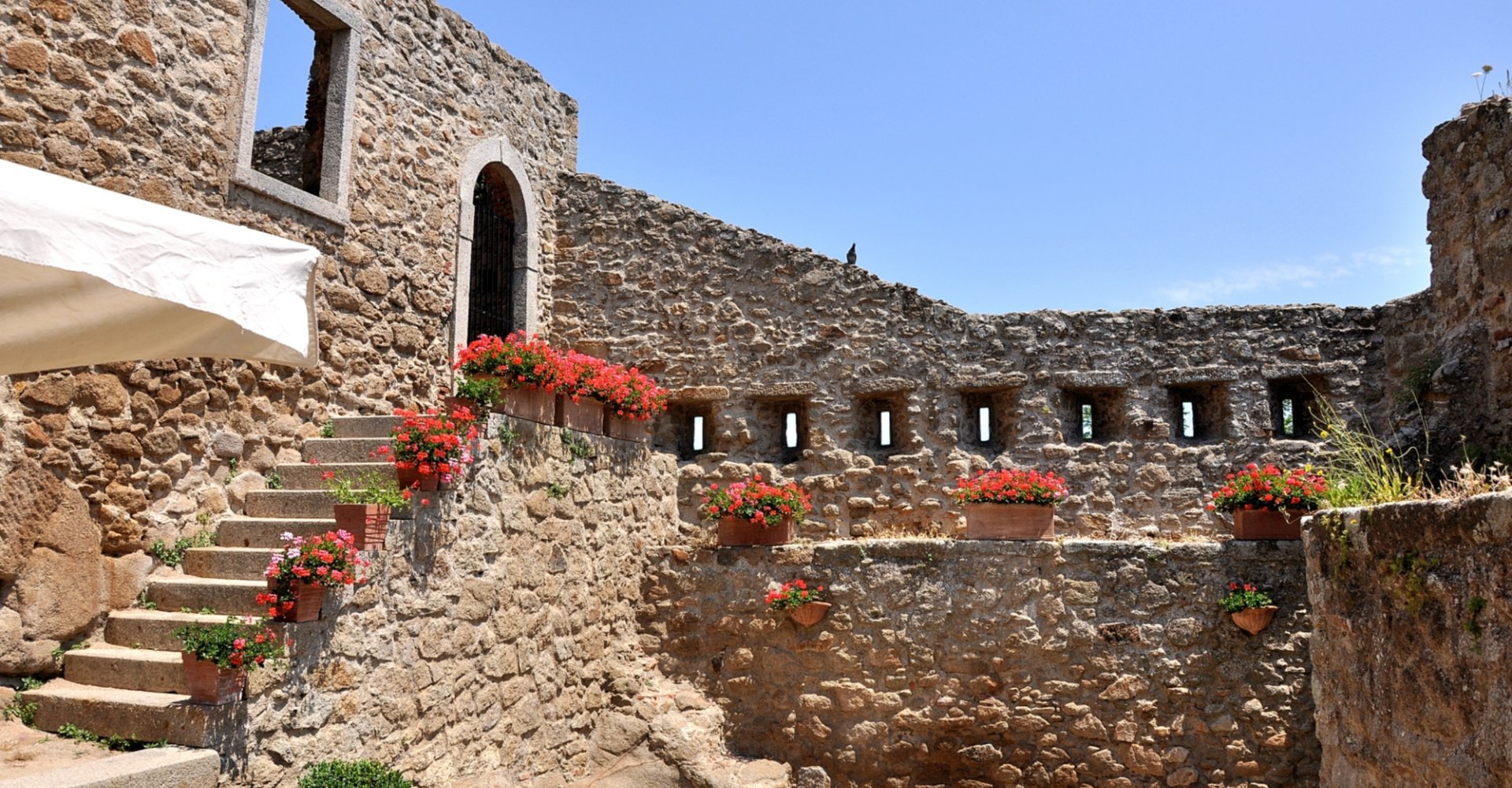
Higher up is Giglio Castello, a fortified village enclosed by high medieval walls and towers, among the island’s most picturesque places.
Also located here is the San Pietro Apostolo Church, which houses valuable works and objects, including reliquaries, statues, sacred furnishings, and a 16ᵗʰ-century ivory crucifix attributed to Giambologna.
Finally opening up on the west coast is Campese, overlooking the beach of the same name and known for sunsets.
Also located here is the Medici tower of Campese, built in the late 17ᵗʰ and early 18ᵗʰ centuries to monitor the bay and defend this stretch of coastline from barbarian attacks.
Beaches are one of the souls of Giglio and offer very different environments.
With reddish-hued sand, Campese Beach is the largest on the island, being easily accessible from Giglio Porto. It is framed by the striking faraglione (rocky cliff) to the south and the Medici tower to the north, replete with all main services.
On the east coast are some of the most popular beaches. The Cannelle Beach, south of Giglio Porto, faces toward Argentario, with clear, grainy sand and easy access.
Smaller in size is the Arenella Beach, north of the harbor, with gold-flecked sand.
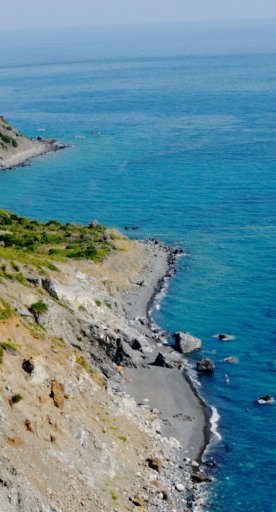
The smallest is Caldane, which can be reached via a not-too-demanding path or by boat along a particularly scenic stretch of coastline.
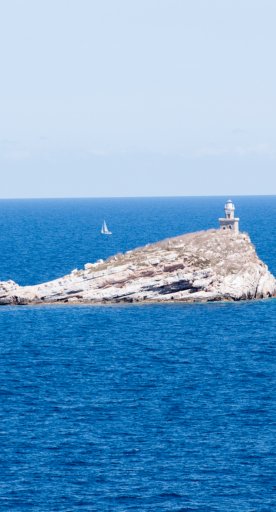
For those who love the sea, the island is great for multi-day stays, to be concluded with a boat tour to discover the less accessible coves.
Giglio is an island to be experienced in different ways. In addition to swimming and boating, it is a popular destination for diving and snorkeling, thanks to the transparency of the sea and the richness of the seabed.
At the same time, the island is great for walks among the villages, along trails in the terraced landscape and with opportunities to discover a history comprised of landings, coastal fortifications, shipwrecks, crops and archaeological traces.
It is a destination that is great both for a vacation devoted entirely to the sea and for a more varied stay among nature, small towns and local flavors.
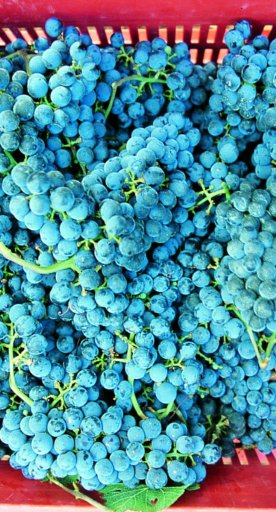
On the island, Mediterranean scrub alternates with ancient terraces planted with olive groves and vineyards, from which the prized Ansonica white wine, deeply linked to the territory, is also produced.
Dishes to try include rabbit cacciatore and olives in pesto, seasoned with olive oil, garlic, salt, fennel seeds, chili pepper and orange zest.
Among the desserts, the most characteristic is the Panficato, made with figs and walnuts.
Island life is also punctuated by festivals dedicated to patron saints which, between summer and early fall, enliven the towns with celebrations, parades, festivals and fireworks: San Lorenzo in Giglio Castello on August 10, San Rocco in Giglio Porto on August 16 and San Mamiliano in Campese on September 15.
Giglio Island can be reached from Porto Santo Stefano on Argentario, with daily connections to Giglio Porto.
Ferries take a little over an hour and are the easiest way to get there and set off exploring the beaches, villages and landscapes.
A destination to be experienced at a calm pace, alternating days spent by the water, sightseeing, tasting and walking amid the Tuscan Archipelago landscapes.