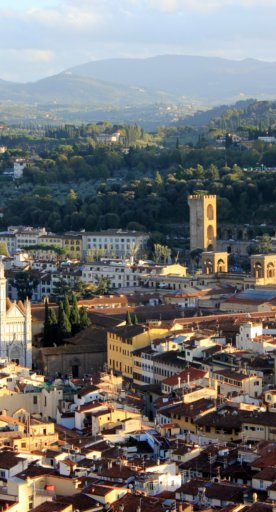
There are trees that add character to the landscape and tell us about its identity. Simply take a walk in the countryside, starting from the hills around Florence, and gradually venture further into the territory to see them: they are the olive trees. Neatly placed, with beautiful silvery leaves, they are laden with fruit in the fall.
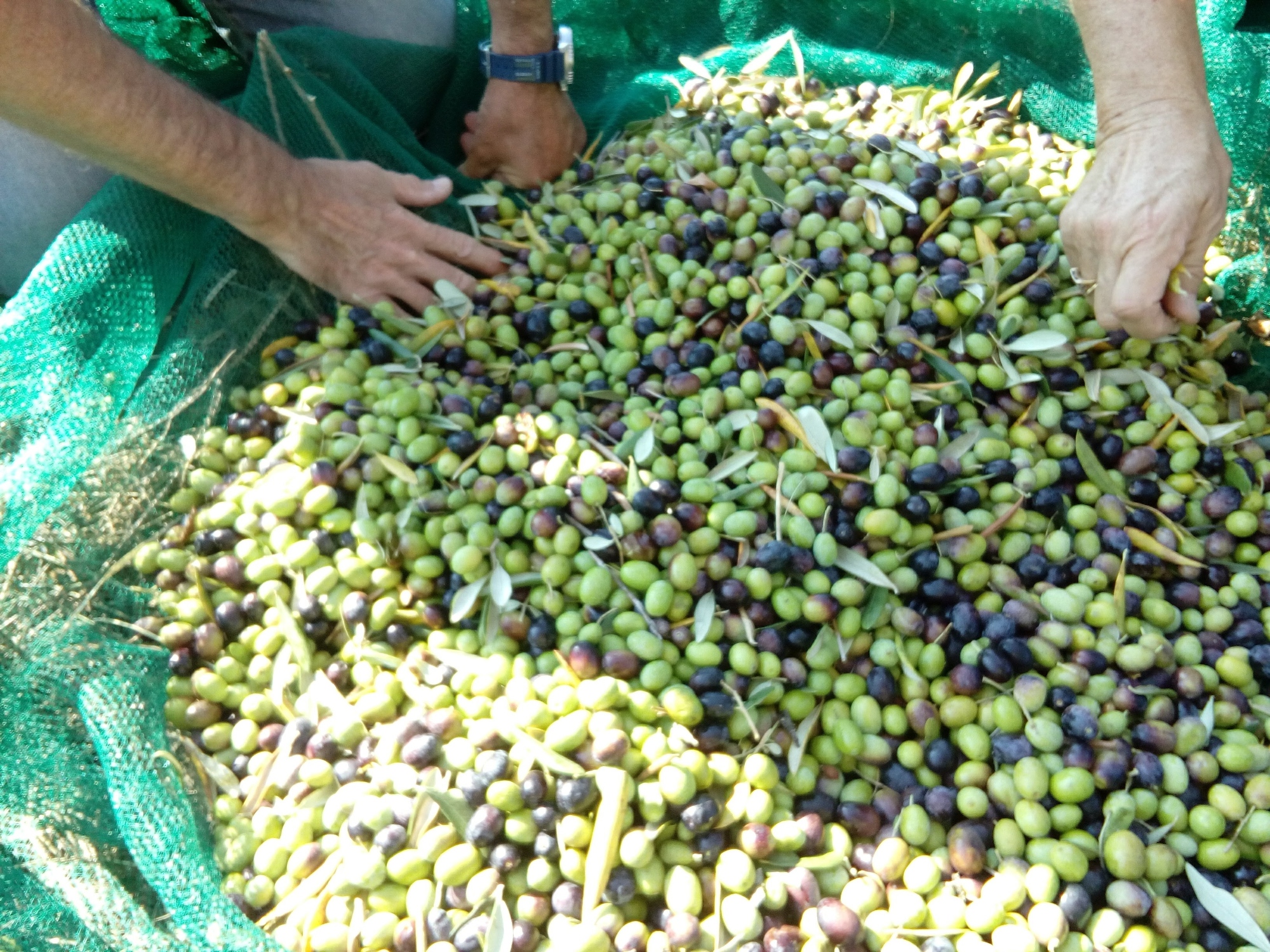
Between late October and early November, the olives are ready to be picked and taken to the mills, where they yield their precious juice - extra virgin olive oil. Without olive oil, there would be no Mediterranean culture and this is a well-known fact in the Florentine Area. With four olive cultivars, which thrive in Tuscany and offer a variety of nuances, namely Leccino, Moraiolo, Frantoio and Pendolino, olive oil is the foundational element of our culinary tradition.
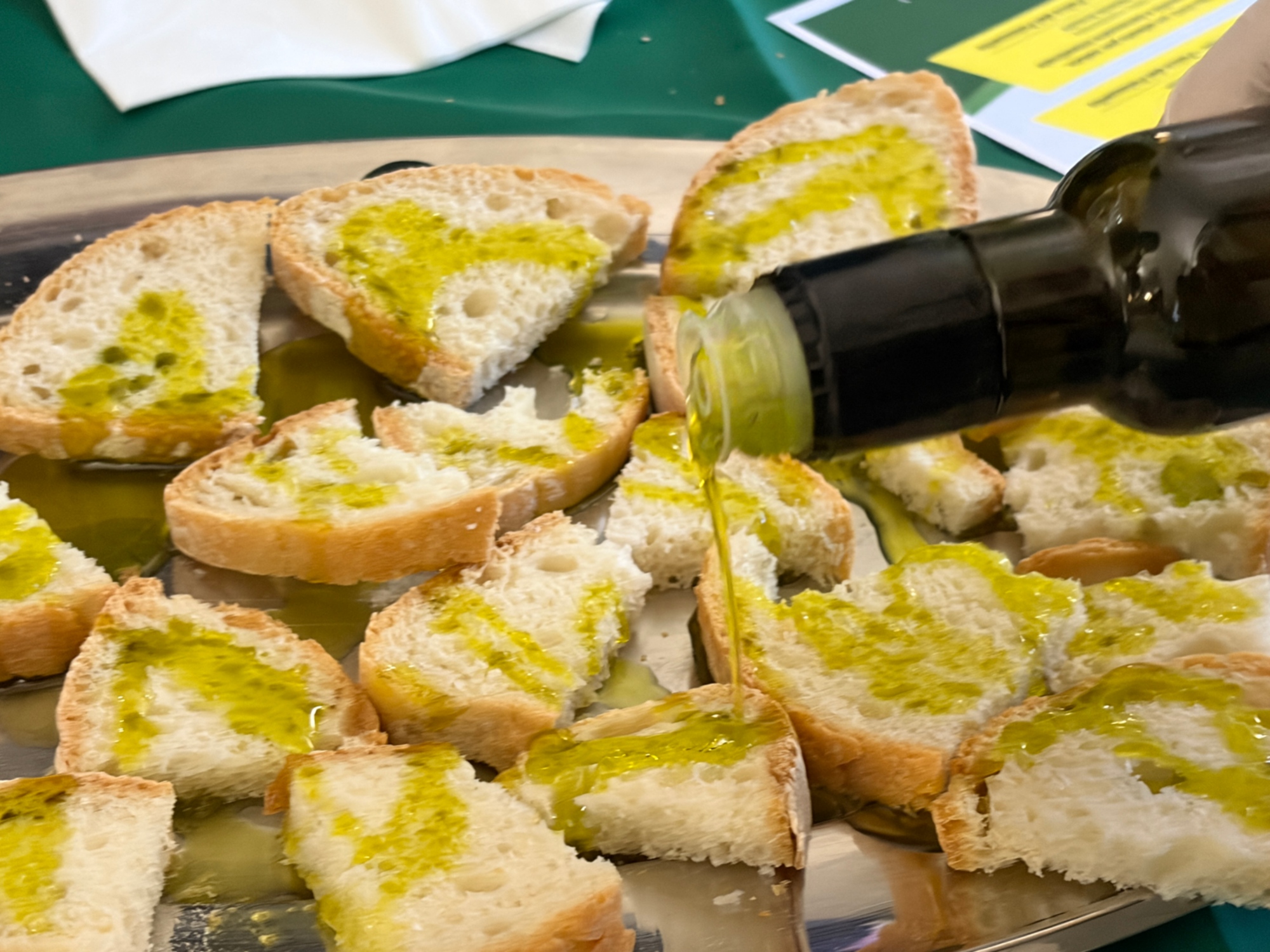
New olive oil from the Florentine Area features a bright green color (which turns yellow over time), an intense, fresh aroma and a slightly bitter and spicy flavor, typical of young oil.
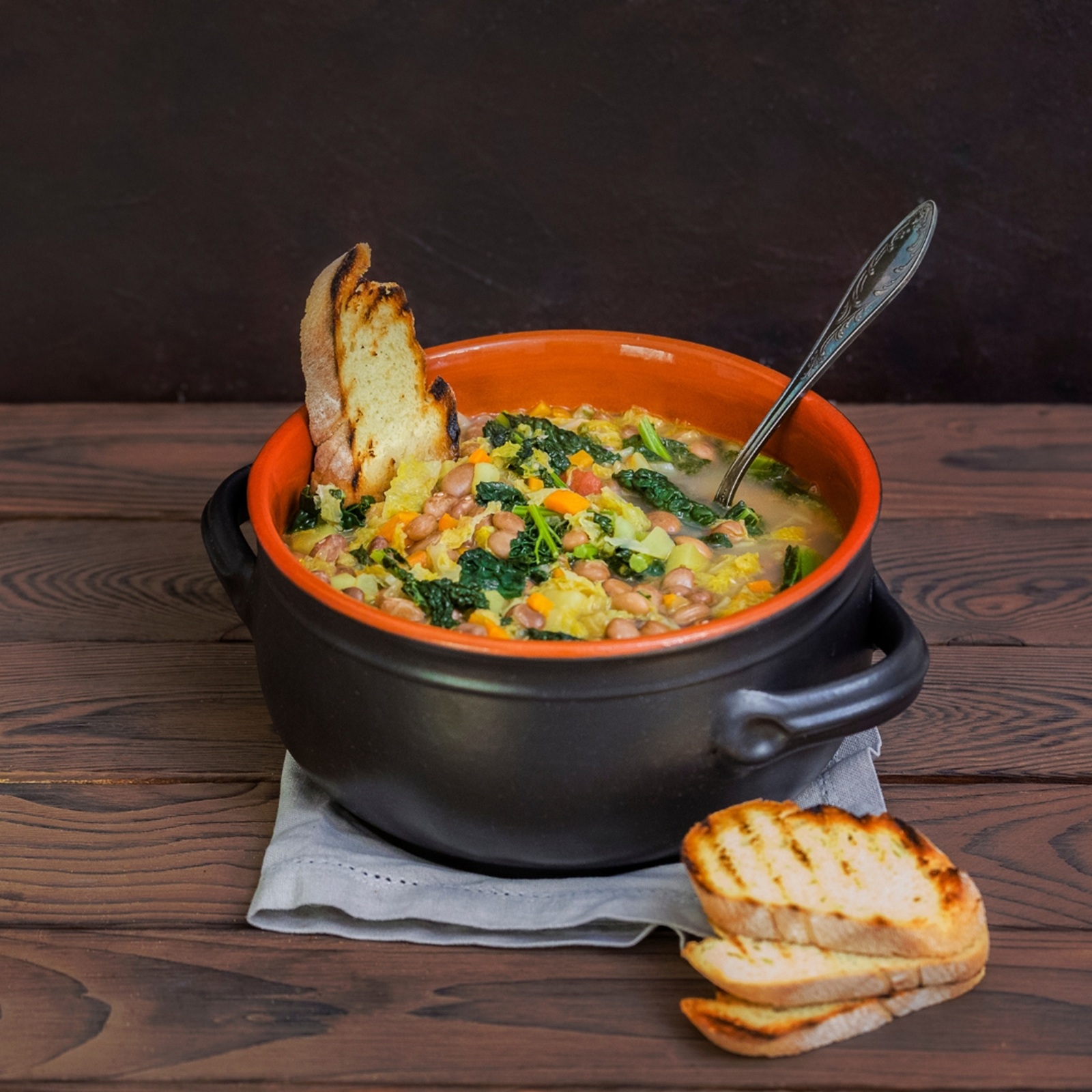
The best way to appreciate these characteristics is to eat it raw, on a slice of Tuscan bread - possibly toasted on an open fire. There is never a lack of raw olive oil at the table, to use as a finishing touch on toasted bread and vegetables or beans, on soups like ribollita or pappa al pomodoro, for seasoning raw or cooked vegetables and legumes and as the base for a variety of tasty preserves, from artichokes to zucchini and eggplants in oil. Olive oil is also a key ingredient in our schiacciata - a flat, crispy bread that’s perfect to enjoy with cured meats and cheeses.
Having olive trees and being able to make your own olive oil is a privilege. As early as the end of summer, you hear people talking about the upcoming harvest - whether the olives will be healthy or damaged by the “fly” and how fleshy they will be. The harvest is a time of celebration, an occasion that brings families together and gets everyone involved and eager to lend a hand in exchange for few bottles of what is aptly known as green gold.
Harvesting olives is hard work; you spend hours outdoors, often in the first cold weather of the season, and you have to work quickly. In fact, the oil mills have a packed schedule of bookings to keep to and they work day and night.
Almost all of the municipalities around Florence produce extra virgin olive oil. In fact, there are three organic districts in the area, with farms committed to respecting organic farming: these are the districts of Calenzano, Fiesole and the Florentine Area (with the municipalities of Florence, Scandicci, Lastra a Signa and Signa).
Several agriturismi (farm stays) offer their guests the chance to pick olives; and if you can’t do that yourself but happen to be here during this time of year, olive oil festivals are a great alternative. Many are organized in the Florentine Area on set dates. An opportunity not to be missed if you want to taste the new olive oil, buy some and take a little piece of the Florentine land home with you.
For years, Reggello olive oil has been celebrated during a weekend in late October at an event called ReOlio. Calenzano also has a long tradition with the important Extra Virgin Olive Oil Fair, which lasts a weekend. The municipalities in the Valdisieve area celebrate their olive oil with Si.Evo, a three-day event in the municipalities of Pontassieve, Pelago and Rufina.
There is also a longstanding festival in Bagno a Ripoli, named PrimOlio, which takes place in mid-November.
Florence also hosts an event dedicated to olive oil, which takes center stage alongside other local products and flavors: Gusto Toscano, organized by Artex at the Conventino.