Siena is not just the city of the Palio, streets of pietra serena and medieval towers. It is also a city rich in green oases, historic villas and secret gardens, perfect for an outdoor stroll, a moment of relaxation or an immersion in the scents and colors of nature. Following a kind of “floral road,” it is possible to discover unexpected places, including city parks, botanical gardens and villas surrounded by majestic gardens.
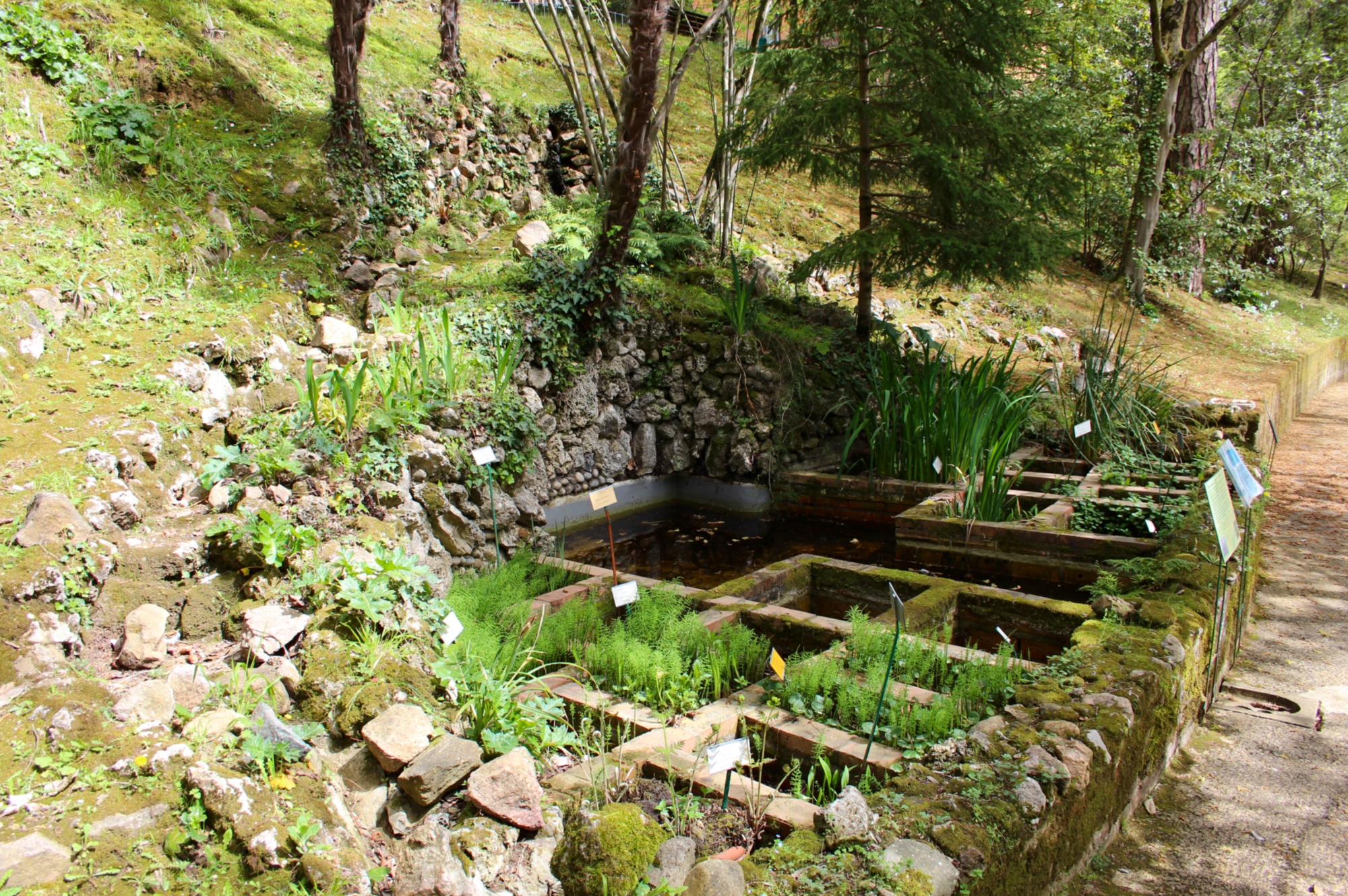
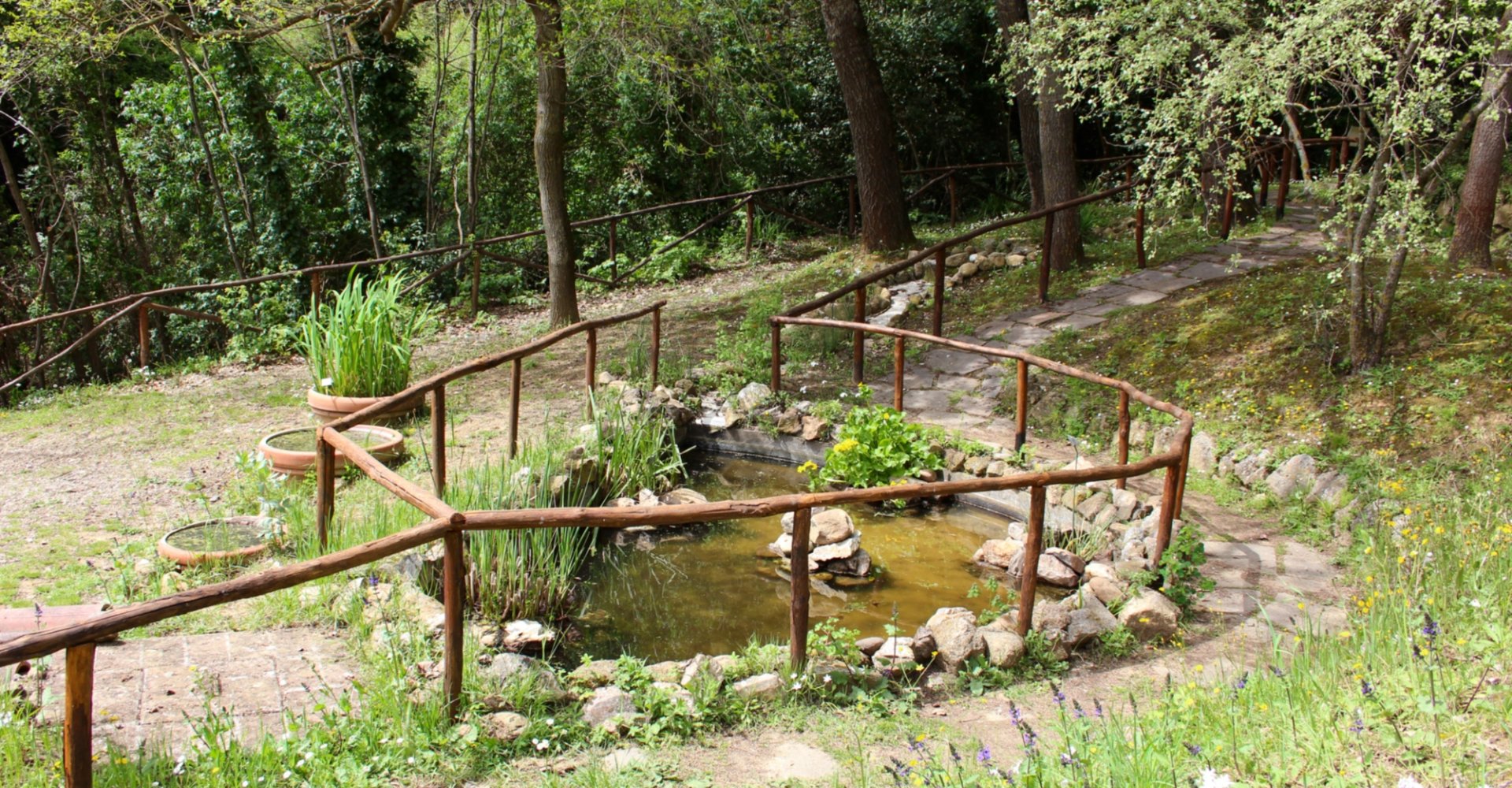
Located near Porta Tufi (a portal in the medieval Walls), the Botanical Garden is one of the city’s most important green valleys. Founded in 1856, it covers about 6.2 acres or 2.5 hectares, still retaining many traces of its original function as a “Garden of Simples” dedicated to medicinal plants. Here are more than 2,000 plant species, including Ginkgo biloba, giant sequoias, fir trees, junipers and rare tropical plants that can be seen in the warm greenhouses, tepidarium and limonaia (lemon house). The garden replicates various natural environments, from coastal to mountainous, through aquatic and rocky areas, with the aim of promoting biodiversity and environmental education.
In the heart of the historic center, near the Church of Sant’Agostino, are the Orti de’ Tolomei (Tolomei Gardens), together a small green jewel hidden within the city walls. This park, with olive and fruit trees, offers a natural terrace from which to enjoy spectacular views of the city. Among the trees is Tony Cragg’s contemporary sculpture “The Drop,” a symbol of the Contrada della Tartuca, which uses the park’s spaces for cultural events, concerts and outdoor performances.
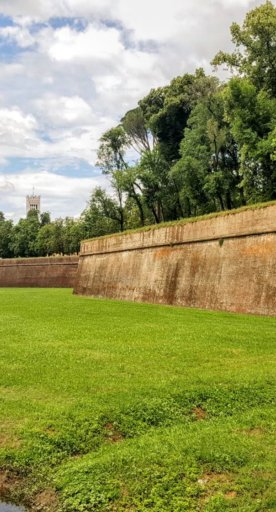
The Medici Fortress (also known as the Fortezza or Forte di Santa Barbara) is a perfect example of how history and nature can coexist. Built in the 16ᵗʰ century at the behest of Charles V and later rebuilt by Cosimo I dei Medici, today it is a place for relaxation and sports. The avenues that line the walls are frequented by Sienese locals and tourists for jogging and outdoor workouts, while the vast amphitheater hosts cultural and musical events. The gardens below complete the experience, transforming the fortress into a green citadel in the heart of the city.
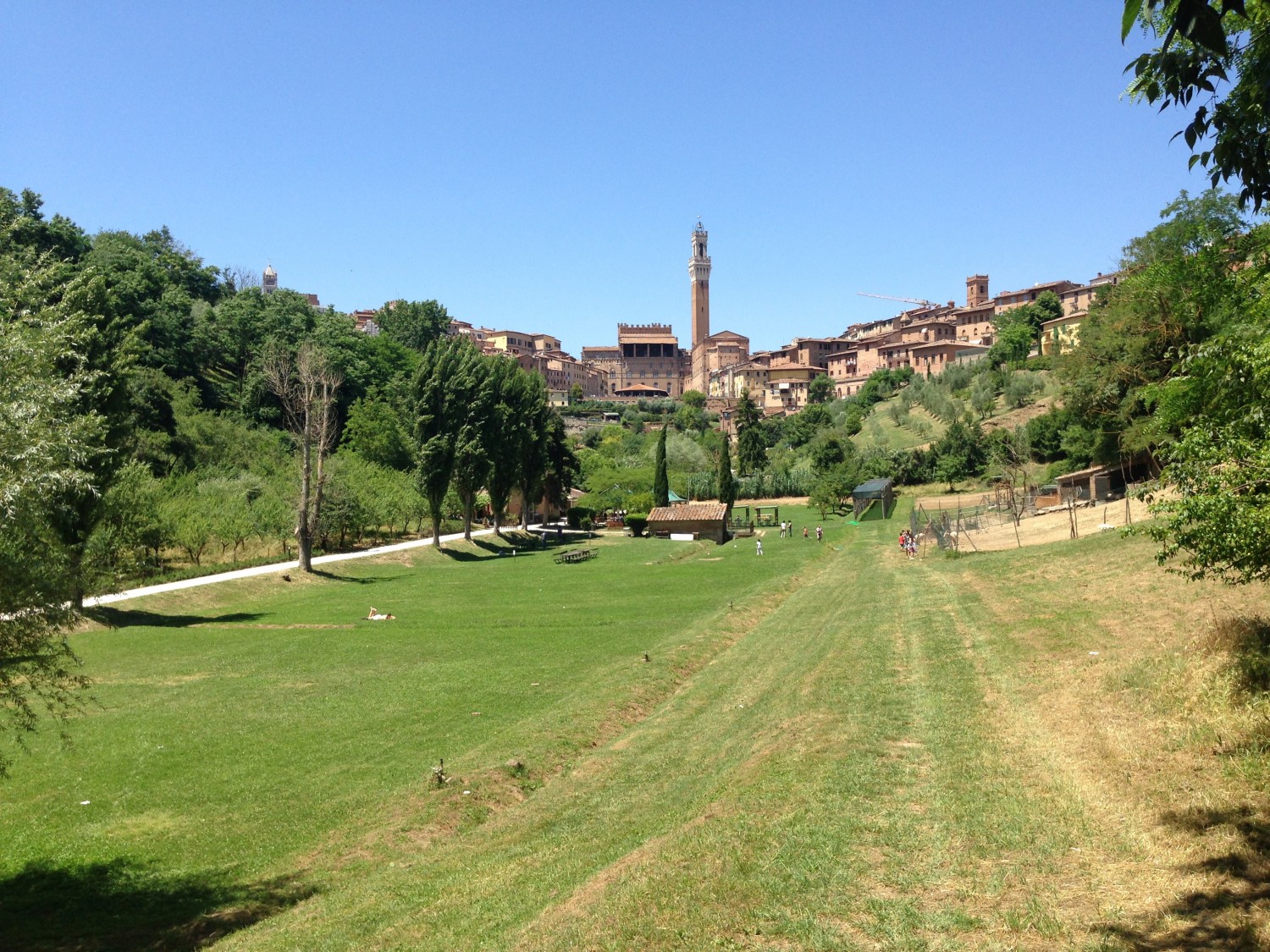
The Orto dei Pecci (Pecci Garden), located in the Valle di Porta Giustizia, is a true green lung just a short stroll from Piazza del Campo. Established in the Middle Ages as farmland and transformed into public gardens over the centuries, it is now managed by the social cooperative “La Proposta,” which also cares for and enhances this space in the interest of social inclusion. Here you can admire organic vegetables, spend time in the children’s play areas and enjoy relaxing moments surrounded by nature, with the history and legends of the city as a backdrop.
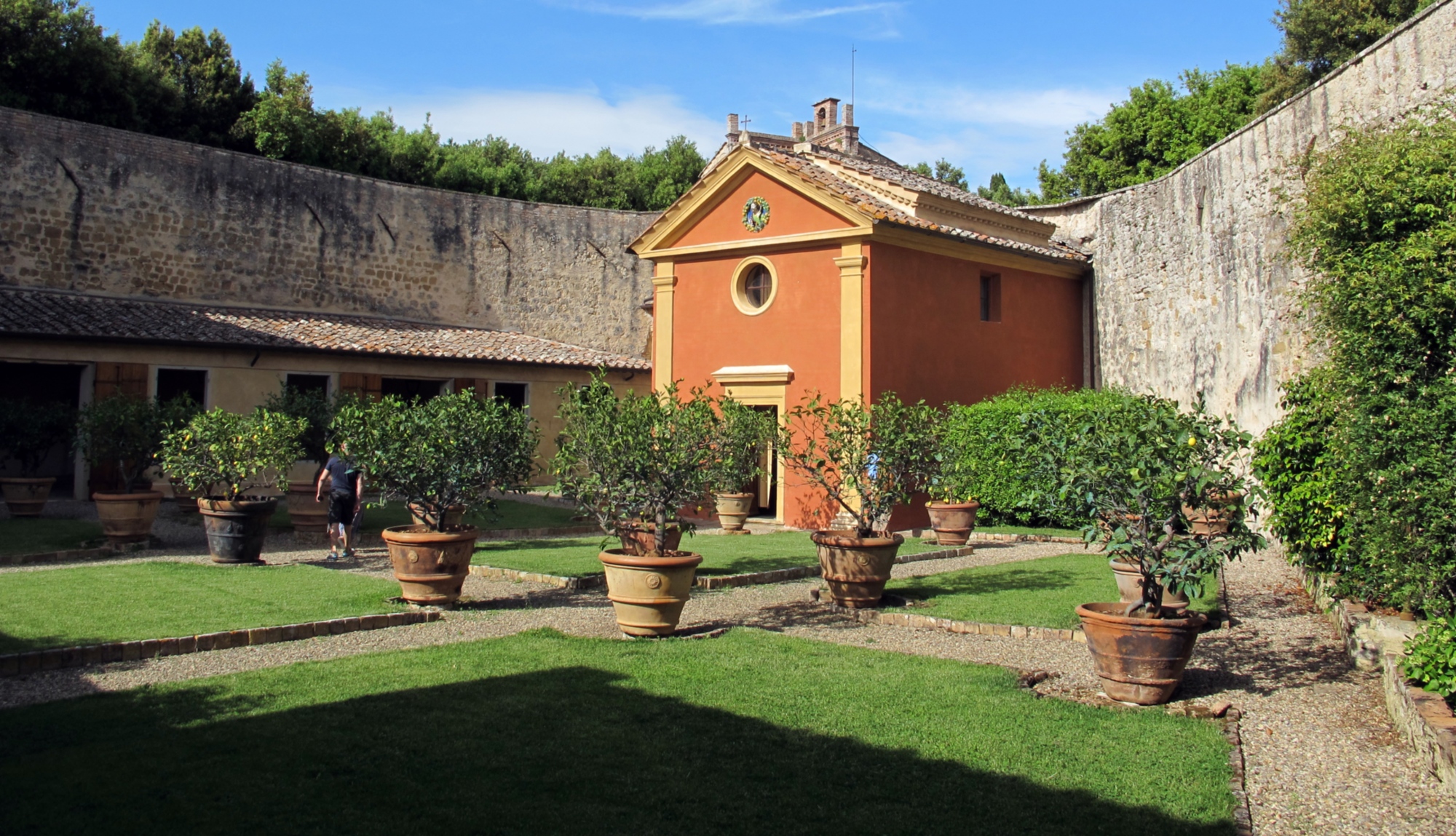
A medieval village that later became a country villa, Belcaro Castle still maintains the appearance of an ancient manor house surrounded by greenery. An avenue of ancient oaks such as holm oaks, downy oaks and quercus cerris leads to the castle through an extensive park of native and exotic annual trees, including black and Arizona cypresses, cedars and firs. Inside the walls, rather, is a “secret garden,” with geometric flowerbeds bordered by box hedges and a collection of potted lemons.
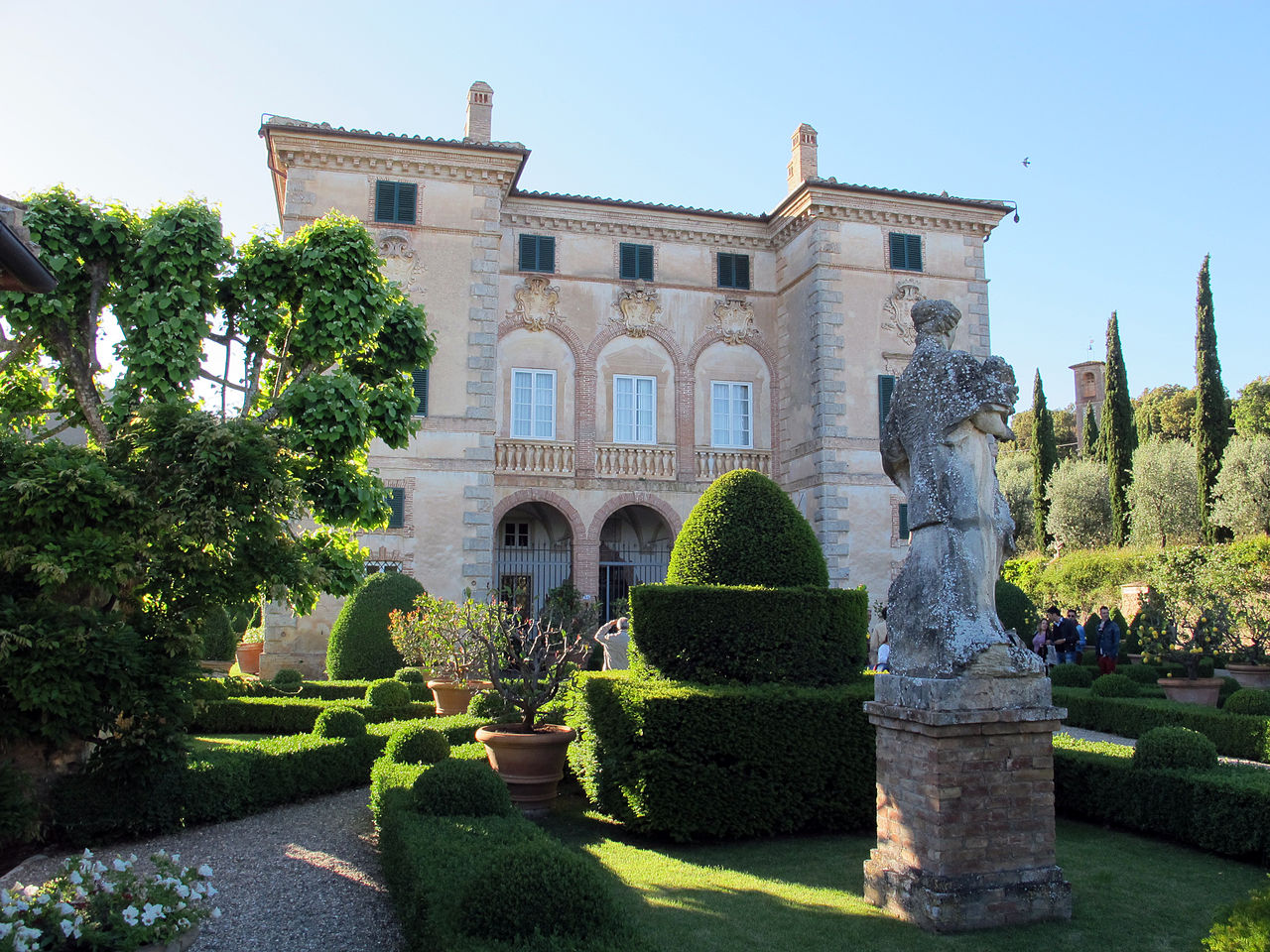
In the countryside surrounding Siena are numerous historic villas circled by charming gardens. Villa di Vicobello, with its 16ᵗʰ-century garden attributed to Baldassarre Peruzzi, offers visitors geometric terracing, a lemon grove and flower beds. The garden can generally be visited by appointment, allowing visitors to quietly appreciate the ornamental spaces.
Belcaro Castle, a medieval hamlet converted into a country villa, contains a park of oak, cypress and cedar trees and a “secret garden” with potted lemon trees and geometric flower beds. Access is possible through guided tours or events organized by the property.
In Sovicille, the Villa di Cetinale designed by Carlo Fontana is set in an 18ᵗʰ-century park with symbolic meanings, formal gardens, cypress avenues and the Tebaide, a wood designed for meditation. This complex is open to visitors by appointment, often for cultural events or guided tours.
Also in Sovicille, the Celsa Castle represents a splendid neo-Gothic residence with large terraces, geometric flowerbeds and terracotta vases, set in context of a a unique landscape. Here, too, enjoyment of the garden is mainly by reservation or as part of guided tours.
Siena and its territory thus demonstrate that in addition to the charm of its squares and monuments, the city also holds an extraordinary green heritage. Historic villas, botanical gardens and urban parks allow people to experience the city from a different point of view, where nature, history and culture intertwine, forging a path of discovery amid fragrances, colors and timeless beauty.