Go to main content
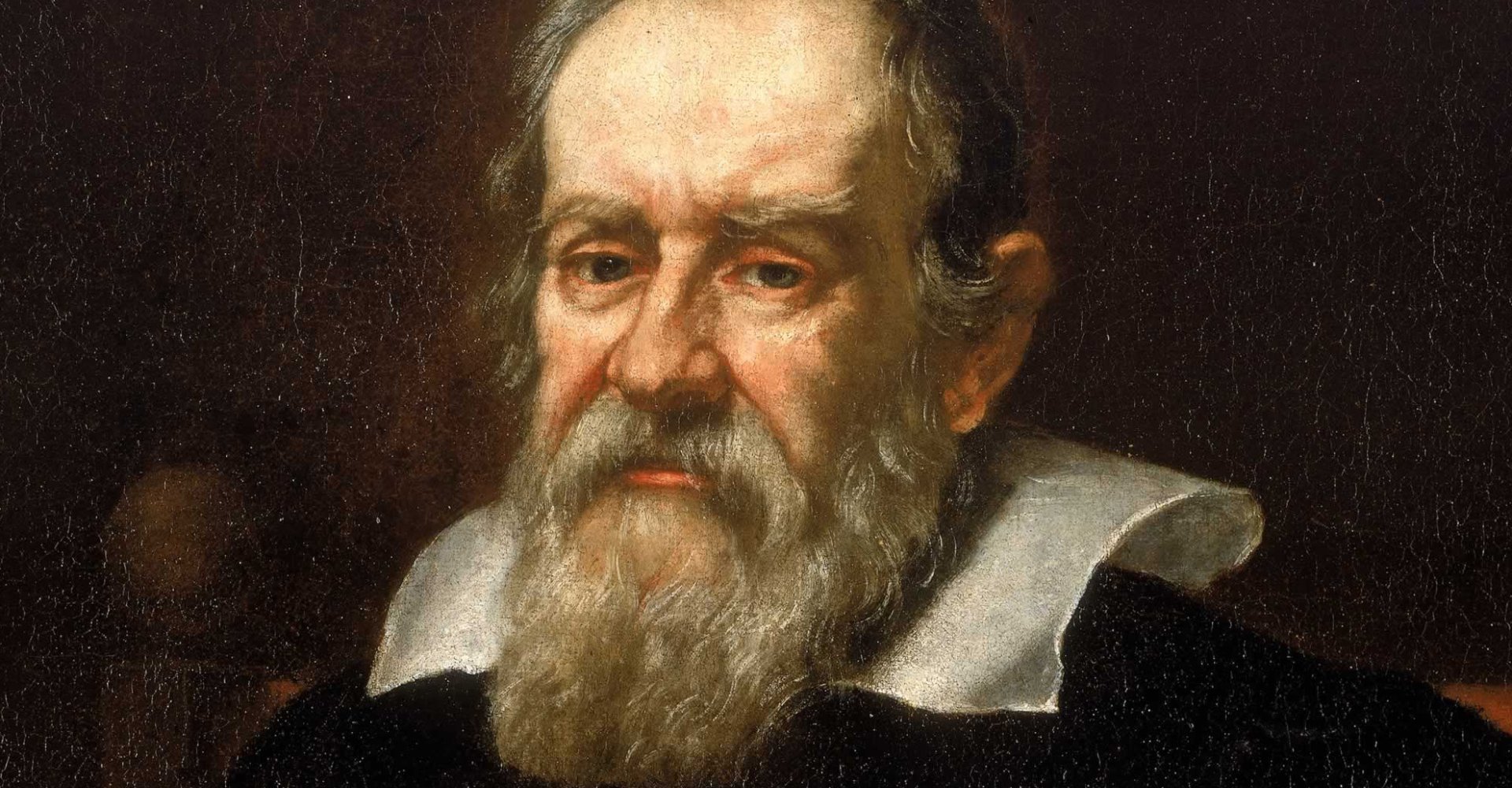
Portrait of Galileo

On the trail of Galileo in Tuscany

From his birth in Pisa to his final years in Arcetri, a journey between science and freedom of thought

Following in the footsteps of Galileo Galilei means traipsing through cities, neighborhoods and landscapes that influenced the thinking of this great figure and accompanied the birth of modern science
Not just an expedition to historical places but a journey into curiosity, observation and talent
Contents
  • 1.
    Pisa
  • 2.
    Lastra a Signa
  • 3.
    Florence

Pisa

Image of Kobra’s mural depicting Galileo using the Tower of Pisa as a telescope
Mural by Kobra - Credit: Carlo Cafferini

The itinerary begins in the heart of the historic center of Pisa, where Galileo Galilei was born in 1564. Even today you can piece together his life through the alleys, squares and iconic places related to his studies and observations.

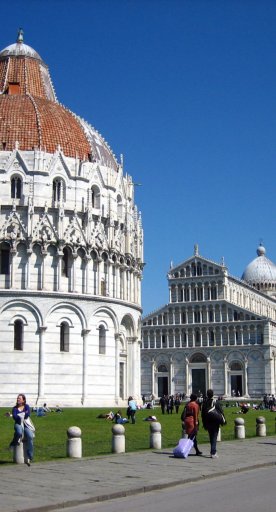
Your glance must surely rest first on Piazza dei Miracoli, one of the most famous settings in the world. Between the Cathedral, Baptistery and Leaning Tower, legend has it that Galileo observed the oscillation of the Cathedral’s large chandelier, intuiting the principle of the pendulum. To walk through this space is to step into a place where art, mathematics and wonder intertwine, to experience the same awe that fueled his scientific curiosity.

From the center, you reach Borgo Stretto, one of the city’s most characteristic streets, now bustling with workshops and stores. Here, at the corner of Via Mercanti, a plaque commemorates the family home where Galileo himself was born.

The walk continues to Piazza delle Vettovaglie, a lively place even in Galileo’s days, where the scientist spent time as a student. Not far away is the Palazzo della Sapienza, a historic university campus founded by Cosimo I de’ Medici, where Galileo taught mathematics
Under the portico, the entrance to the Aula Magna Storica preserves a statue dedicated to him.

Among the most impressive stops is the National Museum of the Royal Palace, the former residence of the Medici, Lorraine and Savoy clans. From atop the tower is a sweeping view of the city. It was from here that Galileo observed the sky with his instruments.

Crossing the Arno along the Solferino Bridge, we finally reach a contemporary sign of his legacy: the extraordinary mural created by street artist Kobra. The work depicts Galileo using the Tower of Pisa as a telescope, a symbol of science, exploration and connection between different worlds.
Lastra a Signa

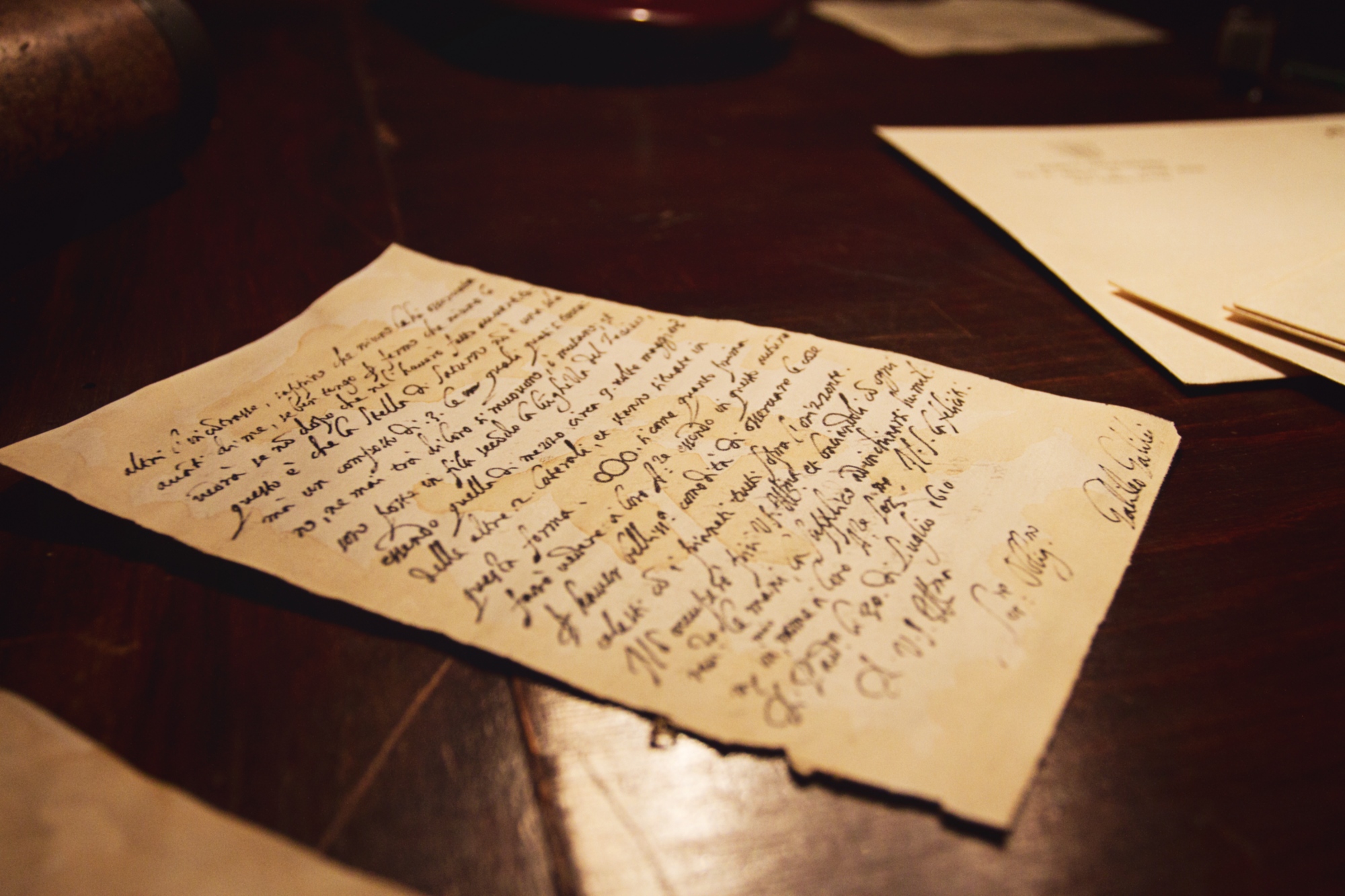
Galileo’s signature at the Domus Galilæana, Pisa
Galileo’s signature at the Domus Galilæana, Pisa - Credit: Emma Ivarsson

Among the lesser known but fascinating stops on the journey in the footsteps of Galileo in Tuscany is Villa Le Selve, in Porto di Mezzo, territory of Lastra a Signa.
Nestled in the countryside along the ancient Via Pisana, this stately home dominates the landscape from a hillock as a pillar of centuries of history linked to great families and protagonists of the Florentine Renaissance.
This mansion belonged to, among others, the Salviati family who hosted the scientist between 1610 and 1614, thanks to his friendship with Filippo Salviati
It was here that Galileo conducted astronomical observations, particularly on sunspots. To this day, the villa retains a portrait of him contemplating the sky.

Florence

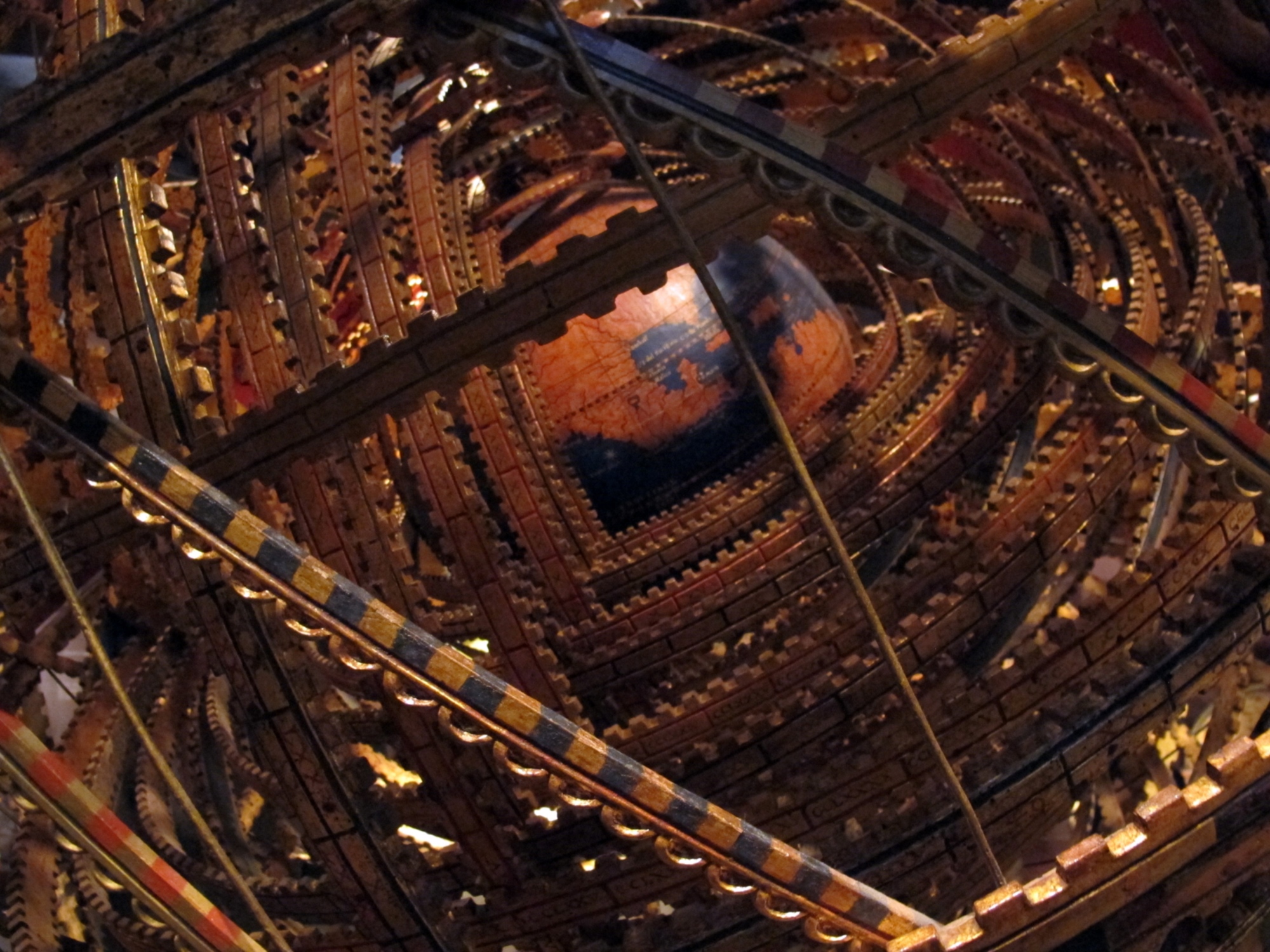
The famous Medici Armillary Sphere in Florence’s Museo Galileo
Galileo Museum in Florence - Credit: Antonio Santucci

The tour continues to Florence, the city where Galileo lived for a long time and where he matured much of his scientific thought.
It was in Florence that Galileo developed much of his thinking, finding in Tuscany’s capital an environment open to discussions between science, art and philosophy.
Today, you can visit the Galileo Museum that preserves original instruments, manuscripts and inventions related to his research.

Another significant site is the Basilica of Santa Maria Novella, where in 1614, Dominican Tommaso Caccini delivered a sermon against Galileo and the Copernican principle.

On the hills south of the city, in the Arcetri district, is Villa Il Gioiello, where Galileo spent the last years of his life following his trial. 
Here he continued to study and write, despite being almost blind, maintaining a lively dialog with scholars and students. The landscape of vineyards and olive groves still serves an intimate and contemplative dimension, linked to the more human side of the scientist.

The journey ends at the Basilica of Santa Croce, where Galileo is buried alongside some of the great protagonists of Italian culture.
His tomb sets in stone the recognition of a thinking that, initially opposed, changed the history of knowledge forever.

What’s nearby?

Must-see places, stage-by-stage routes, events and tips for your trip
Events • 6 results
Ideas • 149 results
Itineraries • 39 results
Travelogs • 4 results