Towns and villages
Montepulciano
Montepulciano
In the land of Vino Nobile, in Valdichiana, just a stone’s throw from Val d’Orcia
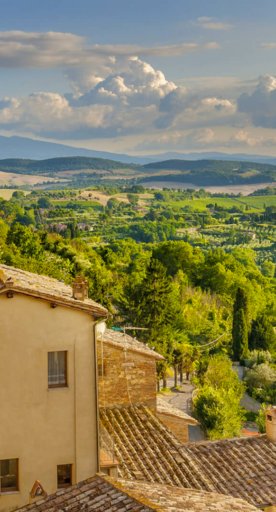
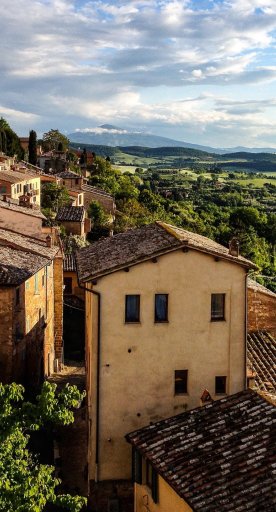
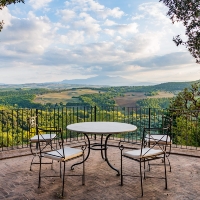
Montepulciano stands on a limestone hill, on a ridge that separates Val d’Orcia from Valdichiana. This beautiful Renaissance village, with its medieval layout, is nestled in a postcard-perfect landscape. No matter which direction you look, the view evokes the most classic and common image of the Tuscan countryside—one where rolling hills and golden fields dotted with cypress trees stretch as far as the eye can see.
With its excellent vineyards, the Montepulciano area is considered one of the best wine-producing regions in the world and is certainly one of the most popular and most-visited tourist destinations in Tuscany.
Things to see in Montepulciano
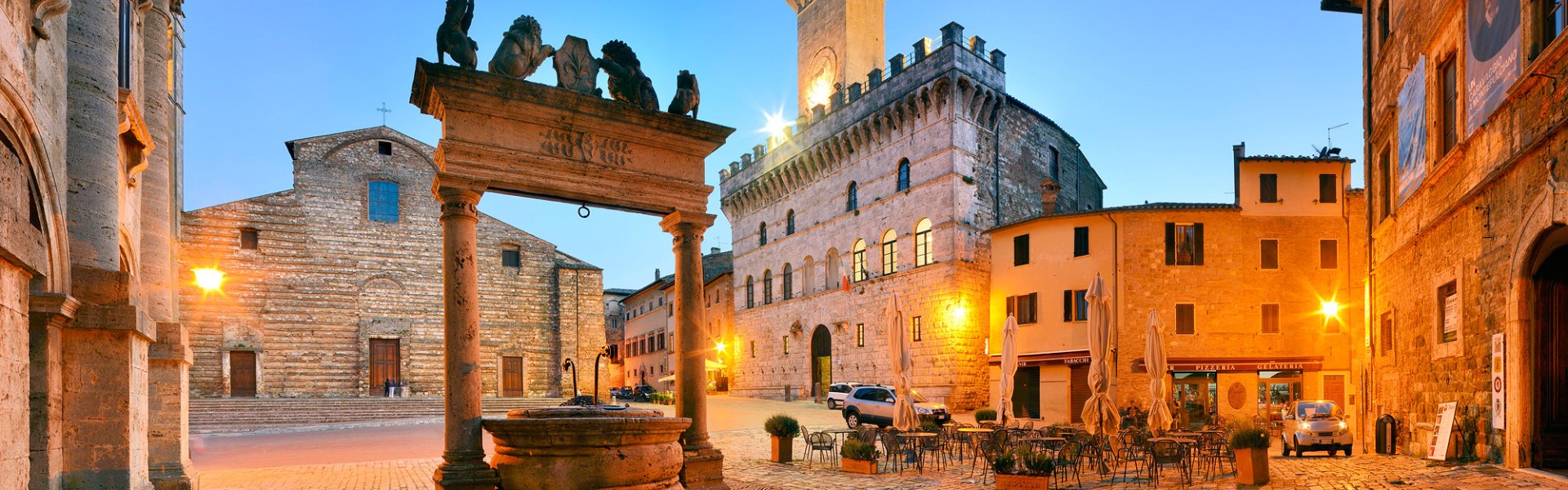
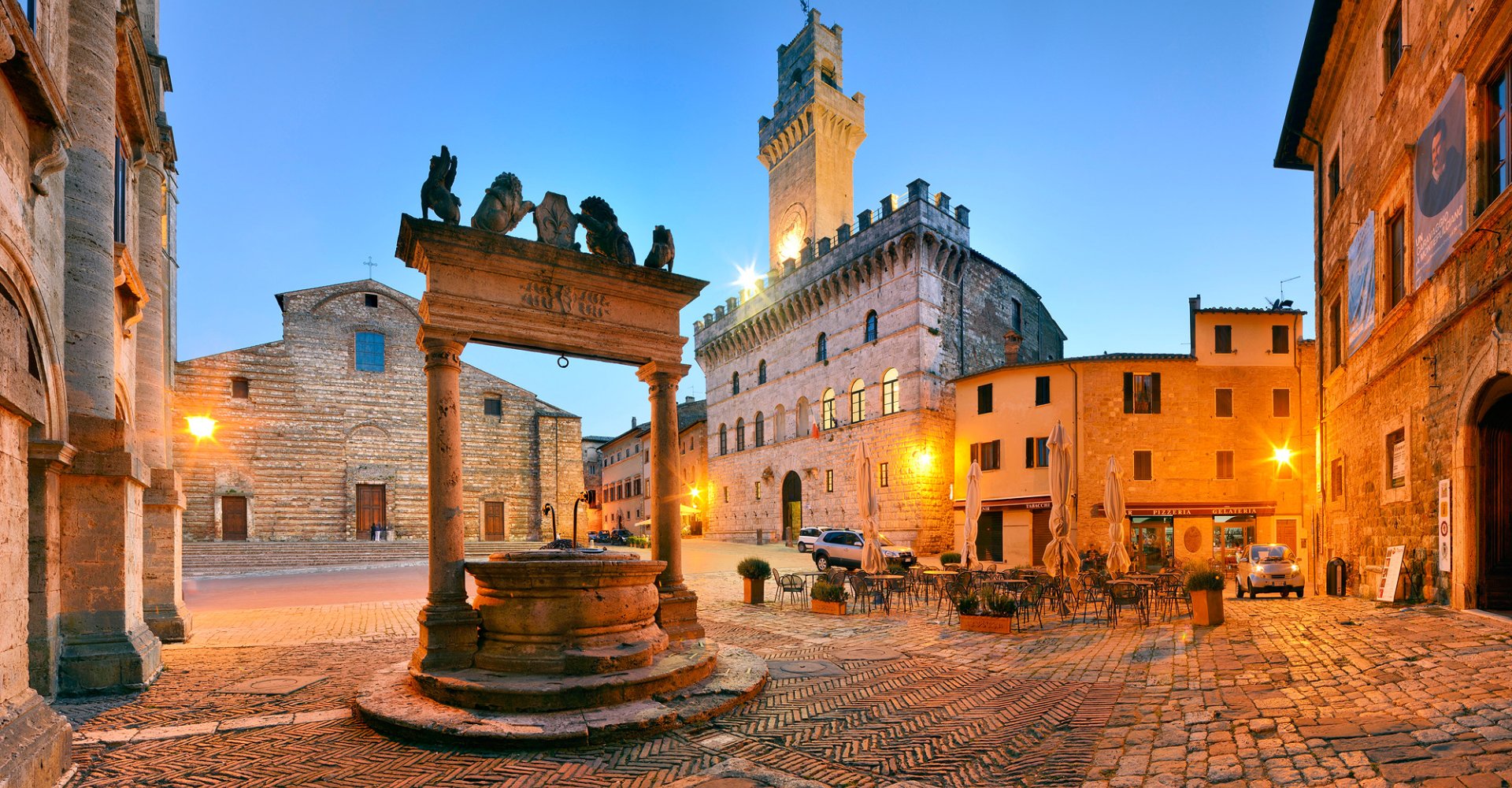
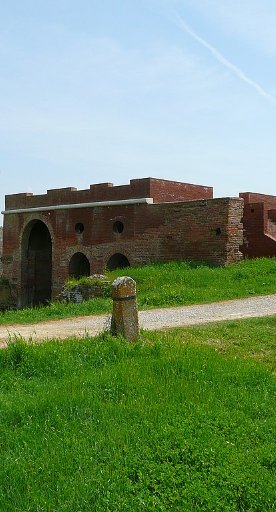
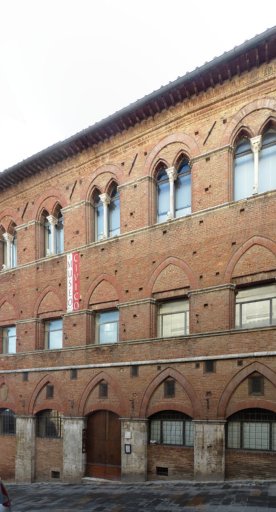
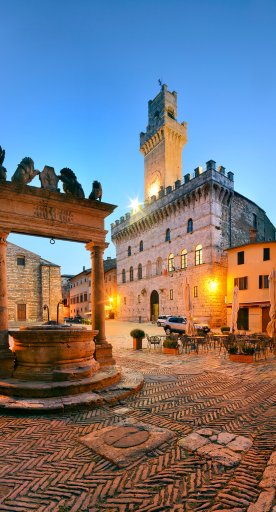
The best way to explore the elegant historic center is to walk through Porta al Prato, in the lower part of the city, then follow the street that leads to the top of the hill, where you’ll find Piazza Grande, also the epicenter of countless cultural events of international significance. Here you find a succession of imposing Renaissance palaces, artisan workshops and churches with splendid façades and interiors that are even more beautiful and fascinating.
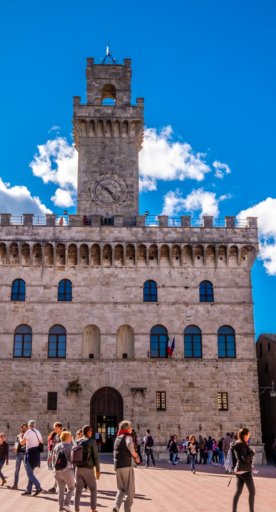
Be sure to check out the impressive tower and Gothic-style façade of the Palazzo Comunale (City Hall). Across from the Palazzo Comunale stands the Montepulciano Cathedral, a late 16ᵗʰ-century design by Ippolito Scalza featuring a Latin cross plan divided into 3 naves. Inside, it houses important works of art by masters such as Taddeo di Bartolo, Michelozzo di Bartolomeo and Andrea Della Robbia.
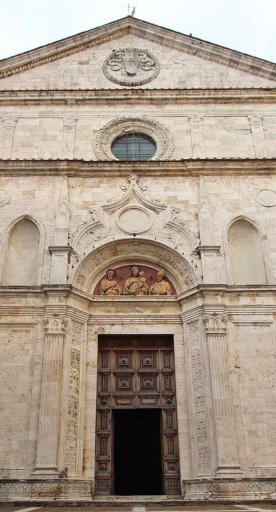
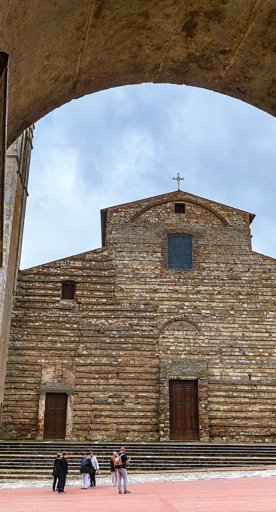
In the center of the village, the Church of Sant’Agostino is well worth a visit. This 13ᵗʰ-century building bears travertine façade partly designed by Michelozzo di Bartolomeo in the early 1400s, combining Gothic and Renaissance elements to create a harmony between the structure’s verticality and horizontal rhythm.
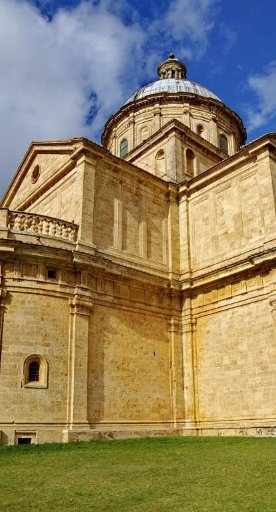
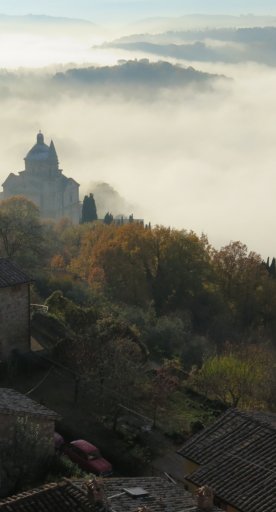
Just below the city walls, you can admire the Temple of the Madonna di San Biagio, a Renaissance work by Antonio da Sangallo the Elder. The travertine church stands in the center of a large, flat meadow that exalts its majesty. The Madonna di San Biagio, with its Greek cross plan, central dome and semicircular apse, is flanked by 2 bell towers and is considered a supreme example of Renaissance architecture, so much so that Michelangelo drew inspiration from it when designing what would become his plans for the construction of Saint Peter’s Basilica in Rome.
The best way to explore the elegant historic center is to walk through Porta al Prato, in the lower part of the city, then follow the street that leads to the top of the hill, where you’ll find Piazza Grande, also the epicenter of countless cultural events of international significance. Here you find a succession of imposing Renaissance palaces, artisan workshops and churches with splendid façades and interiors that are even more beautiful and fascinating.
Be sure to check out the impressive tower and Gothic-style façade of the Palazzo Comunale (City Hall). Across from the Palazzo Comunale stands the Montepulciano Cathedral, a late 16ᵗʰ-century design by Ippolito Scalza featuring a Latin cross plan divided into 3 naves. Inside, it houses important works of art by masters such as Taddeo di Bartolo, Michelozzo di Bartolomeo and Andrea Della Robbia.
In the center of the village, the Church of Sant’Agostino is well worth a visit. This 13ᵗʰ-century building bears travertine façade partly designed by Michelozzo di Bartolomeo in the early 1400s, combining Gothic and Renaissance elements to create a harmony between the structure’s verticality and horizontal rhythm.
Just below the city walls, you can admire the Temple of the Madonna di San Biagio, a Renaissance work by Antonio da Sangallo the Elder. The travertine church stands in the center of a large, flat meadow that exalts its majesty. The Madonna di San Biagio, with its Greek cross plan, central dome and semicircular apse, is flanked by 2 bell towers and is considered a supreme example of Renaissance architecture, so much so that Michelangelo drew inspiration from it when designing what would become his plans for the construction of Saint Peter’s Basilica in Rome.
Montepulciano’s Vino Nobile
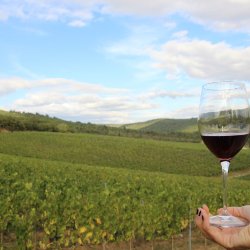
But despite its undeniable beauty, Montepulciano is also known internationally for its Vino Nobile, which is produced in the area between the Val d’Orcia and the Valdichiana, today being one of the most highly regarded Tuscan wines in the world, made from grapes harvested from the vineyards surrounding the town. This wine has a ruby color that tends toward garnet as it ages. It has an intense, ethereal aroma and a dry, well-balanced flavor, with possible hints of wood. It is made primarily from Sangiovese, with a minimum of 70%. Don’t skip a visit to one of the monumental wineries. Many of these have architectural features that are sure to pique the interest of wine connoisseurs and anyone who simply appreciates beauty.
But despite its undeniable beauty, Montepulciano is also known internationally for its Vino Nobile, which is produced in the area between the Val d’Orcia and the Valdichiana, today being one of the most highly regarded Tuscan wines in the world, made from grapes harvested from the vineyards surrounding the town. This wine has a ruby color that tends toward garnet as it ages. It has an intense, ethereal aroma and a dry, well-balanced flavor, with possible hints of wood. It is made primarily from Sangiovese, with a minimum of 70%. Don’t skip a visit to one of the monumental wineries. Many of these have architectural features that are sure to pique the interest of wine connoisseurs and anyone who simply appreciates beauty.
In the vicinity
Those looking for a wellness-focused vacation can choose the Montepulciano thermal baths which, in addition to traditional thermal therapies using sulfur-rich waters, offer a wide range of treatments for those suffering from respiratory and rheumatic conditions or skin ailments. Then there is the Chianciano thermal baths, with their historic spa facilities.
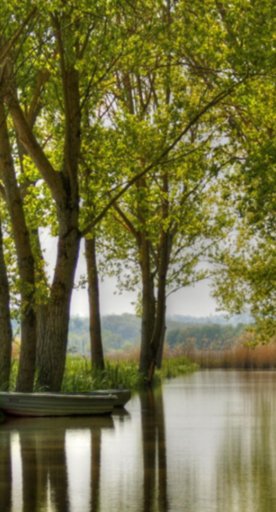
The Montepulciano Lake Nature Reserve, located in the southern part of the Valdichiana, near the border with Umbria, is well worth a visit. Lake Montepulciano, together with Lake Chiusi, is what remains of the vast marshland that covered these territories until the Medici era. Today, it is one of the most important wetlands in central Italy. Located along a migratory route, it also serves as a resting place for numerous birds.
There are many places to visit in the Valdichiana Senese area.
Torrita di Siena is a great destination for lovers of art and folklore. In March, the village celebrates Saint Joseph with the traditional Palio dei Somari.
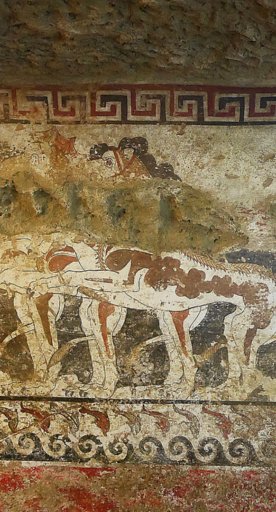
Considered one of the most important Etruscan cities, Chiusi captivates visitors with its famous Labyrinth of Porsenna, which can be accessed from the Cathedral Museum. The labyrinth, which winds beneath the square and the streets adjacent to the Cathedral, is an ancient aqueduct dating back to Etruscan times.
Those looking for a wellness-focused vacation can choose the Montepulciano thermal baths which, in addition to traditional thermal therapies using sulfur-rich waters, offer a wide range of treatments for those suffering from respiratory and rheumatic conditions or skin ailments. Then there is the Chianciano thermal baths, with their historic spa facilities.
The Montepulciano Lake Nature Reserve, located in the southern part of the Valdichiana, near the border with Umbria, is well worth a visit. Lake Montepulciano, together with Lake Chiusi, is what remains of the vast marshland that covered these territories until the Medici era. Today, it is one of the most important wetlands in central Italy. Located along a migratory route, it also serves as a resting place for numerous birds.
There are many places to visit in the Valdichiana Senese area.
Torrita di Siena is a great destination for lovers of art and folklore. In March, the village celebrates Saint Joseph with the traditional Palio dei Somari.
Considered one of the most important Etruscan cities, Chiusi captivates visitors with its famous Labyrinth of Porsenna, which can be accessed from the Cathedral Museum. The labyrinth, which winds beneath the square and the streets adjacent to the Cathedral, is an ancient aqueduct dating back to Etruscan times.
Events
Every August, the 8 districts of Montepulciano compete in the Bravìo delle Botti, a race through the historic streets of the town accompanied by an evocative historical parade featuring flag-throwers. This competition sees the city’s 8 districts (Cagnano, Collazzi, Coste, Gracciano, Poggiolo, San Donato, Talosa and Voltaia) compete for a painted cloth by rolling 176-pound or 80-kilogram barrels along an uphill course extending 6,000 miles or 1,800 meters. During the same period, the Bruscello Poliziano theater festival takes place, while the Cantiere Internazionale d’Arte welcomes tourists and visitors with the best musical and artistic performances. In February, the Anteprima del Vino Nobile di Montepulciano takes place, with the event designed for all wine enthusiasts.
Every August, the 8 districts of Montepulciano compete in the Bravìo delle Botti, a race through the historic streets of the town accompanied by an evocative historical parade featuring flag-throwers. This competition sees the city’s 8 districts (Cagnano, Collazzi, Coste, Gracciano, Poggiolo, San Donato, Talosa and Voltaia) compete for a painted cloth by rolling 176-pound or 80-kilogram barrels along an uphill course extending 6,000 miles or 1,800 meters. During the same period, the Bruscello Poliziano theater festival takes place, while the Cantiere Internazionale d’Arte welcomes tourists and visitors with the best musical and artistic performances. In February, the Anteprima del Vino Nobile di Montepulciano takes place, with the event designed for all wine enthusiasts.
Typical dishes and products
A tour of Montepulciano’s attractions simply must end with a dinner featuring local specialties, such as cured meats made from Cinta Senese or Pappardelle pasta with wild boar sauce, all accompanied, of course, by a glass of Vino Nobile. If you love the taste of garlic and fresh pasta, treat yourself to a plate of Pici all’Aglione, a traditional sauce from the Valdichiana. Finally, you won’t want to miss the chance to try a Bistecca di Chianina, the famous steak cooked over charcoal.
A tour of Montepulciano’s attractions simply must end with a dinner featuring local specialties, such as cured meats made from Cinta Senese or Pappardelle pasta with wild boar sauce, all accompanied, of course, by a glass of Vino Nobile. If you love the taste of garlic and fresh pasta, treat yourself to a plate of Pici all’Aglione, a traditional sauce from the Valdichiana. Finally, you won’t want to miss the chance to try a Bistecca di Chianina, the famous steak cooked over charcoal.
info
Information
What’s nearby?
Must-see places, stage-by-stage routes, events and tips for your trip







Valdichiana Senese
Blue rhapsody in Etruscan Tuscany
Show more
arrow_forward