Towns and villages
Castiglione della Pescaia
Castiglione della Pescaia
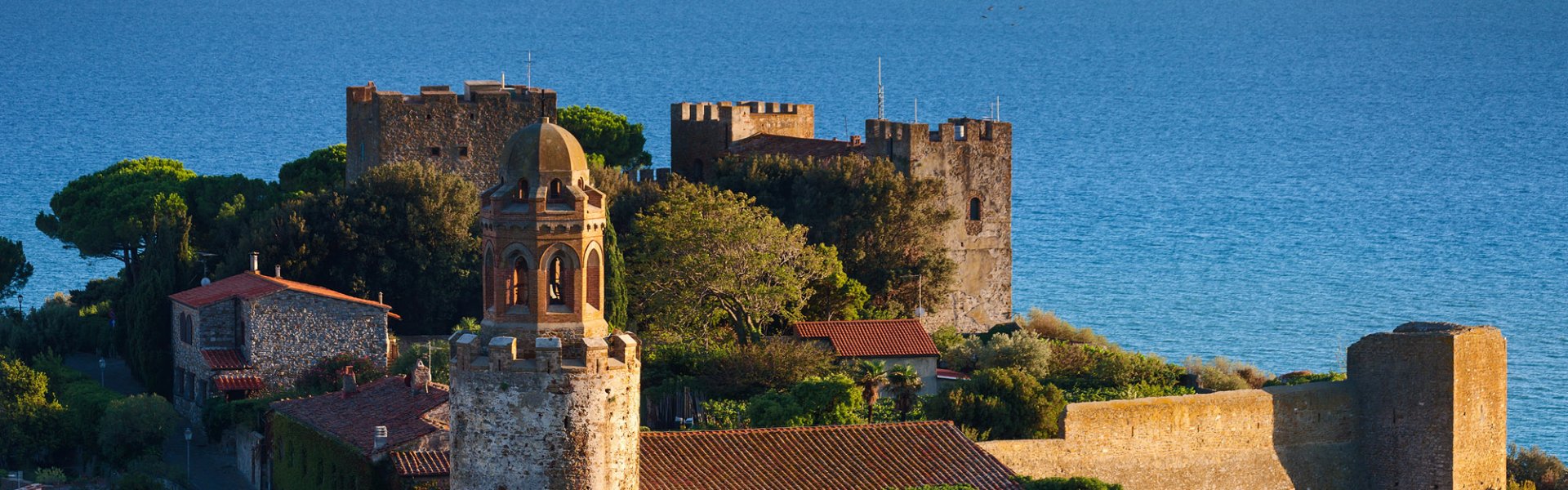
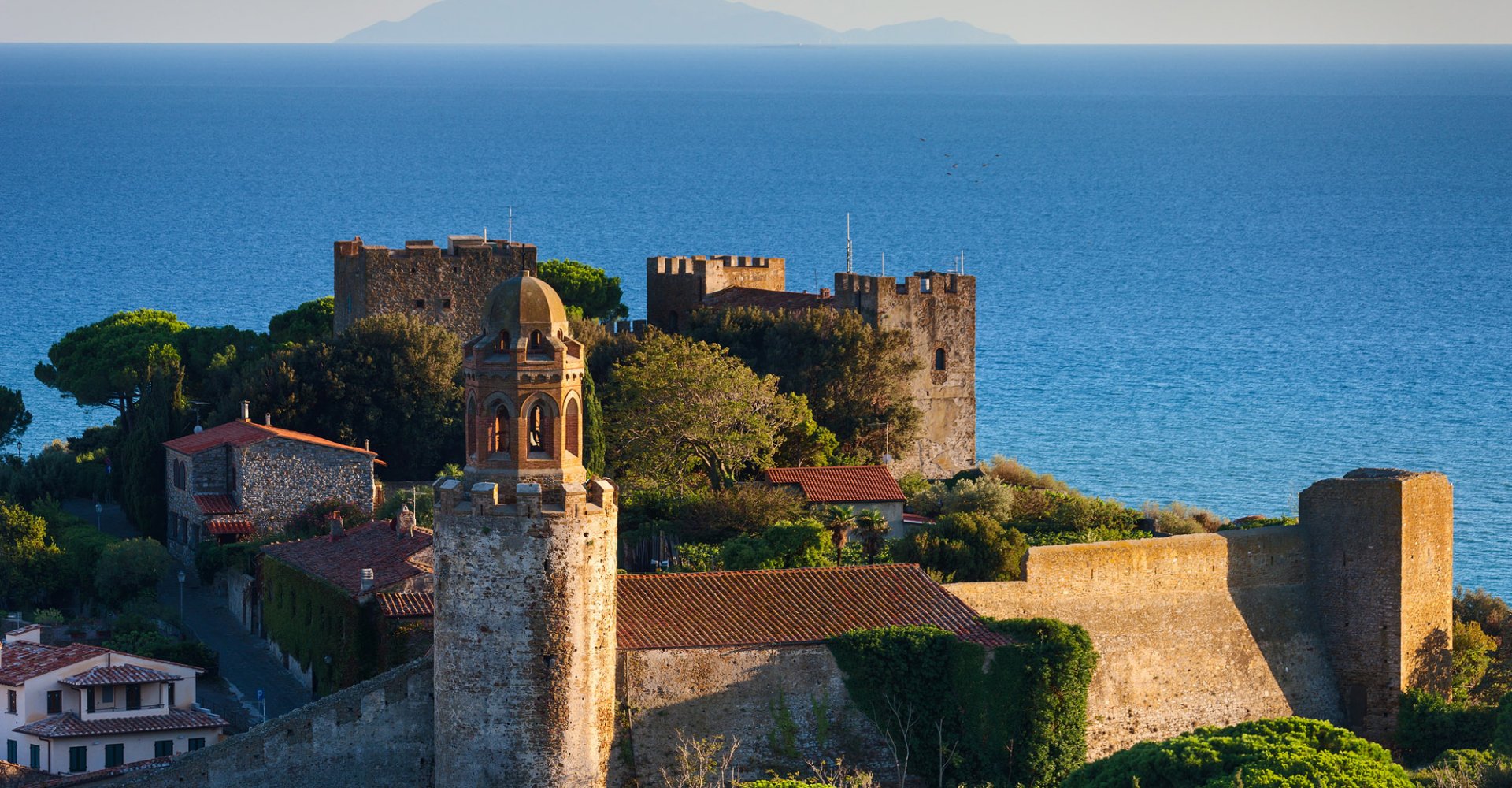
A picturesque village with a medieval past, overlooking the sea of the Tuscan Maremma
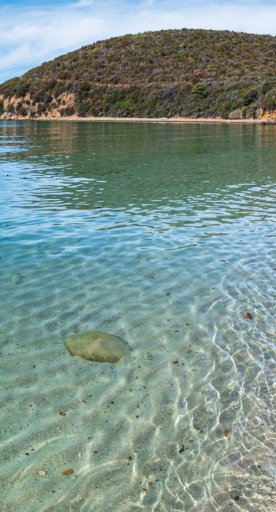
Nestled between the blue of the sea and the green of the hills lies Castiglione della Pescaia. This renowned seaside resort is known for its beautiful beaches and vast pine forests (pinete) that stretch all the way to Marina di Grosseto, giving way to the magnificent Pineta del Tombolo.
Castiglione della Pescaia is an ancient fishing village where, even today, fishing boats dock with their wiggly catch each evening in the picturesque harbor-canal, meandering through the many moored pleasure boats. The village is immersed in an extensive “green lung” in which various animals attracted by the unique avifauna coexist with rich and varied flora.
What to see in Castiglione della Pescaia
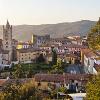
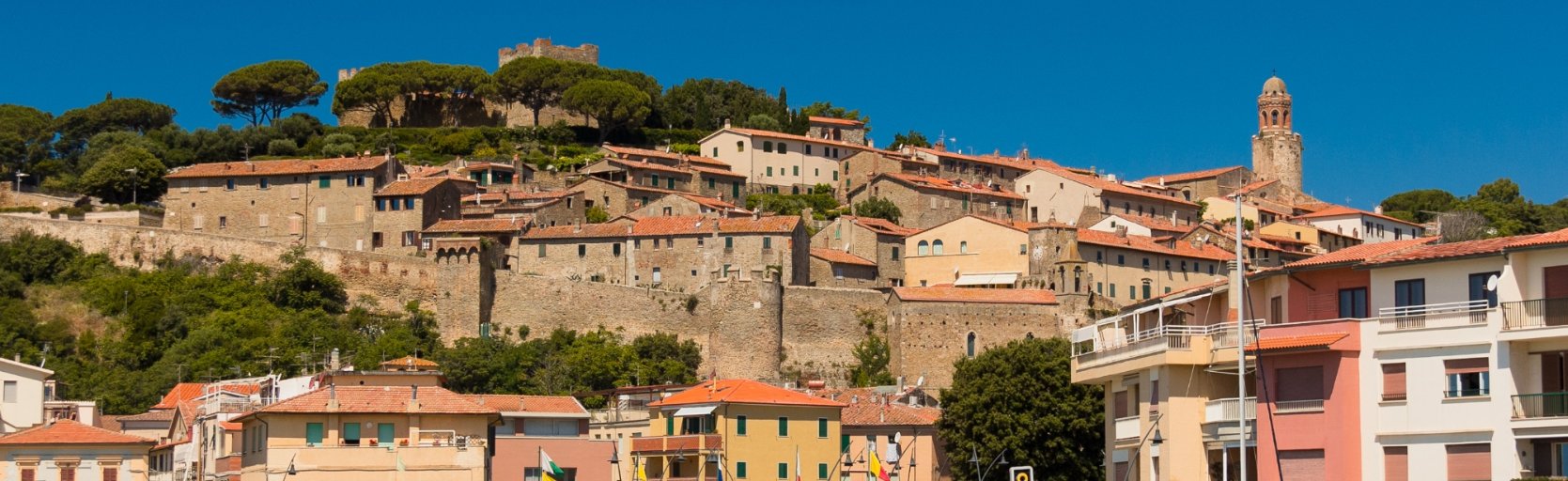
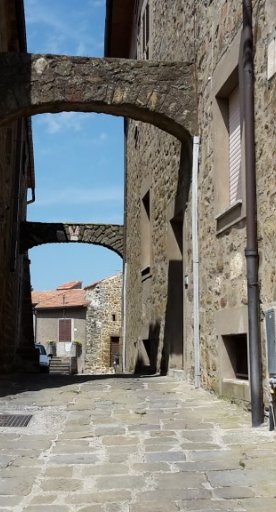
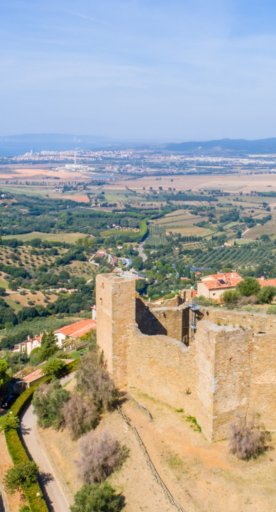
The town’s historic center, surrounded by walls, is dominated by an imposing medieval castle. Strolling along the cobblestone streets, you’ll come across historic buildings, churches, traditional restaurants and artisan shops.
Not to be missed is the San Giovanni Battista Church with its distinctive bell tower and the Santa Maria del Giglio Church arising near the town walls. Also worth a visit is Palazzo Centurioni, a Renaissance building with a façade decorated with bossage, used for various exhibitions and cultural events open to the public.
The seafront in Castiglione della Pescaia is perfect for walks. During the day, you can admire the scenery from benches facing out to the sea, while in the evening the beach clubs transform into restaurants and bars—ideal for aperitifs and dinners, seasoned by the scent of the sea. A stroll leads to the harbor, a natural channel formed by the Bruna River, where boats of all kinds—from fishing boats to luxury yachts—are moored. One of the most evocative moments is when the fishing boats return, with the fish market bustling with fishers and buyers busy negotiating the purchase of fresh seafood such as sea bream, red mullet and bluefish. On Saturday mornings, beyond the Giorgini Bridge, there is a lively local market. A visit here offers an authentic glimpse into maritime life.
The town’s historic center, surrounded by walls, is dominated by an imposing medieval castle. Strolling along the cobblestone streets, you’ll come across historic buildings, churches, traditional restaurants and artisan shops.
Not to be missed is the San Giovanni Battista Church with its distinctive bell tower and the Santa Maria del Giglio Church arising near the town walls. Also worth a visit is Palazzo Centurioni, a Renaissance building with a façade decorated with bossage, used for various exhibitions and cultural events open to the public.
The seafront in Castiglione della Pescaia is perfect for walks. During the day, you can admire the scenery from benches facing out to the sea, while in the evening the beach clubs transform into restaurants and bars—ideal for aperitifs and dinners, seasoned by the scent of the sea. A stroll leads to the harbor, a natural channel formed by the Bruna River, where boats of all kinds—from fishing boats to luxury yachts—are moored. One of the most evocative moments is when the fishing boats return, with the fish market bustling with fishers and buyers busy negotiating the purchase of fresh seafood such as sea bream, red mullet and bluefish. On Saturday mornings, beyond the Giorgini Bridge, there is a lively local market. A visit here offers an authentic glimpse into maritime life.
In the vicinity
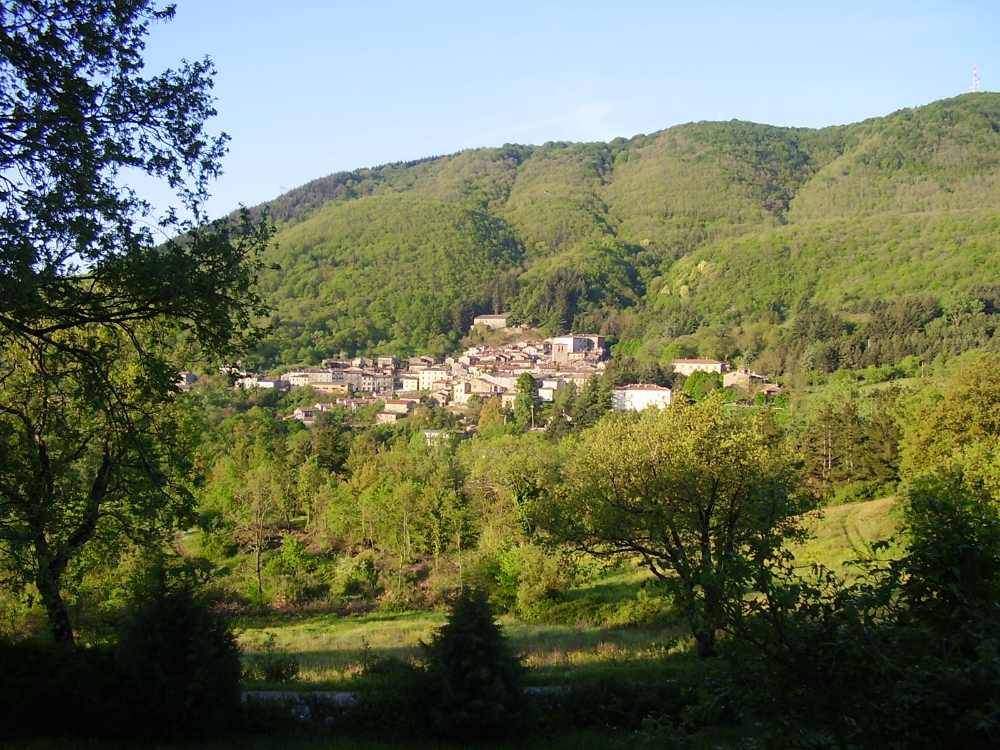
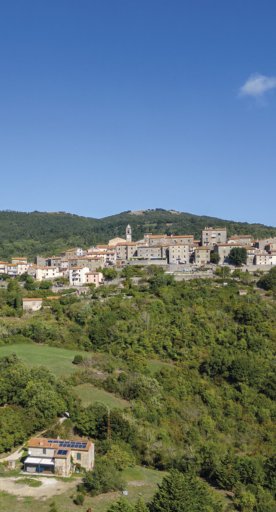
Once here, in the heart of the Northern Maremma, the area surrounding the village is certainly worth a visit, being rich in fascinating places such as Vetulonia, one of the most important Etruscan cities, where you can visit the significant necropolis and Archaeological Museum. Also worth seeing is Tirli, a village whose medieval charm blends perfectly with the surrounding woods, renowned for its rustic and authentic cuisine. Then there is the ancient town of Buriano, with its medieval castle and a remarkable panoramic view of the Maremma.
Castiglione della Pescaia is not only an ancient village but also a resort town on the Tuscan coast that combines the sea, nature and tourist amenities. For those who love a relaxing summer, for example, the public beaches of Castiglione are a real treat, allowing you to enjoy nature far from the noise and crowds, as well as the pine forests where you can relax in complete tranquility.
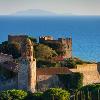
Finally, about 15 kilometers from Castiglione della Pescaia lies Punta Ala, a well-known and luxurious resort famous for its marina—equipped with some of the most state-of-the-art facilities in the entire Mediterranean—and for its long stretch of fine, golden sand, punctuated by beautiful coves and surrounded by dense Mediterranean scrub and expansive pine forests. Another seaside town known and loved for its beach is Le Rocchette. Its beach is famous for the presence of a very picturesque castle perched on a rocky outcrop overlooking the sea.
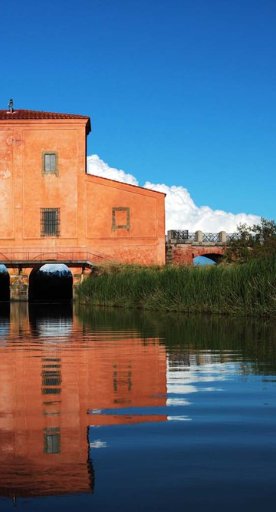
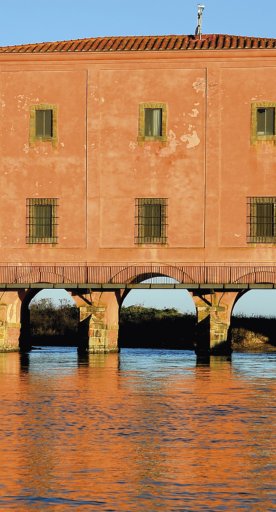
Further north lies the Hermitage of San Guglielmo di Malavalle, a Benedictine monastery with a Romanesque Church and the tomb of the saint of the same name, an important destination for pilgrims. To the east of the town once ran the ancient Lake Prile, which gradually dried up over the centuries. The vast marsh that formed underwent a massive land reclamation project undertaken by the Grand Dukes of Lorraine, as part of which the famous Casa Rossa Ximenes was also constructed. Designed in 1765 by Leandro Ximenes, it now houses a multimedia museum dedicated to the Diaccia Botrona Nature Reserve.
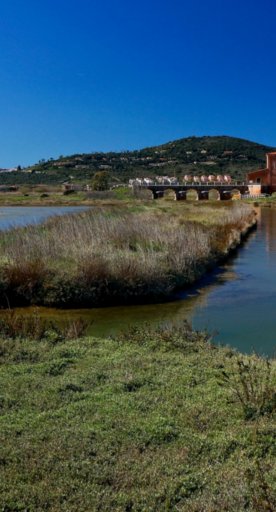
In place of the lake today is the Diaccia Botrona Nature Reserve, considered Italy’s most significant wetland, within which lies Clodia Island, a hill adorned with the ruins of a Roman Villa and a Benedictine Abbey built in the early Middle Ages.
Once here, in the heart of the Northern Maremma, the area surrounding the village is certainly worth a visit, being rich in fascinating places such as Vetulonia, one of the most important Etruscan cities, where you can visit the significant necropolis and Archaeological Museum. Also worth seeing is Tirli, a village whose medieval charm blends perfectly with the surrounding woods, renowned for its rustic and authentic cuisine. Then there is the ancient town of Buriano, with its medieval castle and a remarkable panoramic view of the Maremma.
Castiglione della Pescaia is not only an ancient village but also a resort town on the Tuscan coast that combines the sea, nature and tourist amenities. For those who love a relaxing summer, for example, the public beaches of Castiglione are a real treat, allowing you to enjoy nature far from the noise and crowds, as well as the pine forests where you can relax in complete tranquility.
Finally, about 15 kilometers from Castiglione della Pescaia lies Punta Ala, a well-known and luxurious resort famous for its marina—equipped with some of the most state-of-the-art facilities in the entire Mediterranean—and for its long stretch of fine, golden sand, punctuated by beautiful coves and surrounded by dense Mediterranean scrub and expansive pine forests. Another seaside town known and loved for its beach is Le Rocchette. Its beach is famous for the presence of a very picturesque castle perched on a rocky outcrop overlooking the sea.
Further north lies the Hermitage of San Guglielmo di Malavalle, a Benedictine monastery with a Romanesque Church and the tomb of the saint of the same name, an important destination for pilgrims. To the east of the town once ran the ancient Lake Prile, which gradually dried up over the centuries. The vast marsh that formed underwent a massive land reclamation project undertaken by the Grand Dukes of Lorraine, as part of which the famous Casa Rossa Ximenes was also constructed. Designed in 1765 by Leandro Ximenes, it now houses a multimedia museum dedicated to the Diaccia Botrona Nature Reserve.
In place of the lake today is the Diaccia Botrona Nature Reserve, considered Italy’s most significant wetland, within which lies Clodia Island, a hill adorned with the ruins of a Roman Villa and a Benedictine Abbey built in the early Middle Ages.
Events
Among the recurring events in Castiglione della Pescaia are the Palio Marinaro, a summer rowing race between the town’s districts; the Palio di Vetulonia, the traditional donkey race held in September; and the Torneo di Palla Eh!, a game that may even have been passed down from the ancient Romans and now played in many towns and villages throughout the Maremma.
Among the recurring events in Castiglione della Pescaia are the Palio Marinaro, a summer rowing race between the town’s districts; the Palio di Vetulonia, the traditional donkey race held in September; and the Torneo di Palla Eh!, a game that may even have been passed down from the ancient Romans and now played in many towns and villages throughout the Maremma.
Typical dishes and products
Castiglione della Pescaia is one of the best vacation destinations in Tuscany, especially when it comes to food and wine. In fact, this region produces excellent wines, not to mention cheeses and cured meats. But the star of the table is wild boar, which is served as a main course or used as a filling for Tortelli Maremmani. You could also try the seafood dishes, such as Risotto alla Femminelle, braised eel and Maremma-style salt cod.
Castiglione della Pescaia is one of the best vacation destinations in Tuscany, especially when it comes to food and wine. In fact, this region produces excellent wines, not to mention cheeses and cured meats. But the star of the table is wild boar, which is served as a main course or used as a filling for Tortelli Maremmani. You could also try the seafood dishes, such as Risotto alla Femminelle, braised eel and Maremma-style salt cod.
info
Information
What’s nearby?
Must-see places, stage-by-stage routes, events and tips for your trip





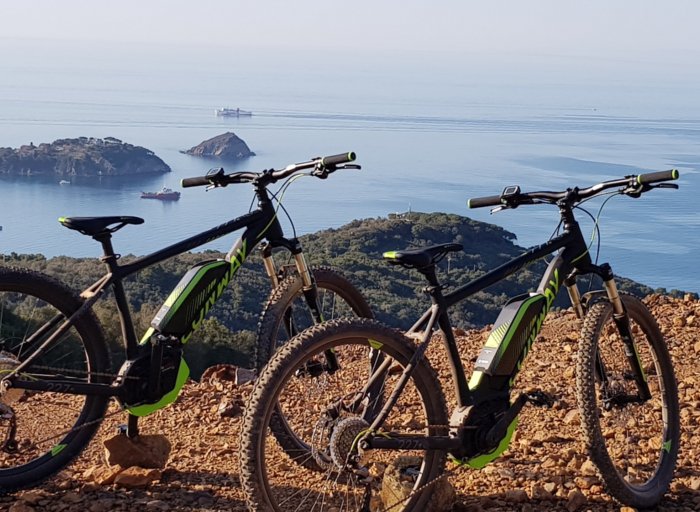
Northern Maremma
Crystal-clear sea, nature reserves and resources pulled from the bowels of the earth
Show more
arrow_forward
Northern Maremma
Crystal-clear sea, nature reserves and resources pulled from the bowels of the earth
Go to the area
arrow_forward