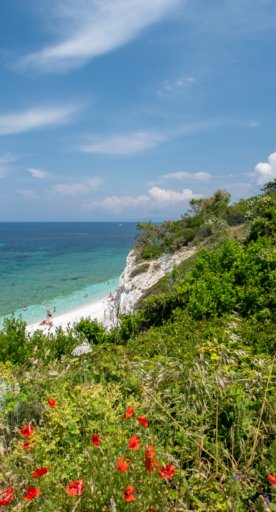
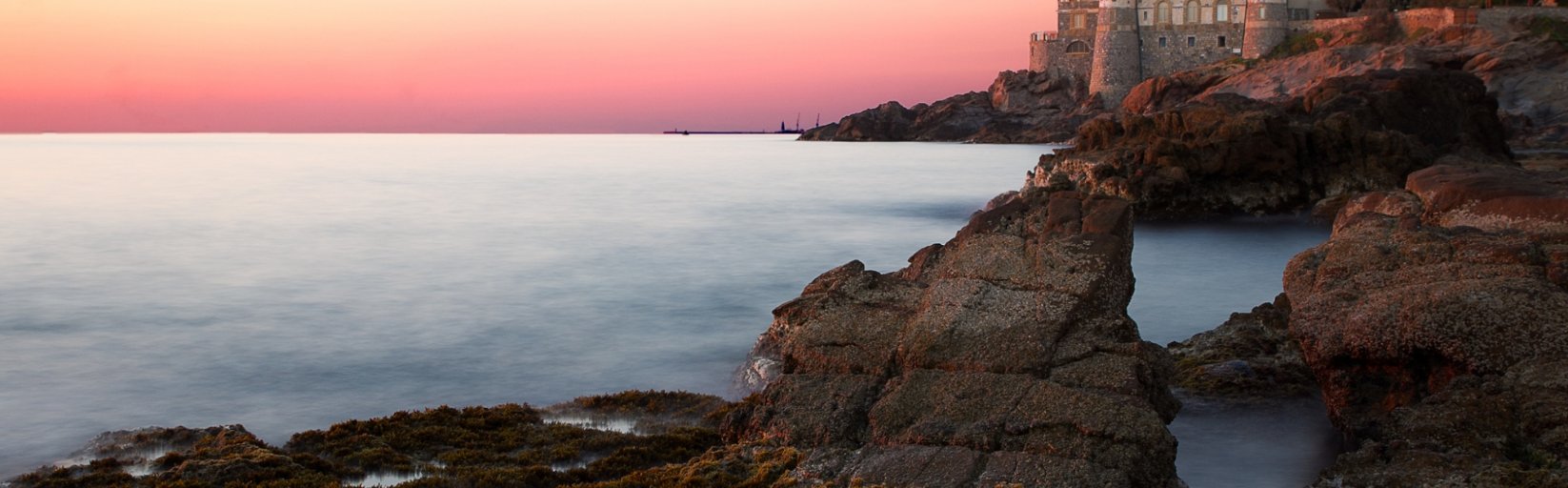
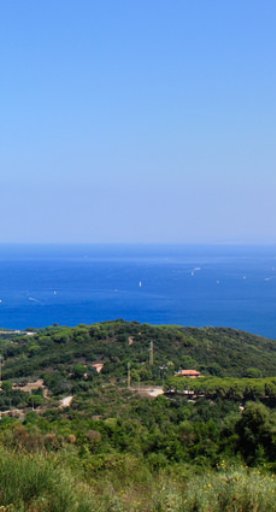
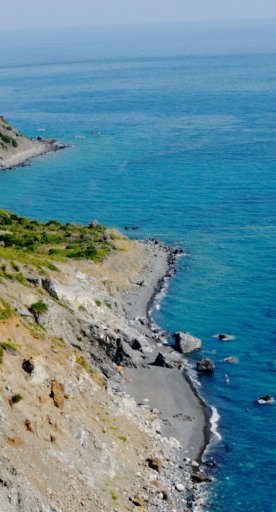
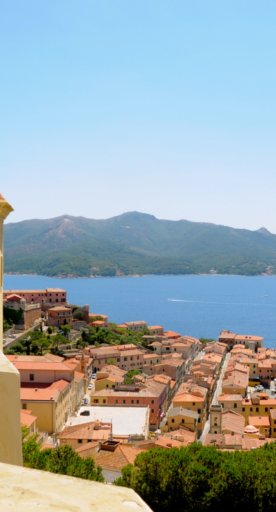
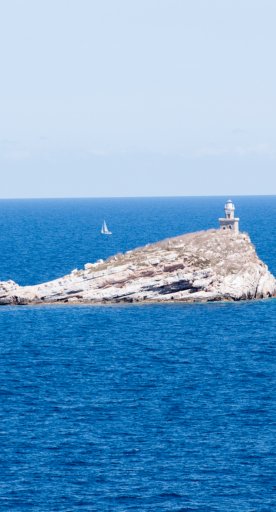
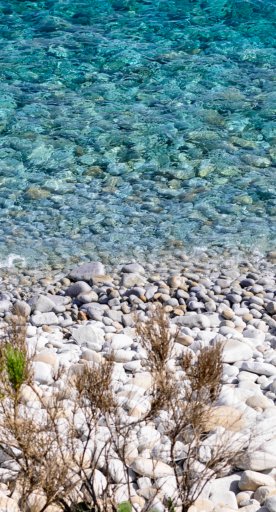
It looks like a big carpet of rock resting on the sea against the horizon: Pianosa is the flattest and most distinctive island of the Tuscan Archipelago and is a clear and bright triangle of land emerging from the waters between Elba and Corsica. With a surface area of just over ten square kilometers and maximum height of 29 meters, it offers an amazing landscape of jagged cliffs, small coves set in the rock and long coastlines shaped by the wind.
Pianosa is one of the 7 islands that make up the Arcipelago Toscano National Park.
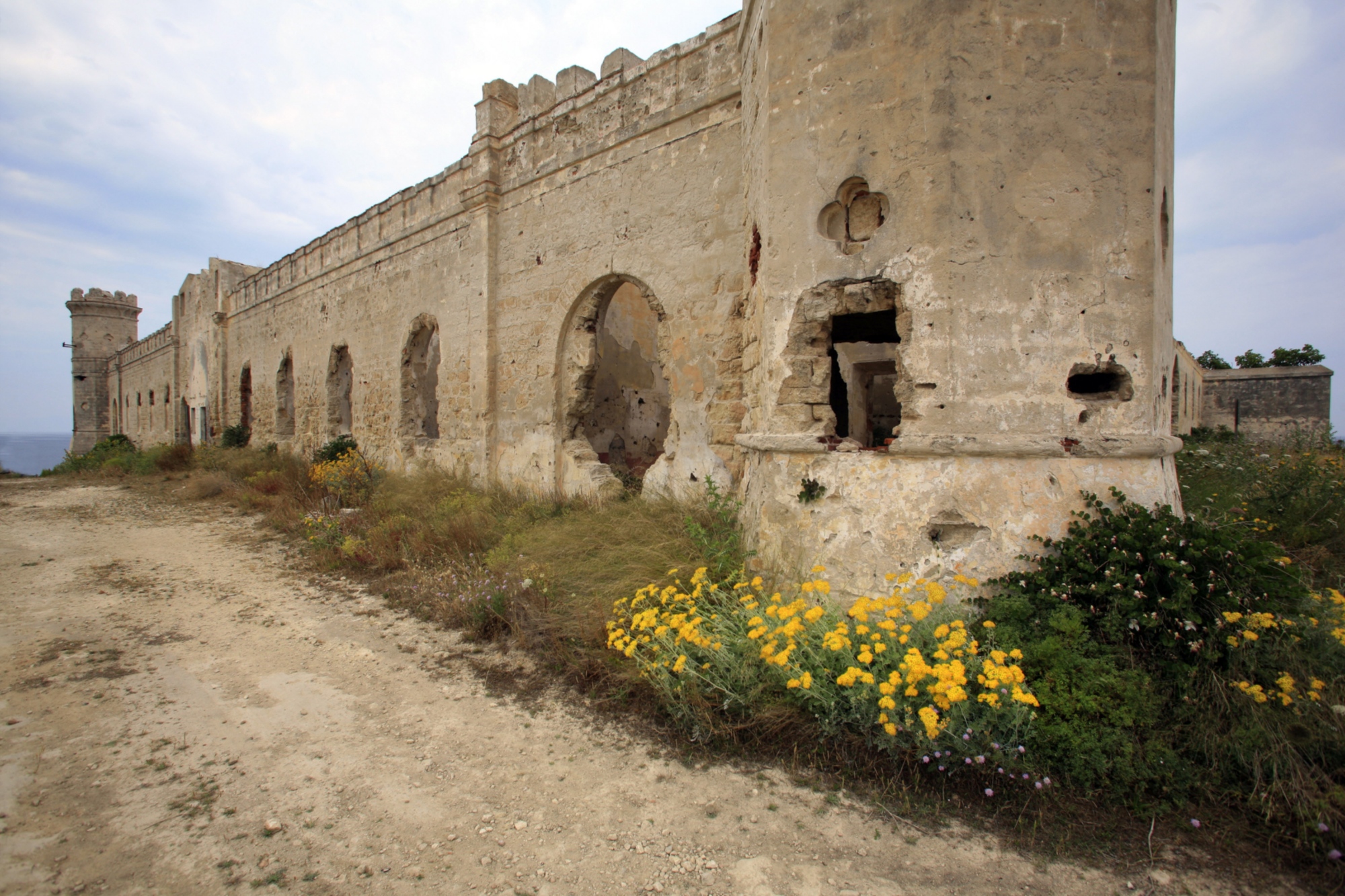
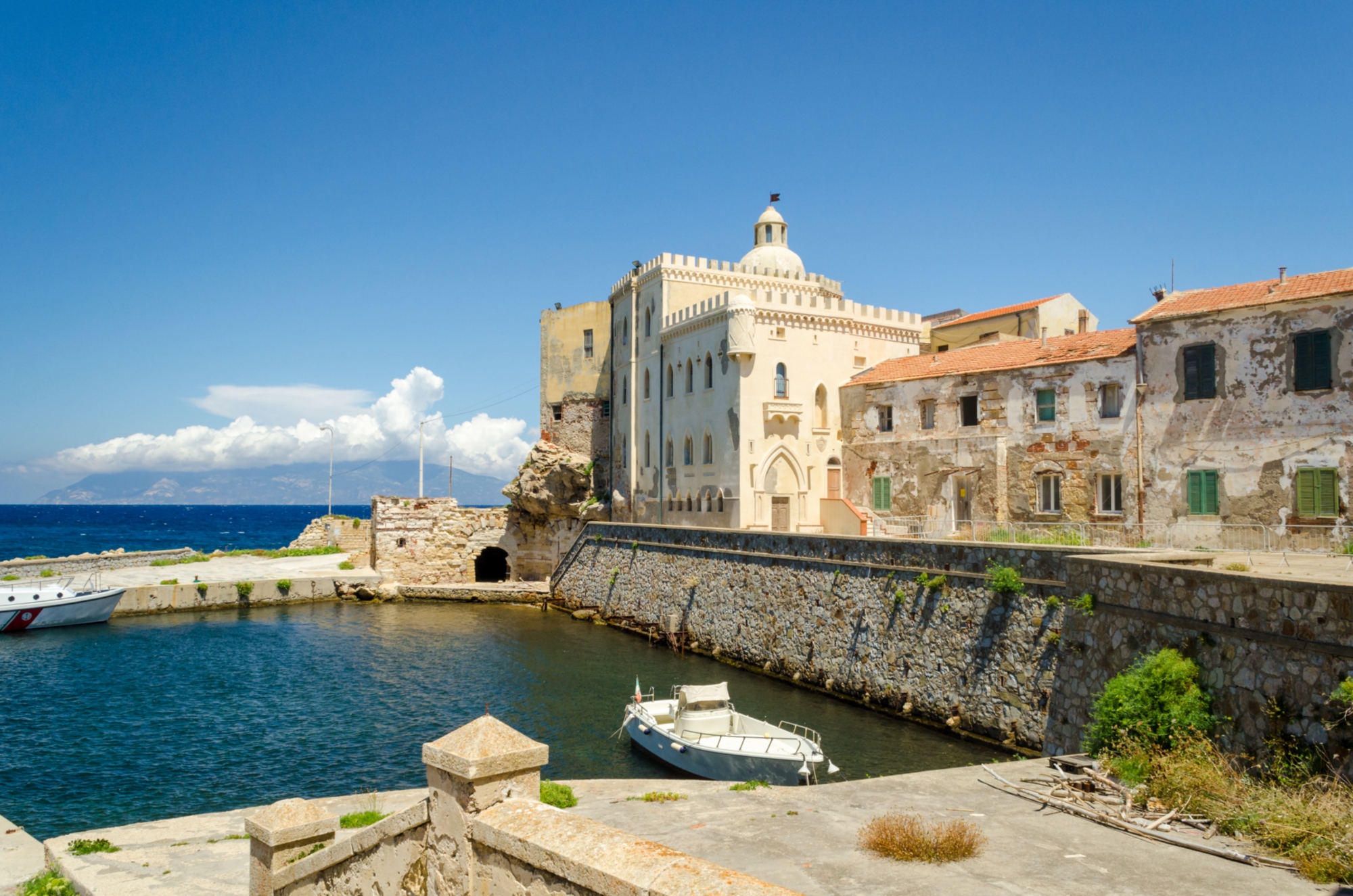
From 1858 to 1998, Pianosa was a penal colony.
Today, there is a form of open prison on the island, where about 20 inmates live permanently and contribute to daily life by working in the gardens and in the island's only restaurant.
These areas - which are separated from the village by a wall known as Muro dalla Chiesa - can only be visited when accompanied by an authorized guide, in full compliance with the protection rules that safeguard Pianosa and its history.
The nature on Pianosa reveals a special island from the very first glance: a pale limestone territory, shaped over the centuries by the sea and the wind, where Mediterranean scrub grows low and fragrant. Lentisks, junipers, rosemary and cistus plants are dotted across the landscape, along with the Limonium of Pianosa, a very rare species that colors some parts of the coastline along with sea fennel.
Despite its small size, the island is also a precious place for wildlife. Hares, hedgehogs and small rodents coexist with a wide variety of birds that find refuge here during migration: in spring and fall, it you can easily observe shearwaters, Audouin’s gulls, bee-eaters, hoopoes and birds of prey flying over the cliffs.
The sea surrounding it contains an equally special treasure: a truly incredible posidonia meadow.
The clear waters are home to groupers, snappers, gilt-head bream, moray eels, and lobsters, making every dive or snorkeling session an amazing experience, even just a few meters from the shore.
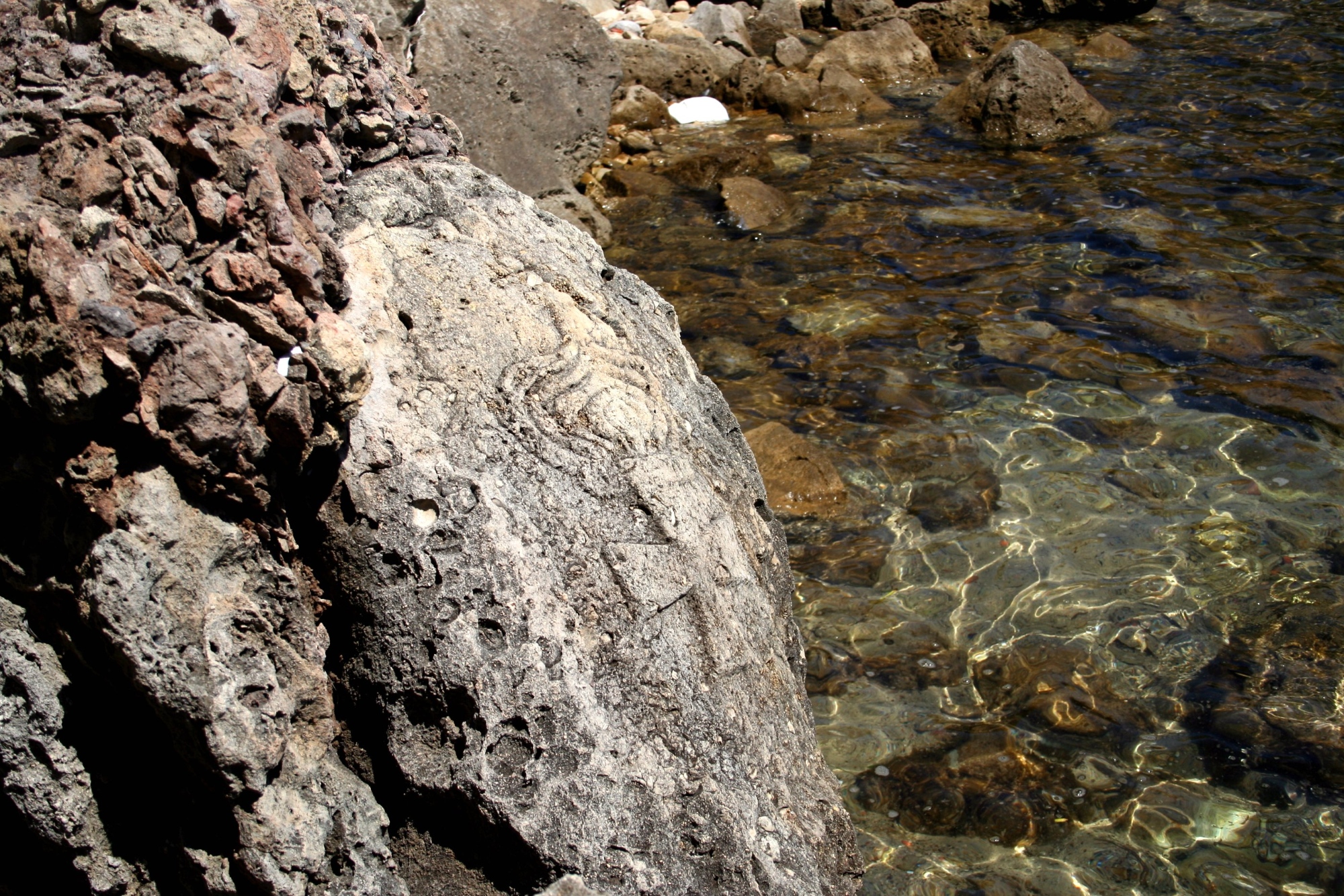
History emerges in every corner of the island, including prehistoric caves, man-made shelters and vestiges dating back to the Neolithic and Bronze Ages.
Evidence dating back to Roman times is among the most fascinating: the harbor, the Bagni di Agrippa thermal baths - where Agrippa Postumus, the grandson of Augustus, was confined - and other sites that tell us about Pianosa's privileged role in the ancient Mediterranean.
An extraordinary patrimony that continued in the early Christian catacombs, with over seven hundred burials dug into the rock: a unique complex in Tuscany, confirming its archaeological value.
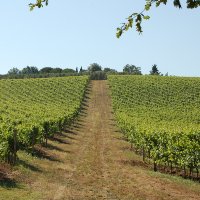
The island of Pianosa offers a range of experiences designed for discovering nature, history and atmospheres.
The guided tours allow visitors to explore the village, the early Christian catacombs, the Casa dell’Agronomo (agronomist’s house) and valuable archaeological sites like the Bagni di Agrippa thermal baths.
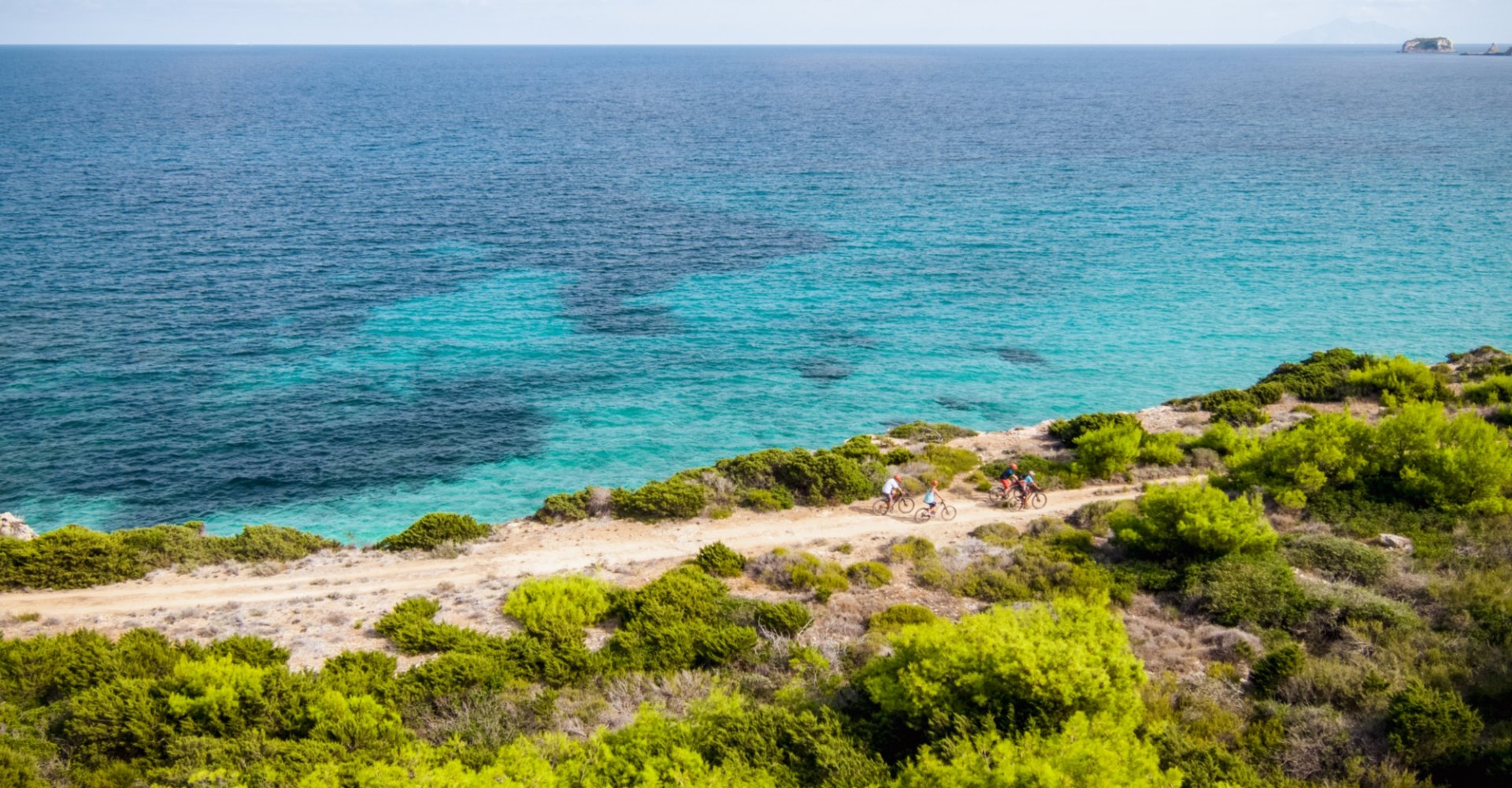
For those who like to get out and about in nature, there is trekking between the ancient prison offshoots, themed trails, mountain bike tours and kayaking or snorkeling trips along the wilder coastlines.
There is no shortage of excursions, carriage rides and special outings at dawn or sunset.
All activities are conducted by licensed guides and are bookable online.
To get to the island all year round, departure is every Tuesday from Piombino, with a stop at Rio Marina. There is also a trusted daily scheduled service to the Island of Pianosa provided by the Municipality of Campo nell'Elba.
Visiting Pianosa means finding yourself in a place suspended in time, where nature still takes center stage and traces of the past discreetly emerge, accompanying visitors on an essential and unforgettable journey.