Go to main content
View from Badia Tedalda
Photo © David Butali

Movies filmed in the Tuscan-Emilian Apennines

Between earth and sky, on the peaks overlooking Emilia

The beauty of the Tuscan landscape is not limited to its rolling hills; it also boasts mountainous scenery. The Tuscan-Emilian Apennines, with their vast wooded areas, historic villages, and breathtaking views, have been featured on the big screen many times.

One of the most famous movies is Padroni di Casa (The Landlords), directed by Edoardo Gabbriellini and starring Gianni Morandi, Elio Germano, Valerio Mastandrea and Valeria Bruni Tedeschi. The movie, shot in Montepiano, a hamlet in the municipality of Vernio, explores the rural and isolated atmosphere of the Apennine area, described as a place far removed from the hustle and bustle of city life. It tells the story of Cosimo and Elia (Valerio Mastandrea and Elio Germano), two construction workers traveling from Rome. Upon their arrival in a small town to work for Fausto Mieli (Gianni Morandi), a famous singer, they realize they are not welcome and that the local community does not appreciate the presence of outsiders at all.

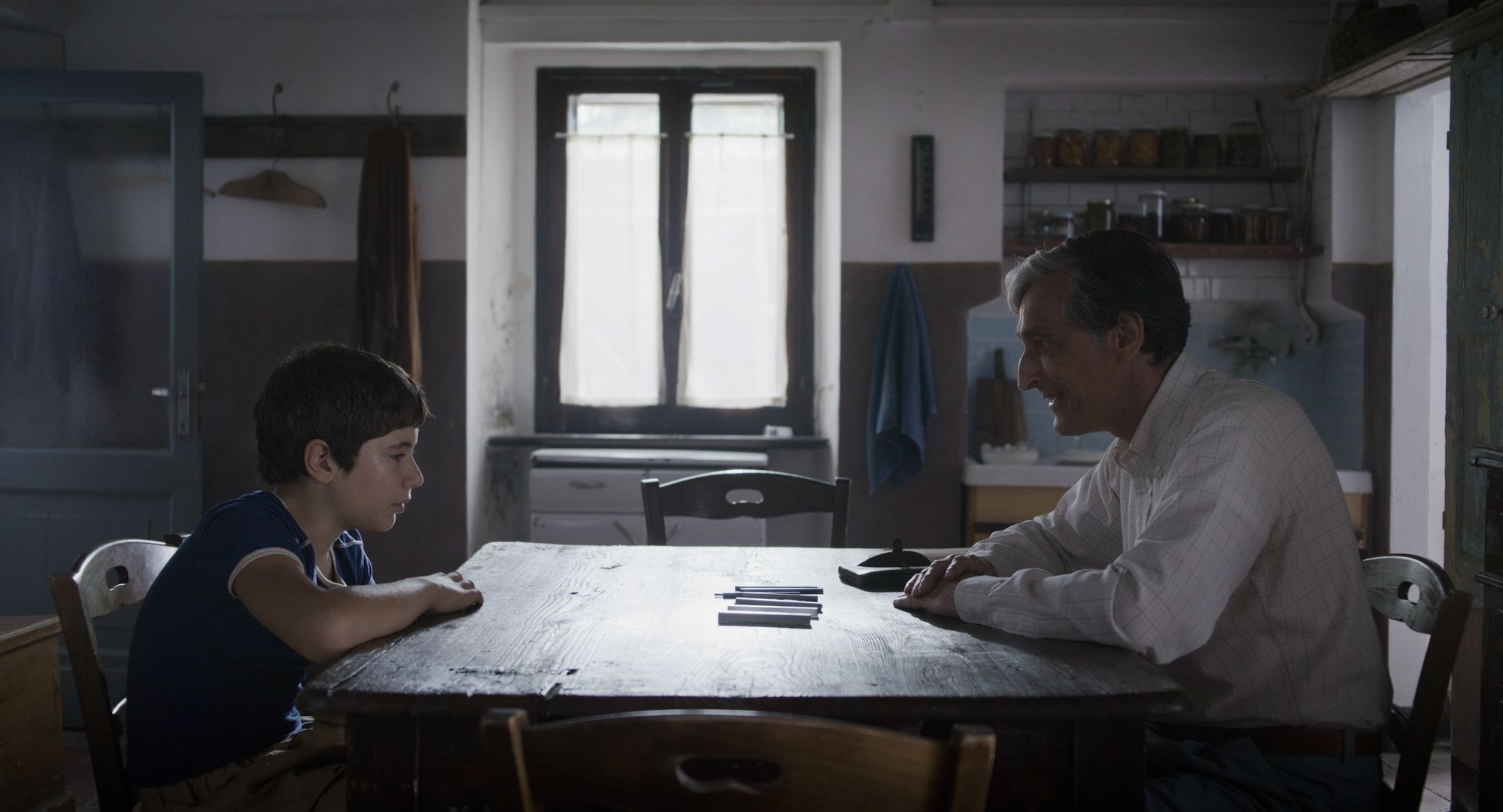
A scene from the film “La proprietà dei metalli”

The borderlands between Tuscany and Emilia-Romagna - rarely visited, little known and sparsely populated areas, almost like a no man’s land - where barren, lunar landscapes alternate with the wooded areas of Badia Tedalda, served as the setting for Antonio Bigini’s movie entitled La proprietà dei metalli (The Properties of Metals). Set in the 1970s, the movie is about Pietro, a young boy living in a small village and raised by a stern and troubled father facing financial difficulties. When little Pietro displays mysterious abilities - he can bend metals with just a touch - an American scientist begins to study his case. The experiments draw Pietro into the world of the invisible, where the laws of physics give way to deeper hidden impulses.

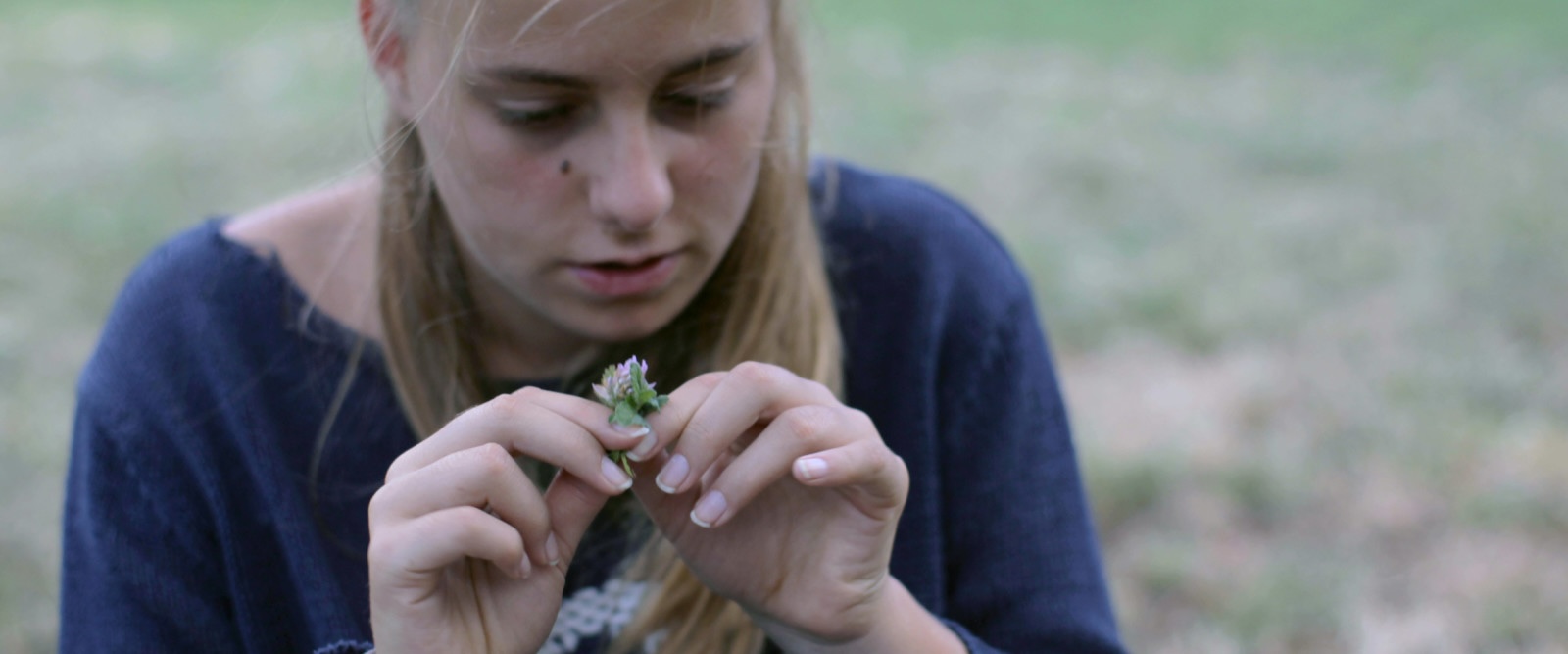
A scene from the film “La Regina di Casetta”

La Regina di Casetta (The Queen of Casetta), a poetic documentary by Francesco Fei, tells the story of Gregoria, the only young girl living in Casetta di Tiara, a remote village in the Tuscan-Emilian Apennines, in the municipality of Palazzuolo sul Senio, which only has ten inhabitants. The documentary captures her final year there: in September, she has to move to the valley to attend high school - on the day that also marks the end of the movie. The story narrates a year spent with her in this remote mountain village, where the verses of Dino Campana - who often stayed there - still seem to echo. The changing of the seasons, the cycles of nature, the chestnut harvest, wild boar hunting and winter snow are all part of daily life for Gregoria, her parents, and her fellow villagers.

Among the most recent productions, Tuscan documentary filmmaker Samuele Rossi chose - in addition to locations in the municipality of Prato - the mountain villages of Cantagallo and Abetone Cutigliano, including the hidden valleys and fir woods of the Acquerino Nature Reserve, as the setting for his new movie Se venisse anche l’inferno (If Hell Should Come). Made in a style that combines documentary filmmaking and war reporting, the film tells the story of the partisan Gio (his nom de guerre), who was determined to continue the resistance alone, after becoming the last person to guard a mountain refuge in the Alps (the locations of which were reconstructed in the Tuscan-Emilian Apennines) following a brutal Nazi-Fascist roundup. Knowing he must endure the harsh winter of 1944, he faces the tragic reality of World War II.