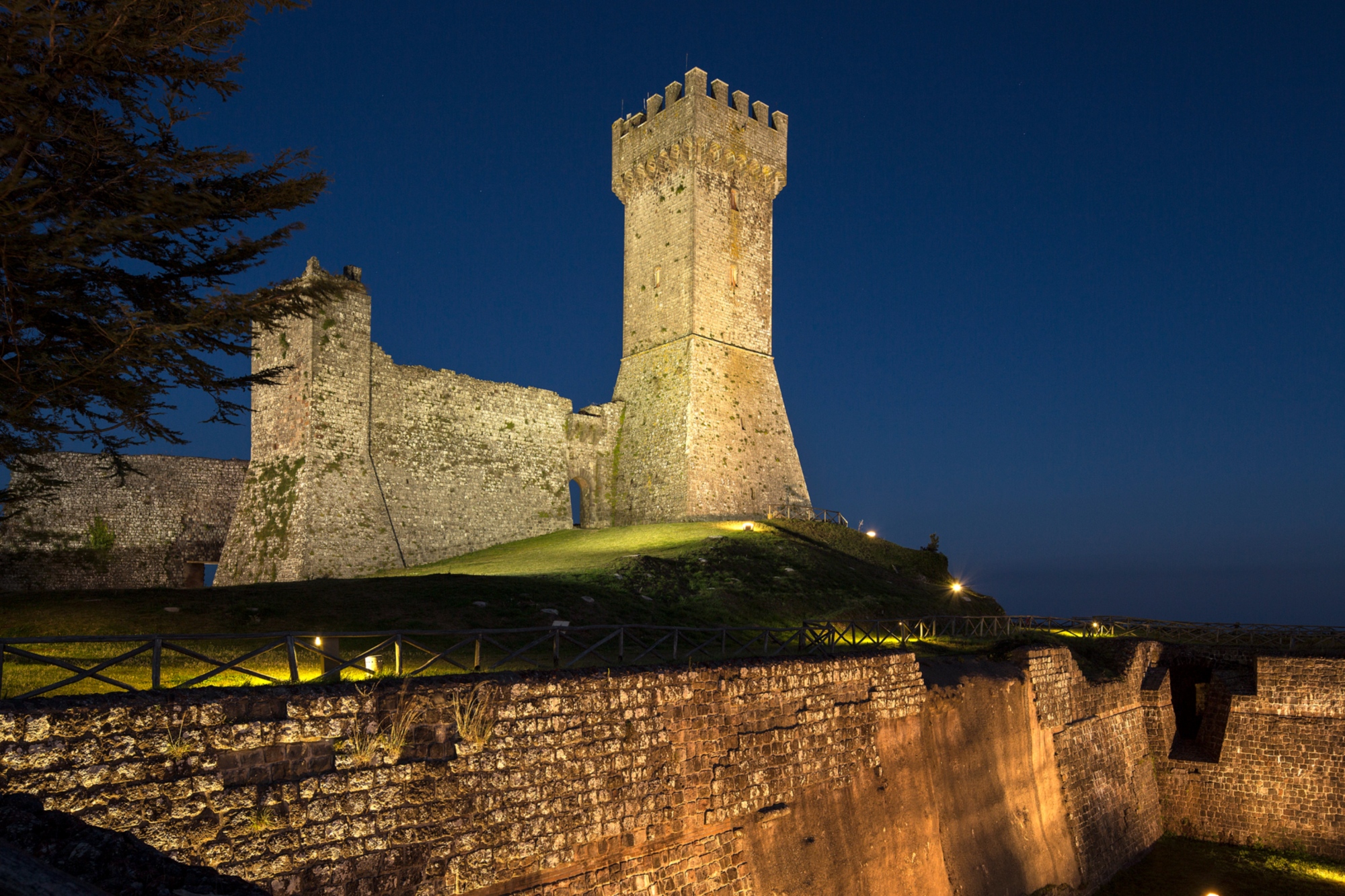
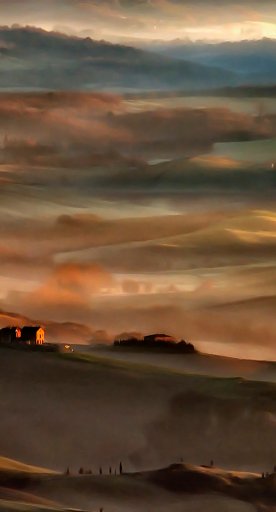
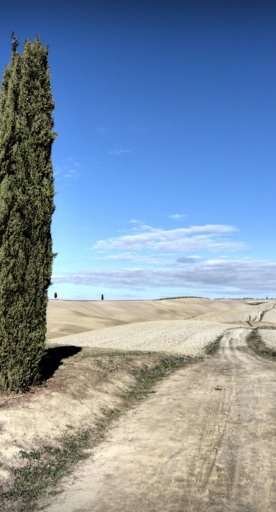
At the southern edge of the Val d’Orcia, the Fortress of Radicofani dominates the landscape, as a stone bulwark laden with history and legend.
Its fame is inextricably linked to Ghino di Tacco, the character who—more than anyone else—transformed this Fortress into a symbol of rebellion, control and power along the Via Francigena.
The Fortress stands in a strategic position between Tuscany and Lazio, referenced in documents since at least 978, although the hill was frequented in earlier times.
For centuries, it was a key point for controlling traffic and pilgrimages to Rome, thanks to an impressive defensive structure designed to withstand sieges and violent attacks.
The ramparts, walls and tower still tell of the military function of this place, strengthened over time precisely because of its territorial importance.
At the end of the 13ᵗʰ century, however, the Fortress of Radicofani also entered the annals of history for another reason. This site became the refuge of Ghino di Tacco, a gentleman of noble origin who was born in Torrita di Siena but banished from his city.
After years spent as a brigand in Maremma, he took over the Fortress in 1297, transforming it into the heart of his actions along the Via Francigena.
From this dominant position, he controlled the passages of travelers and merchants, striking mostly the powerful and, as legend has it, leaving the weaker with enough to survive.
Referenced by Dante and Boccaccio, Ghino di Tacco lingers in the collective imagination as a controversial and magnetic figure—an Italian Robin Hood if you will, capable of harsh and ruthless actions but, it is said, moved by his very own code of justice.
The stronghold, with its isolation and architectural strength, was the ideal setting to fuel this legend.
Today, strolling along the paths up the pine forest and meandering amongst the arches, walls and ramparts, the link between Ghino di Tacco and the Fortress of Radicofani still seems palpable.
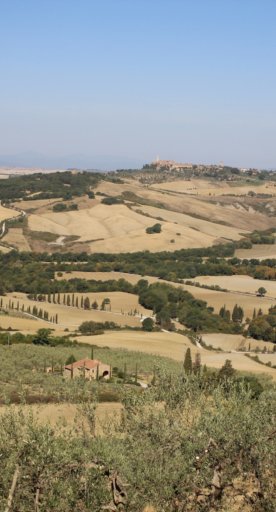
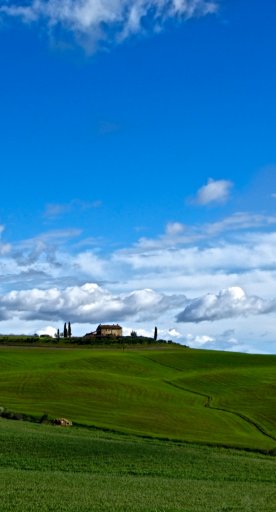
From the top of the stronghold, the view opens to the Val d’Orcia, the outline of Monte Amiata and, on a clear day, as far as the Apennines and even Lake Trasimeno and Lake Bolsena.
It is the same horizon that Gino observed centuries ago: a vast and powerful landscape that perhaps inspired his choices and his legend, suspended between rebellion, cunning, and a very personal sense of justice.