Go to main content
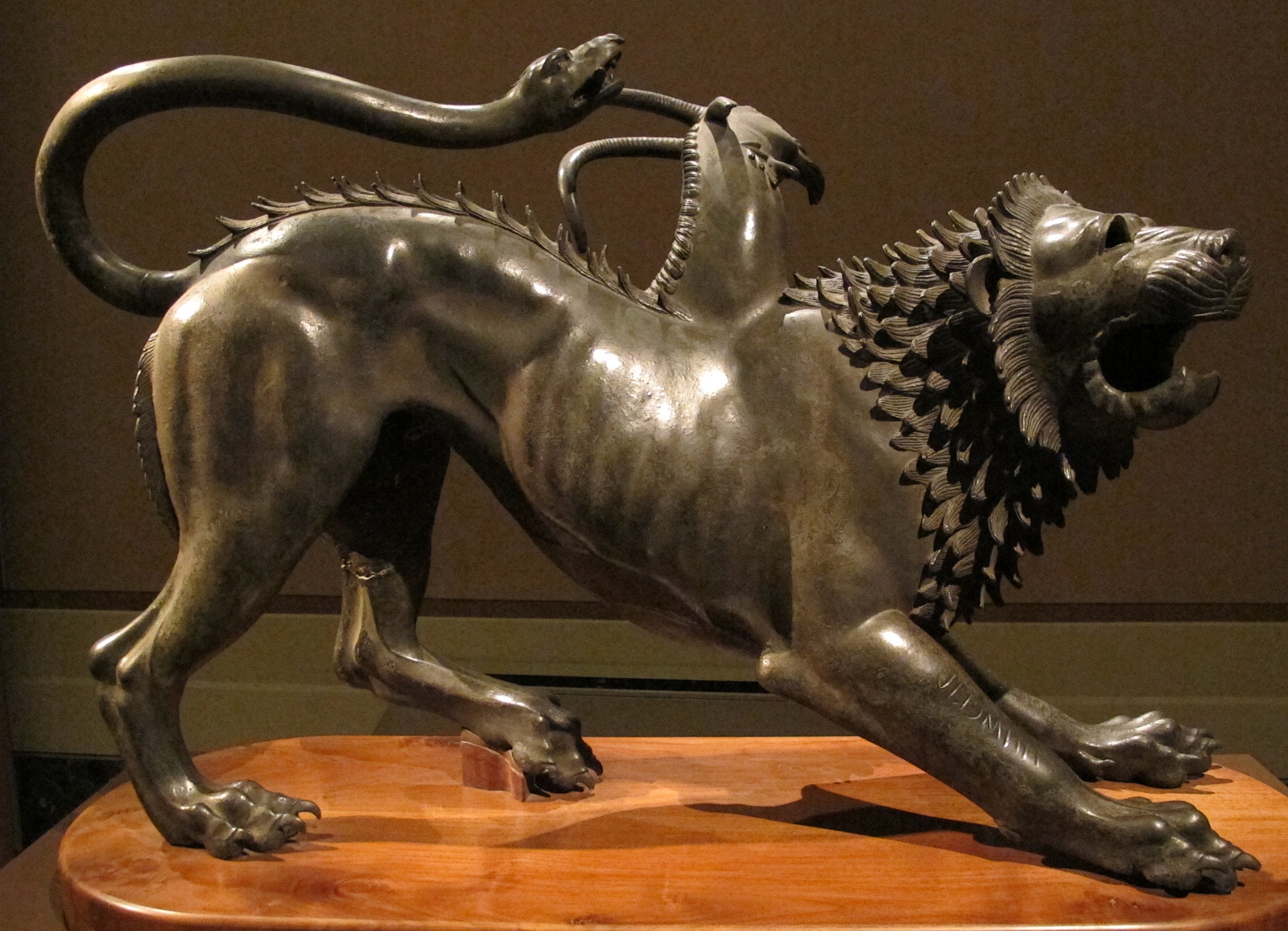
The Etruscan bronze statue of the Chimera of Arezzo depicts a mythological creature with a lion’s body, a goat’s head protruding from its back and a snake-like tail, a symbol of Etruscan art preserved at the National Archaeological Museum of Florence.
Photo © Sailko
Photo © Sailko

National Archaeological Museum of Florence: 10 reasons to visit

Etruscan, Roman, Egyptian and Greek treasures in the heart of Florence

The National Archaeological Museum of Florence is a must-see for those wanting to discover unique treasures in the heart of the city. Located in Palazzo della Crocetta, the museum grew out of the ancient collections of the Medici and Lorraine families, counting Etruscan and Roman artifacts from excavations in Tuscany, as well as extraordinary Egyptian and Greek collections. To visit this museum is to journey through time, counting history, art and archeology amongst the plethora of reasons to include it in your Florentine itinerary.

Contents
  • 1.
    The Egyptian Museum
  • 2.
    The Chimera of Arezzo
  • 3.
    The Orator
  • 4.
    The Sarcophagus of Larthia Seianti and that of the Amazons
  • 5.
    The Idolino of Pesaro and the François Vase
  • 6.
    The Minerva of Arezzo
  • 7.
    The Medici Corridor
  • 8.
    The Archaeological Garden
  • 9.
    The Monetiere
  • 10.
    The Corridor of Gems
  • 11.
    Renovations and evolving spaces
  • 12.
    Additional experiences
1.

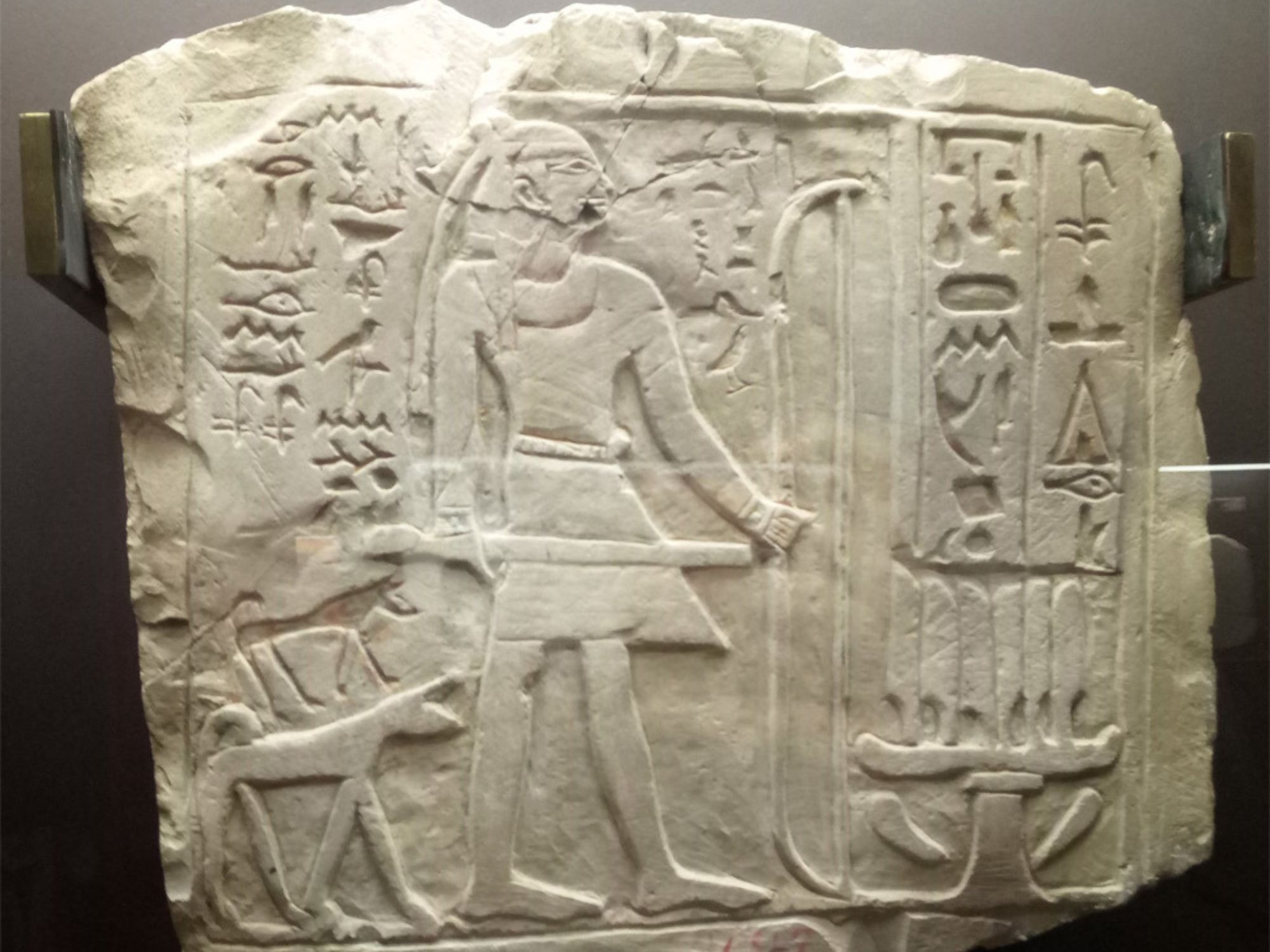
The Egyptian Museum

An Egyptian table on display at the Egyptian Museum in Florence, with hieroglyphic inscriptions and stylized figures typical of ancient Egyptian art.
Egyptian Museum in Florence - Credit: Fugzu

The museum tour begins with the Egyptian collection, which was enriched in the 19ᵗʰ century thanks to the work of Ippolito Rosellini, who collaborated with Jean-François Champollion to decipher the hieroglyphics. Among the most fascinating finds are sarcophagi, statues, mummies, stelae and even a small wooden chariot from the time of Tutankhamun. The rooms are set up to recreate the atmosphere of an Egyptian temple or tomb, with fake columns, hieroglyphics and a starry ceiling that dazzles adults and children alike.

1.

The Chimera of Arezzo

The Etruscan bronze statue of the Chimera of Arezzo, depicting a mythological monster with a lion’s body, a goat’s head protruding from its back and a snake’s tail, preserved at the National Archaeological Museum of Florence.
Chimera of Arezzo - Credit: Sailko

Among the most famous pieces is the Chimera of Arezzo, an Etruscan bronze statue dating from the 5ᵗʰ century B.C., unearthed in Arezzo in 1500. This mythological creature, with a lion’s head and body, a goat’s head protruding from its back and a serpent’s tail, represents Bellerophon’s adversary and bears on its joint an Etruscan inscription, “tincsvil,” dedicated to the god Tinia.

1.

The Orator

Roman bronze statue known as The Orator, depicting a standing speaker with right arm raised, a symbol of eloquence and authority, preserved in the National Archaeological Museum of Florence.
The Orator - Credit: Sailko

In the same room is L’Arringatore (The Orator), an Etruscan bronze depicting Aulus Metellus, likely an important politician of the time. The pose and toga suggest his public function, while the realism of his face renders this work a true masterpiece of Etruscan art.

1.

The Sarcophagus of Larthia Seianti and that of the Amazons

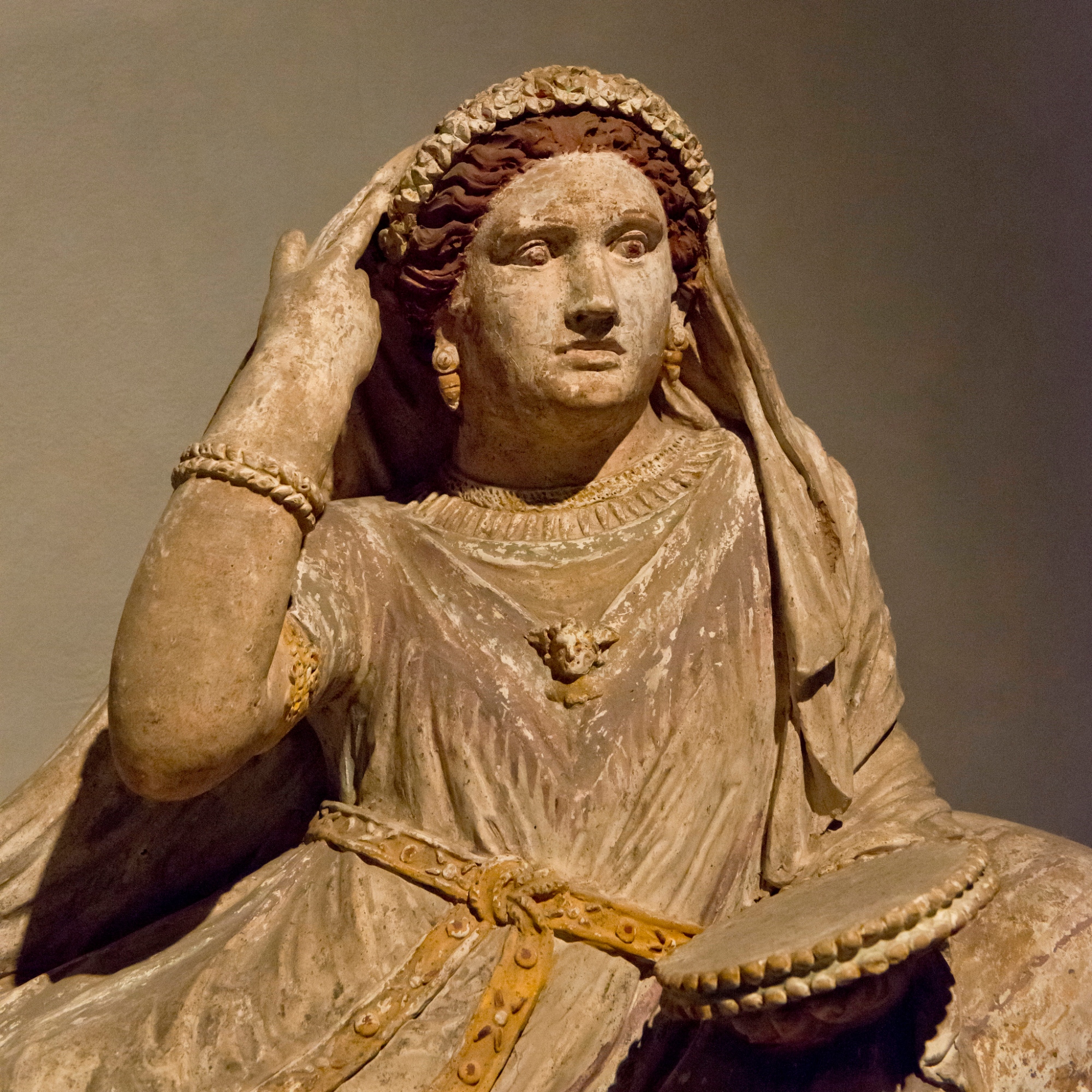
The Etruscan sarcophagus of Larthia Seianti, in painted terracotta, depicts the figure of a woman reclining on a banquet couch with great clothing and funerary details, preserved at the National Archaeological Museum of Florence.
The Sarcophagus of Larthia Seianti and that of the Amazons title image - Credit: Egisto Sani

The museum also preserves exceptional Etruscan sarcophagi, such as that of Larthia Seianti, a wealthy woman from Chiusi, depicted lying on a kline and adorned with rich jewels, and the sarcophagus of the Amazons, adorned with scenes of battles between men and mythological warriors, all unique and highly dynamic.

1.

The Idolino of Pesaro and the François Vase

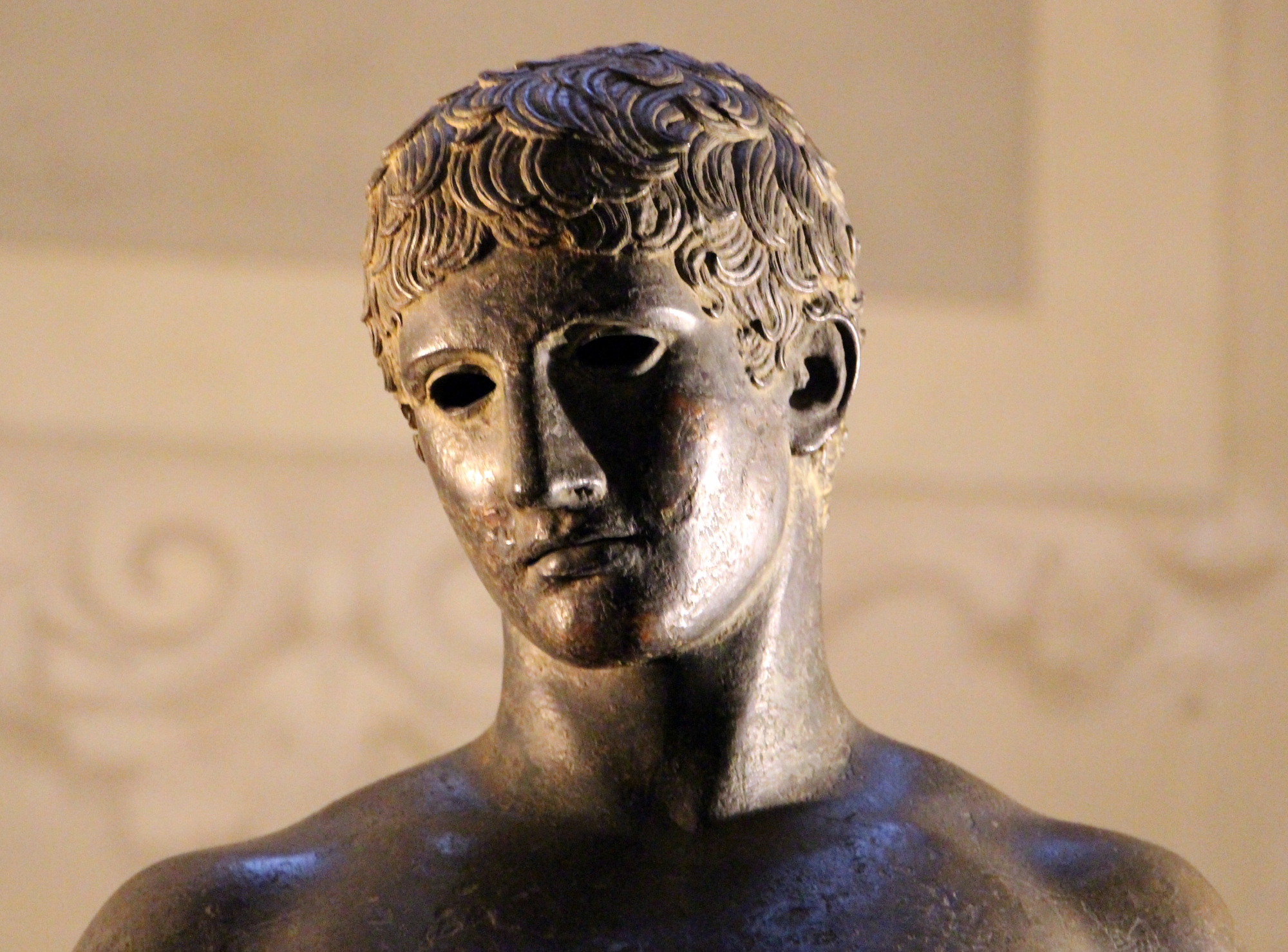
The Roman bronze statue known as the Idolino of Pesaro, depicting a young naked athlete in a contrapposto pose, a symbol of classical harmony and proportion, preserved in the National Archaeological Museum of Florence.
Idolino of Pesaro and the François Vase - Credit: Sailko

Prominent among the Roman and Greek masterpieces are the Idolino of Pesaro, a nude young man portrayed holding a vine, and the François Vase, a large Greek krater embellished with detailed mythological scenes, found near Chiusi and now considered the most famous vase in the world due to its narrative complexity.

1.

The Minerva of Arezzo

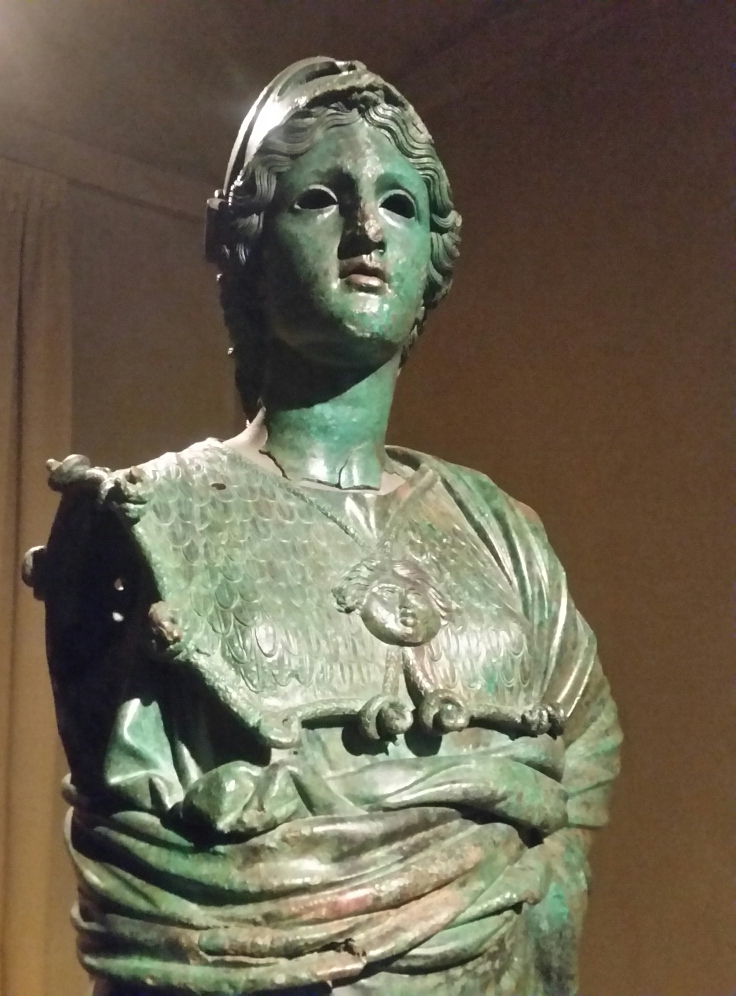
The Etruscan bronze statue known as The Minerva of Arezzo, depicting the armed goddess with helmet and shield, symbol of wisdom and protection, is preserved in the National Archaeological Museum of Florence.
Minerva of Arezzo - Credit: museoarcheologiconazionaledifirenze

Prominent among the large-scale Etruscan bronze statues is the Minerva of Arezzo, discovered in 1541 and restored several times throughout the centuries. The goddess of wisdom and war, made with the lost-wax technique, shows the mastery of Etruscan artisans and the attention of the Medici to preserving the artistic heritage.

1.

The Medici Corridor

The museum likewise safeguards interesting pieces related to the Medici family, such as the Medici Corridor, a secret passageway that connected the building to the Church of Santissima Annunziata. Used to allow young noblewomen to attend mass without being seen, today the corridor is only accessible on special occasions.

1.

The Archaeological Garden

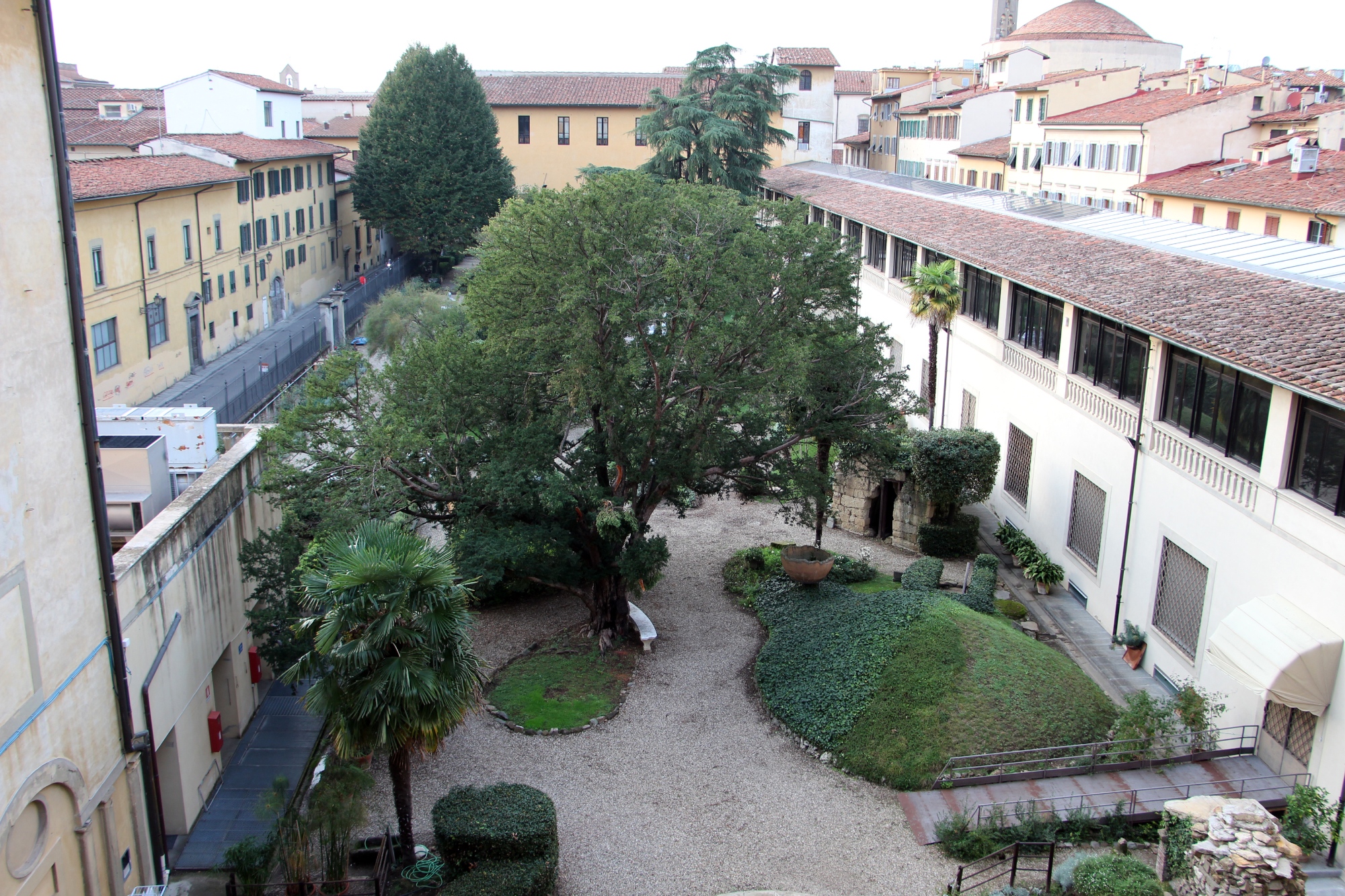
The Garden of the National Archaeological Museum of Florence, with manicured greens and paths pebbled with statues and archaeological artifacts out in the open, among trees and ornamental plants.
Garden of the Archaeological Museum of Florence - Credit: Sailko

Extending outside the museum is a vast monumental garden containing Etruscan tombs, burial mounds and funerary monuments in an open-air itinerary dedicated to Etruscan culture. First referenced in the 17ᵗʰ century as an agricultural area of the Medici residence, the garden was reorganized in the 18ᵗʰ century according to an Italian-style layout and, at the end of the 19ᵗʰ century, transformed into a veritable en plein air museum, where reconstructed Etruscan tombs create an evocative dialog between landscape, archeology and history.

1.

The Monetiere

The numismatics section, reopened in 2019, displays some 2,000 coins including Etruscan, Greek, Roman and modern coins out of a total of more than 60,000 pieces, including medieval and modern issues, offering a journey through the history of Mediterranean currencies.

1.

The Corridor of Gems

One of the world’s most important collections of ancient gems, displayed in an elegant, historicized hallway. Here are Egyptian scarabs, cameos plus Greek, Etruscan and Roman gemstones collected by the Medici and Lorraine families.

Renovations and evolving spaces

The museum is undergoing a phase of renovation and refitting of its halls, with ongoing works scheduled through 2025–2026. Some rooms may be temporarily inaccessible during these operations, but the museum never closes completely to the public and many major collections remain open to visitors, including the Egyptian and 2ⁿᵈ floor sections.

Additional experiences

In addition to the permanent exhibitions, the museum organizes guided tours, special evening openings, lectures and educational workshops for families and schools, ensuring the visit is interesting for adults and children.

The entrance to the museum is located on Via Capponi, Piazza Santissima Annunziata. Among the services, tickets can also be purchased for the Accademia Gallery or the Uffizi at the museum’s ticket office.

The National Archaeological Museum of Florence is thus an ideal destination for those who love art, history and archeology, offering a unique experience for adults and children alike, among ancient civilizations and timeless masterpieces.

For more information, visit the website.

Start your discovery

Must-see places, stage-by-stage routes, events and tips for your trip
Events • 3 results
Ideas • 63 results
Itineraries • 34 results
Travelogs • 6 results