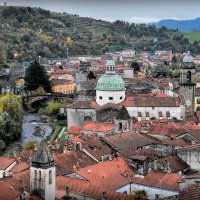
Lunigiana, a land of borders and passages, has been crossed for centuries by the Via Francigena, which retains deep traces of its spirituality here. The churches dotted along the way are not just places of worship, but authentic pages of history on which you can read about worship, art and the stories of the pilgrims who traveled along the road to Rome. From the austere Romanesque parish churches to the sanctuaries that emerged from legends and apparitions, each building retains the signs of an intertwining of the sacred and the popular, tradition and memory.
We begin a journey with seven important stops, to discover the spiritual heart of Lunigiana.
Built between 1919 and 1922 at the behest of a Genoese couple, Eugenia and Flavio Fasce, the Sanctuary of the Madonna della Guardia dominates the Cisa Pass with its neo-Romanesque and neo-Gothic forms. The church was blessed on July 16, 1922, and became a minor sanctuary in 1930, when the statue of the Virgin Mary was solemnly installed here. In 1965, the Madonna of the Cisa Pass was proclaimed patron saint of athletes throughout the world.
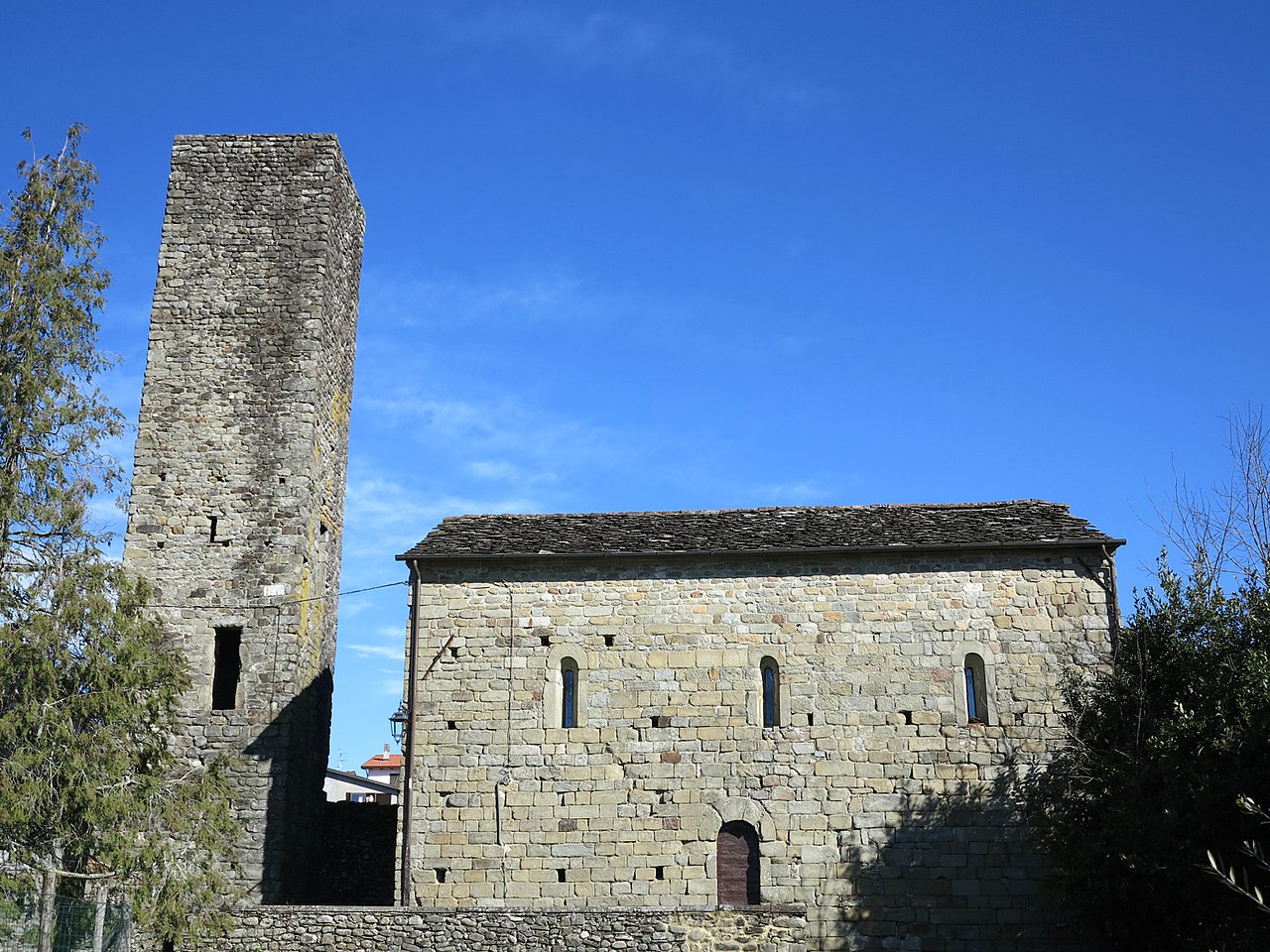
The Parish Church of Santo Stefano in Sorano, dating back to the 11th century, is a jewel of Romanesque art in Lunigiana. The massive stone façade makes it unmistakable. Prior to the present-day parish church, another early medieval church (8ᵗʰ–9ᵗʰ centuries) probably stood on this site, which may be the origin of the epigraph known as that of Leodegar (752 AD), currently kept inside the Church of San Giorgio in Filattiera. It was also mentioned in the late 10ᵗʰ century by Sigeric, Archbishop of Canterbury, who passed through this place on his return journey from Rome.
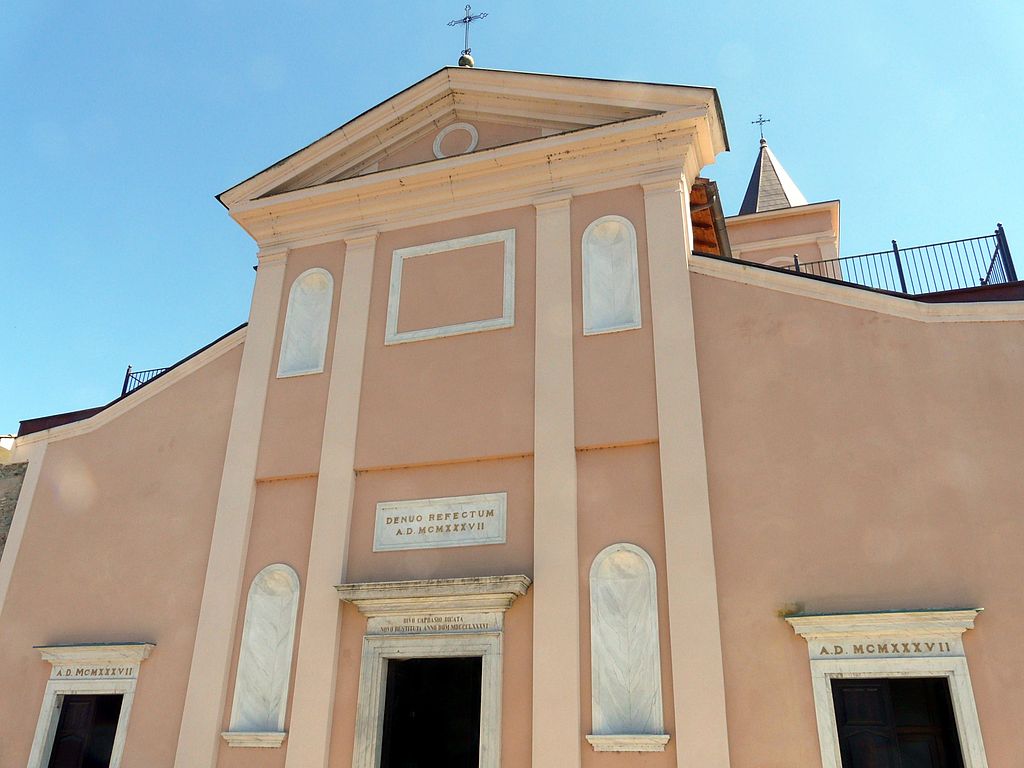
The Abbey of San Caprasio was founded in 884 by Marquis Adalbert I of Tuscany and is a rare example of a Tuscan church dedicated to the holy hermit from the Lérins Islands, Saint Caprasius. Despite numerous alterations, it retains the original 10th-century apse and precious medieval capitals. Excavations have unearthed traces of earlier buildings and the saint's monumental tomb, with reliquary, which is now part of a museum itinerary illustrating the history of the monastery and of medieval pilgrims.
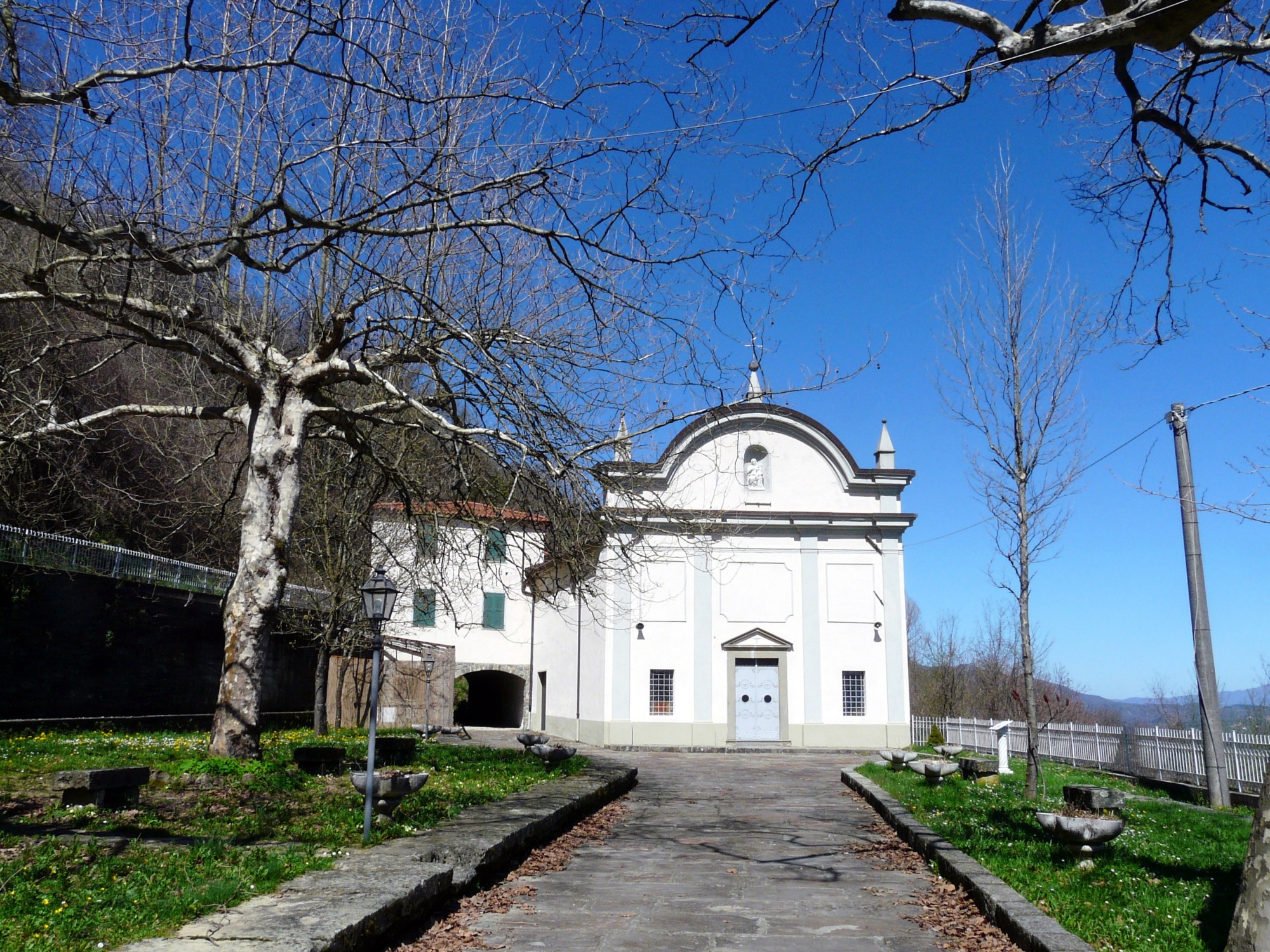
Built in the late 17th century in the location known as Il Gaggio, the Sanctuary of Madonna della Neve guards the memory of an apparition linked to an ancient chestnut tree, considered miraculous by worshipers. Popular devotion soon led to the rebirth of the building, which still contains a fragment of the sacred tree behind the altar. Every year, on August 5, the sanctuary attracts pilgrims from all over Lunigiana to venerate the image of the Virgin Mary and Child.
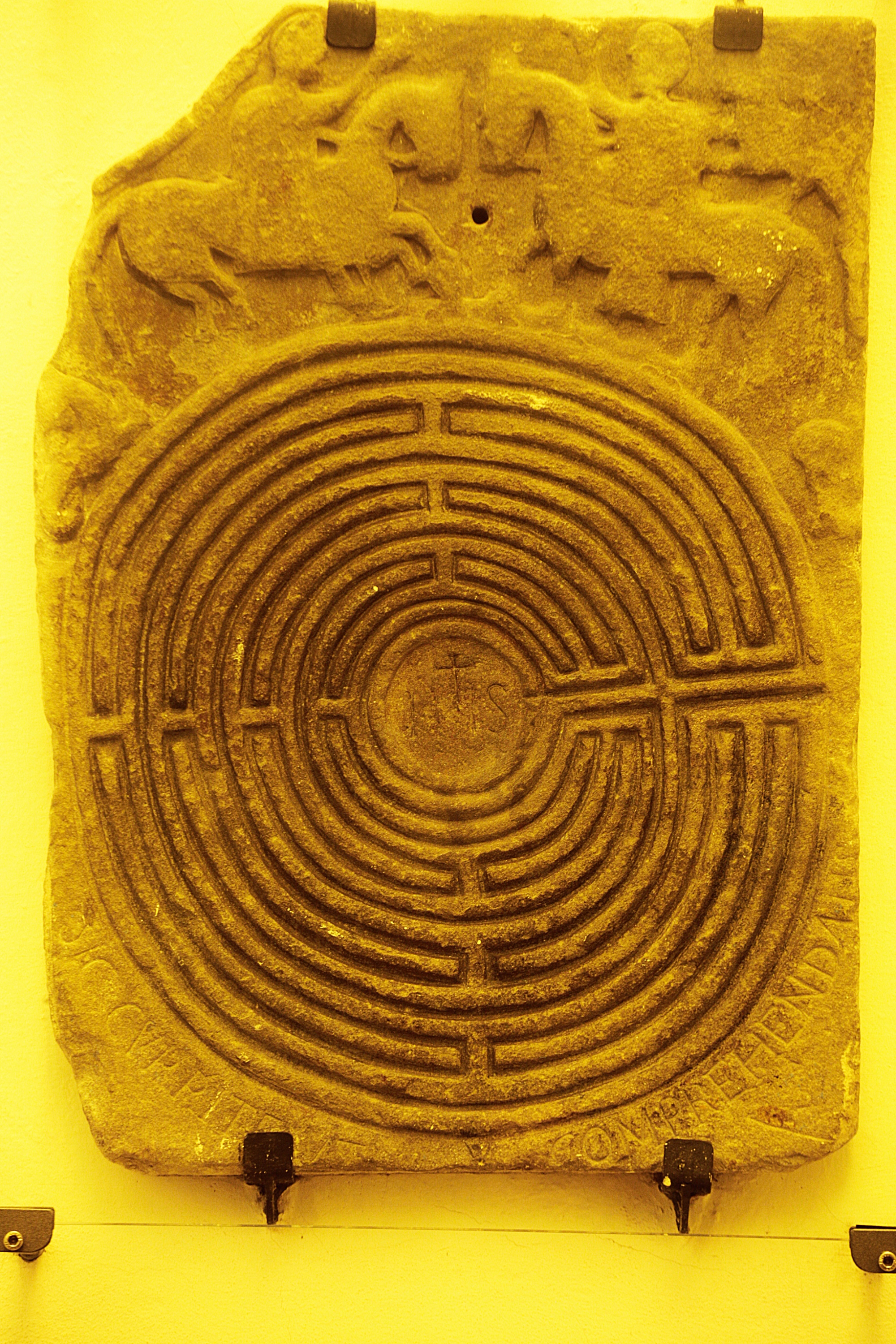
Located at the ancient Porta del Monasterio, the Church of San Pietro was originally linked to the Benedictine Abbey of Brugnato. Destroyed during World War II and rebuilt on the same site, it contains a valuable 12th-century sandstone slab with the Maze, a symbol of the pilgrims’ journey, and a carved architrave, depicting the apostle, now kept at Piagnaro Castle.
The 12th-century Church of San Giorgio contains the famous Tombstone of Leodegar (752 AD), one of the most ancient pieces of evidence linked to the Christian faith in Lunigiana. The inscription commemorates the evangelization work carried out by the bishop, who "broke the pagan idols", probably the stele statues in the area. Alongside the building, which has a single apsidal nave, there is a bell tower of defensive origin, while a second nave, added in the 14th century, was demolished in the 20th century.
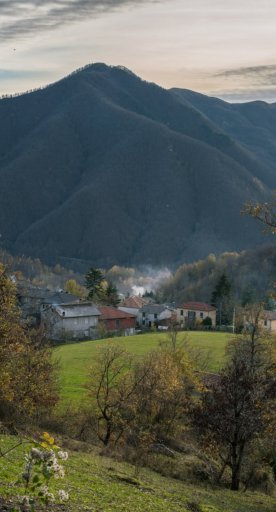
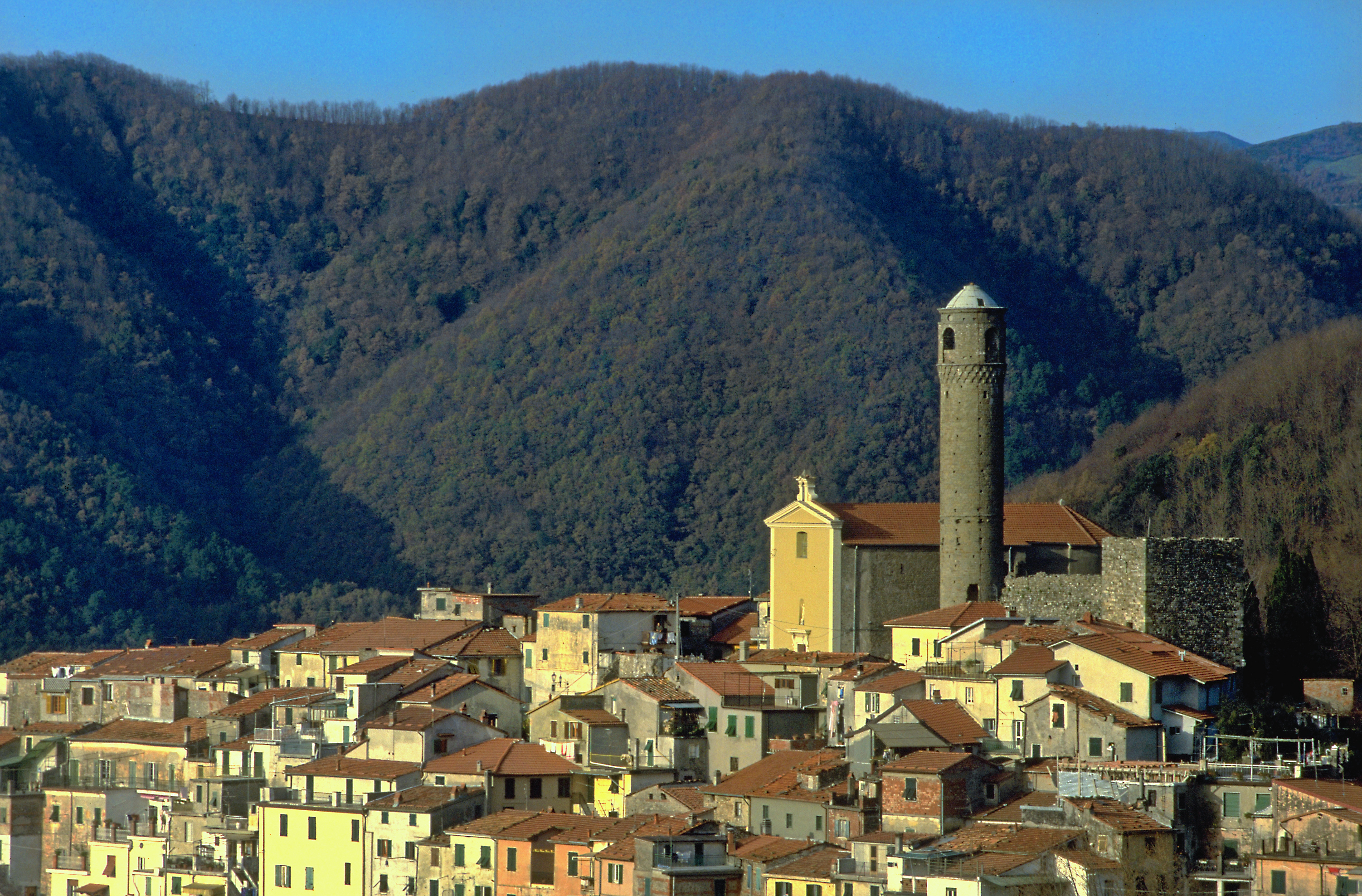
Built in the mid-17th century by reusing parts of the former church and a cylindrical tower converted into a bell tower, the Church of San Niccolò is the religious heart of Caprigliola. Inside, there is a painting dating back to 1740, portraying the holy bishop with the scene of the children in the barrel, linked to hagiographic tradition. The church also contains a rich patrimony of sacred furnishings and vestments.