The labyrinth has long fascinated due to one subtle ambiguity: it disorients while promising a direction, challenges but also invites you to keep exploring.
In Tuscany, this ancient image resurfaces in diverse and surprising forms: in the underground tunnels linked to an Etruscan legend, in the green geometries of historic gardens, in the signs carved in stone that have spoken to travelers and pilgrims for centuries.
It is a small journey inside an unusual Tuscany, where the labyrinth is not only a symbolic structure but an experience of space, storytelling and wonder.
Here are 4 places to discover among history, curiosities and legends that continue to fascinate.
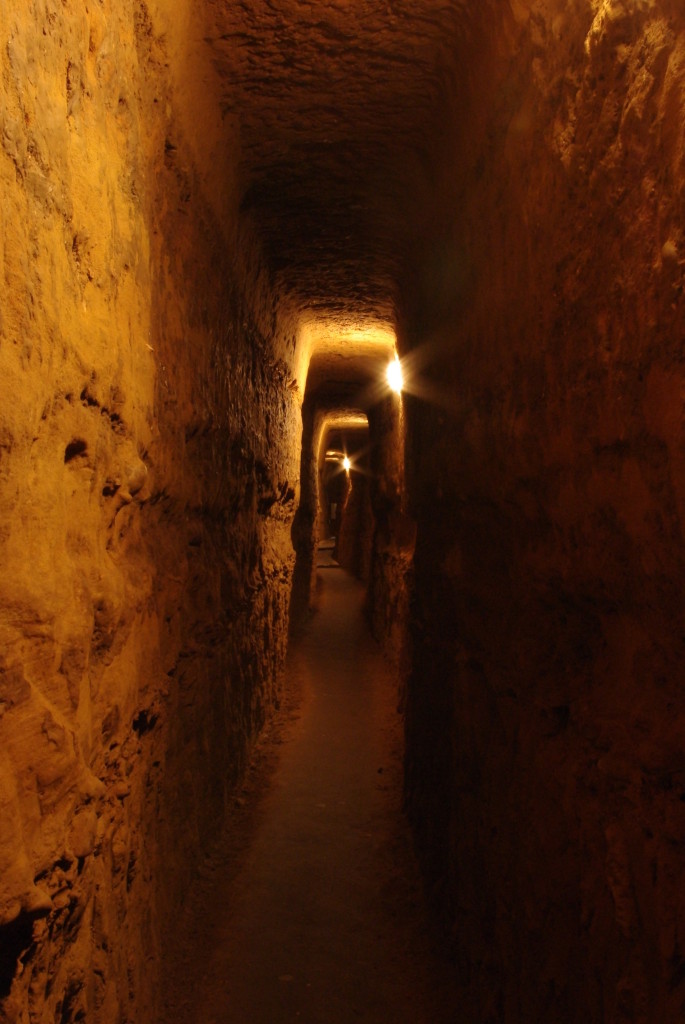
One of the oldest and most famous is the mythological Labyrinth of Porsenna, linked to the powerful Etruscan ruler who, according to legend, was buried under Chiusi with his treasure.
Starting from the Cathedral Museum, visit a fascinating underground passageway that runs below the city and ends in a large reservoir.
Popular tradition has it that this ancient Etruscan aqueduct became the mausoleum of Porsenna, also mentioned by Pliny the Elder but never identified with certainty.
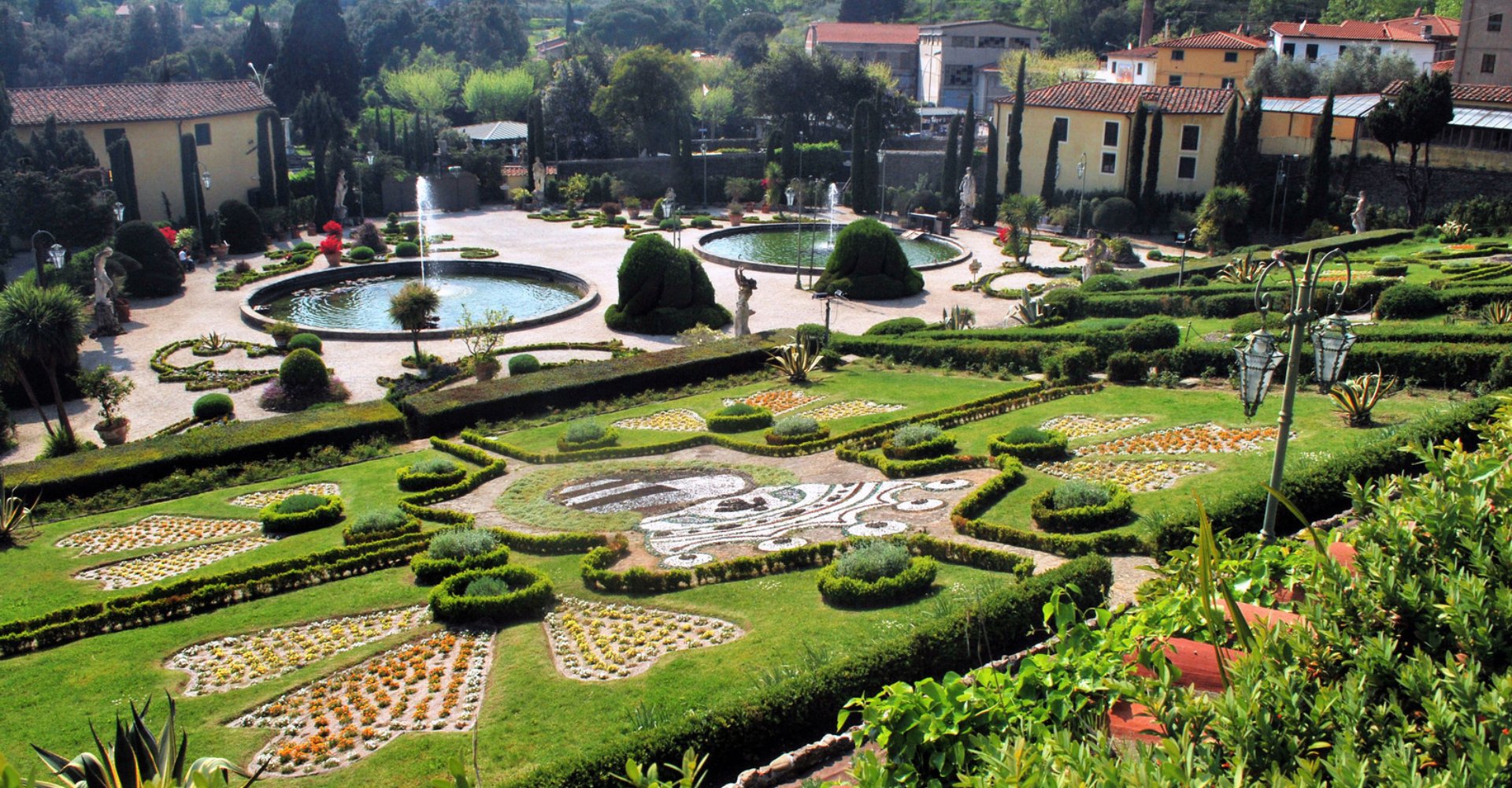
In Collodi, inside the Garzoni Garden, is a labyrinth that forms part of one of the most scenic complexes of Tuscany.
The father of Carlo Lorenzini, who would go on to become Collodi, also worked here as a gardener.
The garden is known for its water features, pools, statues, staircases, artificial grottoes and geometries in the greenery. According to a popular tradition, the labyrinth brings good luck to lovers. Walking here together is said to be a good omen for lasting love.
In the nearby Pinocchio Park, another labyrinth tells a more narrative and contemporary story.
Designed by Pietro Porcinai and completed in 1972, it is a green maze designed to evoke the larks of the puppet, with an unusual geometric layout and walls of ivy that accompany visitors on a path of discovery and bewilderment.
Restored in 2021, it is now a symbol of the park and one of its most striking stops.
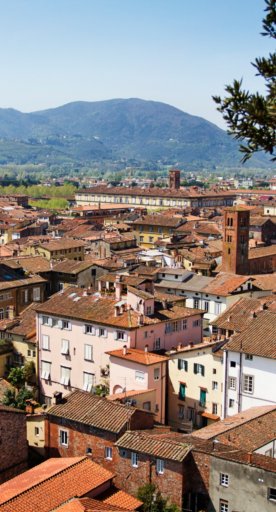
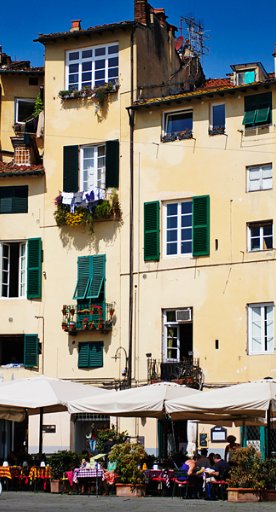
On the façade of the Cathedral of San Martino in Lucca is a small and enigmatic labyrinth carved in stone.
Alongside is an inscription that recalls the legend of Theseus and Ariadne along with the thread that allowed them to exit the labyrinth of Crete.
Due to this, the symbol has also been read as a reference to the spiritual path.
Its presence, in a city crossed by the Via Francigena, must have been particularly significant for traveling pilgrims.
The theme of the labyrinth also returns just outside Lucca, in Capannori, with the Pilgrim’s Labyrinth in the park of the Athena Museum.
Constructed along the route of the Via Francigena, it is a 4305-square-foot or 400-square-meter track formed by wooden poles and designed in the shape of a scallop, the symbol of pilgrims heading to Rome.
At its heart is the Pilgrim Tree, a work by Stefano Pierotti that depicts a handshake, a sign of union and welcome.
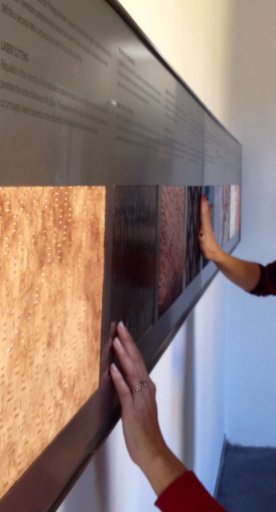
Also designed for visually impaired people, the labyrinth translates a contemporary space into an idea of travel, the effort of walking and the hospitality that has long marked pilgrimage routes.
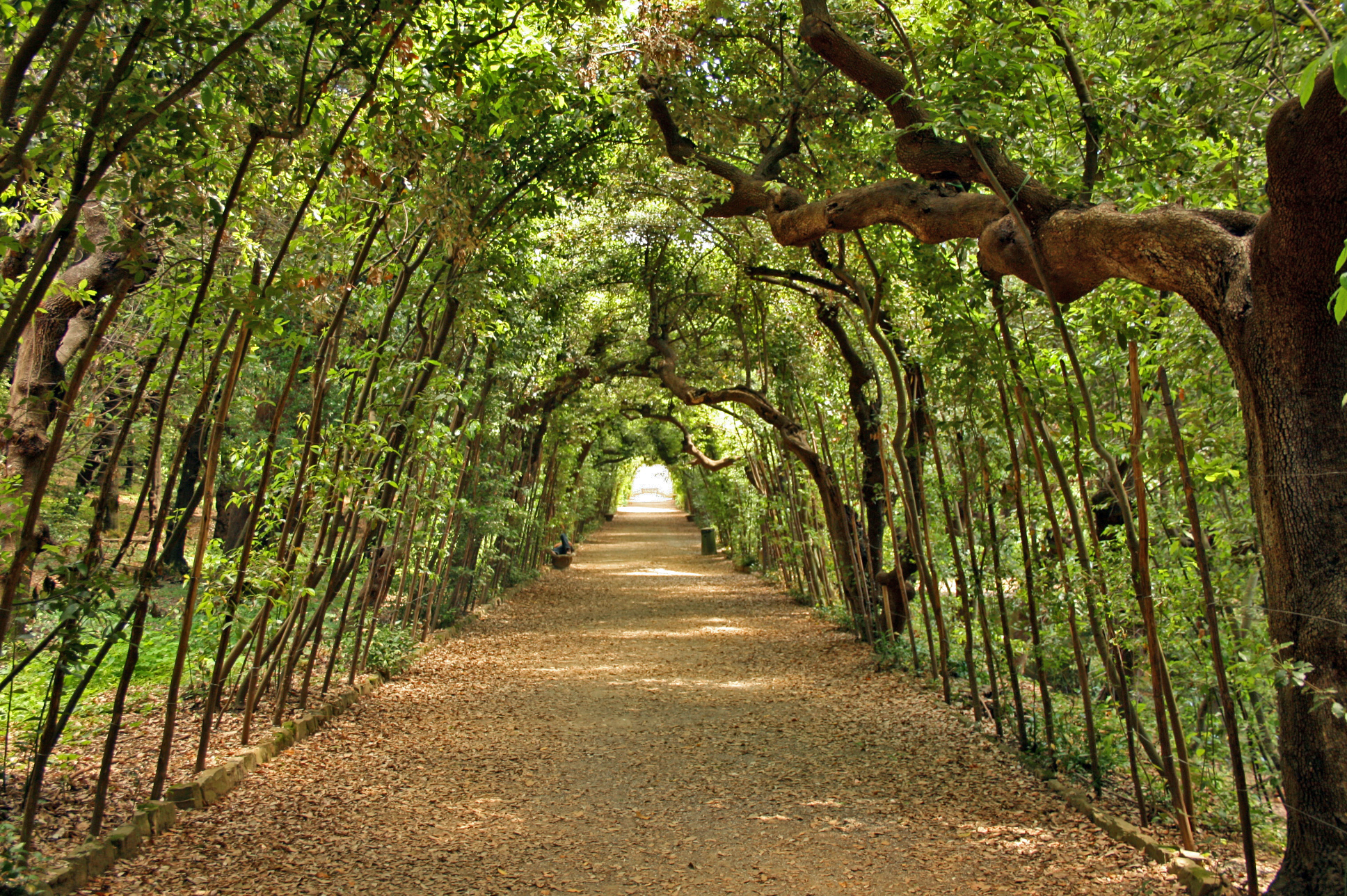
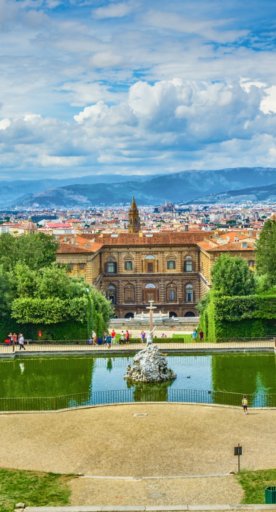
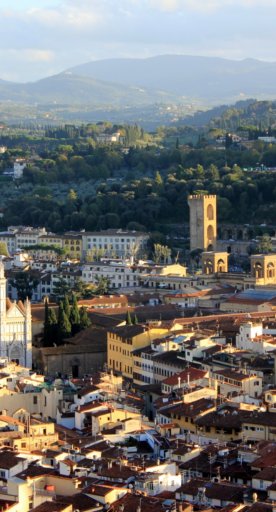
In the Boboli, the idea of the labyrinth takes shape along the shady paths of the Cerchiate (Branch Archways), which accompany the Avenue of Cypresses between galleries of plants and interwoven geometries.
Created beginning in 1612, when the Viottolone, labyrinths and bird nets also took shape, these structures originally had a practical function related to plant protection.
Instead, they today offer one of the most picturesque spots in the garden, where a stroll becomes focused, silent, almost secret. The canopies of intertwined holm oaks, along with laurels, viburnums, and phillyrea, build a green landscape that invites you to slow down and get lost with pleasure, amid shade, beauty and little encounters with the park’s wildlife.
At one time, however, the Boboli also guarded true mazes of greenery, arranged along the Viottolone in ellipsoidal, circular and octagonal shapes.
These pretty and symbolic paths were conceived as part of a grand baroque design in which nature, wonder and spectacle were intertwoven.
All that remains of those mazes today is the memory, along with some grassy glades that still mark their presence, after being removed the 1ˢᵗ half of the 19ᵗʰ century to make way for the carriage ramp commissioned by Grand Duke Leopold.