Go to main content
San Casciano dei Bagni
Photo © Ambito Valdichiana Senese

10 villages not to be missed in Tuscany

Ideas for discovering small towns with big charm

The hillside villages of Tuscany are places where time has settled gently. 
Walls follow the pattern of hills, clusters of streets, squares and buildings that preserve the memory of daily life. 
These are the towns that originated in medieval times, only to grow over the centuries without ever cutting ties with the surrounding area.

This route passes through 10 of the region’s most charming hillside villages, awarded, among other things, the Italian Touring Club’s Bandiera Arancione—or, Orange Flag—and chosen to tell the story of a Tuscany comprised of small towns, open vistas and preserved historical heritages. 
Places that are different from each other but united by a recognizable identity that renders them unique.

Contents
  • 1.
    Anghiari
  • 2.
    San Casciano dei Bagni
  • 3.
    Santa Fiora
  • 4.
    Montepulciano
  • 5.
    Barga
  • 6.
    Peccioli
  • 7.
    Pienza
  • 8.
    Pitigliano
  • 9.
    San Gimignano
  • 10.
    Poppi
1.

Anghiari

A glimpse of the village of Anghiari
Anghiari, a glimpse of the village - Credit: AdobeStock - ttinu

Anghiari is a charming medieval town nestled in the Tuscan Valtiberina, just a few miles from Arezzo. 
Listed among I Borghi Più Belli d’Italia (The Most Beautiful Villages of Italy), it retains an urban layout that has remained almost intact, following the course of the steep and characteristic central fold.
The village is revealed through glimpses, arches and stone walls, among historic buildings and vistas of the countryside below. 
In the plain at the foot of the town, the famous Battle of Anghiari was fought on June 29, 1440, seeing victory go to the Florentine troops over the Milanese. Leonardo da Vinci’s famous fresco of the Battle of Anghiari, now lost but still deeply rooted in the memory of the place, was also dedicated to that event.

1.

San Casciano dei Bagni

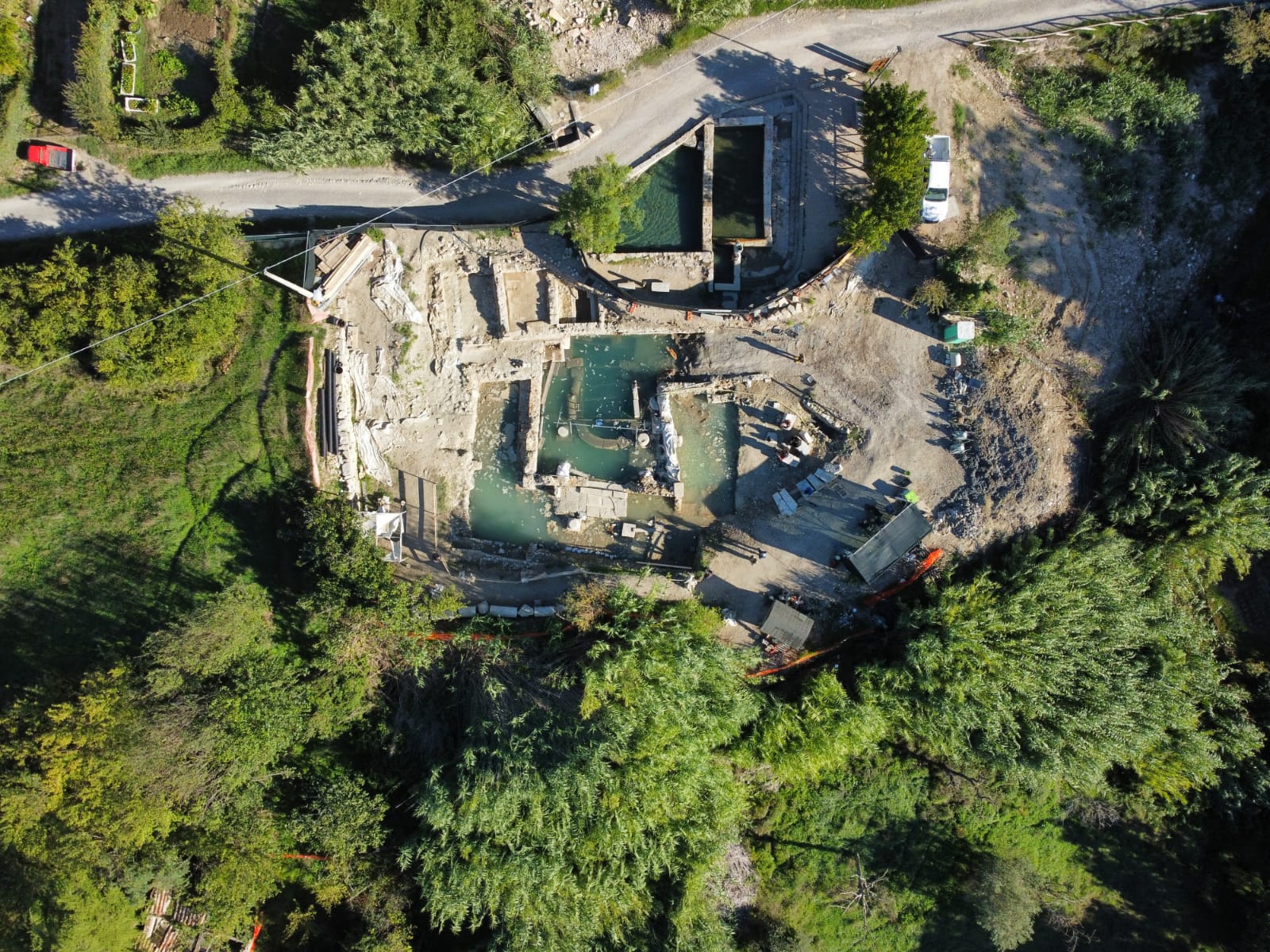
Overhead view of the archaeological discovery of the Santuario Ritrovato
View from the top of the Santuario Ritrovato (Rediscovered Sanctuary), on the outskirts of the village - Credit: Ministero della Cultura

Nestled between the hills of Val d’Orcia and Val di Chiana, San Casciano dei Bagni is one of the most charming spa towns in Tuscany, famous since ancient times for its numerous sulfur springs. 
Even the Etruscans sensed its value, later amplified by the Romans, as evidenced by the archaeological finds unearthed in the area, through extraordinary archaeological excavations in which the biggest haul of intact treasure from the Etruscan-Roman period was found.
In the centuries that followed, the spa continued to attract visitors from all over Europe, helping to shape the village's identity. Now, walking through the historic center, you notice ornate façades, noble palaces and important religious buildings such as the Insigne Collegiata di San Leonardo and the striking San Michele Arcangelo Church. 

1.

Santa Fiora

Santa Fiora as seen from above
Santa Fiora - Credit: Claudia D'Aliasi

Perched on a trachyte cliff on the slopes of Monte Amiata, Santa Fiora is a village deeply tied to water, the silent protagonist of its history and landscape.
Rising in a strategic position above the headwaters of the Fiora River, the town followed an independent course from neighboring towns. This was one of the main domains of the Aldobrandeschi family, resistors against Sienese aims for a long time. The town then passed to the Sforza family in the 15ᵗʰ century until falling under Florentine orbit in the 17ᵗʰ century. 
Today, Santa Fiora is one of the most fascinating destinations to discover, included among I Borghi Più Belli d’Italia (The Most Beautiful Villages of Italy), thanks to a large historic center divided into three terzieri (subdivision into three parts specifically). They are Castello, Borgo and Montecatino, home to palazzi, churches and ancient walls coexisting with lush nature. 
From the Peschiera, an evocative fishpond fed by the Fiora spring, to the church of the Madonna della Neve, built directly above the spring vein, water continues to emerge as part of the area’s core identity.

1.

Montepulciano

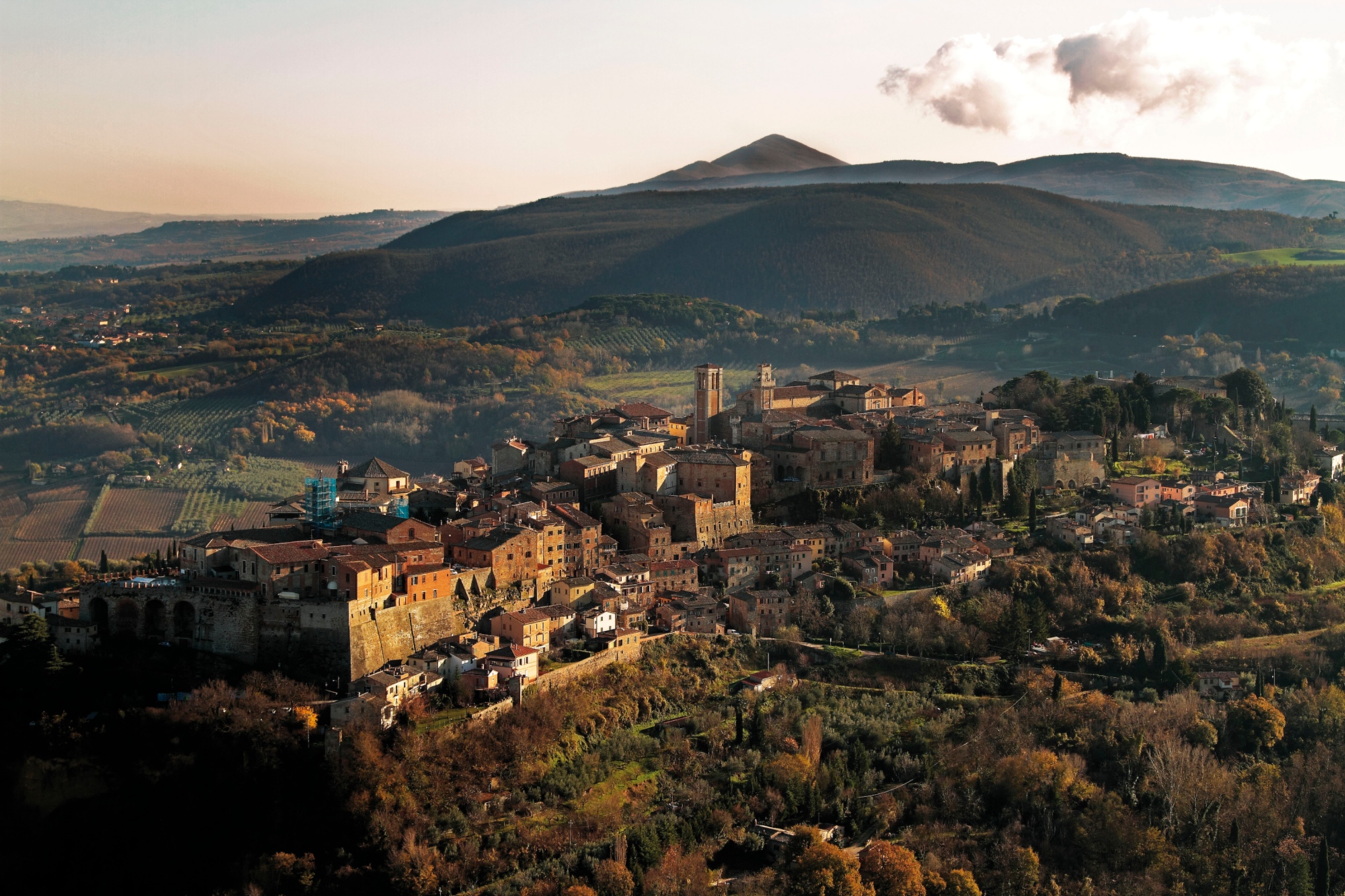
Montepulciano as seen from above
Montepulciano - Credit: VVC

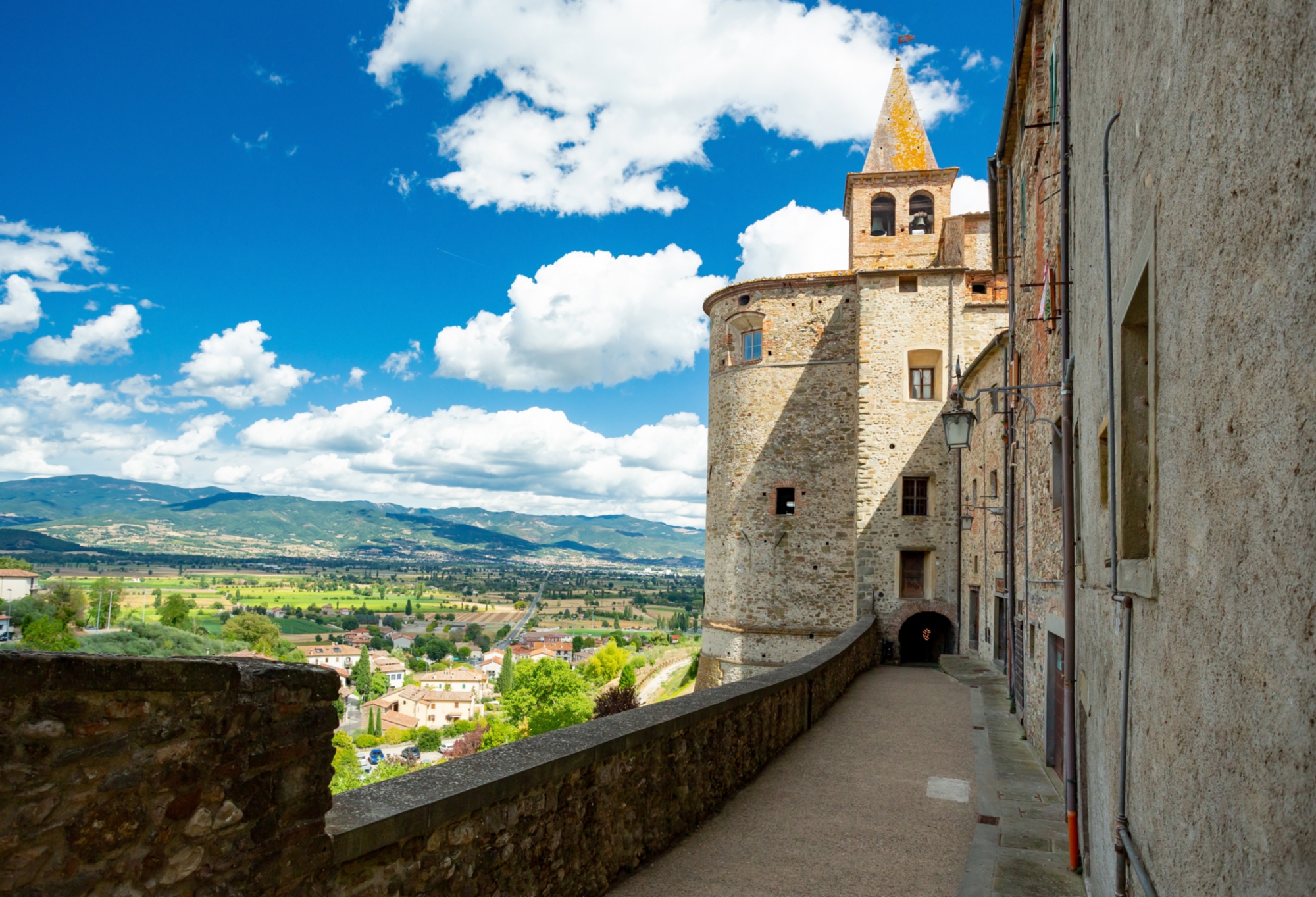
Montepulciano, in the Sienese Val di Chiana, stands in a position that opens its gaze to one of Tuscany’s most recognizable landscapes. 
A village of Etruscan origin and medieval layout, Montepulciano experienced its most splendid blooming during the Renaissance, leaving behind an elegant historic center of monumental buildings, churches and harmonious views. In the surrounds is a countryside delineated by rows of vines, undulating reliefs and cultivated fields.
The name of Montepulciano is inextricably linked to Vino Nobile, a symbolic product of an area considered among the best wine areas in the world. 
Don’t miss a visit to the monumental cellars, fascinating underground spaces in the heart of the historic center. 
Montepulciano, along with the entire Valdichiana Senese, was the 2024 Tuscan Capital of Culture.

1.

Barga

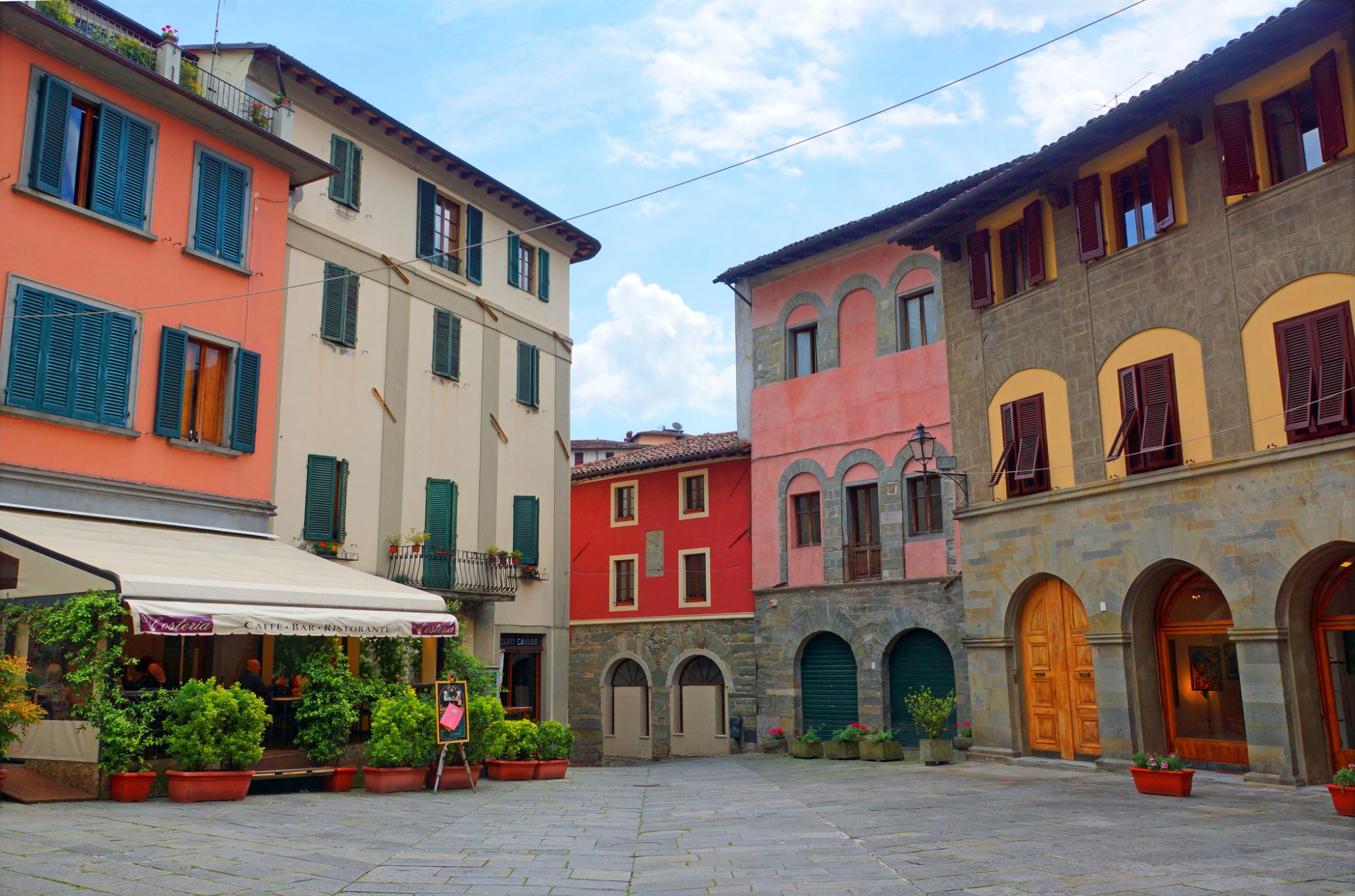
The historic center of Barga
Barga - Credit: Allie_Caulfield

Nestled on the sculptural profile of the Apuan Alps, the medieval village of Barga is the fulcrum of mountain scenery, history and culture. 
Listed among I Borghi Più Belli d’Italia (The Most Beautiful Villages of Italy), it retains a compact and well-kept historic center, perched around the rocky spur of the Castle and enclosed by a wall with three gates.
Strolling along alleys, cart-tracks and quaint piazzas means following an irregular path that leads naturally toward the San Cristoforo Cathedral, the culminating point of the village, from which the view opens to the rooftops of the historic center and, beyond, to the Apuan Alps. 

1.

Peccioli

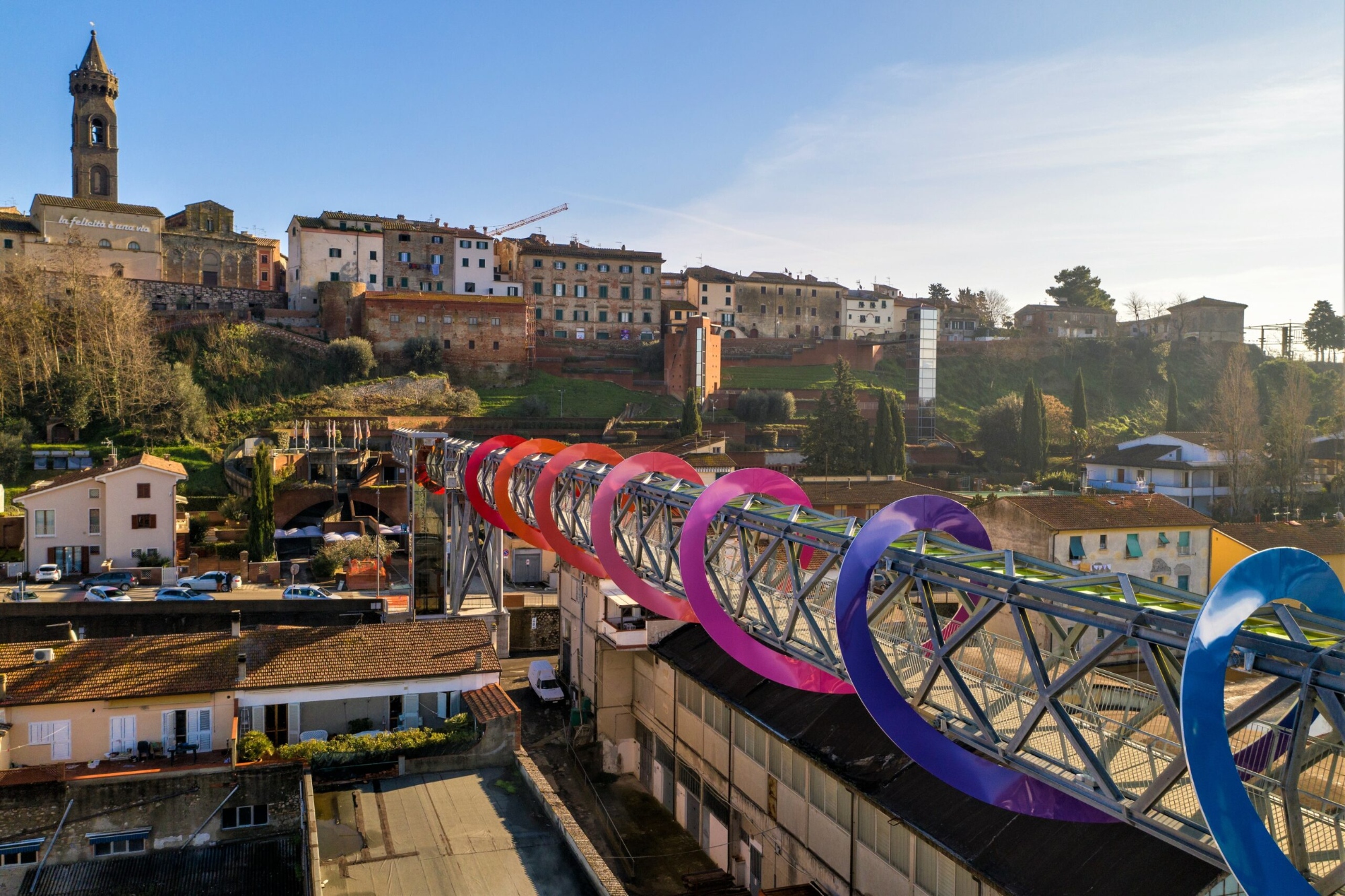
A view of Peccioli
Peccioli - Credit: Peccioli.net

Peccioli overlooks the hills of Valdera and was elected Borgo dei Borghi in 2024 by a famous TV program that awards the most fascinating “borghi” (villages) in the country.
With its medieval layout, the historic center is slowly uncovered amidst well-planned streets, backdropped by countryside views and an agricultural landscape that tells of its original vocation, comprised of cultivated hills, oil mills, farms and wineries.
Peccioli manages to combine its historical identity with an original itinerary related to contemporary art, transforming the town into a widespread open-air museum showcasing installations and artistic interventions, accompanying the visit without distorting the context, dialoguing with the landscape, archaeological memories and daily life. 

1.

Pienza

Pienza and an incredible view of the Val d'Orcia
Pienza - Credit: Serena Puosi

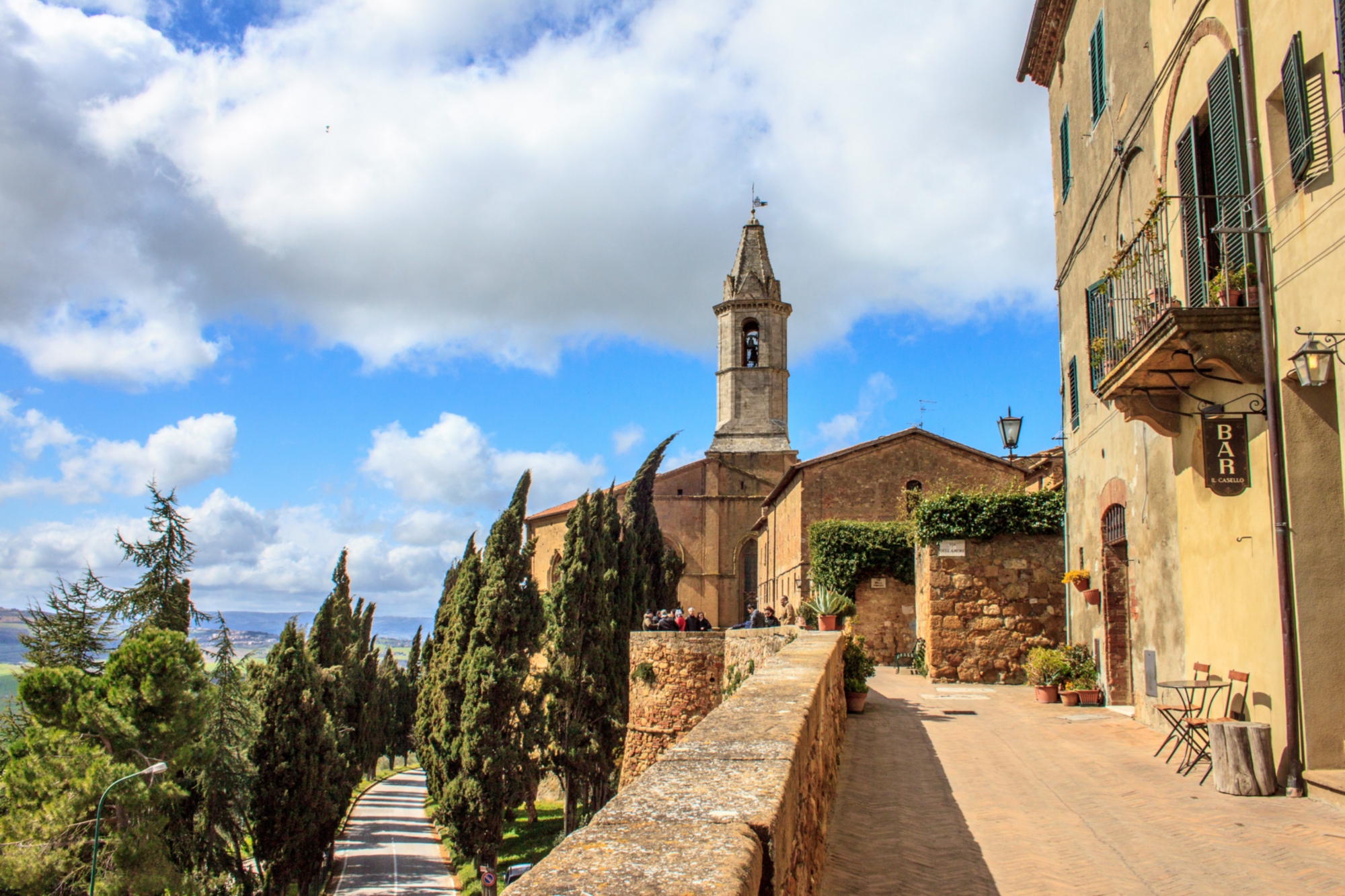
Pienza arose in the heart of the Val d’Orcia from a unified idea of beauty.
It was Pope Pius II, born here in 1405 and baptized Enea Silvio Piccolomini, who sought to transform the ancient village of Corsignano into a new city, entrusting the project to Bernardo Rossellino and the humanist thinking of Leon Battista Alberti. In just a few years, between 1459 and 1462, a harmonious and measured Renaissance town took shape, conceived as an ideal model of a city, “born from a dream of beauty,” as Giovanni Pascoli wrote.
Nestled among the hills of the Val d’Orcia, Pienza preserves this urban design, intact and legible as you stroll among the piazzas, palaces and glimpses of the countryside that open up. 
Since 1996, the village—along with the entire landscape of the Val d’Orcia—has been recognized as a UNESCO World Heritage Site.

1.

Pitigliano

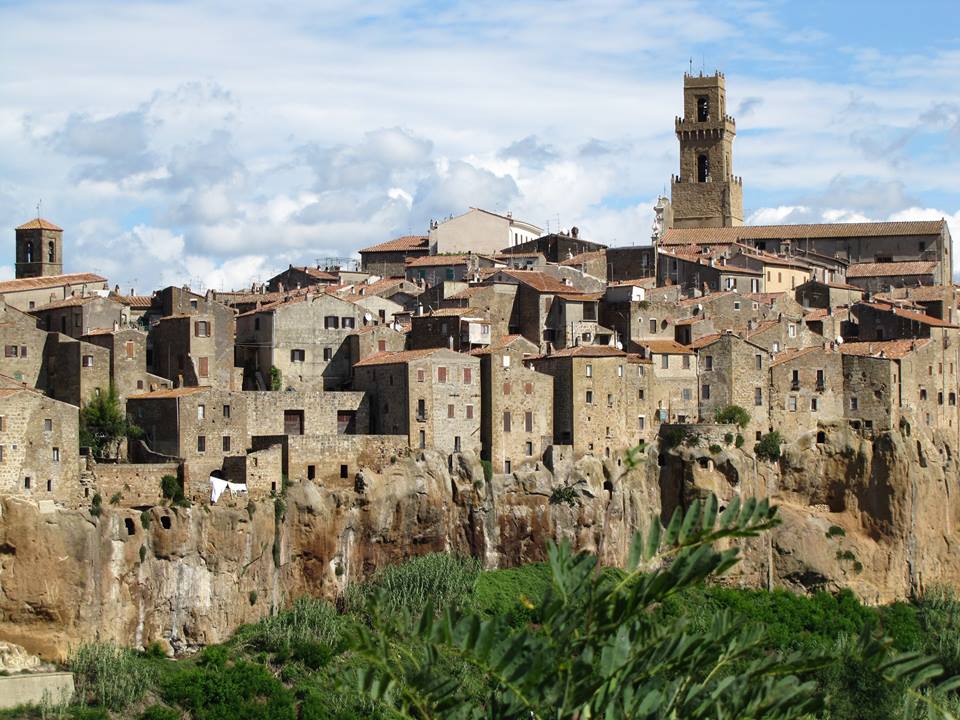
Panoramic view of Pitigliano
Pitigliano - Credit: Michela Simoncini

Known as “Little Jerusalem,” Pitigliano is one of the most picturesque villages in the Maremma.
Perched on a tuff spur at an altitude of 1027 feet (313 meters), it dominates green valleys furrowed by the Lente and Meleta Rivers. The houses, built directly on the rock and arranged vertically along the cliff, draw a compact and scenic urban form that makes this village unmistakable.
Here, history sinks into a very ancient past, ranging from prehistoric settlements, the obvious Etruscan remnants, through to the Roman age, also recalled by the very name of Pitigliano, according to tradition linked to Petilio and Celiano. 
Pitigliano is listed among I Borghi Più Belli d’Italia (The Most Beautiful Villages of Italy).

1.

San Gimignano

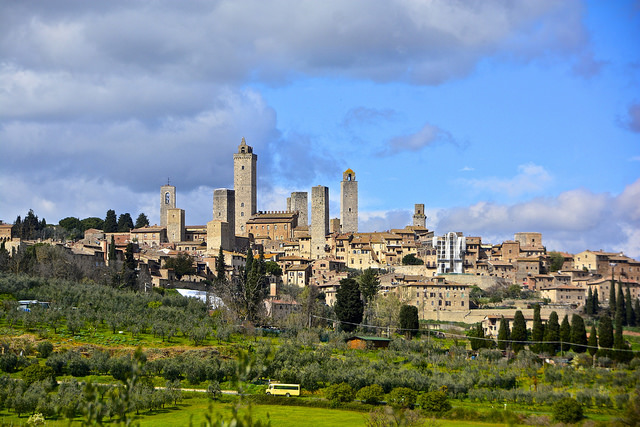
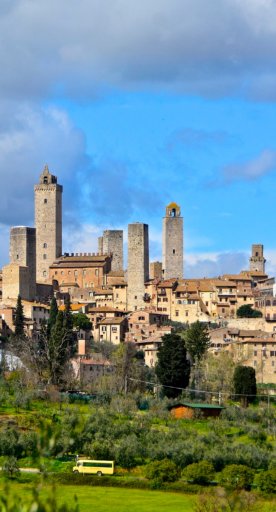
Panoramic views of San Gimignano
San Gimignano - Credit: Antonio Cinotti

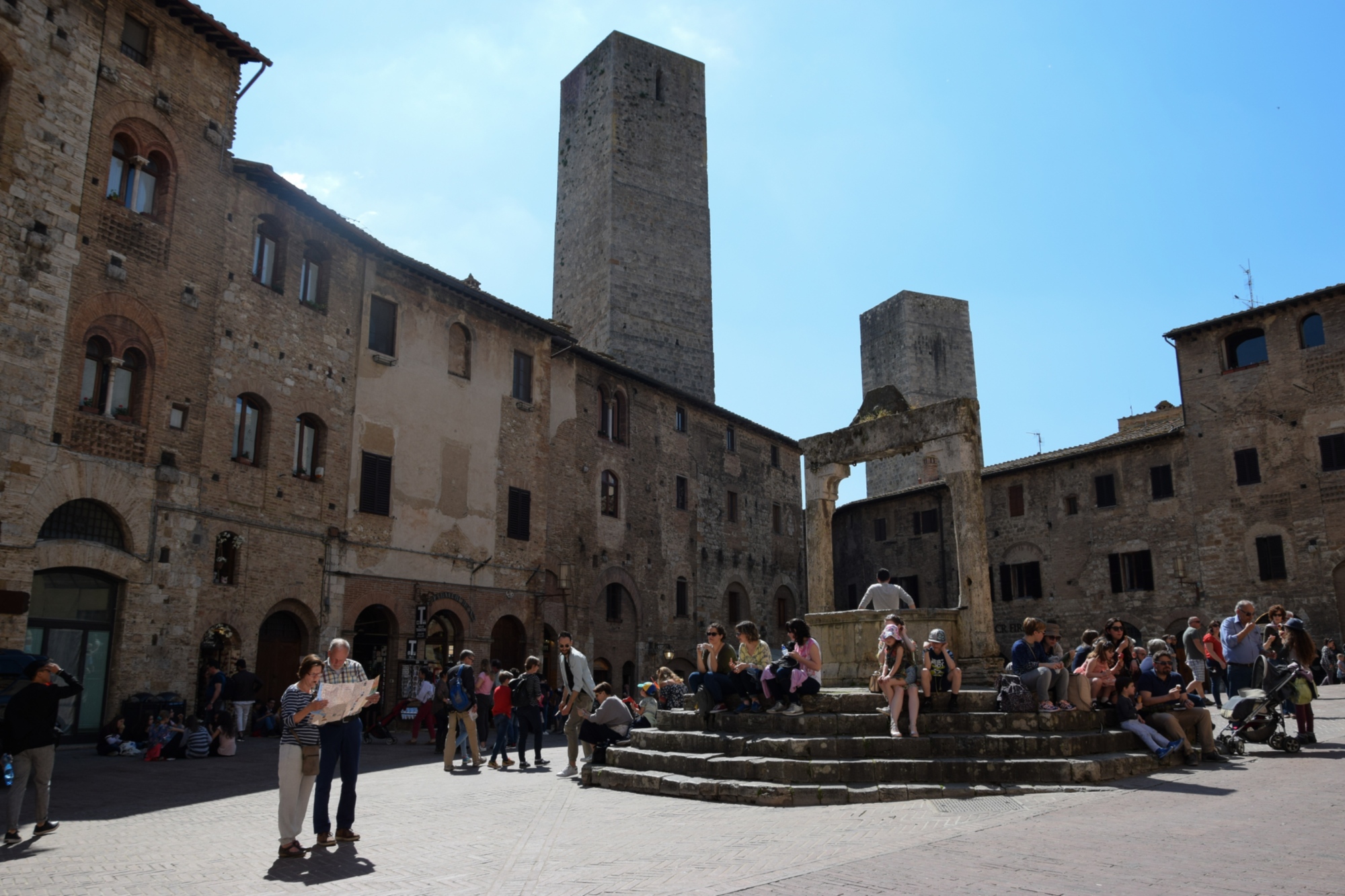
San Gimignano is one of Tuscany’s most iconic villages, immediately recognizable by the outline of its medieval towers looming on the horizon. Crossed by the Via Francigena, it was an important center of passage and trade in the Middle Ages. It is from that period that it derives the appearance that still makes it world-famous today. Not surprisingly, it is known as the “Manhattan of the Middle Ages”, a nickname arising from the exceptional number of towers that once dominated the town.
Situated among the hills of the Val d’Elsa, San Gimignano preserves an extraordinarily coherent historic center that restores the image of a town that has remained suspended in time. Since 1990, it has been recognized as a UNESCO World Heritage Site, a title that protects its uniqueness and historical value. To walk among its squares and streets is to be immersed in art, medieval architecture and the most typical Tuscan landscape.

1.

Poppi

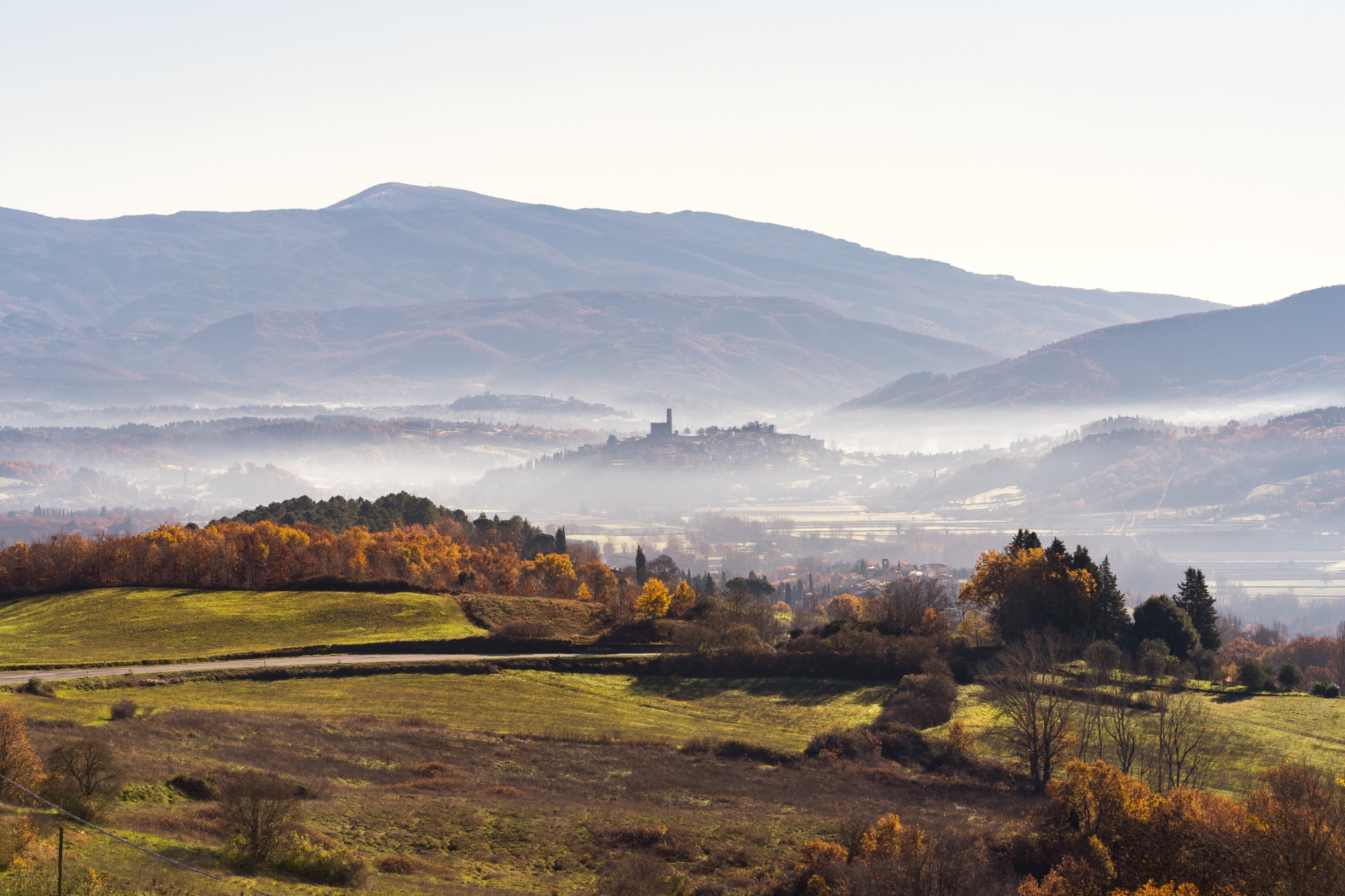
Poppi, immersed in nature
Poppi - Credit: Mattia Marasco

Listed among I Borghi Più Belli d’Italia (The Most Beautiful Villages of Italy), Poppi is one of the most representative towns of Casentino, an area where history, art and nature are intertwined. The history of the village is linked to the powerful family of the Conti Guidi, who established one of their main domains here and left a lasting imprint on the entire valley.
Dominating the town is the Conti Guidi Castle, a symbol of Poppi and an icon of Casentino. Its stern bulk looms above the village and overlooks the plain of Campaldino, scene of the famous 1289 battle between the Guelphs and Ghibellines. 
Built beginning in the 13ᵗʰ century, the Castle contains a well-structured inner courtyard with monumental staircases and heraldic coats of arms, a chapel frescoed by Taddeo Gaddi, and a valuable historical library.
Poppi is likewise a privileged gateway to nature. The village lies on the edge of the Casentinesi Forests, Monte Falterona and Campigna National Park, one of the largest and most untouched forest complexes in Europe. Commencing from here are itineraries leading to symbolic places such as the Camaldoli Hermitage and the Sanctuary of La Verna, immersed in centuries-old beech forests, embellished by silent paths and landscapes of great spiritual and environmental value. 

What’s nearby?

Must-see places, stage-by-stage routes, events and tips for your trip
Events • 4 results
Ideas • 109 results
Itineraries • 48 results
Travelogs • 4 results