Go to main content
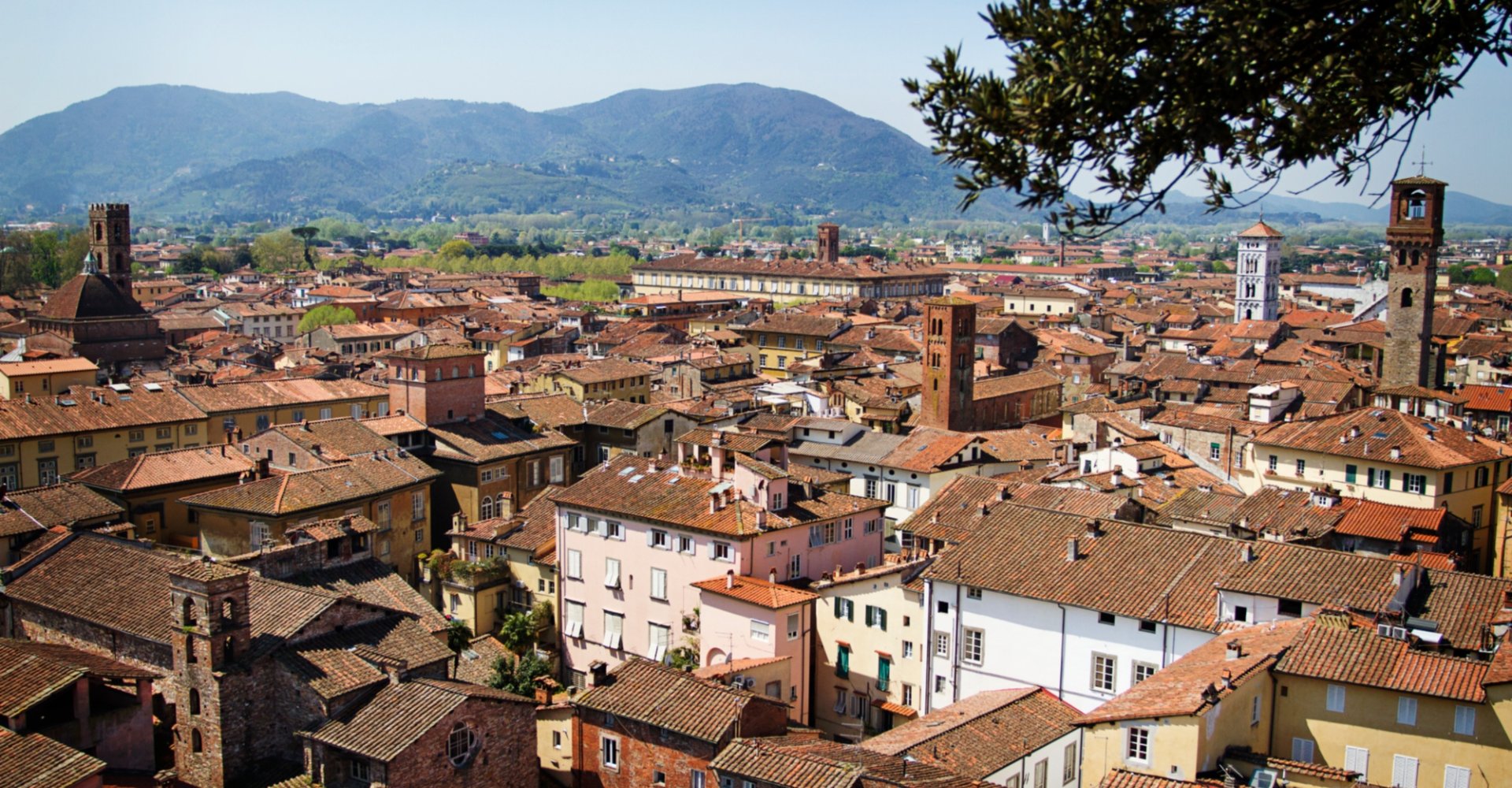
A bird's eye view of the historic center of Lucca
Photo © Emma Ivarsson

10 things to do in Lucca

A combination of history, art and nature enclosed within ancient walls

Lucca is a city that reveals itself little by little, with the silent grace of places that are guarding time. It is enclosed by perfectly preserved Renaissance walls, offering a harmonious blend of architecture, gardens, squares and traditions. 
Walking along its ramparts, climbing the towers, getting lost along he cobblestone streets or savoring the local cuisine is a journey through a quiet and true Tuscany. 
Here are ten experiences allowing you to discover the most charming side of Lucca, with art, music, nature and flavors.

Contents
  • 1.
    Experience the walls
  • 2.
    Climb the Guinigi Tower
  • 3.
    Lose yourself in the historic city center
  • 4.
    Stop off at the Roman Amphitheater
  • 5.
    Admire the sacred masterpieces
  • 6.
    Enter the buildings, discover the museums
  • 7.
    Dive into the greenery of the Botanical Garden
  • 8.
    Measure time from above
  • 9.
    Follow the melodies of great musicians
  • 10.
    A taste of Lucca
1.

Experience the walls

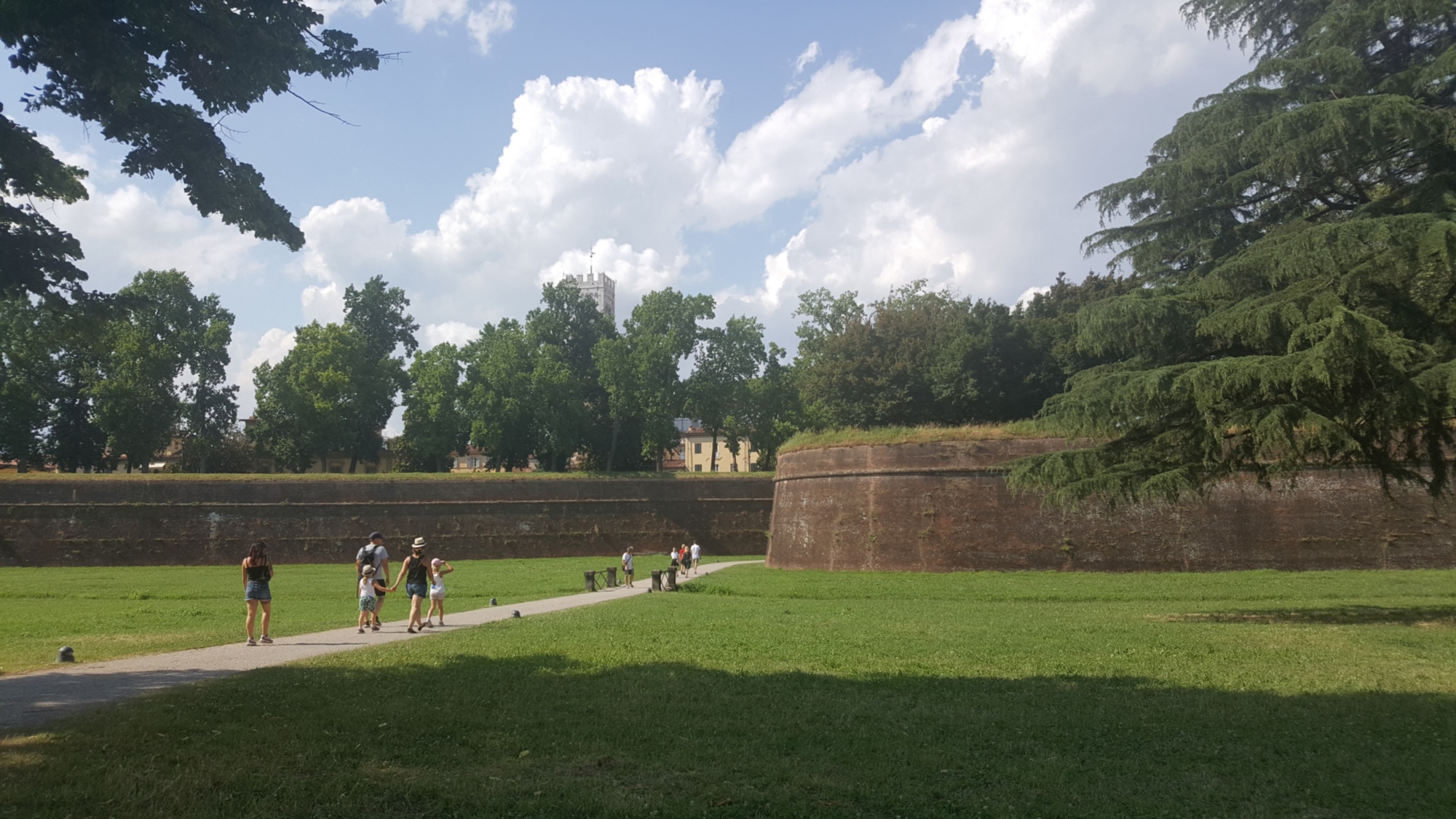
Lucca's Renaissance walls, surrounded by greenery, have now been transformed into a scenic tree-lined promenade around the historic city center
The walls of Lucca - Credit: C. D'Aliasi

Around the historic center are the walls of Lucca, a ring of over four kilometers, where you can walk or cycle and get in tune with the city. The wide, tree-lined path unwinds amid ramparts, turrets and sections in the shade of centuries-old plane trees, providing unexpected glimpses of ancient rooftops and hidden gardens.
Every moment here has its own atmosphere: the city silently awakens at dawn to the sound of birdsong, while at dusk the golden light embraces the battlements and stones, turning your walk into a slow journey suspended between history and silence.

1.

Climb the Guinigi Tower

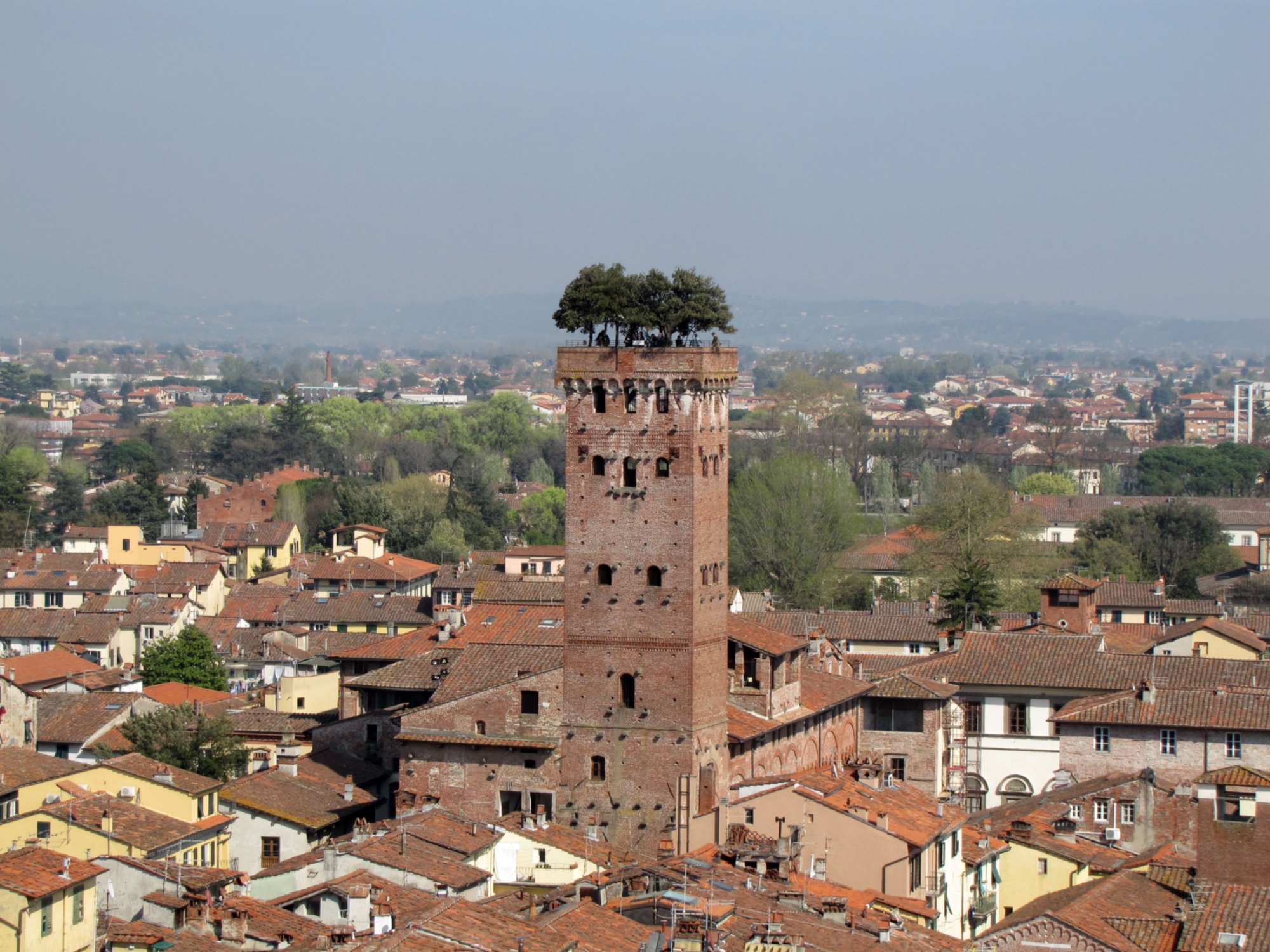
View of the tower with its green foliage
Guinigi Tower - Credit: Wikimedia

The Guinigi Tower will surprise you even before you climb to the top of it, with the green foliage of holm oaks popping up between the rooftops, telling a story of harmony between nature and architecture. It is 45 meters high and is the only private tower in Lucca that has remained intact over time
Its 230 steps climb between medieval walls and bright openings to an unexpected terrace: a small hanging garden with a view of the city and the surrounding hills. A unique experience where silence mixes with the ancient air of the city.

1.

Lose yourself in the historic city center

Going back down to the ground, you enter the beating heart of Lucca. Among the paved streets in the city center, Via Fillungo winds between medieval towers, noble palaces and emblems of times gone by. It is the liveliest and most iconic street in Lucca, where the historic shop windows alternate with cafés and ancient dwellings that tell the story of centuries of urban history. From here, you can discover hidden passages, quiet courtyards and views that change with every step you take. It is an invitation to let yourself be guided by curiosity around the elegant architecture and timeless atmospheres.

1.

Stop off at the Roman Amphitheater

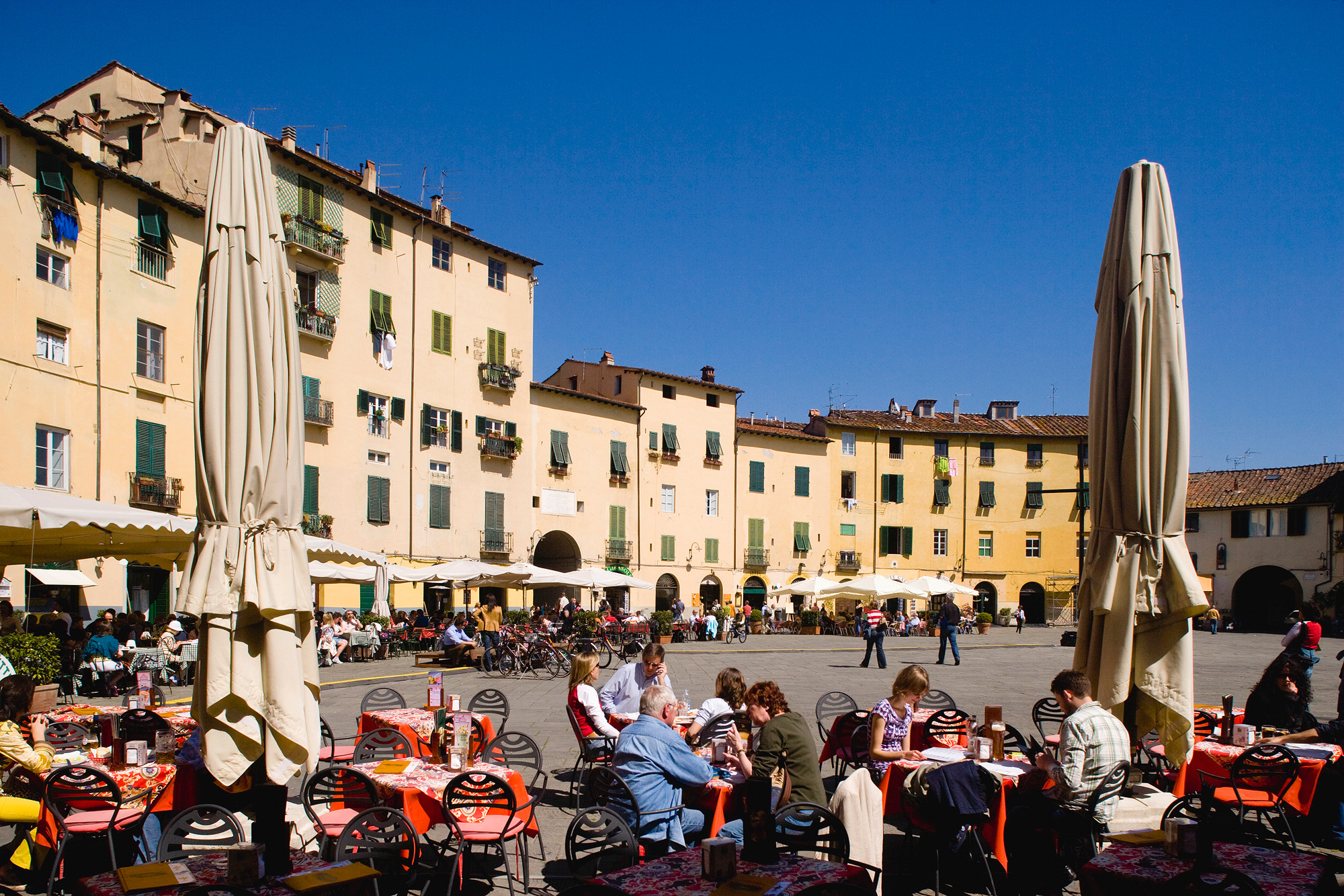
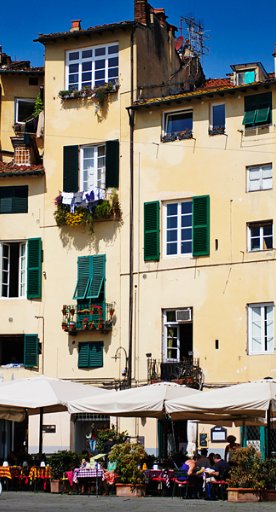
View of the famous square on a summer day, with people sitting at tables and a clear blue sky
Piazza dell'Anfiteatro - Credit: Massimo Borchi/SIME

Piazza dell'Anfiteatro is the symbolic heart of Lucca and has retained the elliptical shape of the ancient Roman arena on which it was built. Enclosed by pastel-colored buildings that perfectly follow its original curve, the square is only accessible via four arched entrances, as if to protect its cozy atmosphere. 
Sitting at a table in the open air, surrounded by little shops, cafés and restaurants, means occupying a space that has been pulsating with life for centuries: where the voices of spectators once echoed, all you can hear now is the quiet rhythm of the city.

1.

Admire the sacred masterpieces

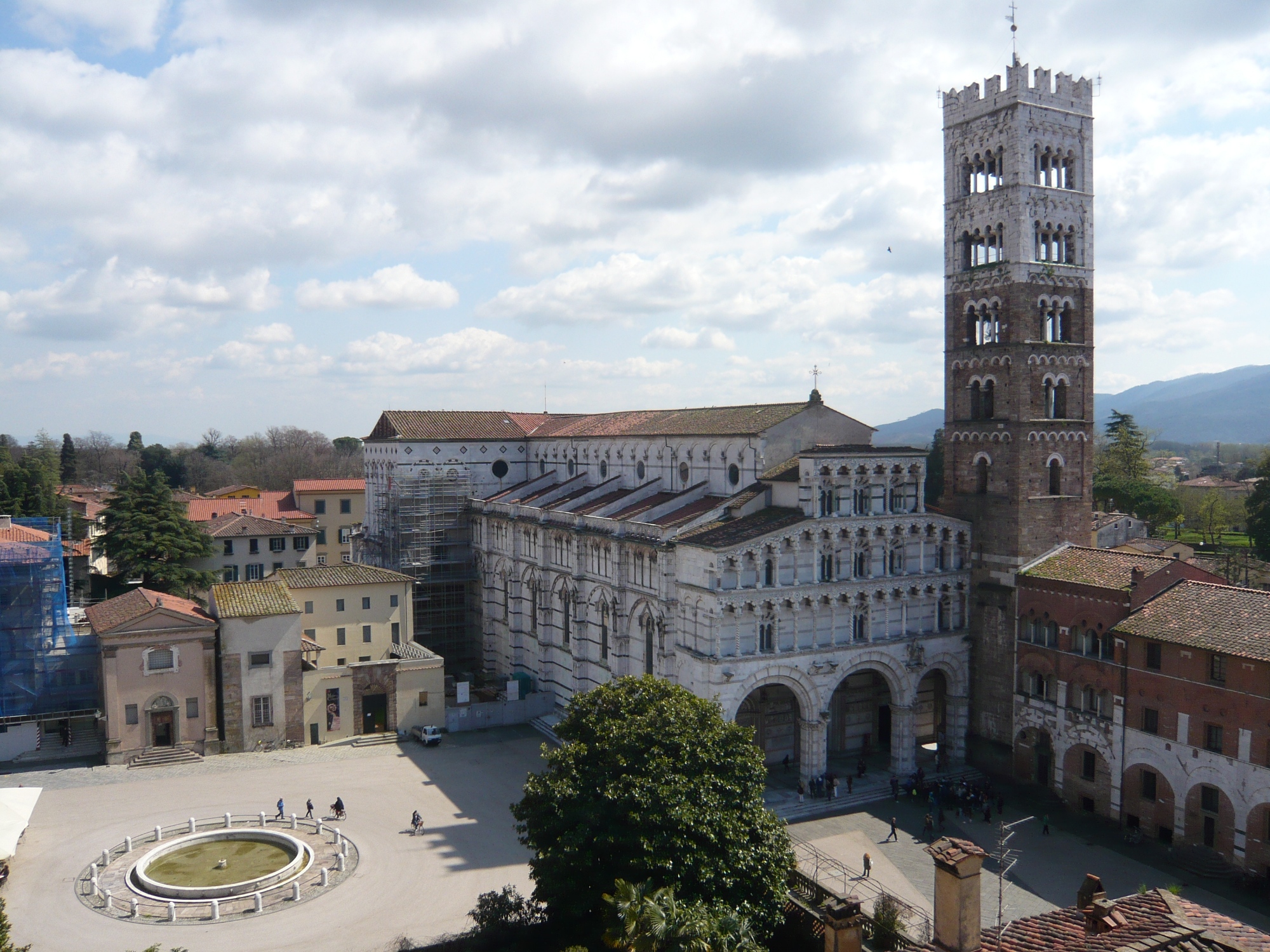
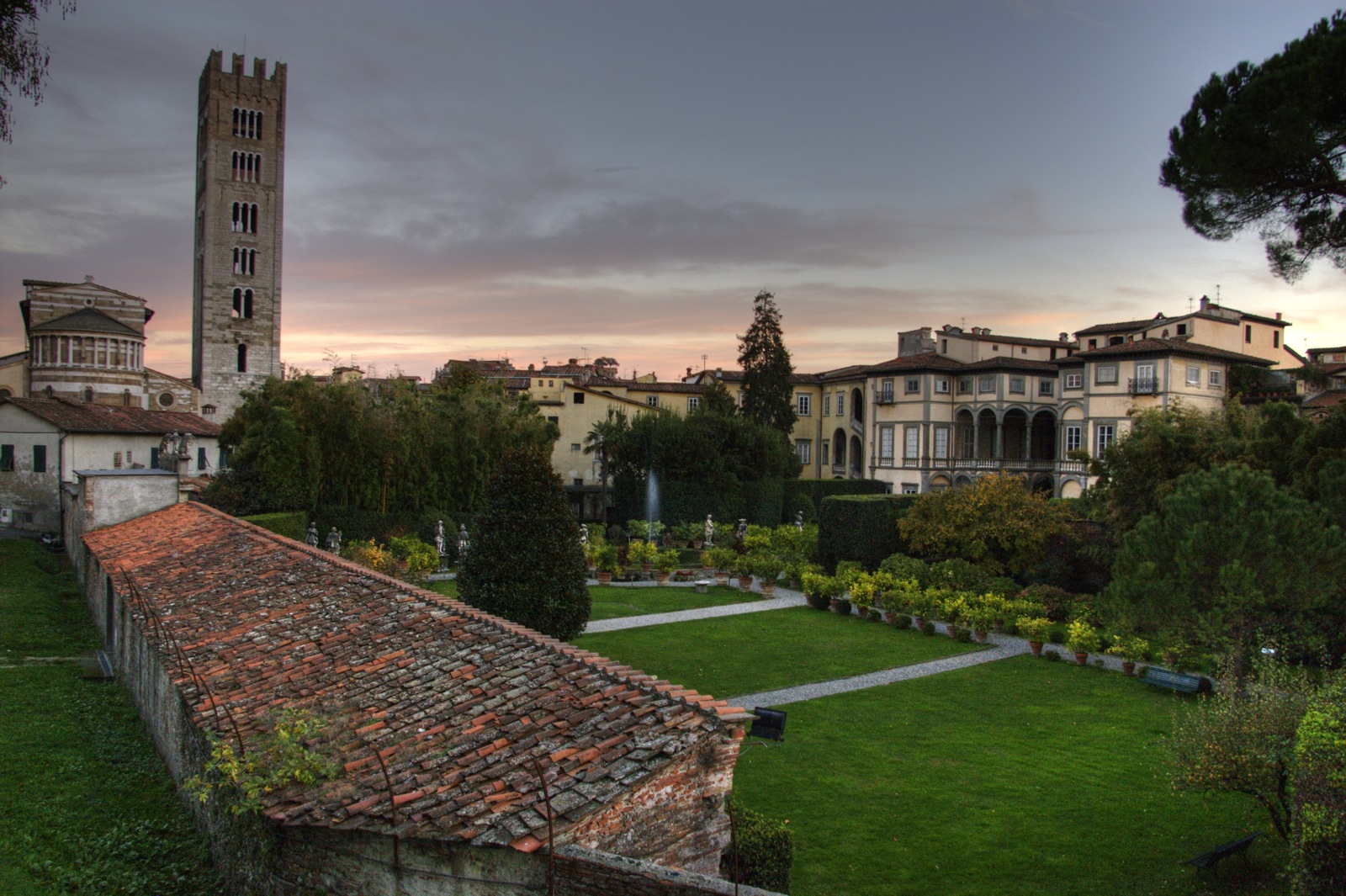
View of the splendid Cathedral and the surrounding square from above
Lucca Cathedral - Credit: Terry Clinton

Some of the most extraordinary religious architecture in Tuscany can be found in Lucca. The Cathedral of San Martino, with its asymmetrical and exquisitely decorated Romanesque façade, contains valuable works of art like the Holy Face, a wooden crucifix venerated for centuries and at the center of a medieval legend, and the funeral monument of Ilaria del Carretto, a masterpiece sculpted by Jacopo della Quercia. Not far away, the Church of San Michele in Foro stands tall in the center of the square of the same name: the façade, which looks like white marble embroidery, is dominated by the statue of the archangel that appears to be hovering. Lastly, the Basilica of San Frediano, among the oldest in the city, will amaze you with its large golden mosaic that lights up the façade, along with its solemn atmosphere of stone, light and silence. 
These places reflect Lucca’s most spiritual soul, which earned it the name of the city of a hundred churches: a patrimony of worship, art and beauty.
1.

Enter the buildings, discover the museums

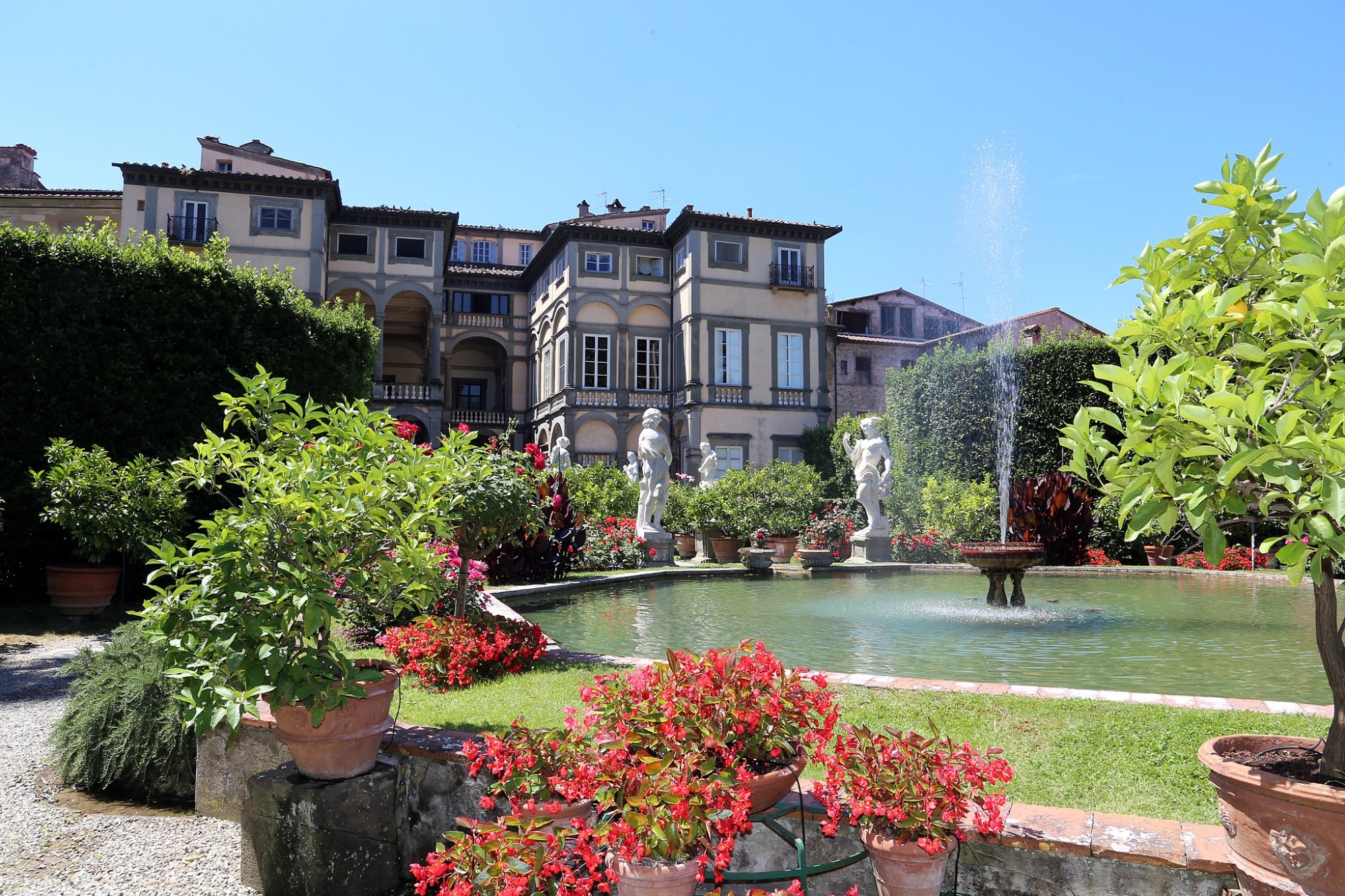
An exterior view of Palazzo Pfanner
Palazzo Pfanner in Lucca - Credit: Sailko

Among the downtown streets, you will find hidden places that reveal the more cultured and refined side of Lucca. The Villa Guinigi National Museum, located inside a 15th-century mansion, tells the story of Lucca through Etruscan artifacts, medieval sculptures and Renaissance paintings. Not far away, the Palazzo Mansi National Museum allows visitors to immerse themselves in the sumptuous atmosphere of a 17th-century residence with original furnishings, frescoed galleries and a valuable collection of paintings. Lastly, Palazzo Pfanner combines the elegance of a Baroque garden with refined interiors, offering a glimpse into aristocratic life between the 18th and 19th centuries. 

1.

Dive into the greenery of the Botanical Garden

Botanical Garden
Botanical Garden - Credit: Marco Stregatto

Not far from the busiest streets, the Botanical Garden is a green haven nestled between the walls and the historic city center, where nature, science and beauty meet.
Established in 1820, at the behest of Maria Luisa of Bourbon, it contains centuries-old trees, medicinal plants, a pond with water lilies and turtles, greenhouses and a small arboretum: an invitation to slow down along silent paths, amid forgotten scents. The educational heart of the complex is the Cesare Bicchi Botanical Museum, which contains an extraordinary collection of historical herbaria, scientific instruments and display panels, narrating the evolution of botanical thinking and the commitment of generations of scholars. This visit provides a glimpse into biodiversity and also into the history of a city that has always been devoted to knowledge and the protection of its natural heritage.

1.

Measure time from above

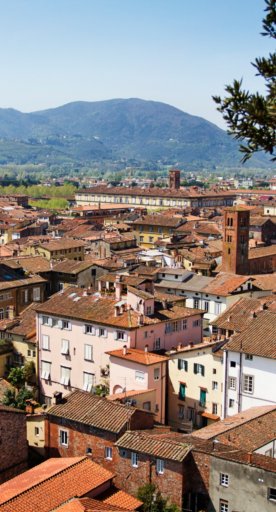
In the heart of the city center, stands Torre delle Ore, the tallest tower in Lucca, guarding time as it watches over the city. Its 207 wooden steps lead up to a bell tower, which is still functioning, where the ancient clock mechanism strikes the hours like a silent but steady heart. From above, the view opens up onto the walls, the nearby towers and the harmonious design of the rooftops - a privileged place for observing Lucca from a different viewpoint, where past and present touch each other. Climbing up these steps means traveling through the centuries and stopping, least for a moment, to listen to the slow pace of the city.
1.

Follow the melodies of great musicians

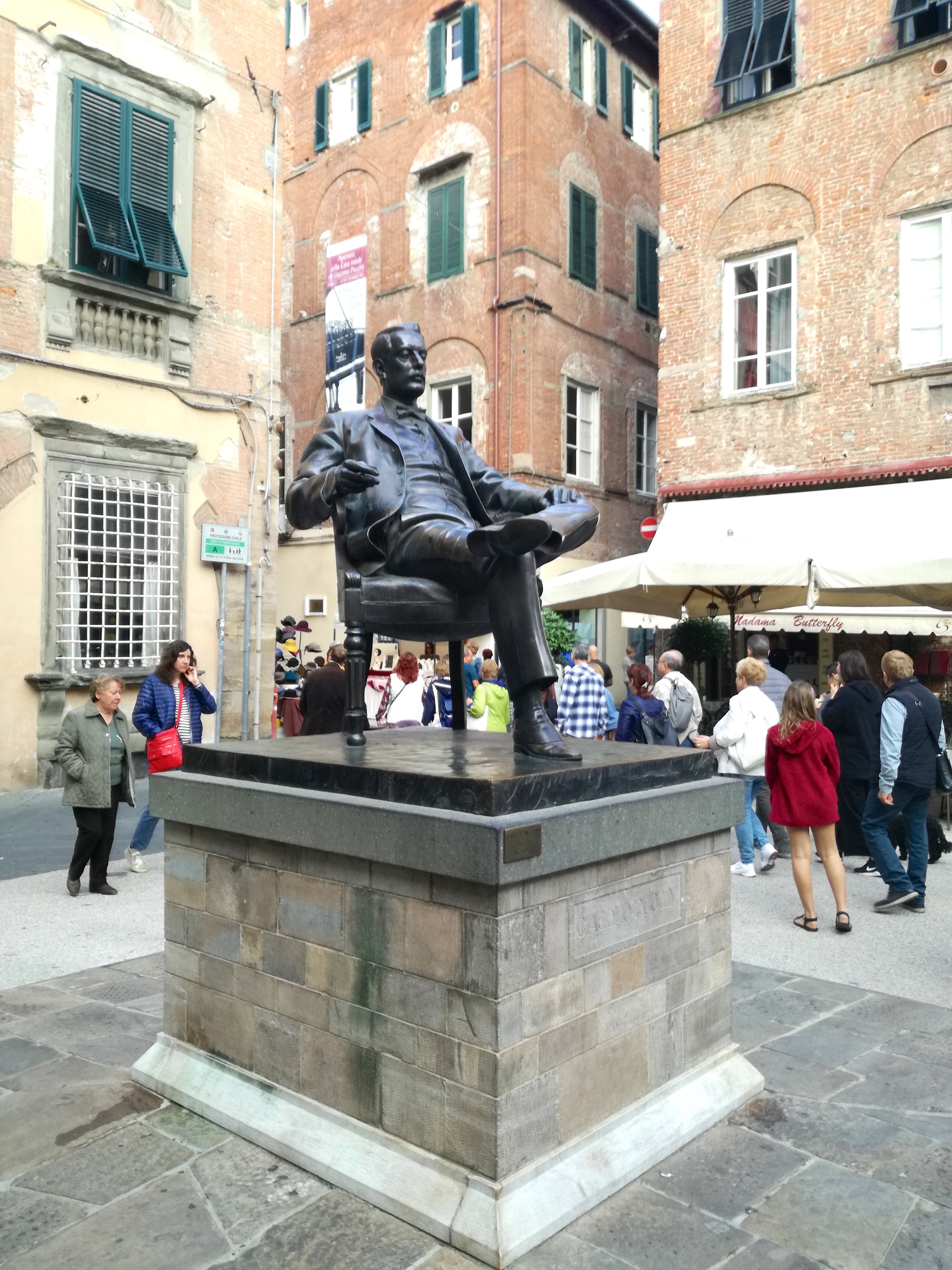
View of the statue of Puccini, standing in front of the house where he was born
Statue of Puccini - Credit: Velia Ivaldi

Lucca is the birthplace of composers who have left a permanent mark on the history of music. The most famous one is Giacomo Puccini, composer of La Bohème, Tosca and Madama Butterfly, to name just a few. His birthplace, now a museum, contains autographed sheet music, photographs and the piano on which he composed many of his masterpieces.
Lucca is also the birthplace of Alfredo Catalani, a refined composer known for La Wally, and Luigi Boccherini to whom the city's Conservatory is dedicated. 
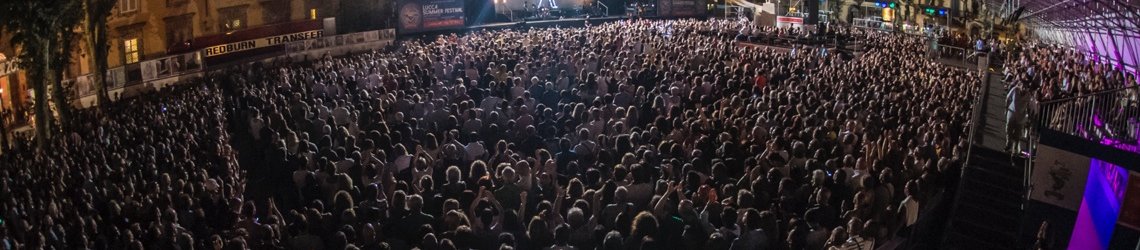
Musical tradition is alive and celebrated here, with festivals, concerts and dedicated initiatives.

1.

A taste of Lucca

A picture of buccellato cake, with anise and raisins
Buccellato cake - Credit: Sasha Wang

Lucca cuisine tells the story of the territory with intense flavors and ancient gestures. In the streets of the city center, you will find trattorias serving tordelli al ragù (tordelli pasta with meat sauce) and rustic soups that smell like home. However, the most treasured symbol is buccellato, an anise and raisin cake: "If you come to Lucca and do not eat buccellato, it is as if you had never been here," says an ancient proverb. 
Along with these delicacies, the Tuscan cigar also tells us about an all-local tradition of craftsmanship, patience and pride. A journey of taste through history, aromas and identity.

What’s nearby?

Must-see places, stage-by-stage routes, events and tips for your trip
Events • 5 results
Ideas • 80 results
Itineraries • 35 results
Travelogs • 4 results