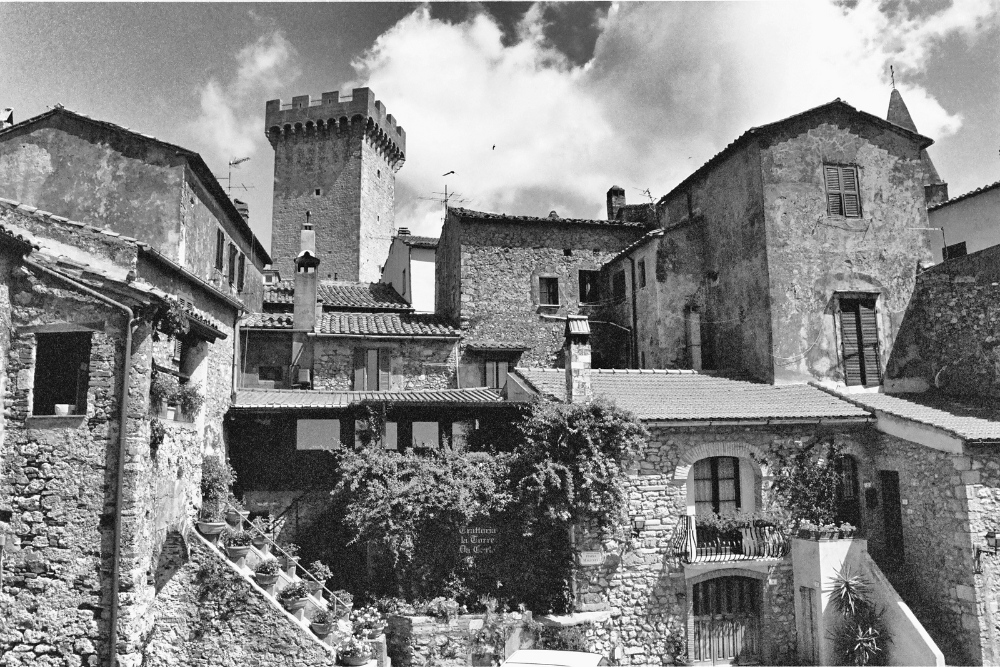
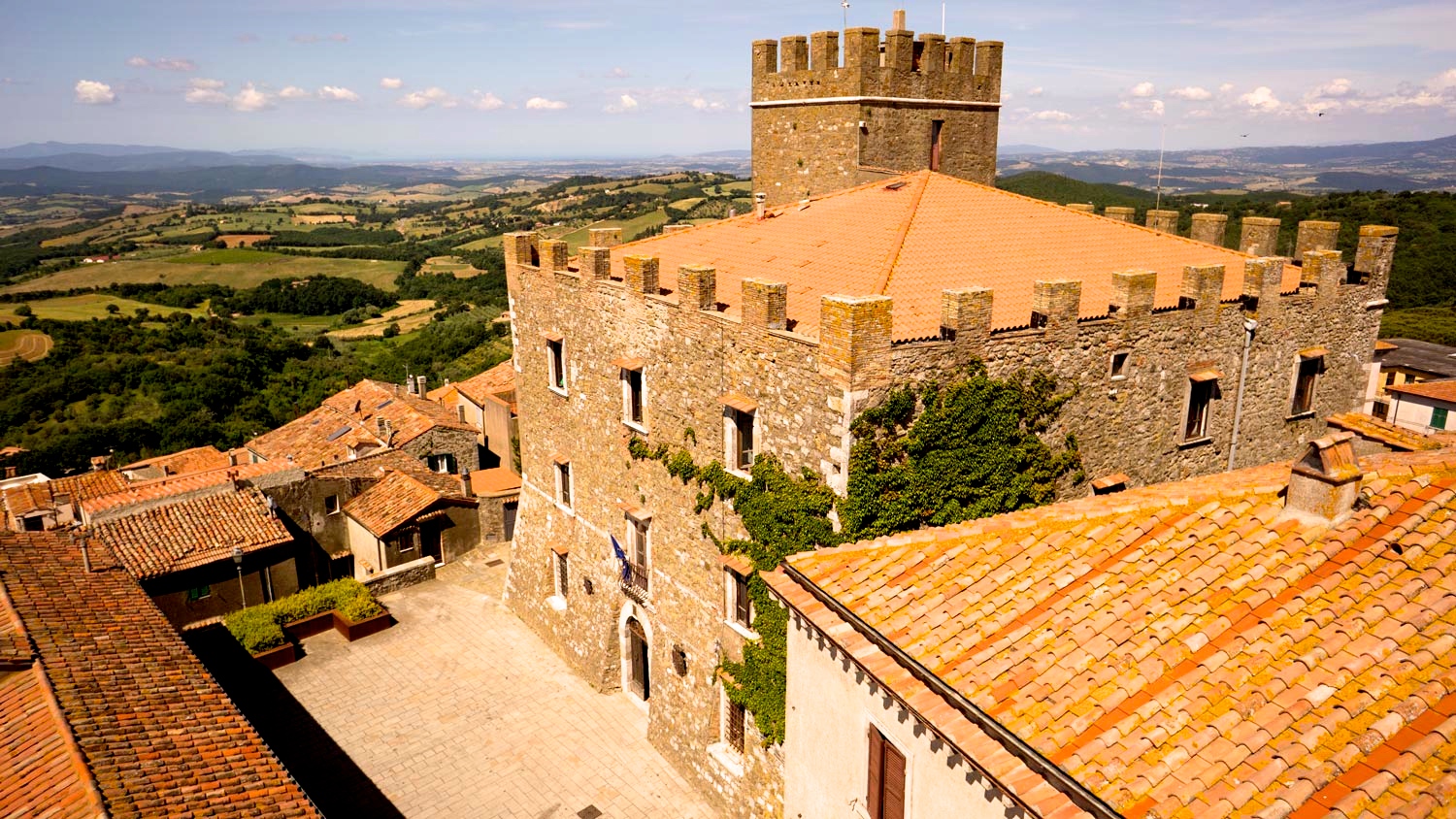
The village’s historic centre is full of magnificent monuments, such as the walls that surround the city.
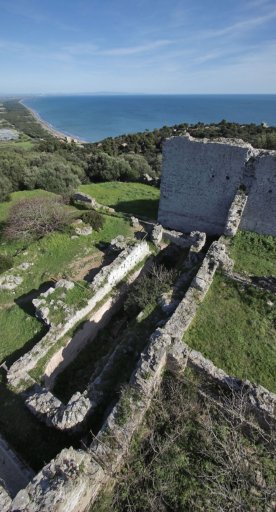
These ramparts originate from the Etruscan era and were reinforced in the 16th century, when the Spanish completed the impressive entrance doors and the fortress’s construction.
The Santa Maria Assunta Cathedral is equally as impressive, with its sparkling clean façade and its beautiful rose window which, according to some, could even be at the foundations of the city’s name.
The rose window was reminiscent of the Duomo of Orvieto, leading to the renaming of the lagoon town as Orvietello – little Orvieto.
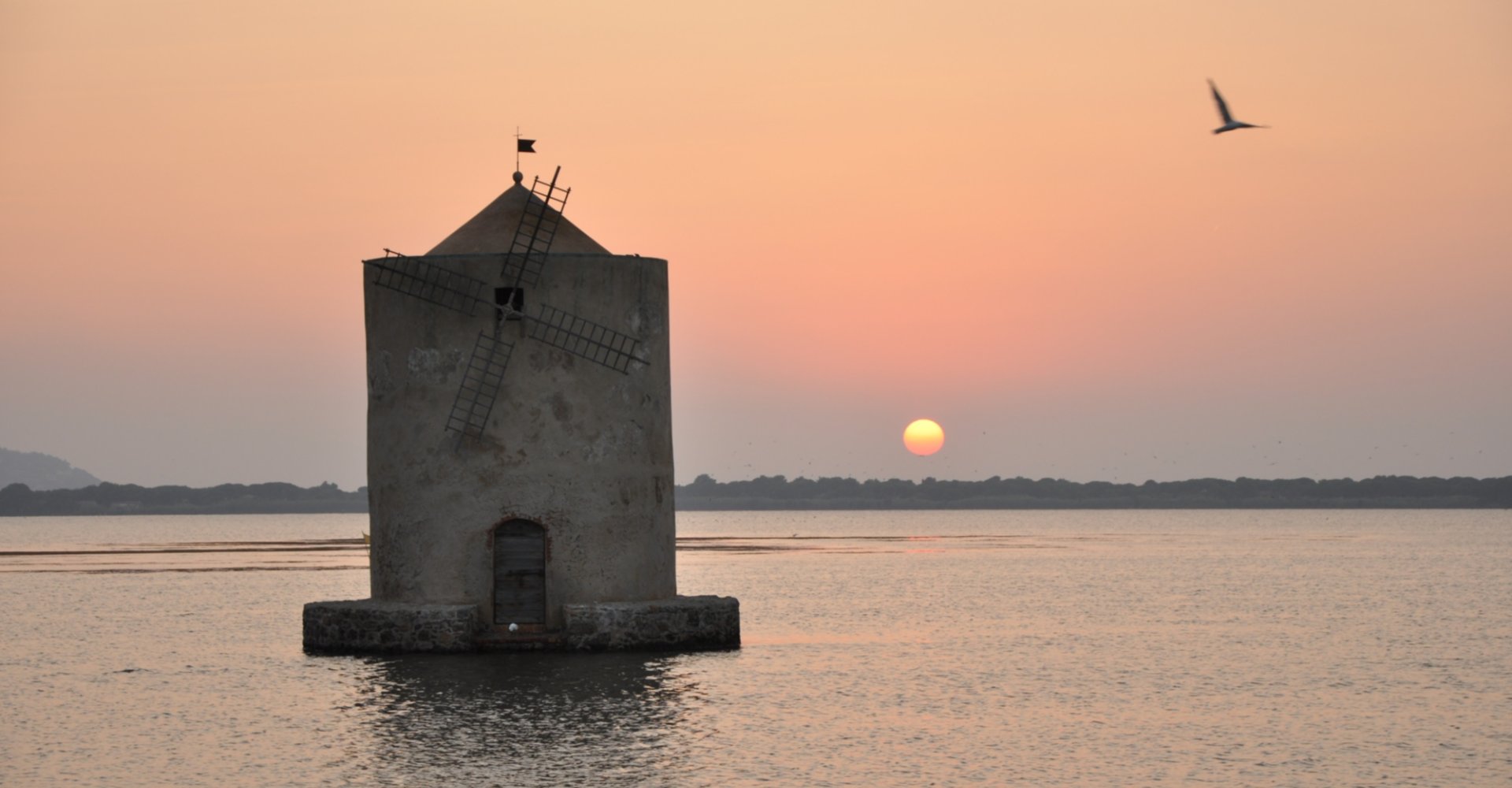
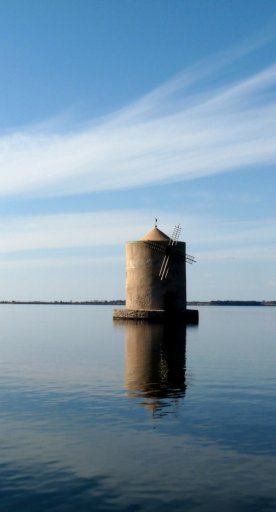
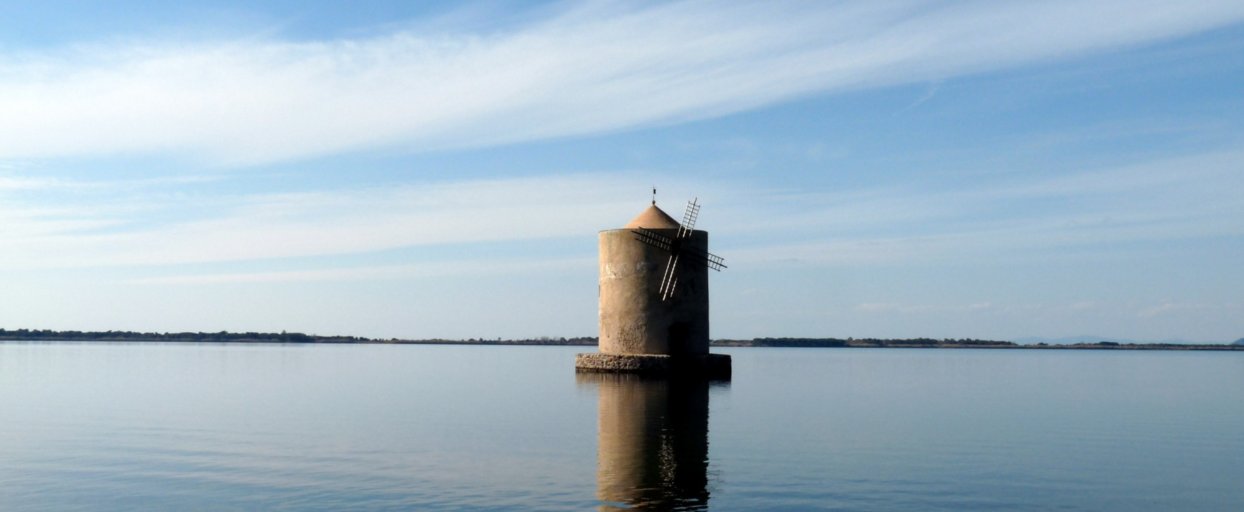
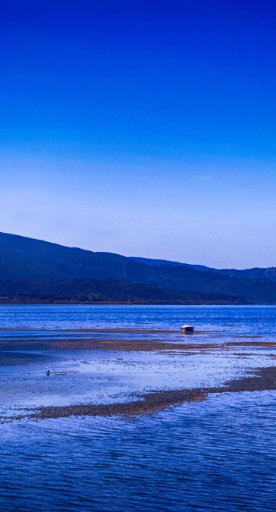
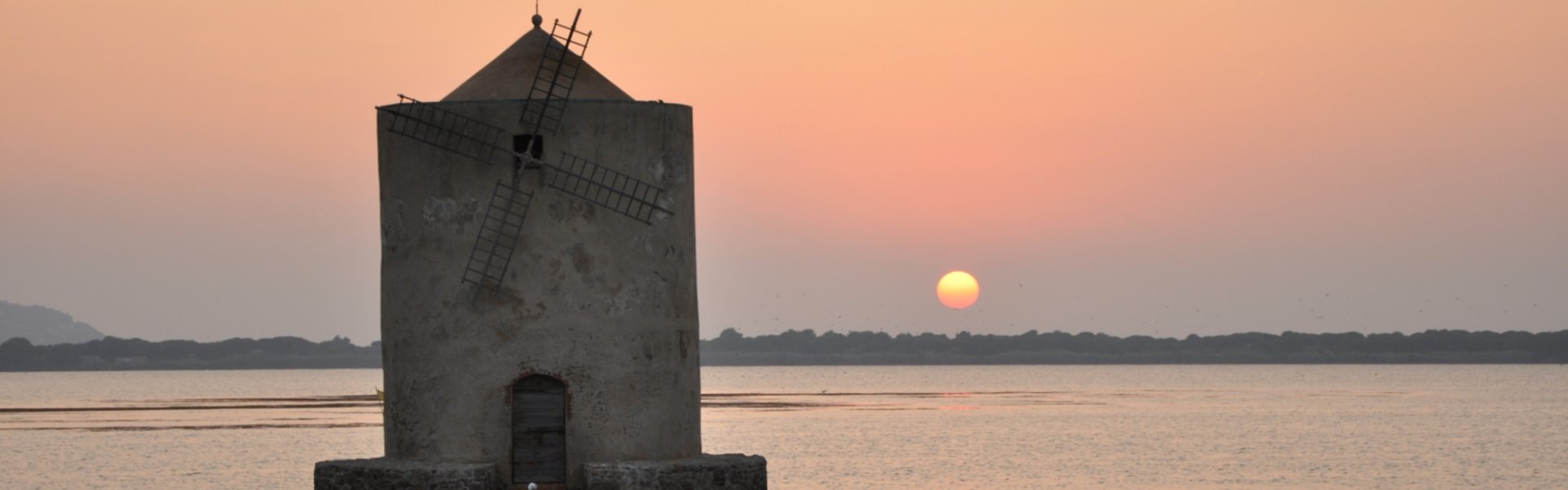
The perfect subject for a captivating photo is the 15th-century Spanish mill, with its unobtrusive charm, located in the center of the calm waters of the lagoon. The building was part of a group of nine mills that extended in a line across the lagoon and it was built by the Sienese to grind flour, which was transported by small boats. At that time, the mill was operated by the force of the water that came in and out of the lagoon with ebbs and flows every six hours from the Tombolo della Giannella, a vast hydraulic phenomenon that turned the millstones.
About a century and a half later, in 1557, Orbetello became the capital of the State of the Presidi, created at the behest of King Philip I of Spain. It was under Spanish rule that sails were added to the mill, so that it could harness the power of the winds.