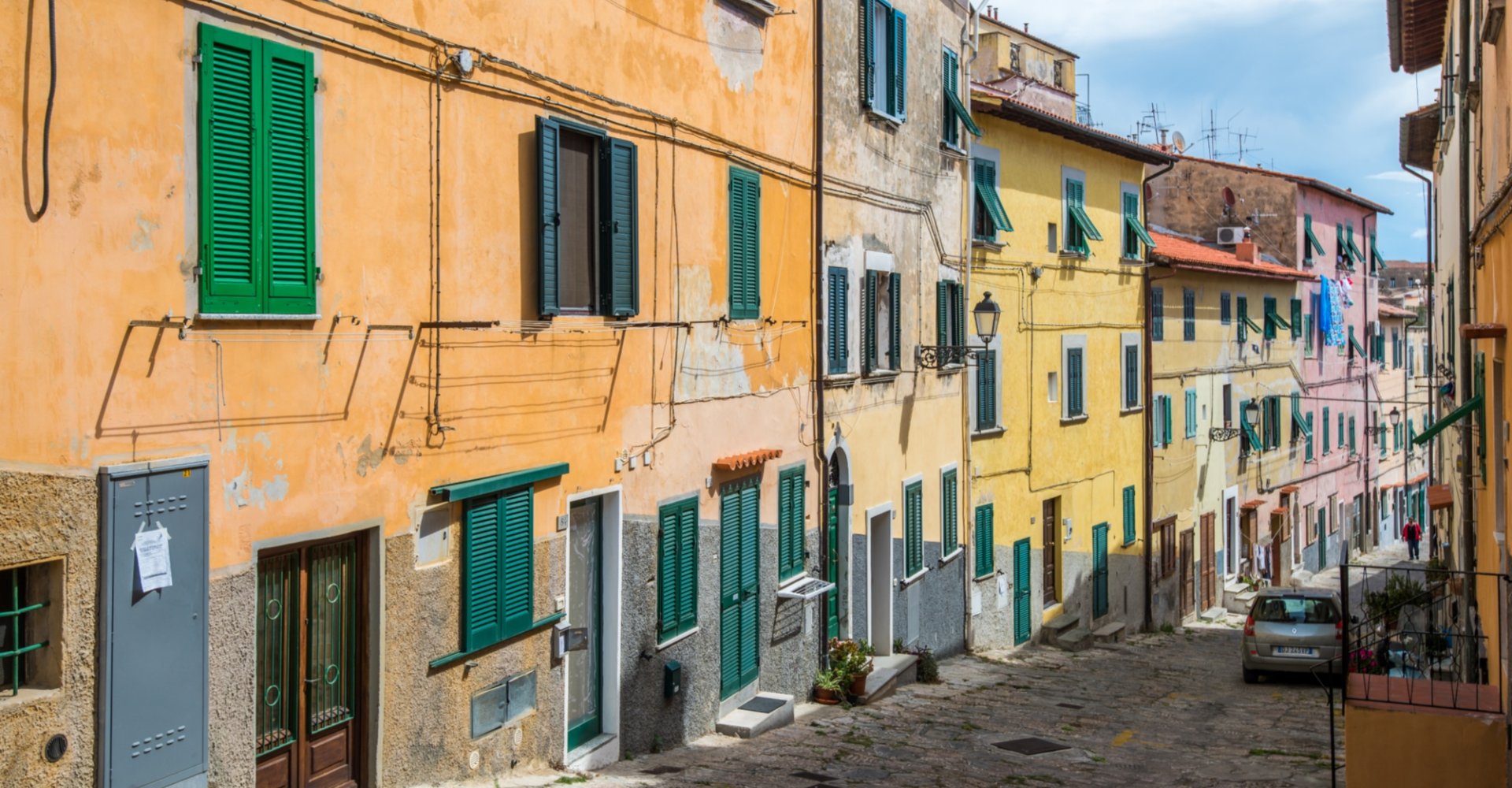
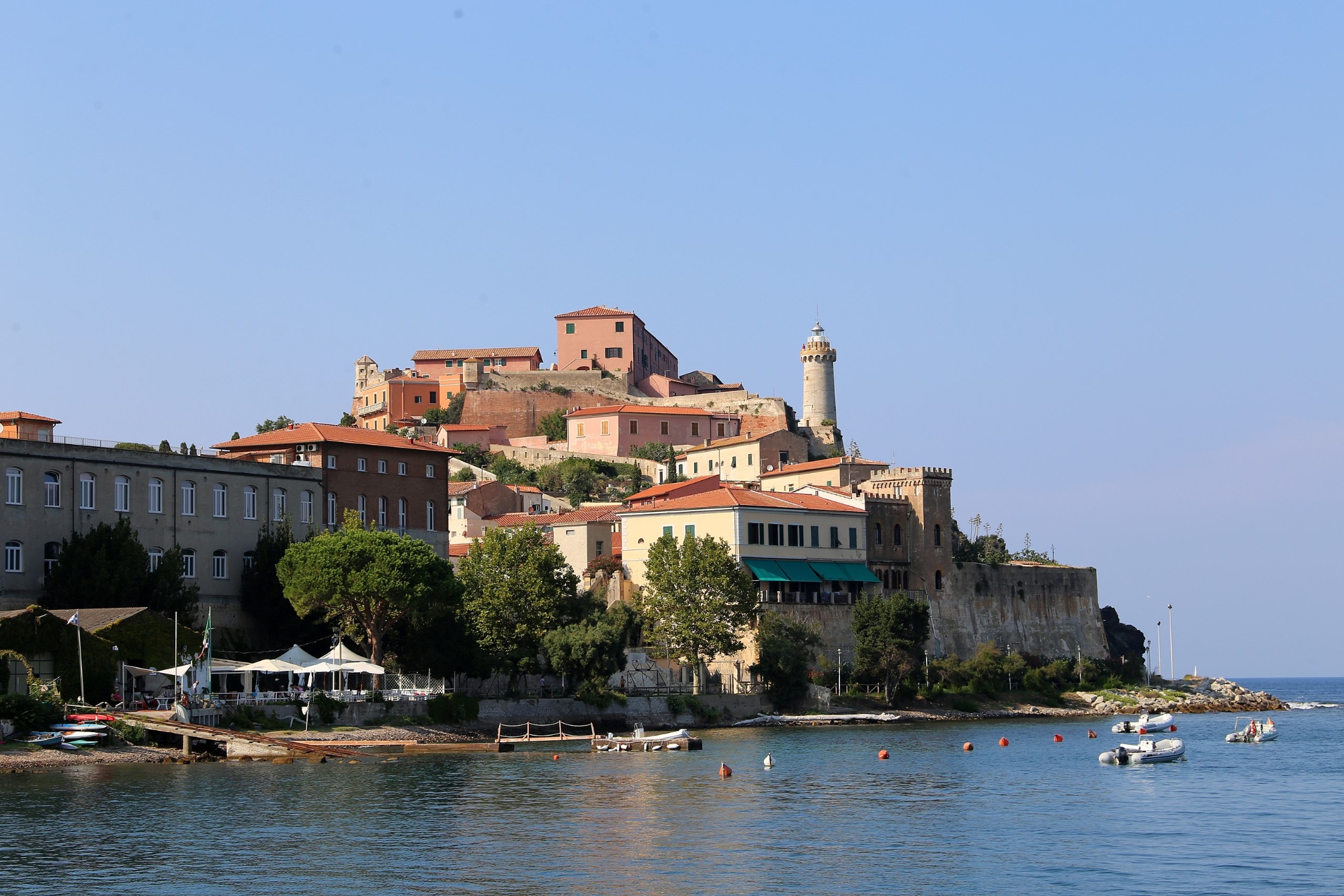
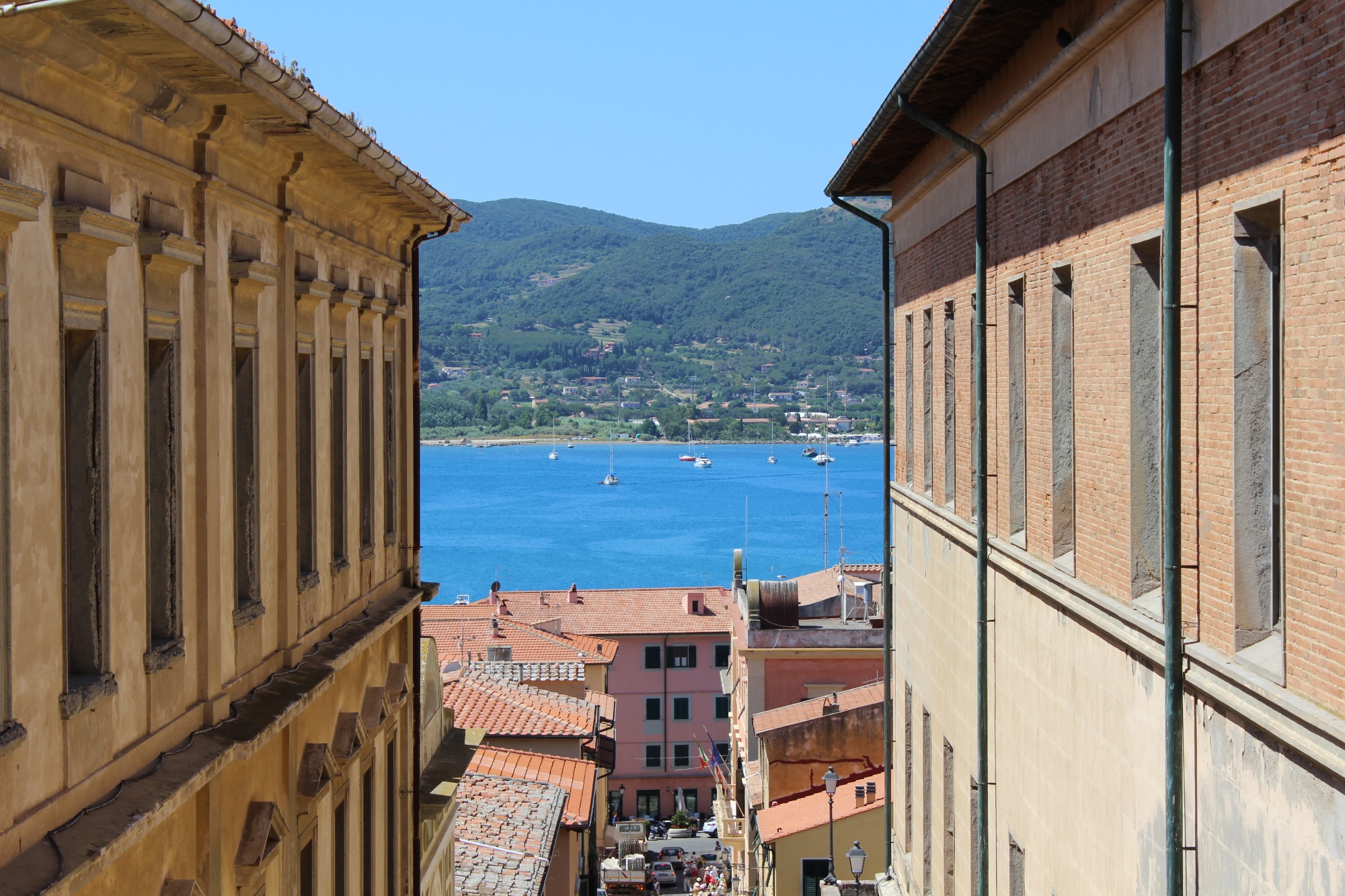
Portoferraio is the historical and cultural heart of Elba Island: a scenic landing place surrounded by Medici fortifications, ancient Roman villas and a lively historic town overlooking the dock. Founded in 1548 at the behest of Cosimo I de’ Medici on the remnants of ancient Fabricia, the present city holds a unique heritage that interweaves Renaissance military architecture, Napoleonic memories and some of the island’s most fascinating vistas. Whether it’s trolling among the ramparts, reaching the Emperor’s residences, visiting museums and relaxing on the most iconic beaches of the north coast, here are 5 must-have experiences to truly experience this stretch of Elba.
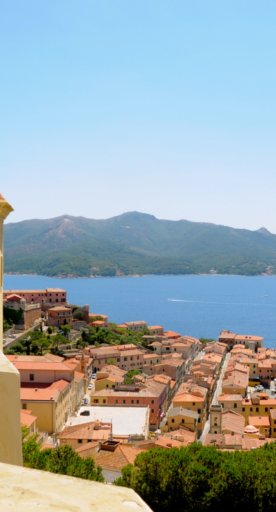
Arriving from the sea, Portoferraio welcomes with its imposing Medici fortifications, an extraordinary defensive system ordered by Cosimo de’ Medici in the mid-16ᵗʰ century.
Designed by the architects Bellucci and Camerini and later perfected by Bernardo Buontalenti, the walls transformed ancient Cosmopoli into an impregnable stronghold, capable even of withstanding the assault of the corsair Dragut in 1553.
Today, this monumental complex is a fascinating pathway that winds along ramparts, walkways and stairways that follow the outline of the promontory.
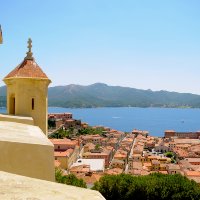
Forte Falcone, Forte Stella and the Linguella preserve the imprint of the Medici through a fortified system that accompanies visitors along a path of ramparts and scenic walkways. As you climb to the top, the view opens to the entire Portoferraio roadstead, weaving military history, Renaissance elegance and the deep blue sea into a single glance.
Even Napoleon was struck by Portoferraio’s charm. During his exile on Elba, he chose his official home in this very spot, the Palazzina dei Mulini.
Overlooking the sea and opening onto the scenic staircase that climbs to Forte Stella, it was so named because windmills (mulini) one stood here.
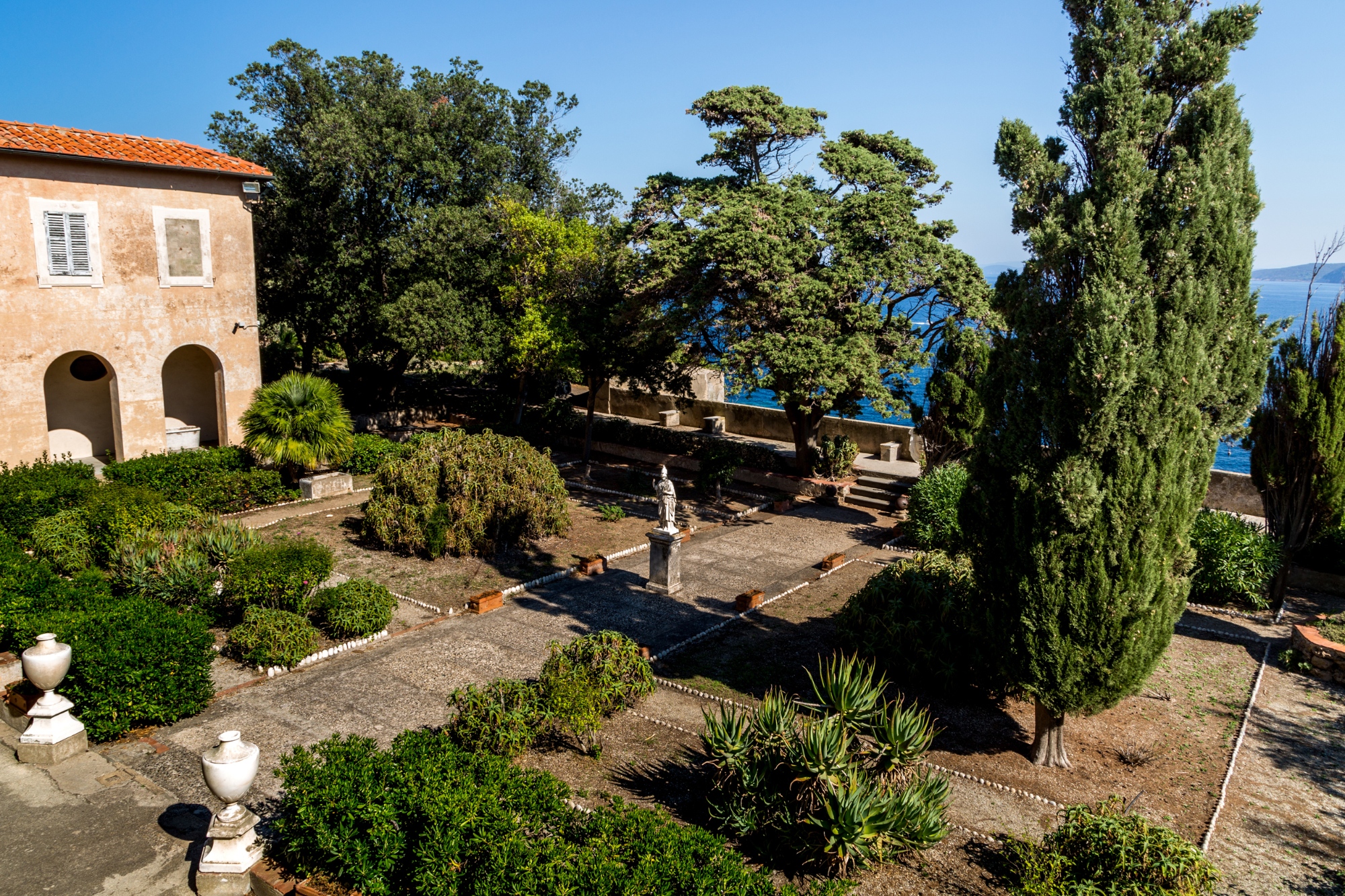
Instead, a some miles from the center is Villa San Martino, the Emperor’s summer residence, later transformed by Prince Anatolio Demidoff, with the splendid neoclassical Gallery named after him.
To enter these houses is to step into the atmosphere of 19ᵗʰ-century Elba and to discover the man behind the legend.
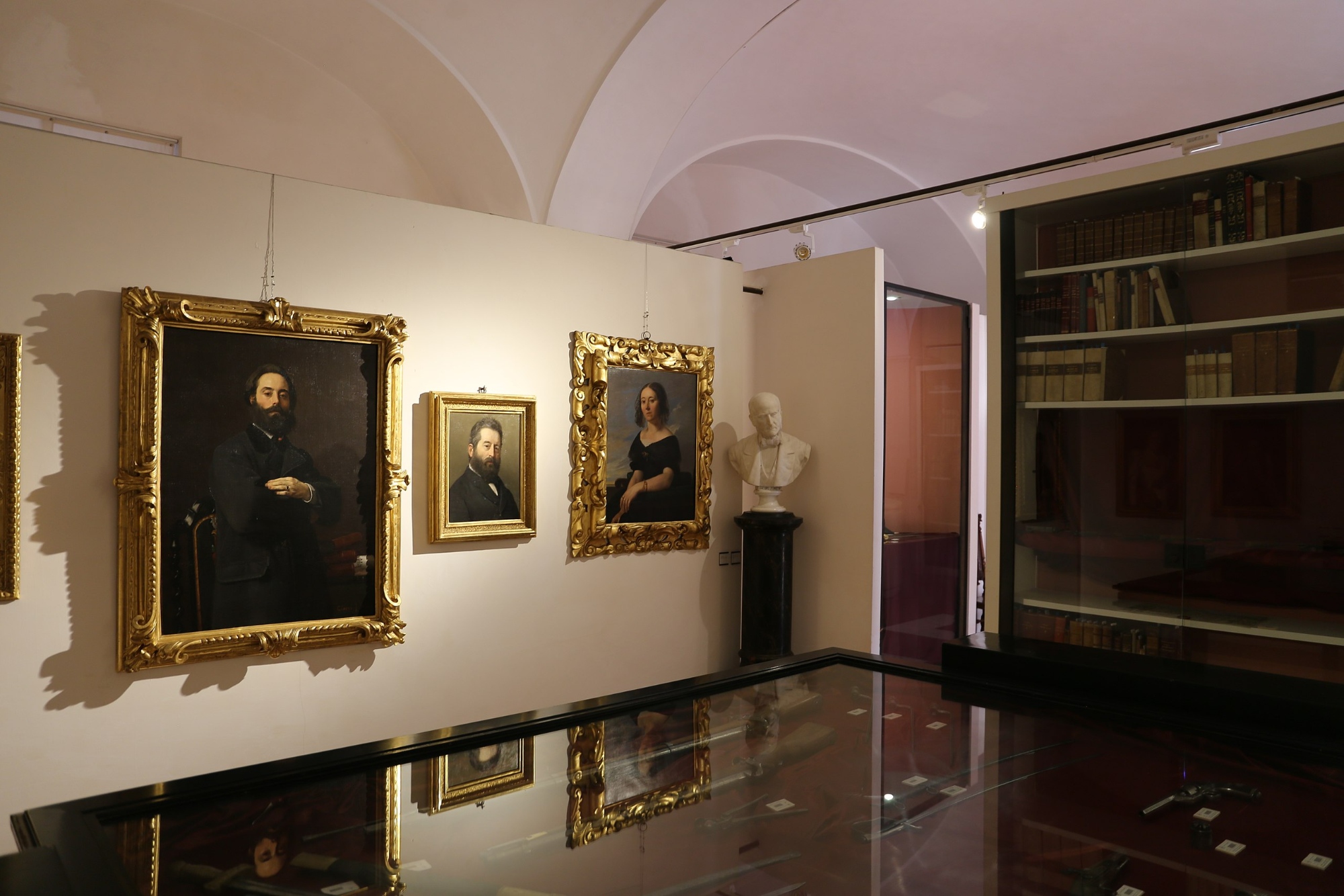
Portoferraio holds a treasure trove of history and art. The Pinacoteca Foresiana, housed in the De Laugier Barracks, brings together works and collections donated by intellectual Mario Foresi in 1914, chronicling a century of island culture.
At the Linguella, next to the Torre del Martello, the old salt warehouse contains the Archaeological Museum, which preserves artifacts from all over Elba and the islands of the Tuscan Archipelago: ceramics, grave goods, relics and evidence that harkens back to the town’s Greek, Etruscan and Roman origins.
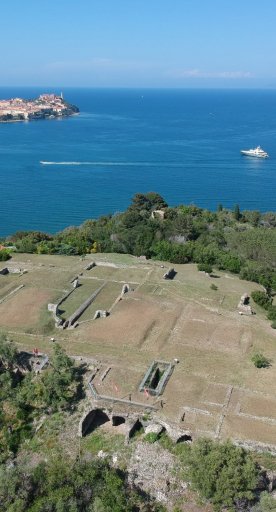
A short stroll away are the remnants of the Roman Villa of Linguella, while on the other side of the gulf are those of the Villa delle Grotte, a natural terrace overlooking the sea.
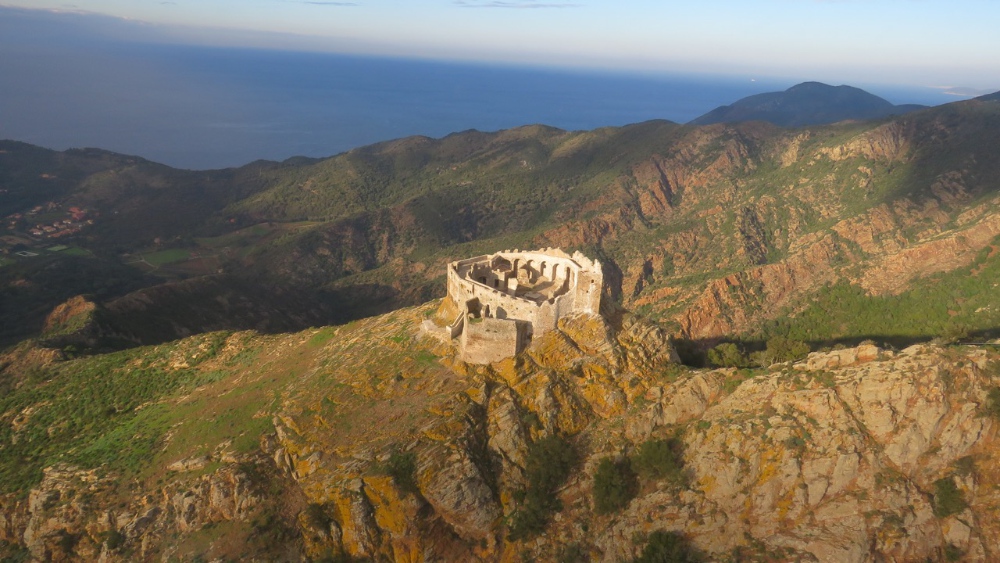
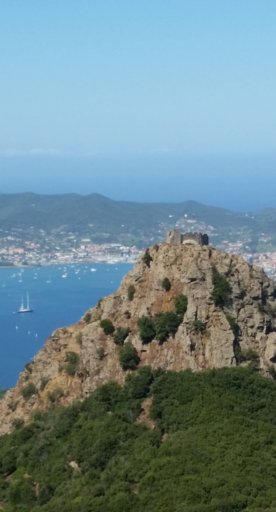
Dominating the landscape, on a rocky outcrop on the border between Portoferraio and Rio, stands Volterraio Castle, the island’s oldest fortress.
Its origins date back to Etruscan times, but it was the Pisans who transformed the Castle into a virtually impregnable stronghold.
The short but scenic climb rewards with one of Elba’s most powerful views: a horizon that sweeps from the peaks of the Capanne all the way to Corsica on a clear day.
The ideal place to capture the wild and contemplative soul of the island.
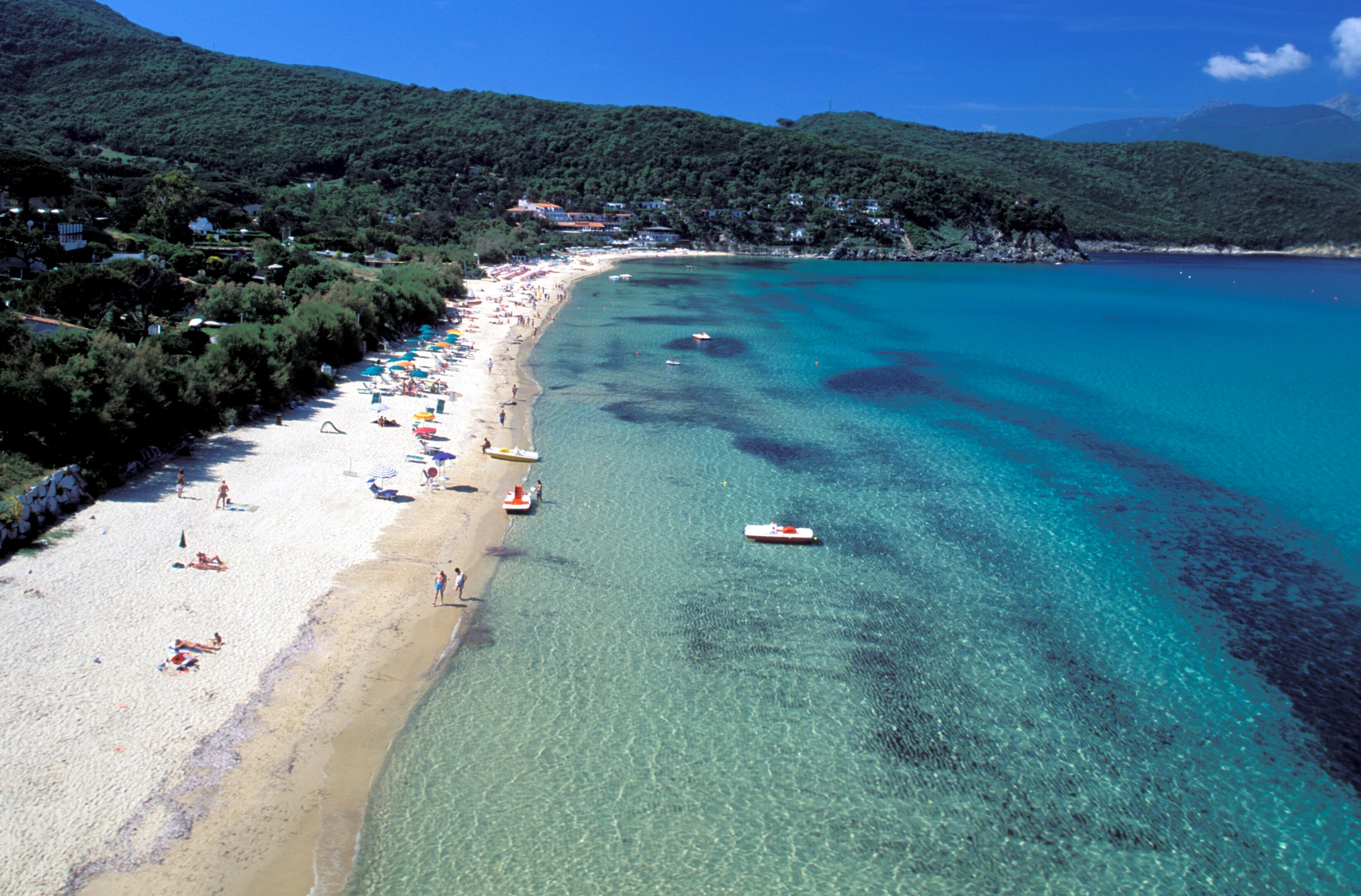
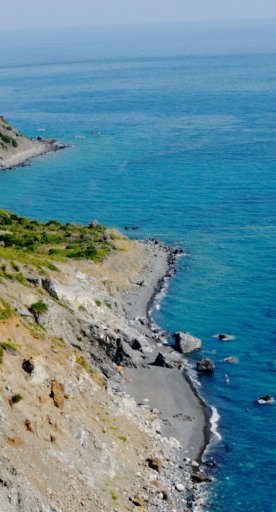
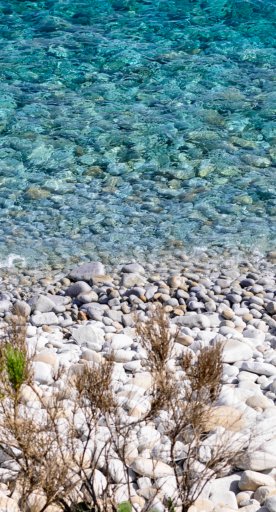
Portoferraio is surrounded by some of Elba’s most iconic beaches, known for the white color of the pebbles and the transparency of the water.
A few minutes away from downtown is Le Ghiaie, a natural pool with turquoise reflections.
Continuing north, you will encounter Capo Bianco, Sottobomba and Sansone, amidst white cliffs and seabeds perfect for snorkeling.
On the western side, the expansive sandy bays of Scaglieri and Biodola welcome those who desire a gentler sea and more fiery sunsets.
From Portoferraio, you can easily reach every point on the island, but even just staying nearby offers up a discovery of an amazing variety of seascapes.