Go to main content
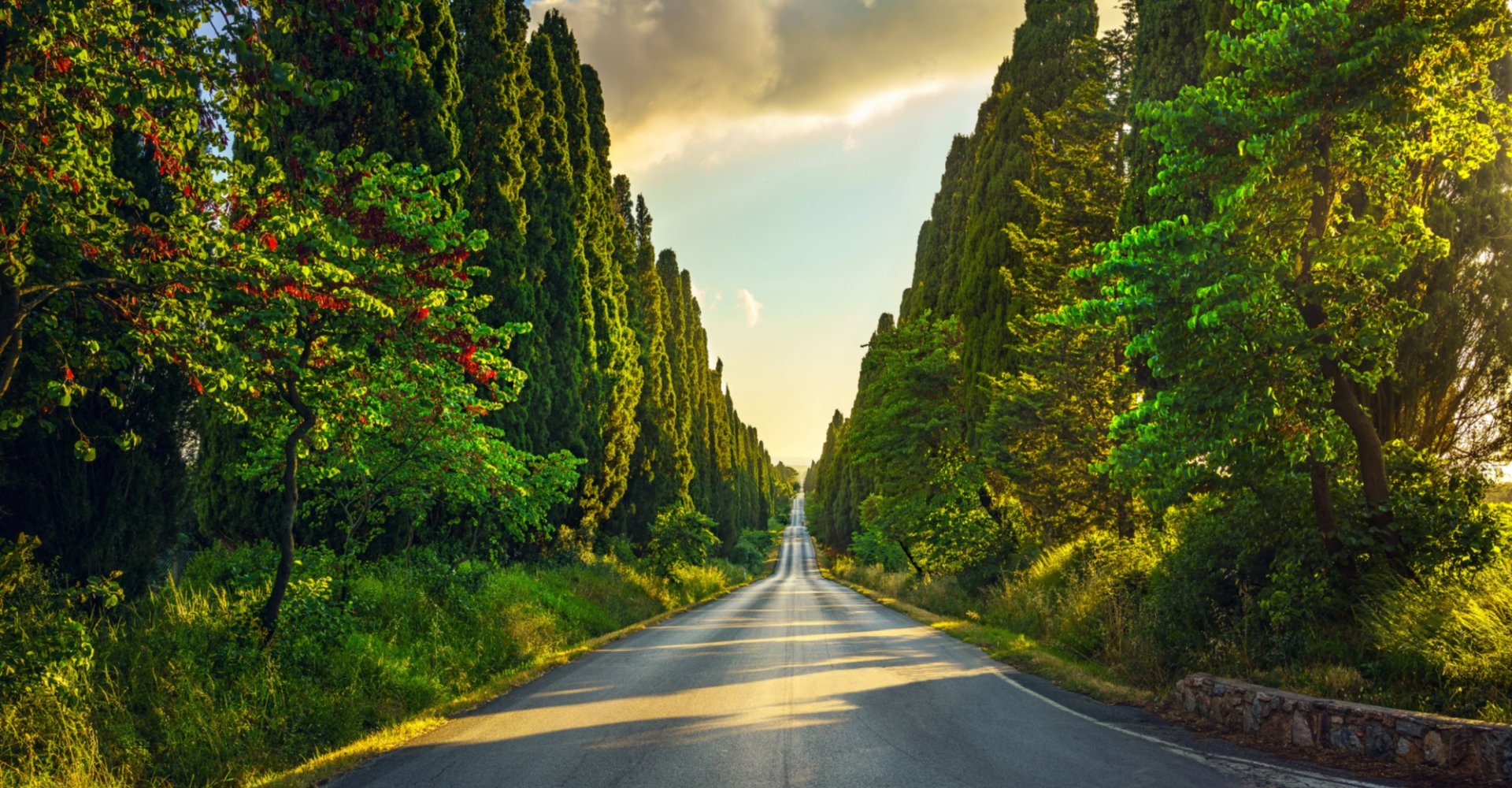
Bolgheri, Strada dei cipressi
Photo © Stutterstock.com / StevanZZ

Touring the Tuscan coast through 2 wines

From the hills of Luni up to Bolgheri, follow this tour along the Tuscan coast and discover three DOC wines and 2 stories that are worth the trip

From Massa Carrara to Grosseto, the Tuscan Coast is a landscape embroidered with mountains, hills and wide plains dedicated to the production of refined wines. Here the sea with its winds and scents has created a perfect place for the production of whites and reds with remarkable softness and intensity. Traveling along the Tuscan coast, you will uncover stories of noble families and visionaries who have been able to make the best use of local traditions and go above and beyond standard expectations.

Contents
  • 1.
    Colli di Luni: exploring wine-terraces in the Apuan Riviera
  • 2.
    Bolgheri: the Tuscan wine revolution

Colli di Luni: exploring wine-terraces in the Apuan Riviera

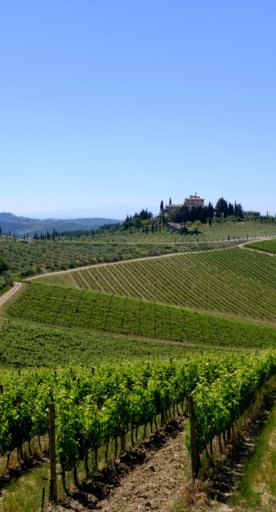
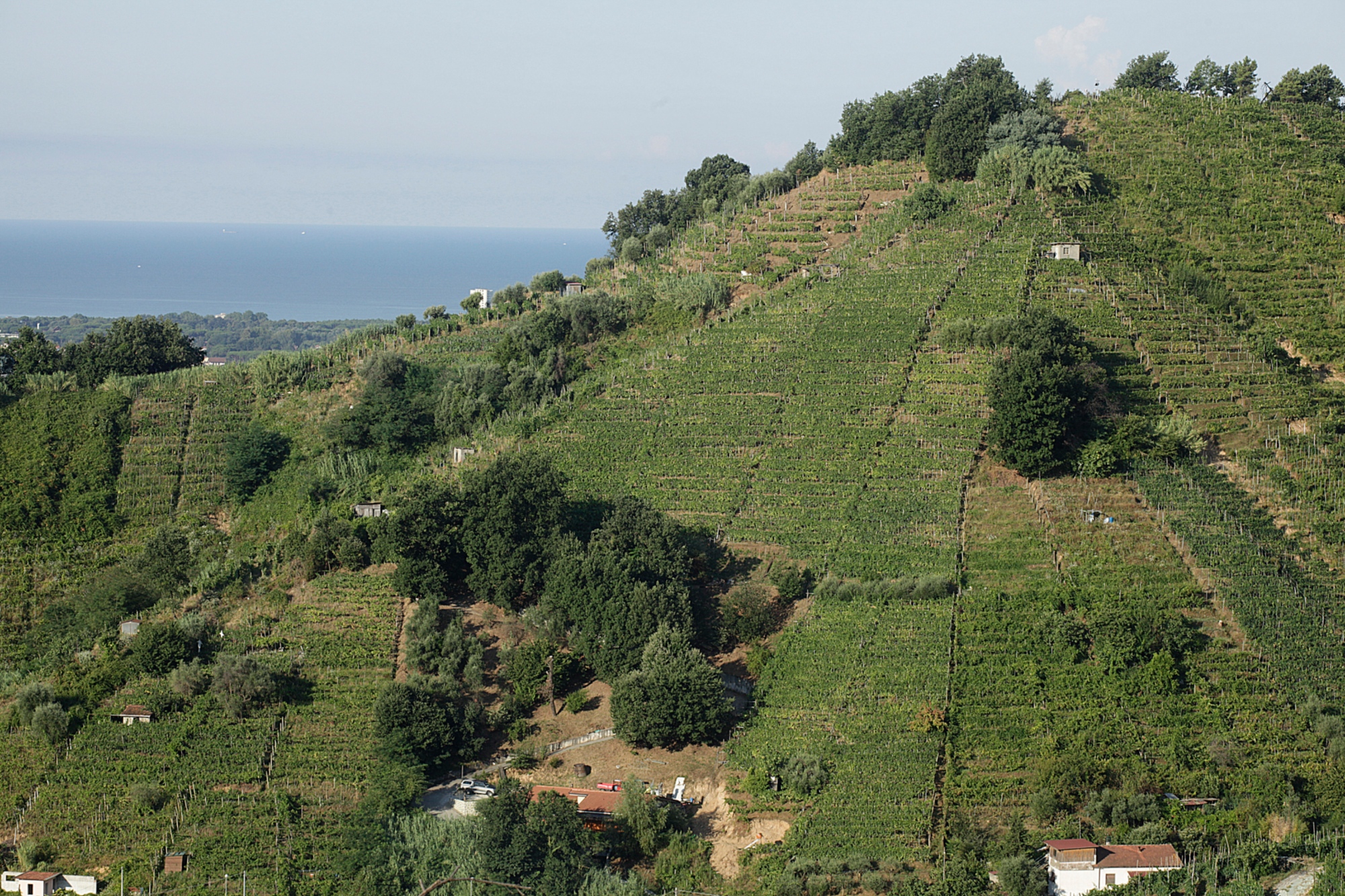
Vineyards in the Lunigiana area

Colli di Luni is a DOC wine produced in the hills of the Lunigiana, where humankind has managed to temper the steep slopes of the mountains by cultivating terraces. Pliny the Elder, who died in the eruption of Vesuvius in 79 AD, wrote: “the wine of Luni holds the palm of victory among those of Etruria.”

The history of this wine begins in Luni during the Roman Empire around a flourishing Roman Port located in what is today surrounded by a vast archaeological area. Vine cultivation in Luni over the centuries has remained constantly linked to the Vermentino grape, which has always been considered the variety best suited to the area.

Today you can find Colli di Luni Vermentino, Colli di Luni Bianco and even Colli di Luni Rosso, which is made from at least 50% of the very Tuscan Sangiovese.

Bolgheri: the Tuscan wine revolution

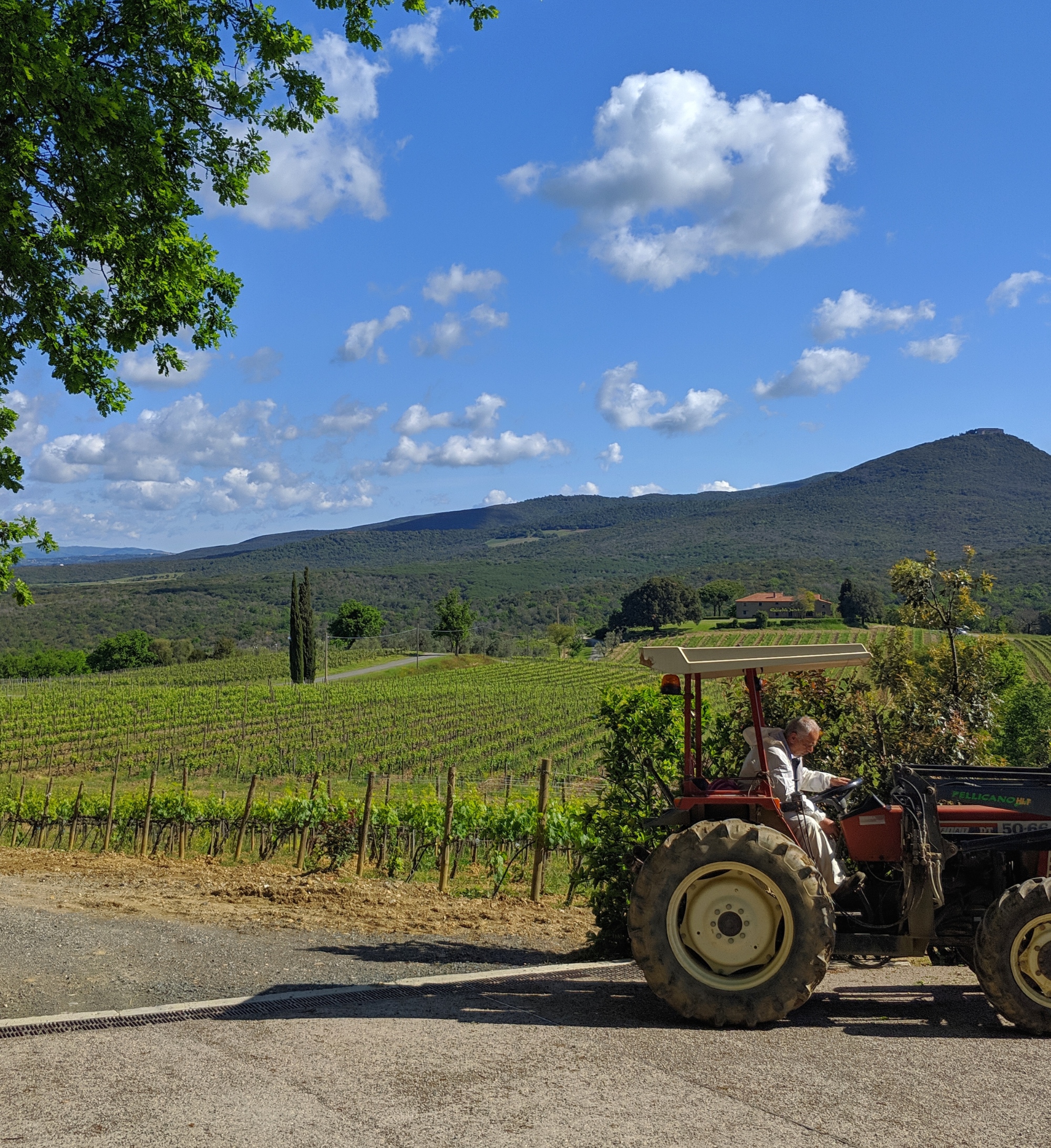
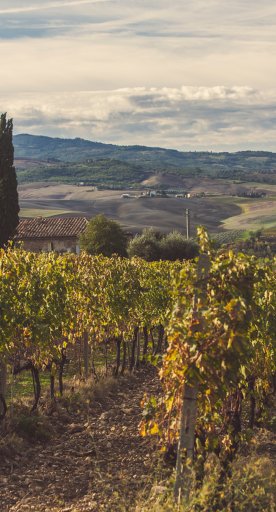
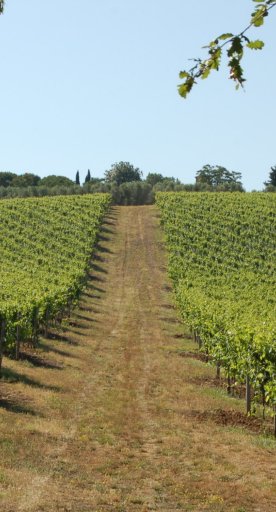
Vineyards among Bolgheri and Castagneto Carducci
Vineyards among Bolgheri and Castagneto Carducci - Credit: Stefano Cannas

Although the Etruscans and Romans dedicated themselves to vine cultivation in the countryside of Castagneto Carducci, the true history of viticulture in Bolgheri had its take-off in the ‘70s with the birth of a great wine: the Sassicaia. But let's jump back a few centuries. At the end of 1600 the Della Gherardesca family began to produce wine in the San Guido areas. The destruction of the vineyards, due to the phylloxera insect attack at the beginning of the 20th century, forced the family to rethink the most suitable vine for this land. In the first half of the nineteenth century, a young countess of the ancient Della Gherardesca family married the Marquis Incisa della Rocchetta.

He was Piedmontese, a passionate horse racer and owner of the legendary Ribot, one of the top-rated thoroughbred race horses of all times. But horses were not his only passion. Around 1942, he decided to create a wine totally different from the Tuscan classics. He imported French vines  to Bolgheri and placed the vineyard in the high hills because it was believed that the influence of the sea was bad for the quality of the product. It took some time to understand that the best land was the plains and that the marine climate brought nothing but beneficial effects on the grapes’ ripening.

However, many years passed before the wine, which the local farmers called "undrinkable", was recognized as excellent. At the end of the '70s the magazine Decanter proclaimed Bolgheri wine the best Cabernet in the world. From that moment, in a very short time, the whole area of Bolgheri became the hub of high-level oenological activity it is known as today. Read more about this story here (in italian).

Today you can find in Bolgheri three types of DOC wines based on Cabernet Sauvignon, Merlot and Cabernet Franc: DOC Bolgheri, DOC Bolgheri Superione and DOC Bolgheri Sassicaia.
Start your discovery

Must-see places, stage-by-stage routes, events and tips for your trip
Events • 6 results
Ideas • 63 results
Itineraries • 34 results
Travelogs • 1 results