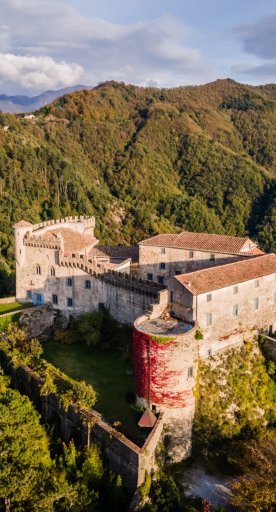
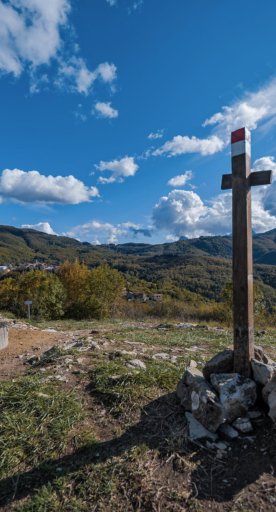
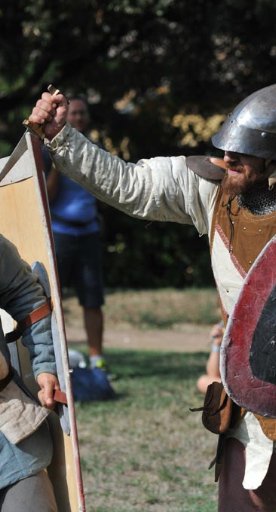
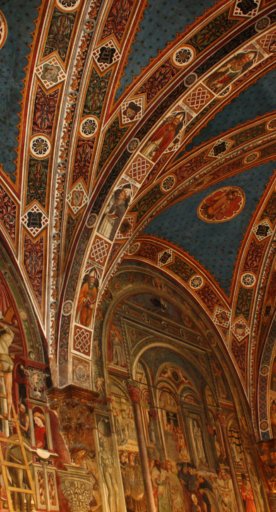
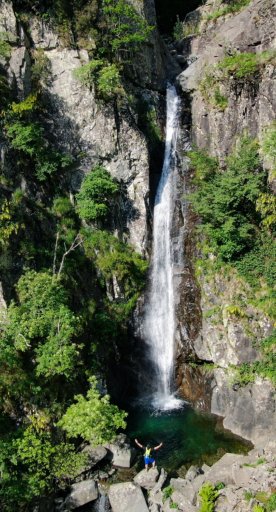
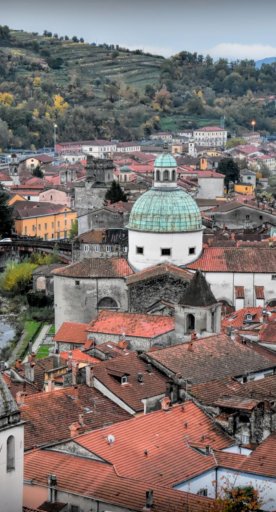
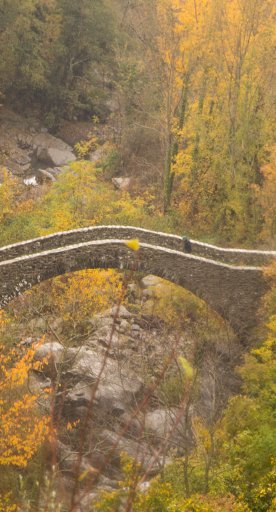
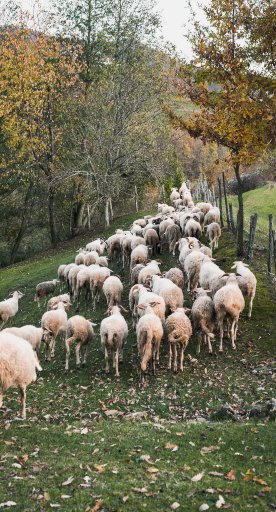
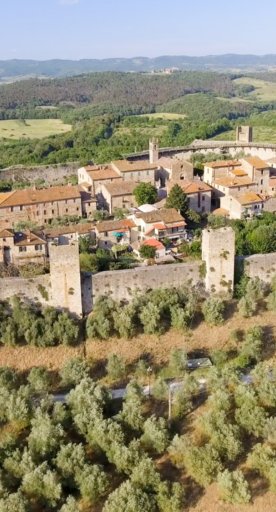
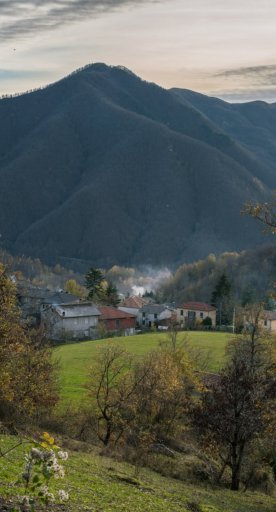
Encapsulated within the dizzying peaks of the Tuscan-Emilian Apennines and the rugged profiles of the Apuan Alps, Lunigiana is a borderland expressed through nature. This is a green and wild territory shaped by water, rock and human toil, where nature parks, caves and rivers coexist with stone villages, medieval parishes, ancient mills and extents of the Via Francigena.
A trip to Lunigiana is a step-by-step through biodiversity and evidence of a thousand-year history.
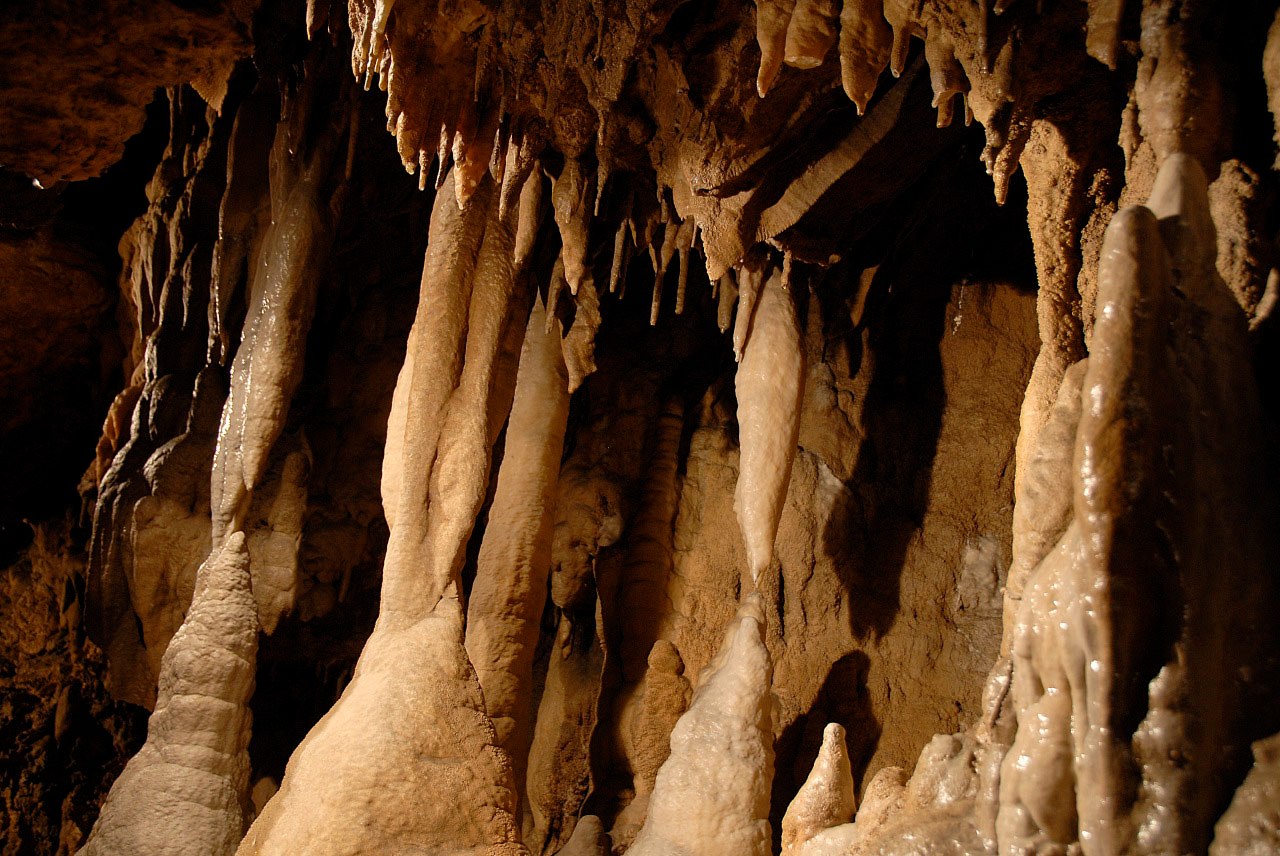
In the heart of the Apuan Alps Regional Park, one of the most important karst territories in Europe is pebbled by over 1,300 surveyed caves. Among the most fascinating and publicly accessible are the Grottos of Equi Terme, true journeys into the belly of the mountain.
Hiking the well-equipped trails, among stalactites and stalagmites, it is possible to discover the geological phenomena that have shaped the Apuan Alps over millions of years. But these cavities also tell a truly ancient human story. Indeed, evidence has been found within proving human presence since prehistoric times.
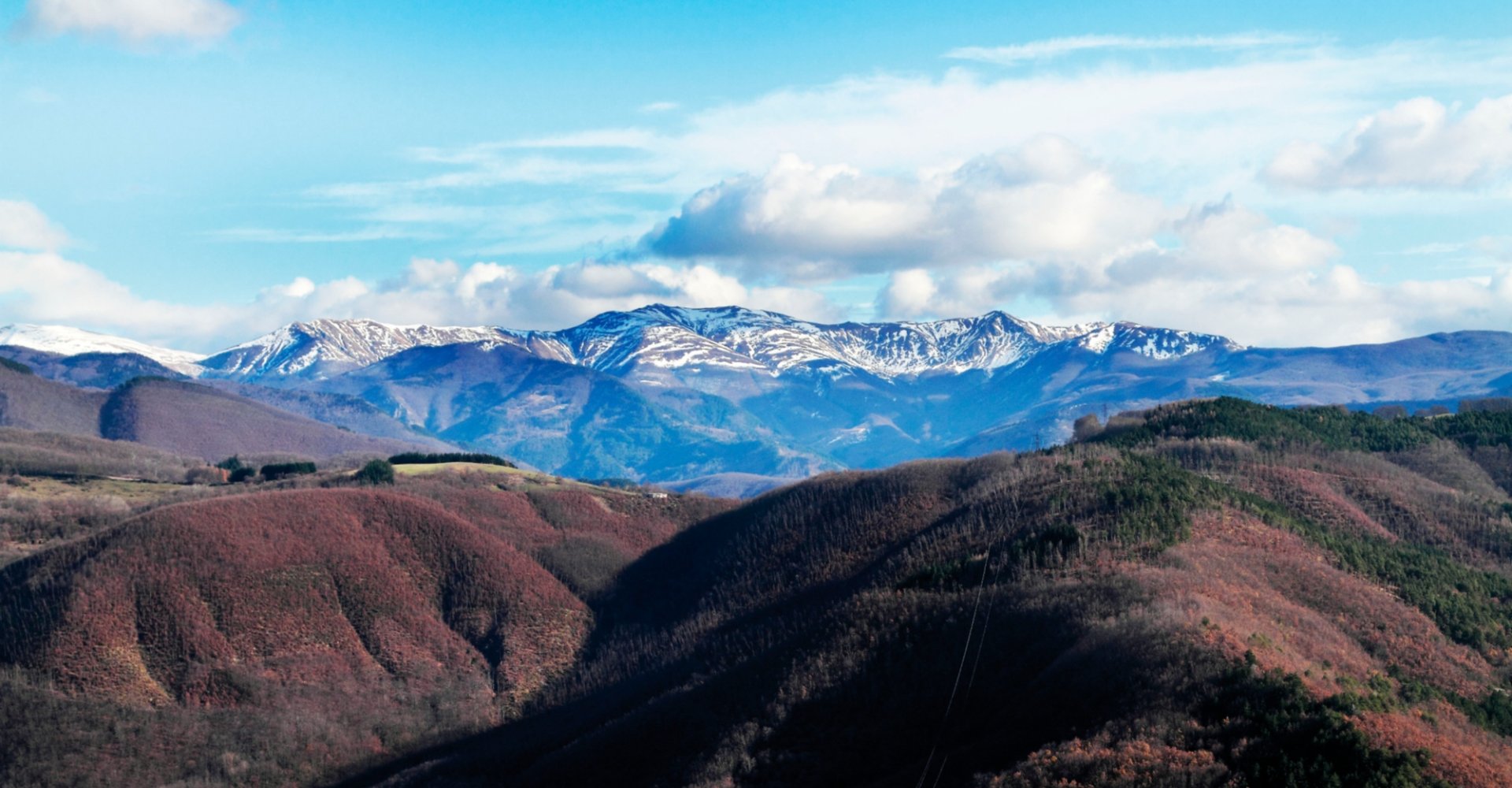
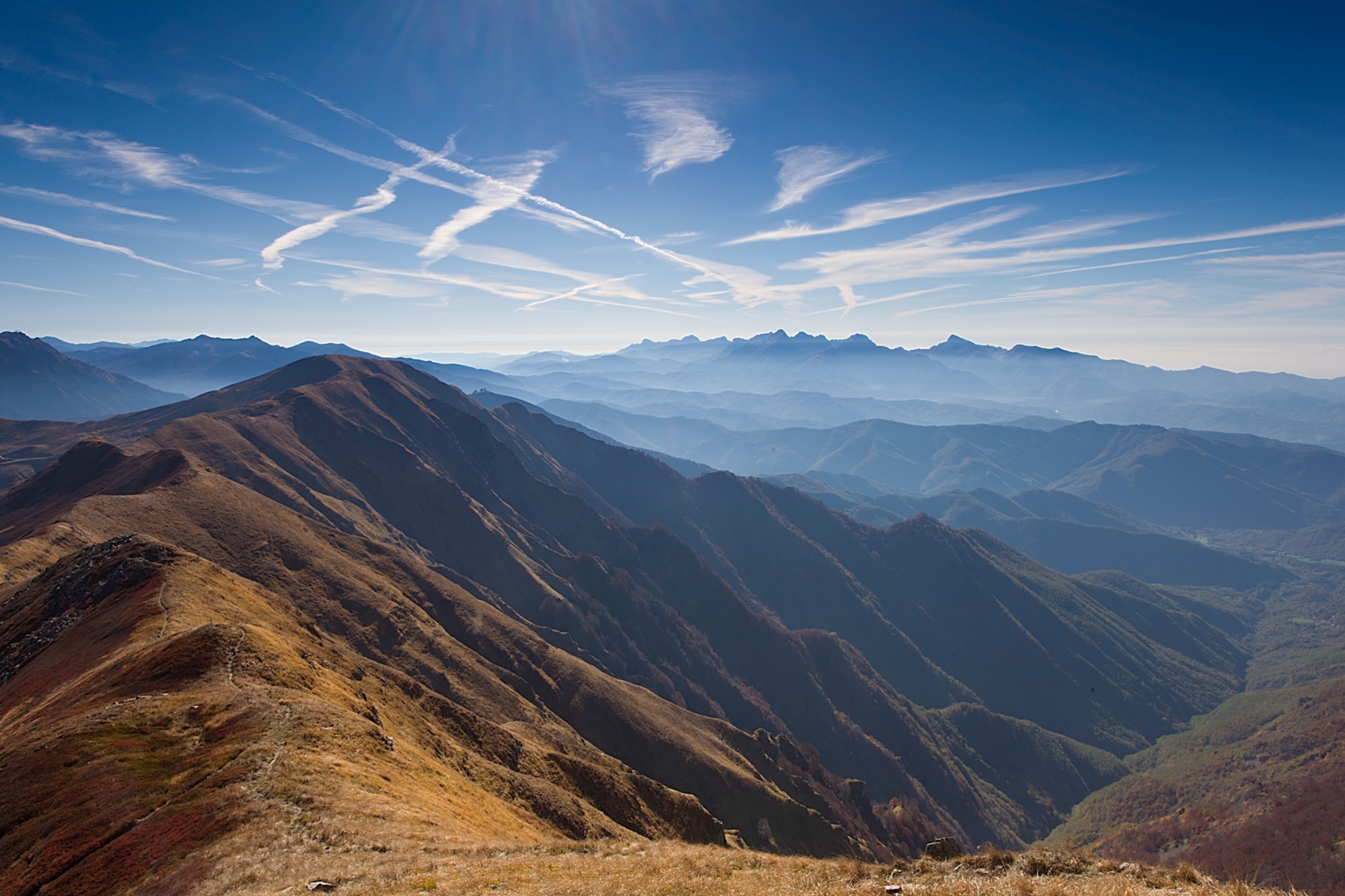
Lunigiana is also a gateway to the Appennino Tosco-Emiliano National Park, which stretches for some 37 miles or 60 kilometers along the ridge between Tuscany and Emilia-Romagna. A protected area of extraordinary biodiversity, where forests, high-altitude grasslands, lakes and valleys alternate, totaling thousands of acres to explore.
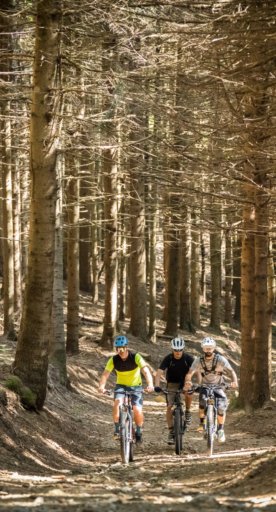
The park is a paradise for lovers of mountains and active tourism, in an ideal terrain for hiking, winter sports and outdoor activities, enriched by sweeping vistas and numerous vestiges of human presence, from prehistoric times to the rural life of more recent mountain communities.
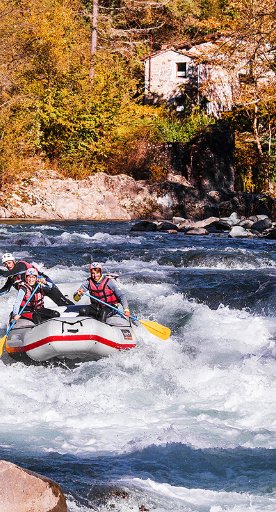
Another fundamental element of the Lunigiana landscape is water. The Magra River and Protected Natural Areas of Local Interest (ANPILs) safeguard river environments characterized by a rambling riverbed, natural islets and riparian vegetation consisting of willow, alder and oak woodlands.
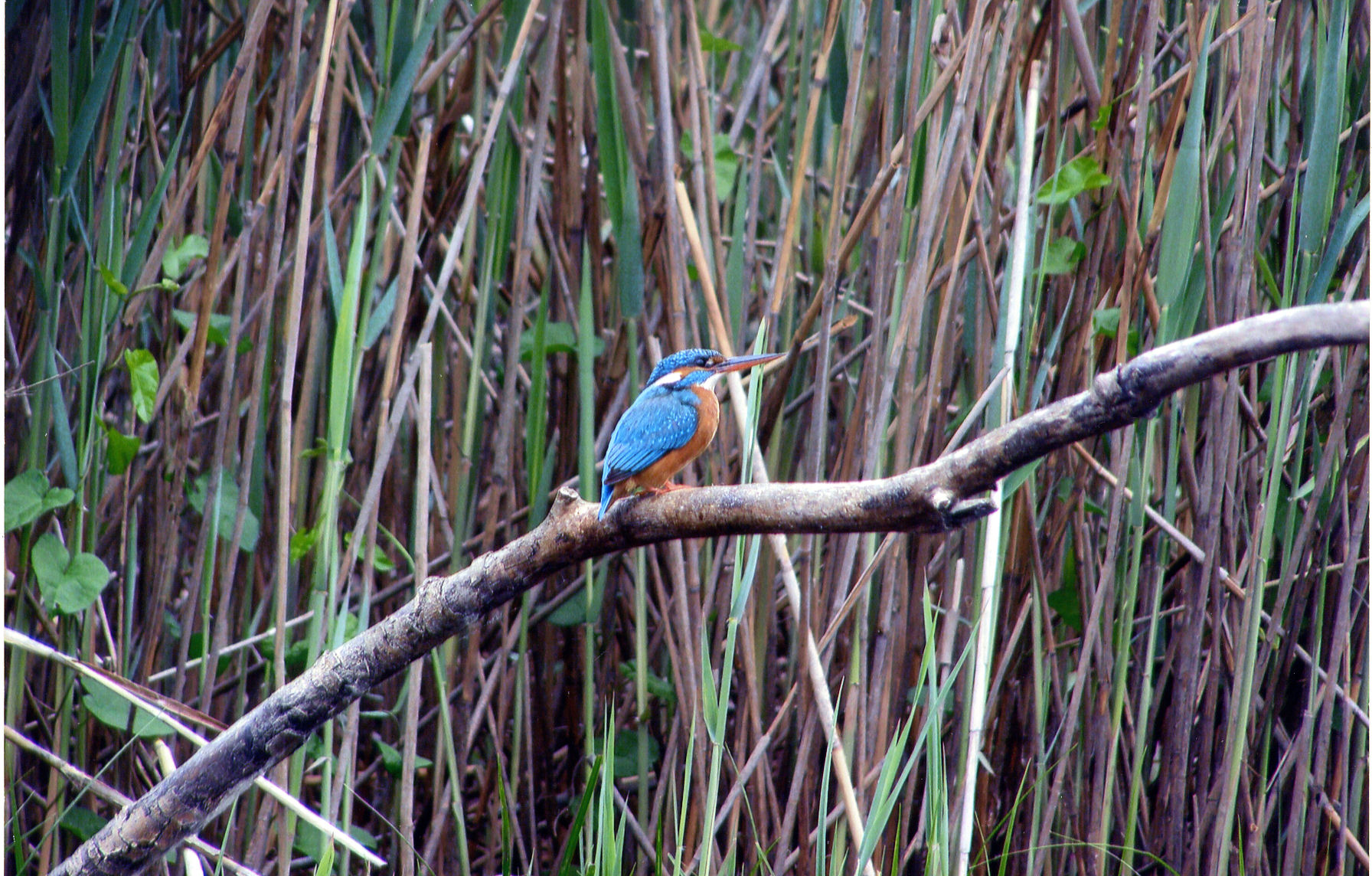
These ecosystems are home to a rich avifauna counting ducks, waders, herons, bee-eaters and the colorful kingfisher, making the Magra an ideal place for observing nature and taking slow walks along the river, particularly near Pontremoli.
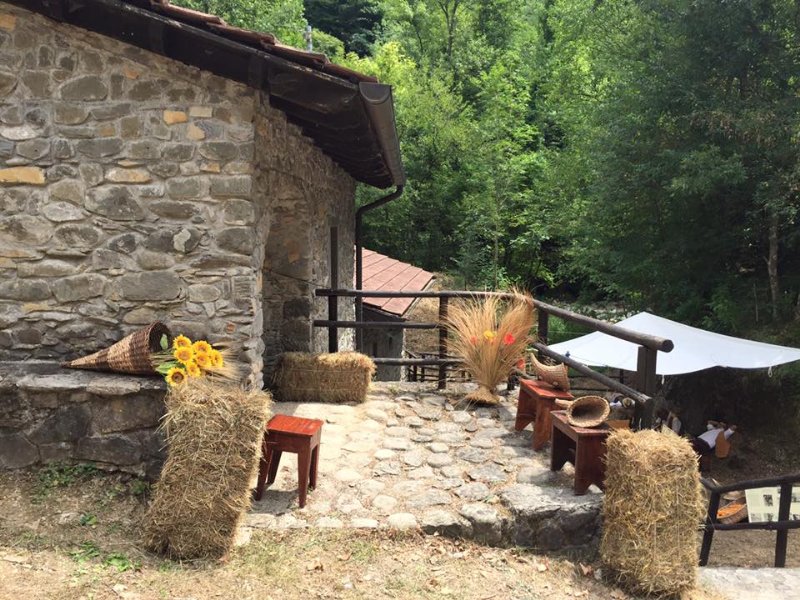
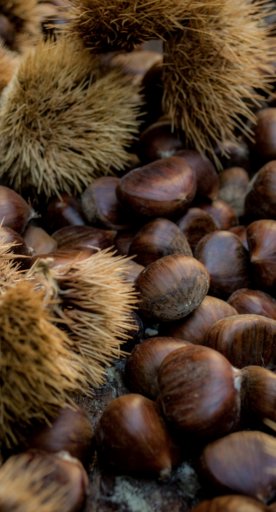
Lunigiana’s natural heritage is inextricably linked to the presence of man. In the valley of the Rosaro Stream is the ancient Arlia water mill, equipped with 3 stone millstones for wheat, corn and chestnuts. At one time, until the 19ᵗʰ century, there were more than 400 of them throughout Lunigiana, testifying to an economy deeply rooted in the local area.
Examples of a well-preserved rural landscape can also be found in the Filattiera Plain, with irrigation ditches, tree-lined fields, historic 18ᵗʰ-century embankments and still-functioning mills producing stone-ground flours.
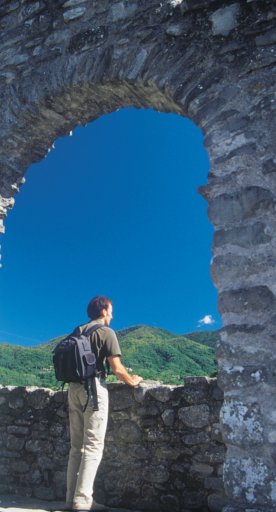
This is the context of the Via Francigena, a witness to the passage of pilgrims, merchants and travelers over the centuries. The path has not only shaped the network of settlements and agricultural activities but has helped construct a lived-in, traversed and transformed landscape where nature and history continue to dialog.
Lunigiana is the ideal destination for those seeking nature comprised of silences, forests, clear waters and ancient memories. An area that invites you to slow down, walk and observe, where the natural and cultural landscapes are deeply and harmoniously intertwined, providing intimate and rejuvenating travel experiences.