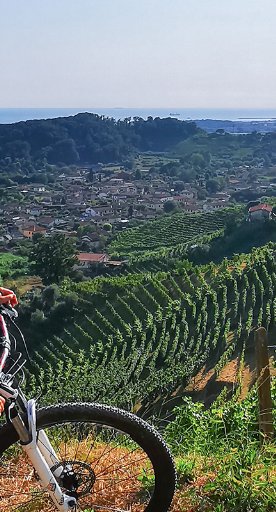
Tuscany is a true paradise for bicycle lovers, from professional cyclists to enthusiasts who want to take it easy and enjoy the scenery. The variety of terrain is unique—from dirt roads in the countryside to off-road mountain bike trails, paved alleys in the villages and bike paths along the rivers.
The region has a long cycling tradition. Indeed, legends such as Bartali, Cipollini and Bettini trained on these very roads. Here are 5 scenic routes to try out in Tuscany.
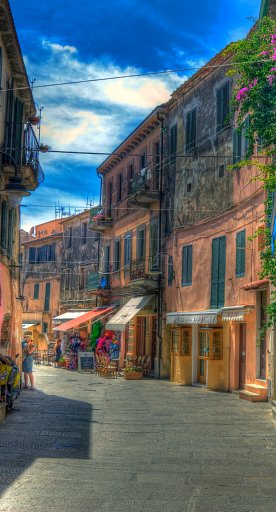
An alternative way to visit Elba Island is by bicycle, which is possible year-round. The island is mostly hilly, with climbs and descents that are a joy for cyclists, offering spectacular vistas of the sea and hidden glimpses of lesser-known villages and bays.
Recommended route: Approximately 18.6 miles or 30 kilometers on Monte Calamita, near Capoliveri. Along the way, you will encounter old iron mines and interesting examples of industrial archeology. The famous Capoliveri Legend Cup is also held here.
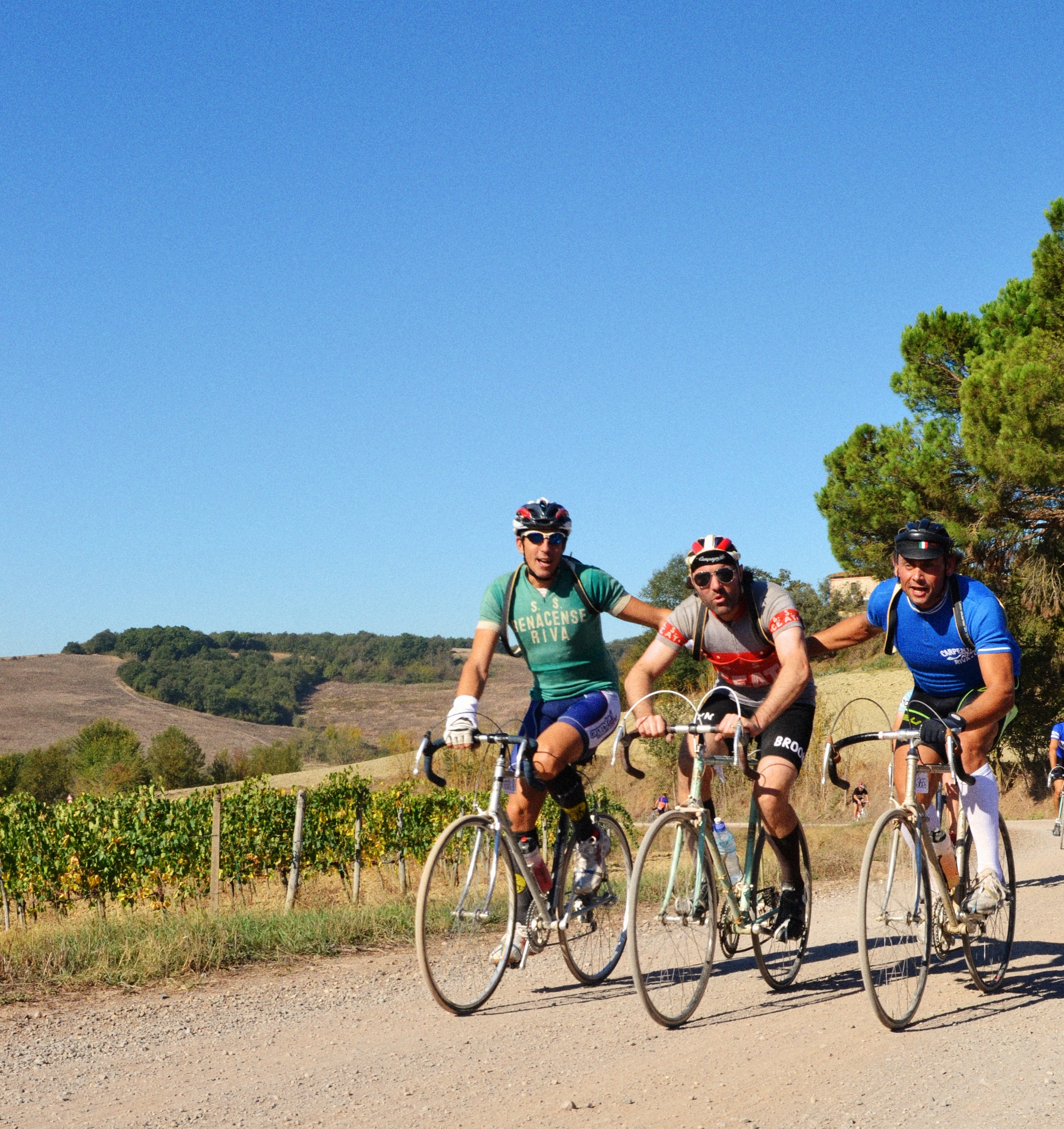
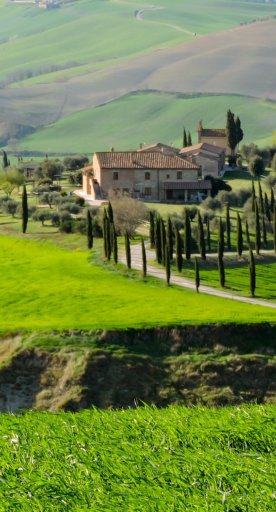
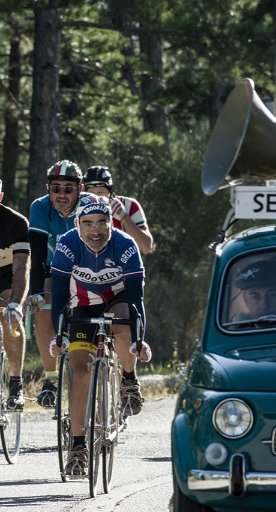
For a vintage feel, L’Eroica runs through some of the most beautiful areas of Tuscany: Chianti, Crete Senesi and Val d’Orcia.
The event, held on the first Sunday in October, has become a must for cyclists because of the gravel roads and the length of the stages, ranging from 28.6 to 124 miles (46 to 200 kilometers). In addition to the sporting challenge, local food and wine specialties can be savored along the route.
Recommended route: You can walk the permanent track all year round, experiencing the legendary atmosphere of the event even without participating in the official competition. The route covers 130 miles/209 kilometers in the heart of Terre di Siena, alternating between stretches on paved roads and dirt roads, with a total elevation gain of around 2.4 miles/3.8 kilometers, perfect for those who love cycling.
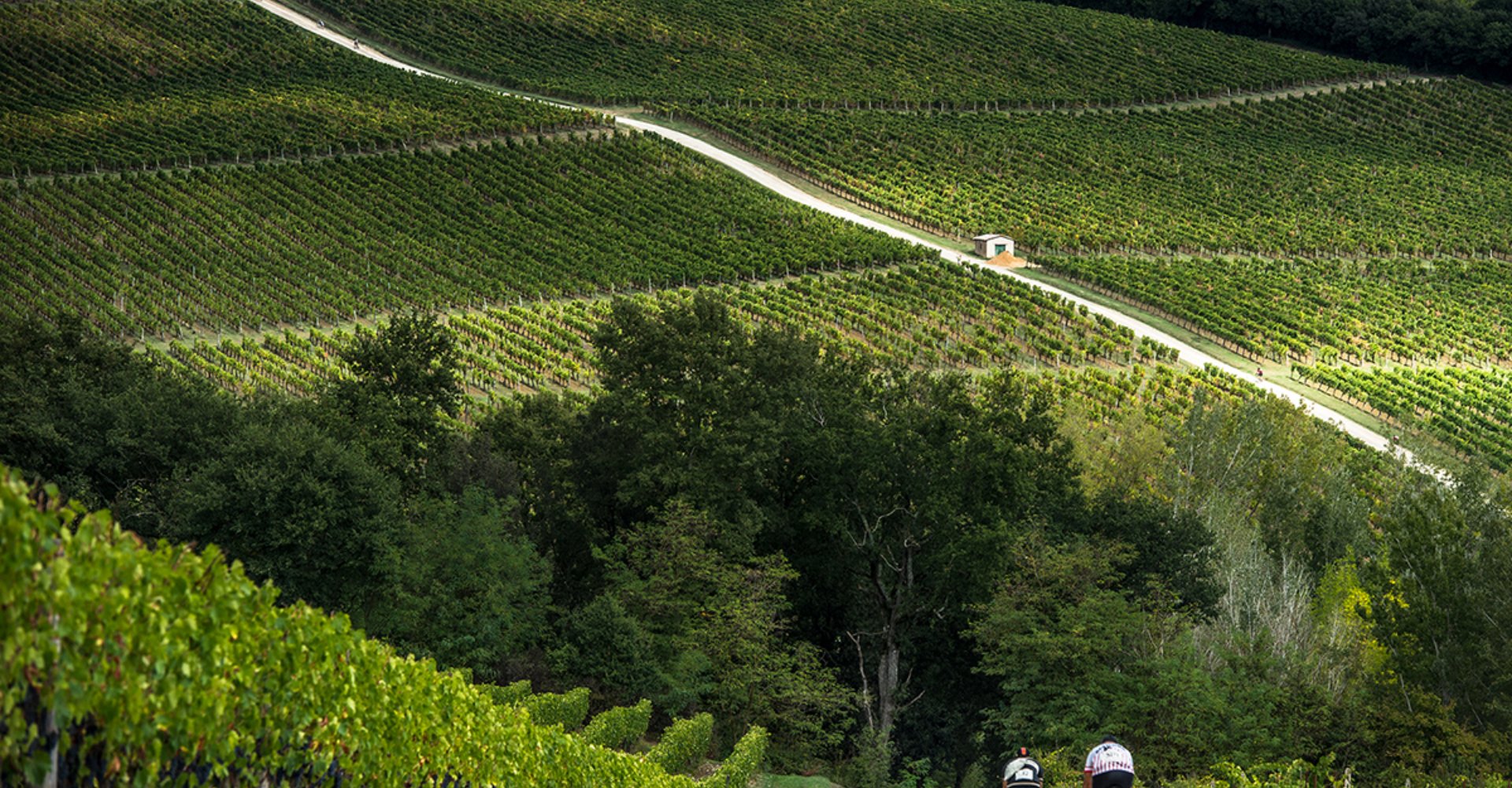
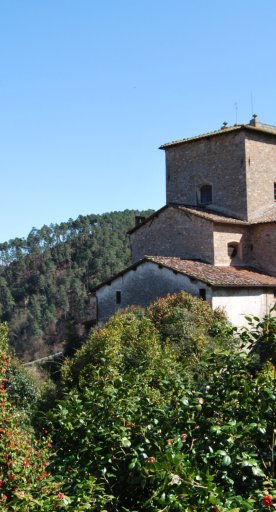
Discovering the Apuan Alps by bicycle means combining nature, history and breathtaking scenery. Each ride offers unique views and moments of total immersion in the wild beauty of Tuscany. Amid medieval fortifications, historic villages and evidence of lives lived long ago, the route also becomes a journey into local history and culture, perfect for those who like to combine sport and discovery.
Recommended route: Depart from Castelnuovo di Garfagnana, passing the Rocca Ariostesca and the Mont’Alfonso Fortress, evidence of the importance of the Este family rule. The loop trail runs along the Turrite Secca stream, reaches Isola Santa, continues to Careggine and follows the signs of the historic Via del Volto Santo.
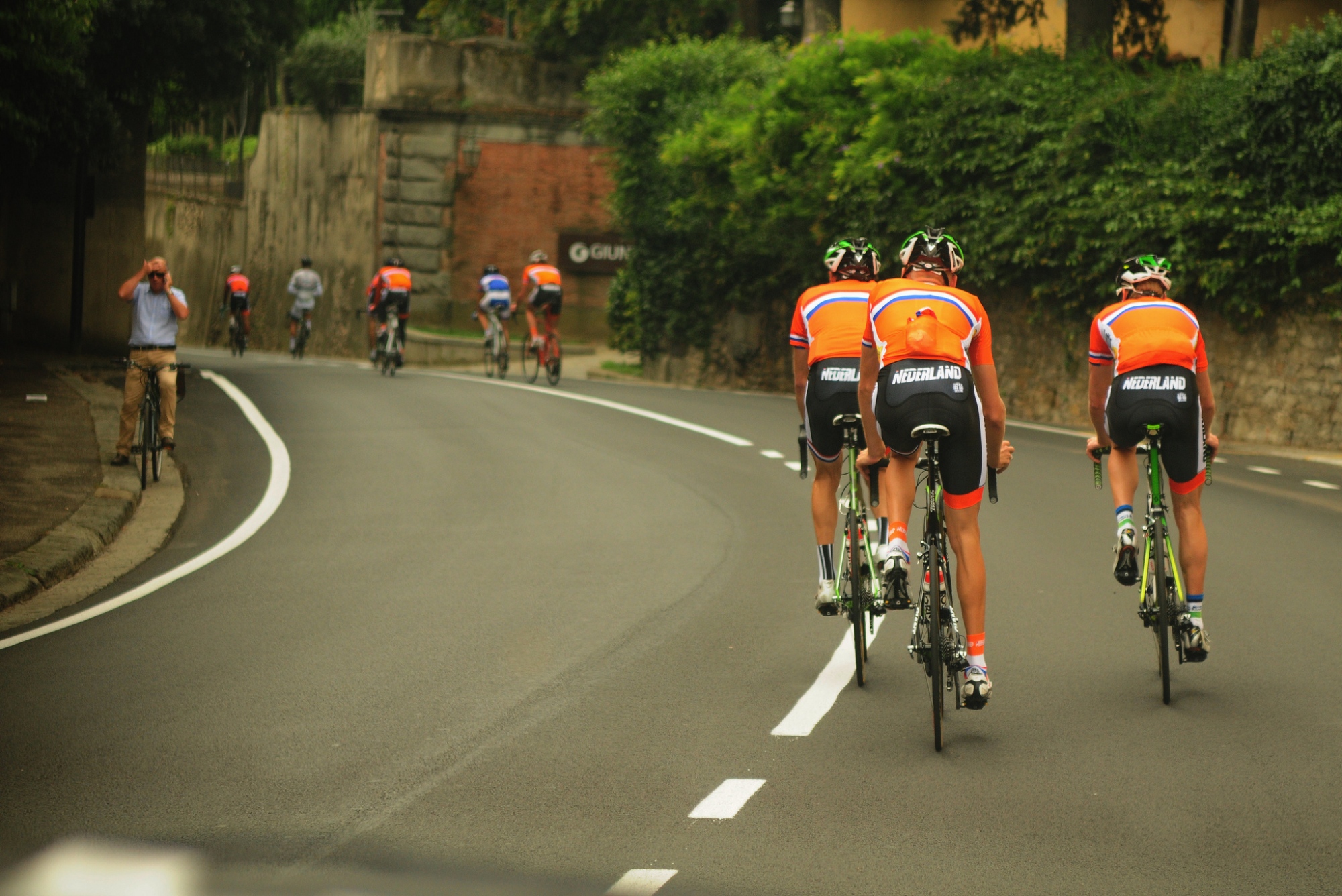
The route from Florence to Fiesole is so scenic that it was chosen for the 2013 World Cycling Championship. Fiesole is located in the hills northeast of Florence, just 5 miles or 8 kilometers from the center, offering spectacular views of the city and surrounding countryside.
Recommended route: The itinerary is short (at about 10 miles or 16 kilometers) but intense. It starts from Campo di Marte and crosses the surrounding hills, among elegant villas, historic convents and breathtaking landscapes. On the way up to Fiesole, you can admire spectacular views of the Tuscan countryside and stop to visit places of interest such as the San Domenico Convent and the archaeological area with Roman amphitheater. On the way back to Florence, the route offers new glimpses of the city and the Tuscan landscape, including lush nature and harmonious views that make for a unique cycling experience.
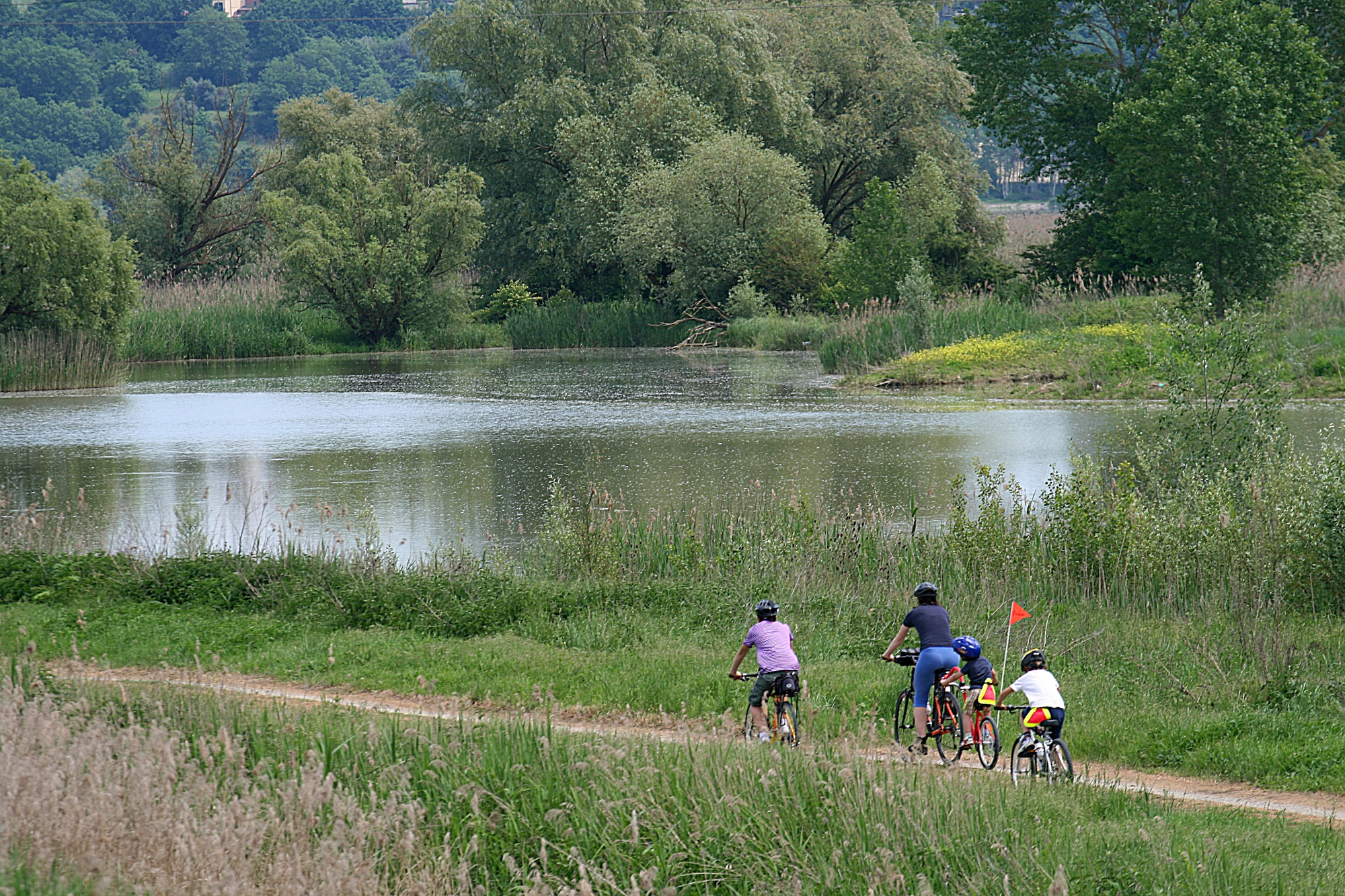
The Valdichiana is an area rich in history, picturesque villages and rural landscapes that are perfect for exploring by bike. Cycling through its rolling hills means being immersed in the most authentic Tuscan countryside, amid canals, lakes and ancient hydraulic engineering works.
Recommended route: The Sentiero della Bonifica (Trail of Reclamation) connects Arezzo and Chiusi, along some 37 miles (60 kilometers) that are perfect for those seeking an easy and scenic route. Pass by the lakes of Chiusi and Montepulciano, with birdwatching opportunities along the way. The Trail of Reclamation also follows the banks of the Canale Maestro and passes by the Callone di Valiano, built in the 18ᵗʰ century to regulate water between the lakes. One option is to make a detour to Cortona, about 7.5 miles (12 kilometers) away with a challenging final climb, to be rewarded with a unique panorama and charming village.