Go to main content
Follonica
Photo © Jacopo
Photo © Jacopo

Follonica

A renowned seaside resort nestled in a gulf with breathtaking views

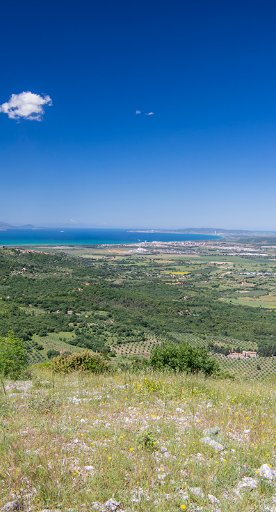
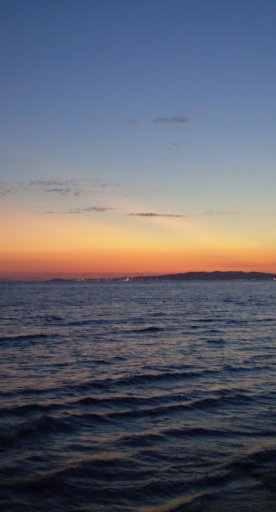
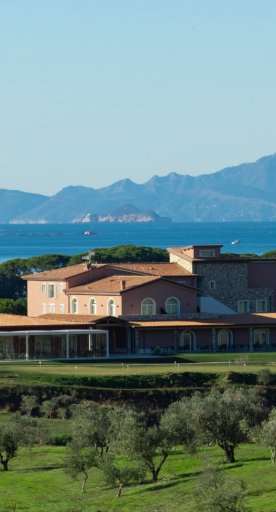
Follonica is located in the center of the gulf from which takes its name, between the Piombino headland and Punta Ala, with Elba Island off its coast.
Famous for its well-equipped beach resorts and crystal-clear waters, Follonica has held the Bandiera Blu d’Italia (Italian Blue Flag) for over 20 years. Thanks to its mild climate and shaded areas, this is an ideal destination for enjoying a relaxing summer with the whole family.

Since ancient times, the town has been famous for iron and cast-iron production, so much so that its name derives from the fulloni, or ancient bellows used in smelting furnaces.
During the Grand Duchy of Leopold II of Tuscany, the city became an important industrial hub, with a modern steel mill being built right next to the old Medici furnace, the structures of which remain intact to this day.

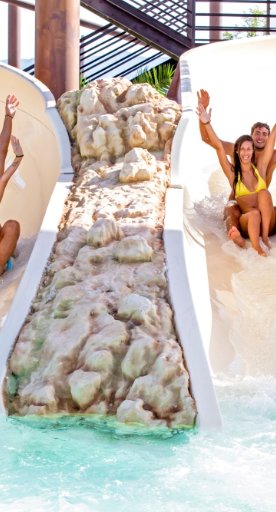
Today, it is a lively town that—especially during the summer—offers plenty of recreational opportunities and amenities for families and young people looking to have fun.
Things to see in Follonica

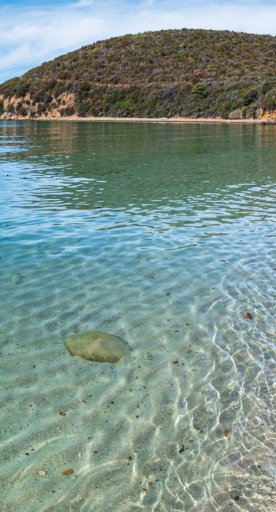
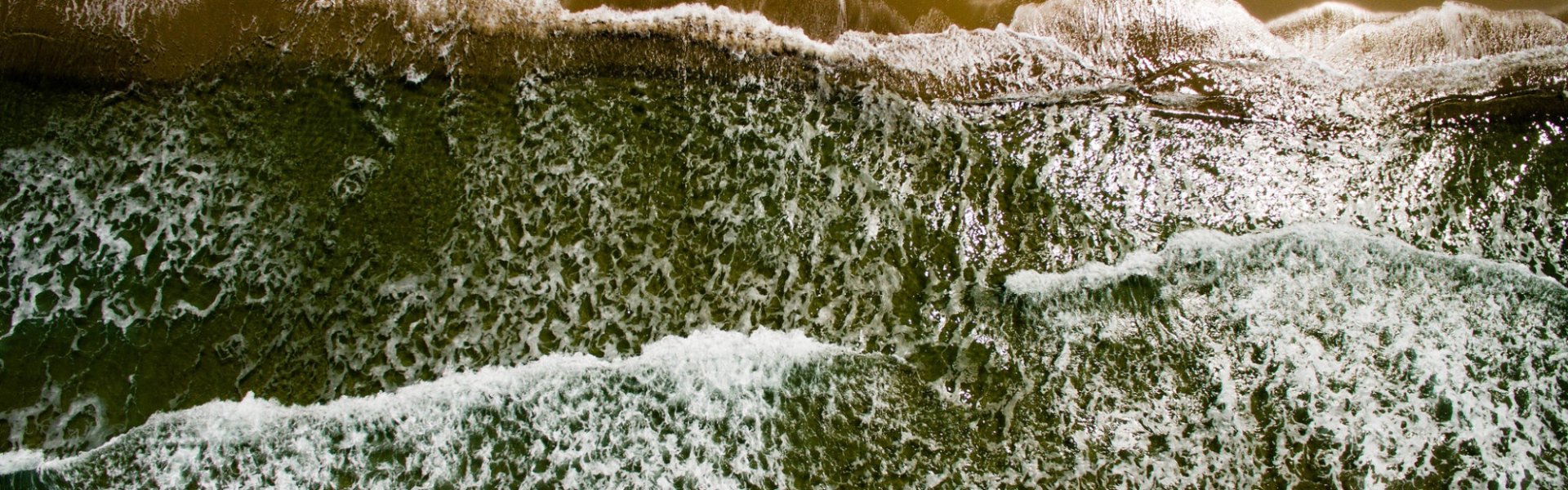
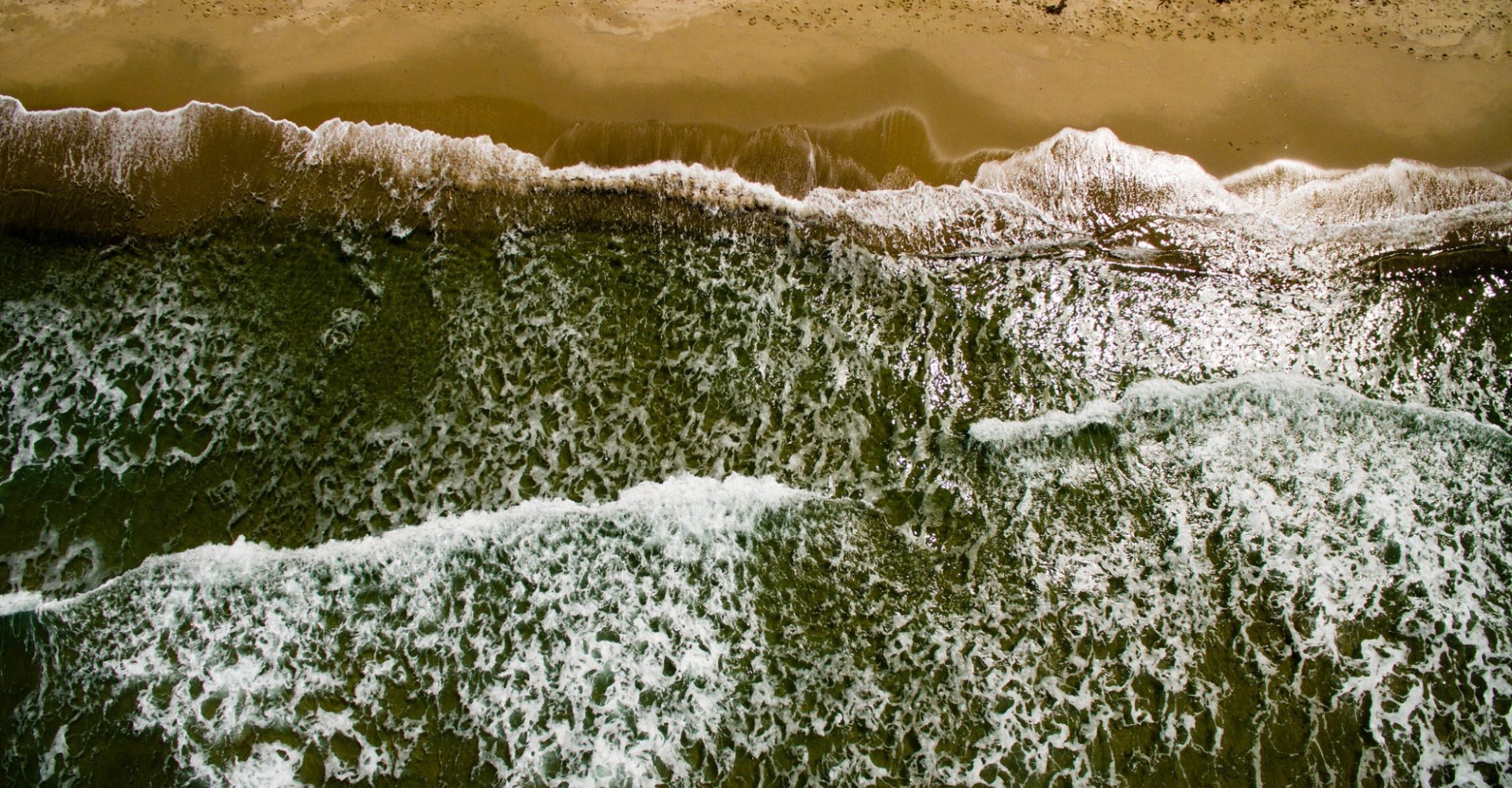
Thanks to the white sand of its beach and the crystal-clear waters, Follonica is a major seaside destination in the Tuscan Maremma. Along the beautiful, well-equipped beaches, there are plenty of opportunities to enjoy water sports and be immersed in nature on numerous trails through the Mediterranean scrub. 

Pratoranieri Beach, around 3 miles or 5 kilometers from downtown Follonica, is one of the best-known and most popular beaches, thanks to its golden sand, the clarity of the water and its layout, which renders the place perfect for children and sports enthusiasts alike. It’s easy to get there on foot or by bike, thanks to a section of the coastal walkway and bike trail.

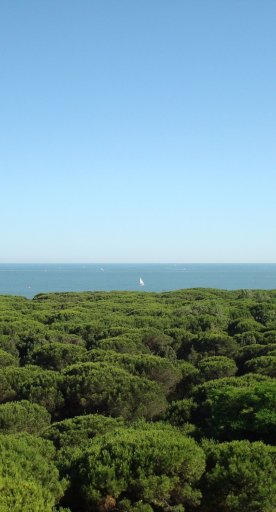
Also not to be missed is Il Boschetto Beach, easily accessible by both bike and car and nestled in a lush pine forest that stretches majestically against a backdrop of imposing dunes.

Follonica even has something to offer those who want to take a cultural break between a swim and sandcastle building.

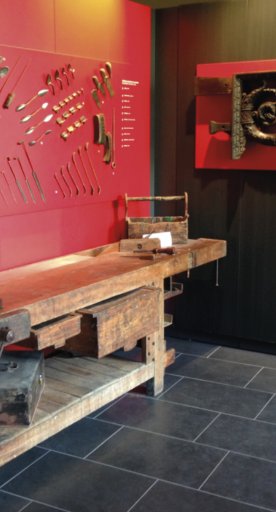
In particular, you can learn more about the area’s historical ties to iron and cast-iron production by visiting the MAGMA (Museum of Cast Iron Arts of Maremma), housed in an old foundry. The museum tour traces the history of the steel industry in Follonica—from which the town’s very origins were forged—using modern installations, interactive tools and audiovisual presentations, as well as workshops and educational games.

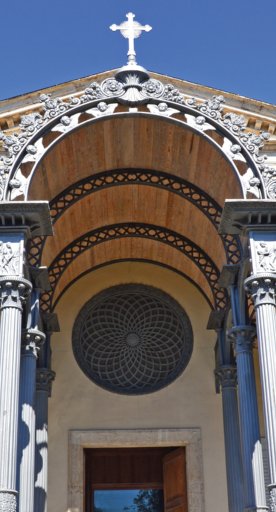
Keeping on the same theme, you can visit the Church of San Leopoldo, a neoclassical building that represents one of the earliest examples of “iron architecture” in Tuscany, where the pronaos is made of cast iron, as are the columns, balustrade, central arch and the friezes by sculptor Nencini.

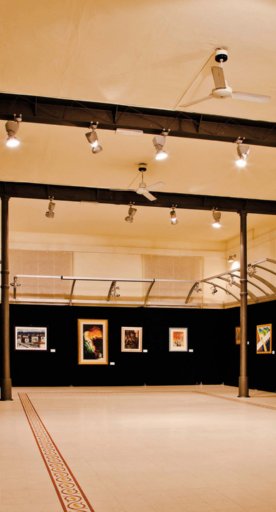
The Pinacoteca Civica (Civic Picture Gallery) hosts temporary exhibitions of modern and contemporary art. 

Thanks to the white sand of its beach and the crystal-clear waters, Follonica is a major seaside destination in the Tuscan Maremma. Along the beautiful, well-equipped beaches, there are plenty of opportunities to enjoy water sports and be immersed in nature on numerous trails through the Mediterranean scrub. 

Pratoranieri Beach, around 3 miles or 5 kilometers from downtown Follonica, is one of the best-known and most popular beaches, thanks to its golden sand, the clarity of the water and its layout, which renders the place perfect for children and sports enthusiasts alike. It’s easy to get there on foot or by bike, thanks to a section of the coastal walkway and bike trail.

Also not to be missed is Il Boschetto Beach, easily accessible by both bike and car and nestled in a lush pine forest that stretches majestically against a backdrop of imposing dunes.

Follonica even has something to offer those who want to take a cultural break between a swim and sandcastle building.

In particular, you can learn more about the area’s historical ties to iron and cast-iron production by visiting the MAGMA (Museum of Cast Iron Arts of Maremma), housed in an old foundry. The museum tour traces the history of the steel industry in Follonica—from which the town’s very origins were forged—using modern installations, interactive tools and audiovisual presentations, as well as workshops and educational games.

Keeping on the same theme, you can visit the Church of San Leopoldo, a neoclassical building that represents one of the earliest examples of “iron architecture” in Tuscany, where the pronaos is made of cast iron, as are the columns, balustrade, central arch and the friezes by sculptor Nencini.

The Pinacoteca Civica (Civic Picture Gallery) hosts temporary exhibitions of modern and contemporary art. 

In the vicinity

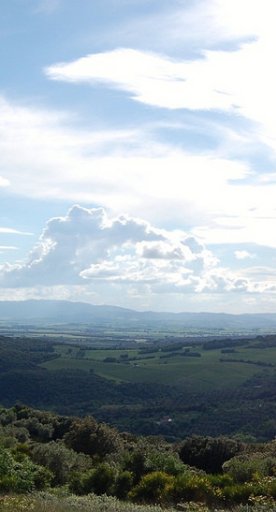
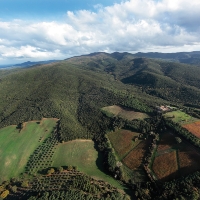
Northern Maremma is an area rich in evocative and varied landscapes. From the inland extents, the landscape transitions through the typical Mediterranean scrub right to the coastline.

Once reaching the area, heading toward Punta Ala, it’s definitely worth taking the long walk that leads to the beautiful beach of Cala Violina, considered one of the most beautiful in Italy.

Heading in the opposite direction, toward Piombino, you’ll come across Carbonifera Beach, nestled within the Sterpaia Coastal Park, with fine sand dunes, a lush, centuries-old pine forest and shallow waters, making it perfect for families with children.

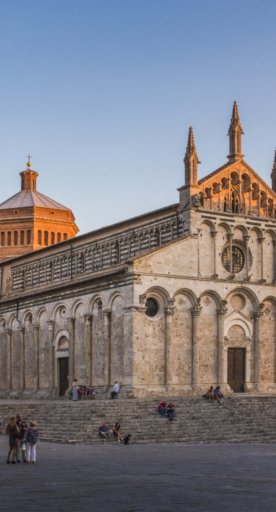
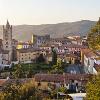
The inland area provides the perfect backdrop to this sea with its crystal-clear waters, pebbled with typical Tuscan villages such as Monterotondo Marittimo, Montieri, Roccastrada, Gavorrano and, among them, the village of Massa Marittima, an absolute must-see, a medieval gem awarded the Touring Club’s Bandiera Arancione (Orange Flag).

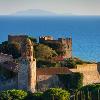
Not far away is the village of Scarlino, from where you can admire the stretch of the Tyrrhenian coast that runs from Follonica to the Maremma. With its medieval castle and ancient churches, Scarlino is a little gem that has preserved the charm of a distant past that is still very much present in the daily lives of its residents.

Continuing south, you’ll come to Castiglione della Pescaia, a town that combines the historic beauty of its medieval center with the charm of its beaches. While you’re in the area, the village of Vetulonia is worth a stop to visit the Isidoro Falchi Archaeological Civic Museum and the archaeological site with its monumental Etruscan tombs and remnants of public and private buildings.

Northern Maremma is an area rich in evocative and varied landscapes. From the inland extents, the landscape transitions through the typical Mediterranean scrub right to the coastline.

Once reaching the area, heading toward Punta Ala, it’s definitely worth taking the long walk that leads to the beautiful beach of Cala Violina, considered one of the most beautiful in Italy.

Heading in the opposite direction, toward Piombino, you’ll come across Carbonifera Beach, nestled within the Sterpaia Coastal Park, with fine sand dunes, a lush, centuries-old pine forest and shallow waters, making it perfect for families with children.

The inland area provides the perfect backdrop to this sea with its crystal-clear waters, pebbled with typical Tuscan villages such as Monterotondo Marittimo, Montieri, Roccastrada, Gavorrano and, among them, the village of Massa Marittima, an absolute must-see, a medieval gem awarded the Touring Club’s Bandiera Arancione (Orange Flag).

Not far away is the village of Scarlino, from where you can admire the stretch of the Tyrrhenian coast that runs from Follonica to the Maremma. With its medieval castle and ancient churches, Scarlino is a little gem that has preserved the charm of a distant past that is still very much present in the daily lives of its residents.

Continuing south, you’ll come to Castiglione della Pescaia, a town that combines the historic beauty of its medieval center with the charm of its beaches. While you’re in the area, the village of Vetulonia is worth a stop to visit the Isidoro Falchi Archaeological Civic Museum and the archaeological site with its monumental Etruscan tombs and remnants of public and private buildings.

Events

Among the many events held there, the Follonica Carnevale is particularly noteworthy. Established in 1949, it attracts numerous visitors who come to see the parades of masked figures and allegorical floats each year.
More recently, cultural and musical events have been revived, with a strong emphasis on folkloric occasions such as festivals and village celebrations.

Among the many events held there, the Follonica Carnevale is particularly noteworthy. Established in 1949, it attracts numerous visitors who come to see the parades of masked figures and allegorical floats each year.
More recently, cultural and musical events have been revived, with a strong emphasis on folkloric occasions such as festivals and village celebrations.

Typical products

This region is home to the food and wine tourism route of the Monteregio Wine and Taste Trail, which allows tourists to visit wineries, wine bars and high-quality shops to discover the region’s authentic products.

The culinary tradition of the Maremma boasts typical dishes such as Tortelli Maremmani, large ravioli made with fresh pasta filled with ricotta and spinach, or else with nettle greens or mixed herbs, depending on the local traditions of the areas where they are handmade. They are usually served with meat sauce or butter and sage. 

Acquacotta (literally, “cooked water”, the Italian equivalent of Stone Soup), rather, is a “peasant” soup, made with onions, tomatoes, toasted bread, eggs and pecorino cheese—one of those ancient, traditional dishes born at the intersection of a scarcity of ingredients and human imagination.  

Other dishes you can try in the Follonica area include pappardelle pasta with hare sauce, wild boar with olives and even stewed snails.

This region is home to the food and wine tourism route of the Monteregio Wine and Taste Trail, which allows tourists to visit wineries, wine bars and high-quality shops to discover the region’s authentic products.

The culinary tradition of the Maremma boasts typical dishes such as Tortelli Maremmani, large ravioli made with fresh pasta filled with ricotta and spinach, or else with nettle greens or mixed herbs, depending on the local traditions of the areas where they are handmade. They are usually served with meat sauce or butter and sage. 

Acquacotta (literally, “cooked water”, the Italian equivalent of Stone Soup), rather, is a “peasant” soup, made with onions, tomatoes, toasted bread, eggs and pecorino cheese—one of those ancient, traditional dishes born at the intersection of a scarcity of ingredients and human imagination.  

Other dishes you can try in the Follonica area include pappardelle pasta with hare sauce, wild boar with olives and even stewed snails.

info
Information

What’s nearby?

Must-see places, stage-by-stage routes, events and tips for your trip

Northern Maremma

Northern Maremma
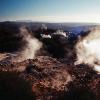
Crystal-clear sea, nature reserves and resources pulled from the bowels of the earth
Show more