Towns and villages
Chianciano Terme
Chianciano Terme
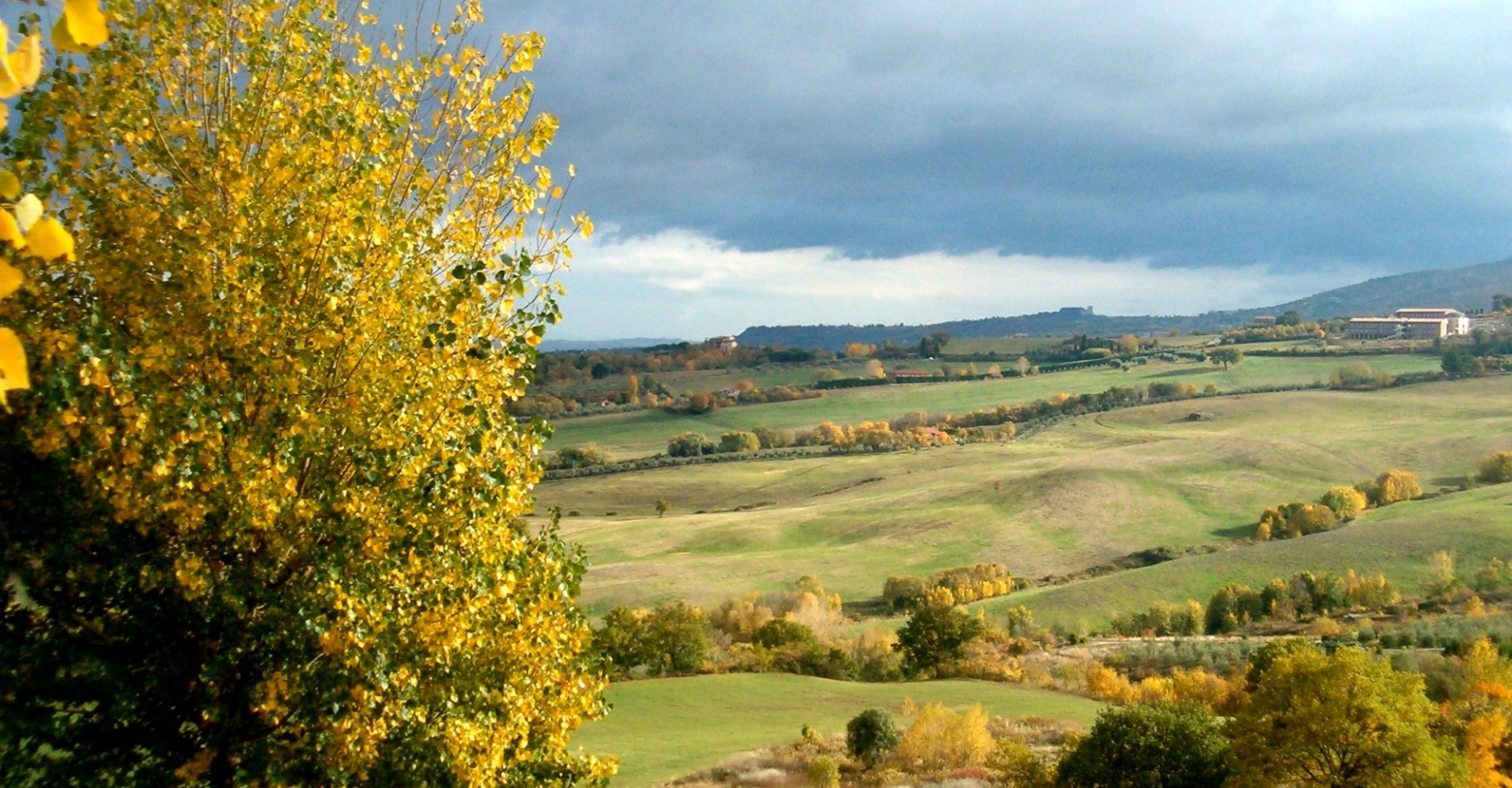
One of the most admired thermal bath destinations in the whole of Europe, surrounded by beautiful countryside
Chianciano Terme, one of the most famous thermal spa destinations in all of Europe, is located right between the Val d’Orcia and the Valdichiana, perfectly placed to enjoy some of the most renowned, beautiful parts of Tuscany. Chianciano enchants visits both with its historic town centre and its spa area, rich in mineral healing waters.
What to see in Chianciano Terme
Ancient Chianciano is protected by sturdy walls and is connected to the new part of town via Viale della Libertà. Once you reach the town center, you can visit the imposing Castello dei Conti Manenti, known as “Il Monastero,” and the beautiful Torre dell’Orologio.
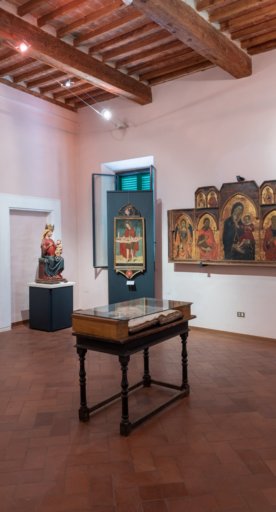
Among the attractions of the historic center are the Collegiate Museum, where visitors can admire the 14ᵗʰ-century crucifix from the school of Duccio di Buoninsegna and a panel depicting Saint John the Baptist supporting the ancient town of Chianciano—of which the saint is the patron—depicted complete with city walls and a row of towers.
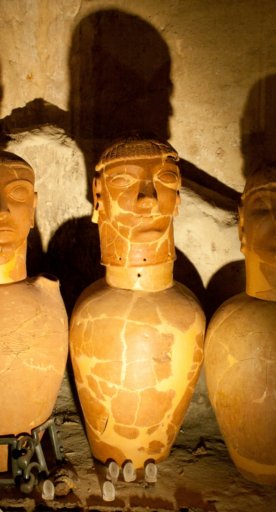
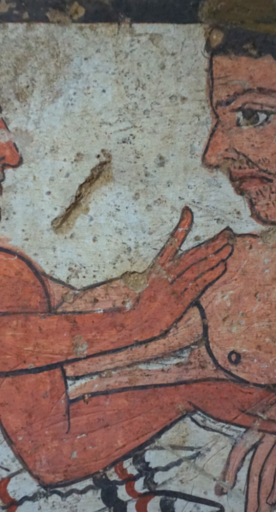
Also worth visiting is the Archaeological Civic Museum Museo Civico Archeologico delle Acque safeguarding a vast collection of Etruscan artifacts, including human-shaped cinerary urns and grave goods, along with evidence of the use of thermal springs during the Roman era. Housed in a former granary, the museum is accessible to the visually impaired, with tactile paths and information in Braille.
For fans of cinema, it is also worth noting that among Chianciano’s historic admirers is the director Federico Fellini, who esteemed the town for many years and chose it as the setting for several scenes in his masterpiece, the film 8 ½. The Chianciano/Fellini Award, presented annually to prominent figures in the worlds of culture, art and entertainment, is dedicated to the director from Rimini.
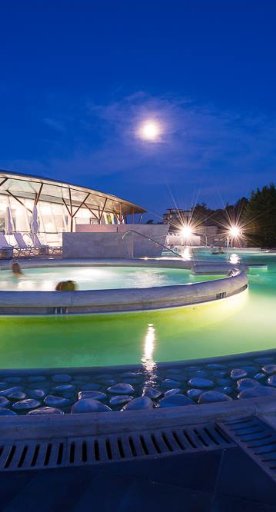
If you visit Chianciano, you simply must take time out to relax at the Terme di Chianciano, an ideal place for a vacation with the whole family.
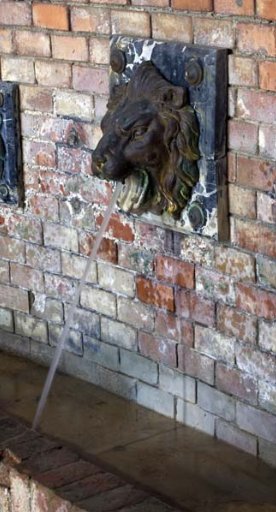
The spa complex includes the Fucoli and Acqua Santa Thermal Parks, where 4 types of water flow, rich in bicarbonate, sulfate and calcium so beneficial for curing the body and restoring well-being: Acqua Santa, Acqua Fucoli, Acqua Sillene and Acqua Santissima.
The Fucoli Park offers activities such as outdoor thermal baths and mud therapy treatments, particularly beneficial for vascular and arthro-rheumatic conditions. The Parco Acqua Santa, rather, is ideal for mineral water therapy, helping to purify the body, stimulate the metabolism and improve digestion. The 2 parks are connected and offer experiences that combine relaxation, wellness and sports.
Within the Chianciano thermal complex, the Sensory Thermal Bath is inspired by multi-sensory Eastern philosophies, combining the use of thermal waters with advanced relaxation techniques that rebalance physical energy. At the Chianciano Terme, the Sillene Thermal Center offers specialized spa treatments such as mud balneotherapy for treating joint and circulatory disorders, inhalation treatments and baths for vascular problems. A physical therapy center to recover after surgery or treat chronic issues is also located here.
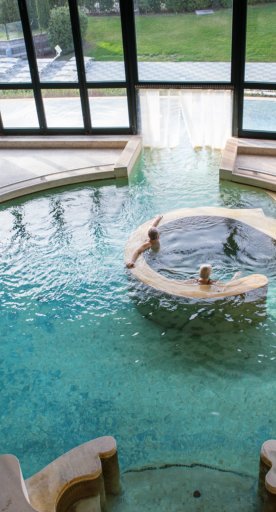
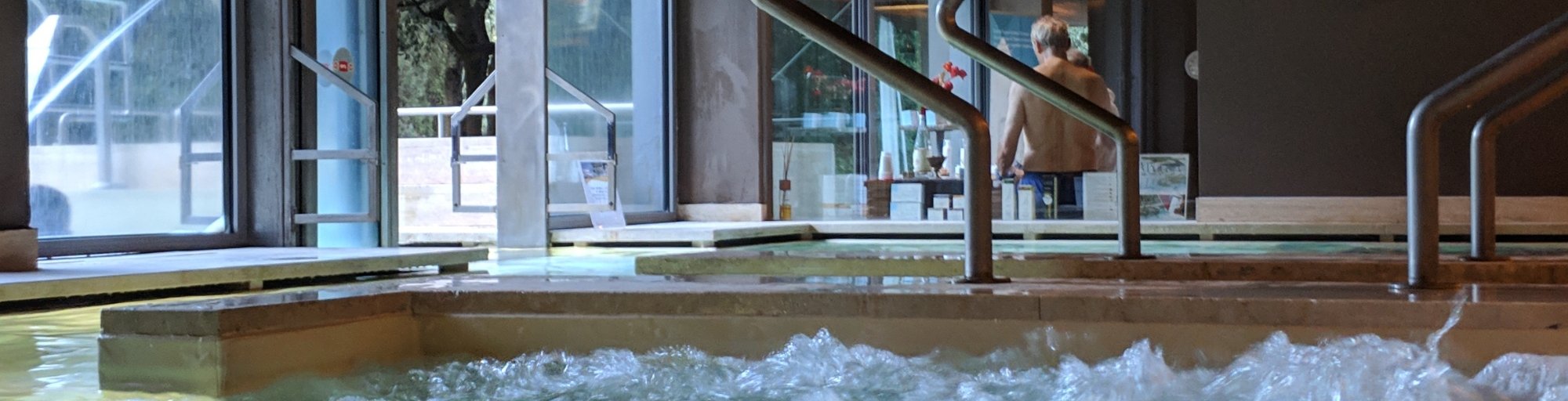
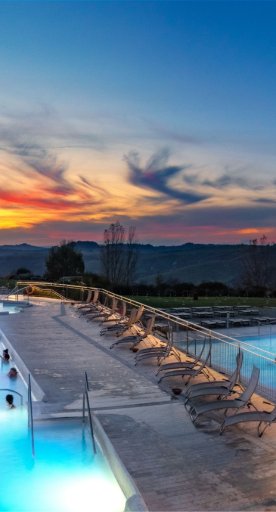
The Theia Thermal Pools, fed by waters from the Sillene spring—rich in minerals with anti-inflammatory properties—feature baths with whirlpools and water jets that can be used year-round thanks to the high temperature at which the waters flow.
These waters, along with the treatments and therapies derived from them and thanks to their natural properties, render Chianciano a true “city of health.”
Ancient Chianciano is protected by sturdy walls and is connected to the new part of town via Viale della Libertà. Once you reach the town center, you can visit the imposing Castello dei Conti Manenti, known as “Il Monastero,” and the beautiful Torre dell’Orologio.
Among the attractions of the historic center are the Collegiate Museum, where visitors can admire the 14ᵗʰ-century crucifix from the school of Duccio di Buoninsegna and a panel depicting Saint John the Baptist supporting the ancient town of Chianciano—of which the saint is the patron—depicted complete with city walls and a row of towers.
Also worth visiting is the Archaeological Civic Museum Museo Civico Archeologico delle Acque safeguarding a vast collection of Etruscan artifacts, including human-shaped cinerary urns and grave goods, along with evidence of the use of thermal springs during the Roman era. Housed in a former granary, the museum is accessible to the visually impaired, with tactile paths and information in Braille.
For fans of cinema, it is also worth noting that among Chianciano’s historic admirers is the director Federico Fellini, who esteemed the town for many years and chose it as the setting for several scenes in his masterpiece, the film 8 ½. The Chianciano/Fellini Award, presented annually to prominent figures in the worlds of culture, art and entertainment, is dedicated to the director from Rimini.
If you visit Chianciano, you simply must take time out to relax at the Terme di Chianciano, an ideal place for a vacation with the whole family.
The spa complex includes the Fucoli and Acqua Santa Thermal Parks, where 4 types of water flow, rich in bicarbonate, sulfate and calcium so beneficial for curing the body and restoring well-being: Acqua Santa, Acqua Fucoli, Acqua Sillene and Acqua Santissima.
The Fucoli Park offers activities such as outdoor thermal baths and mud therapy treatments, particularly beneficial for vascular and arthro-rheumatic conditions. The Parco Acqua Santa, rather, is ideal for mineral water therapy, helping to purify the body, stimulate the metabolism and improve digestion. The 2 parks are connected and offer experiences that combine relaxation, wellness and sports.
Within the Chianciano thermal complex, the Sensory Thermal Bath is inspired by multi-sensory Eastern philosophies, combining the use of thermal waters with advanced relaxation techniques that rebalance physical energy. At the Chianciano Terme, the Sillene Thermal Center offers specialized spa treatments such as mud balneotherapy for treating joint and circulatory disorders, inhalation treatments and baths for vascular problems. A physical therapy center to recover after surgery or treat chronic issues is also located here.
The Theia Thermal Pools, fed by waters from the Sillene spring—rich in minerals with anti-inflammatory properties—feature baths with whirlpools and water jets that can be used year-round thanks to the high temperature at which the waters flow.
These waters, along with the treatments and therapies derived from them and thanks to their natural properties, render Chianciano a true “city of health.”
Nearby
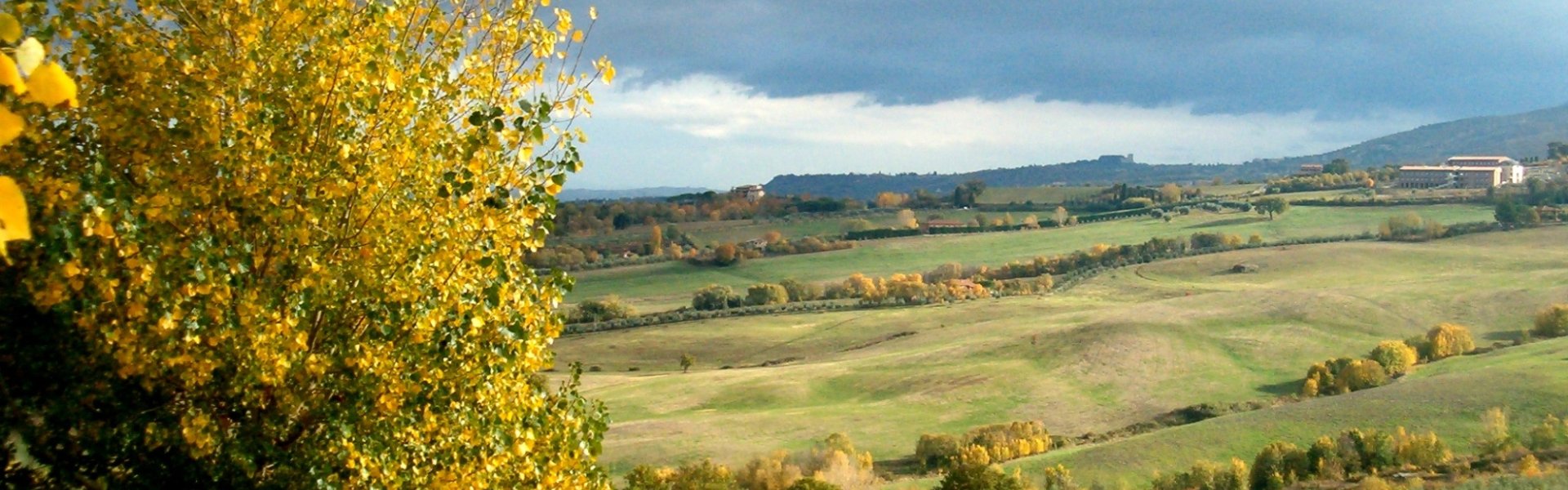
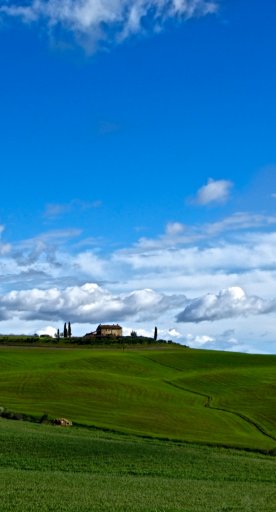
Chianciano is located in the heart of the Valdichiana Senese, surrounded by wooded hills adorned with oak, beech, holm oak and chestnut trees. Not too far from here lies the Pietraporciana Nature Reserve, a corner of paradise that is home to a centuries-old beech forest.
From its privileged location, Chianciano even offers a breathtaking panoramic view. Indeed, the vista stretches from the majestic peaks of Monte Cetona and Monte Amiata, all the way to Lake Chiusi in the distance, the medieval village of Montepulciano, and Lake Trasimeno. Set against this spectacular backdrop is Villa La Foce, a historic estate renowned for its garden, designed by landscape architect Cecil Pinsent. Acquired by the Origo family in 1927, the villa is famous for its Italian-style garden, which offers a panoramic view of the Val d’Orcia and Monte Amiata.
Chianciano is located in the heart of the Valdichiana Senese, surrounded by wooded hills adorned with oak, beech, holm oak and chestnut trees. Not too far from here lies the Pietraporciana Nature Reserve, a corner of paradise that is home to a centuries-old beech forest.
From its privileged location, Chianciano even offers a breathtaking panoramic view. Indeed, the vista stretches from the majestic peaks of Monte Cetona and Monte Amiata, all the way to Lake Chiusi in the distance, the medieval village of Montepulciano, and Lake Trasimeno. Set against this spectacular backdrop is Villa La Foce, a historic estate renowned for its garden, designed by landscape architect Cecil Pinsent. Acquired by the Origo family in 1927, the villa is famous for its Italian-style garden, which offers a panoramic view of the Val d’Orcia and Monte Amiata.
Local products
A tour of Montepulciano’s attractions simply must end with a dinner featuring local specialties, such as cured meats made from Cinta Senese or Pappardelle pasta with wild boar sauce, all accompanied, of course, by a glass of Vino Nobile. If you love the taste of garlic and fresh pasta, treat yourself to a plate of Pici all’Aglione, a traditional sauce from the Valdichiana. Finally, you won’t want to miss the chance to try a Bistecca di Chianina, the famous steak cooked over charcoal.
A tour of Montepulciano’s attractions simply must end with a dinner featuring local specialties, such as cured meats made from Cinta Senese or Pappardelle pasta with wild boar sauce, all accompanied, of course, by a glass of Vino Nobile. If you love the taste of garlic and fresh pasta, treat yourself to a plate of Pici all’Aglione, a traditional sauce from the Valdichiana. Finally, you won’t want to miss the chance to try a Bistecca di Chianina, the famous steak cooked over charcoal.
info
Information
What’s nearby?
Must-see places, stage-by-stage routes, events and tips for your trip







Valdichiana Senese
Blue rhapsody in Etruscan Tuscany
Show more
arrow_forward