In the Valdichiana Senese, curiosity knows no age. It can take you deep into a cave inhabited thousands of years ago, through the tunnels of an ancient Etruscan city or on a journey of discovery through a museum, as seen through the eyes of a lion cub.
Here, even the youngest children can learn about history through hands-on experiences, discovering the joy of exploring and experimenting. And between one visit and the next, there’s time for a day at the spa, a craft workshop or a close encounter with animals.
Located on the slopes of the mountain of the same name, Cetona is a medieval village that preserves important evidence of human presence in the area dating back to prehistoric times.
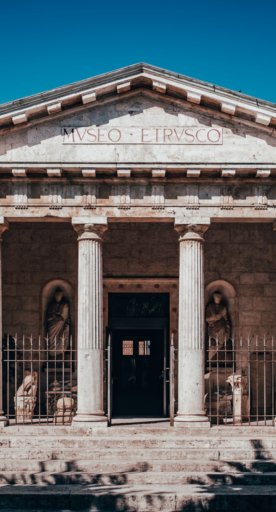
Housed within Palazzo Comunale, the Civic Museum of the Prehistory of Monte Cetona chronicles the settlement of the area from the Paleolithic through the Bronze Ages, via artifacts that shed light on the lives of prehistoric communities.
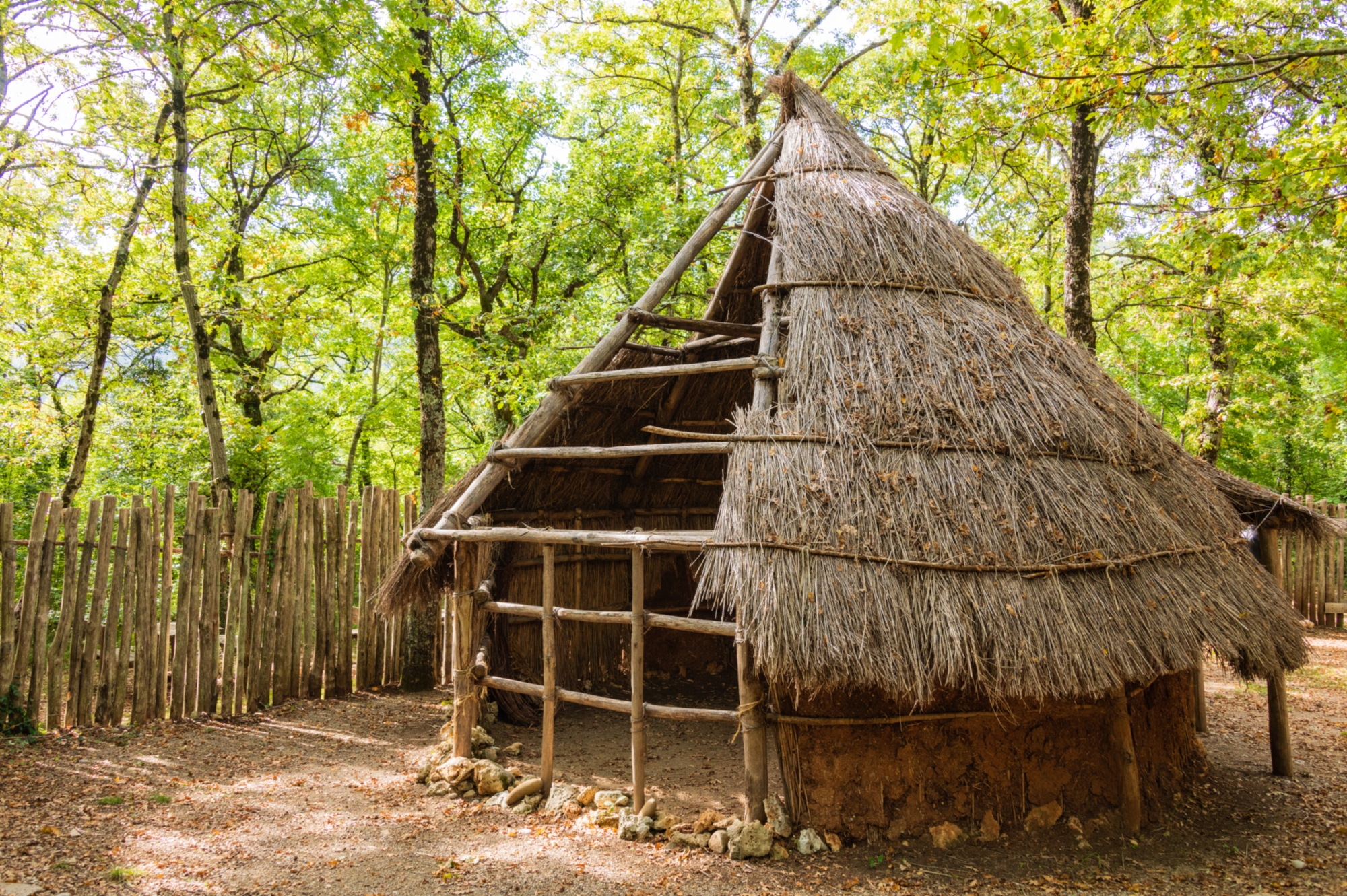
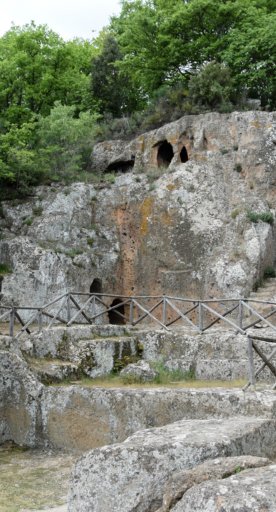
Just outside the historic center, the Naturalistic Archaeological Park of Belverde offers visitors the chance to explore several travertine caves that have been inhabited since the time of Neanderthals. The tour continues to the Belverde Archeodrome, where prehistoric settings have been reconstructed, including part of a Bronze Age village, with life-size huts and areas dedicated to craft activities.
Here, children can learn about the daily life of prehistoric communities through reconstructions and educational activities, discovering how people lived and worked thousands of years ago.
Between the Valdichiana Senese and Val d’Orcia, Chianciano Terme is one of the best-known spa towns in Tuscany, prized for the properties of its waters and its wellness facilities.
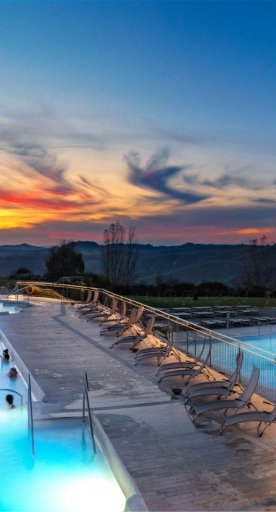
For families with children, one of the main attractions is the Theia Thermal Pools, fed by water from the Sillene spring. The complex includes indoor and outdoor pools, equipped with whirlpools and water jets, which can be used year-round.
There are also areas designed specifically for children ages 0 to 12, with non-thermal pools for the very youngest and a small spa for the older children.
On weekends, there is even an entertainment program that allows kids to have fun while the adults savor a few moments of relaxation.
Linked to the history of the Etruscans and the figure of the legendary King Lars Porsena, Chiusi preserves numerous traces of its past, some of which lie hidden right beneath the streets of the historic center.
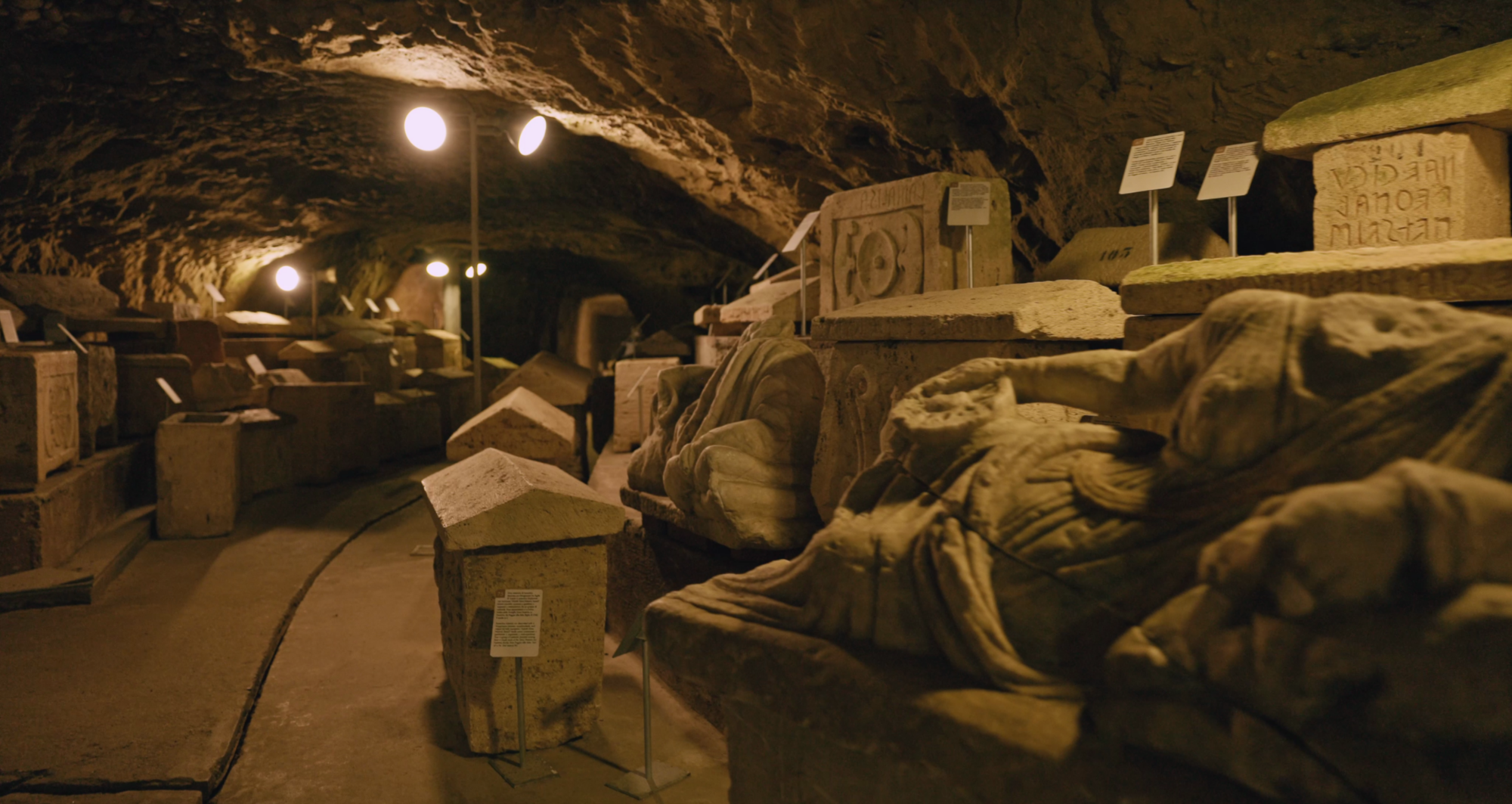
The Underground City Civic Museum of Chiusi offers visitors the chance to explore a 140-meter/460-feet pathway through ancient tunnels dug underground.
Along the way, you’ll come across hundreds of Etruscan inscriptions preserved on urns and funerary tiles and even see a small underground lake from above, located some 30 meters/98 feet deep.
After the underground tour, the museum also offers educational workshops designed for children, who can deepen their understanding of Etruscan civilization through hands-on activities.
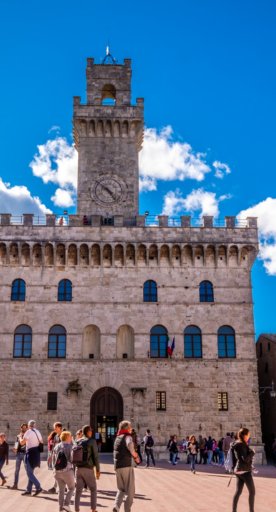
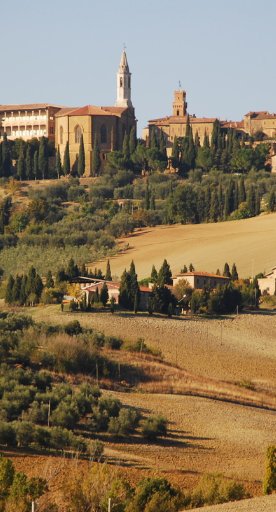
Perched on a hill between the Valdichiana Senese and the Val d’Orcia, Montepulciano boasts an elegant medieval and Renaissance historic center, with monumental palaces and streets that wind their way up to Piazza Grande.
Just a short walk from the square, the 14ᵗʰ-century Palazzo Neri Orselli houses the Crociani Civic Museum and Art Gallery, which features archaeological artifacts, ceramics, sculptures and paintings.
Among the works on display are terracotta sculptures by Andrea della Robbia and a portrait of a gentleman attributed to Caravaggio.
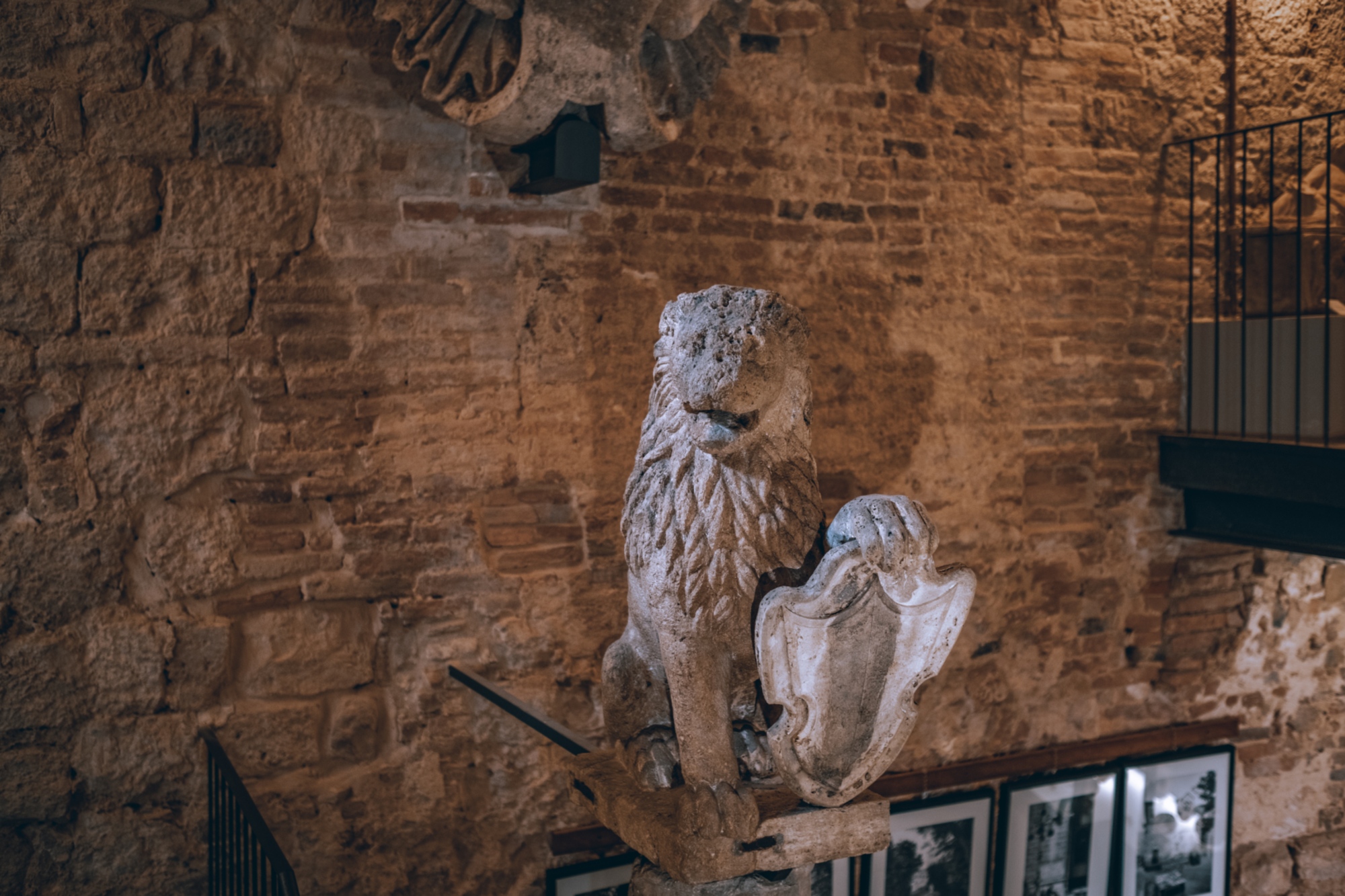
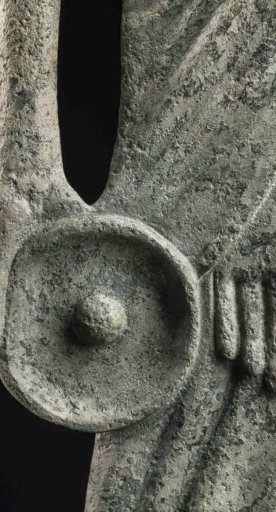
Accompanying the children on their tour is Marzocchino, a lion cub inspired by the Marzocco, the city’s historic symbol, whose original travertine statue is housed right here in the museum.
Through a booklet illustrated with photographs, comics and games, Marzocchino guides young children on a journey of discovery through the collections, helping them observe the works and recognize their details.
At the end of the tour, each child receives a free pocket-sized guide to take home.
In the area of Trequanda, the small village of Petroio has a long tradition of terracotta craftsmanship.
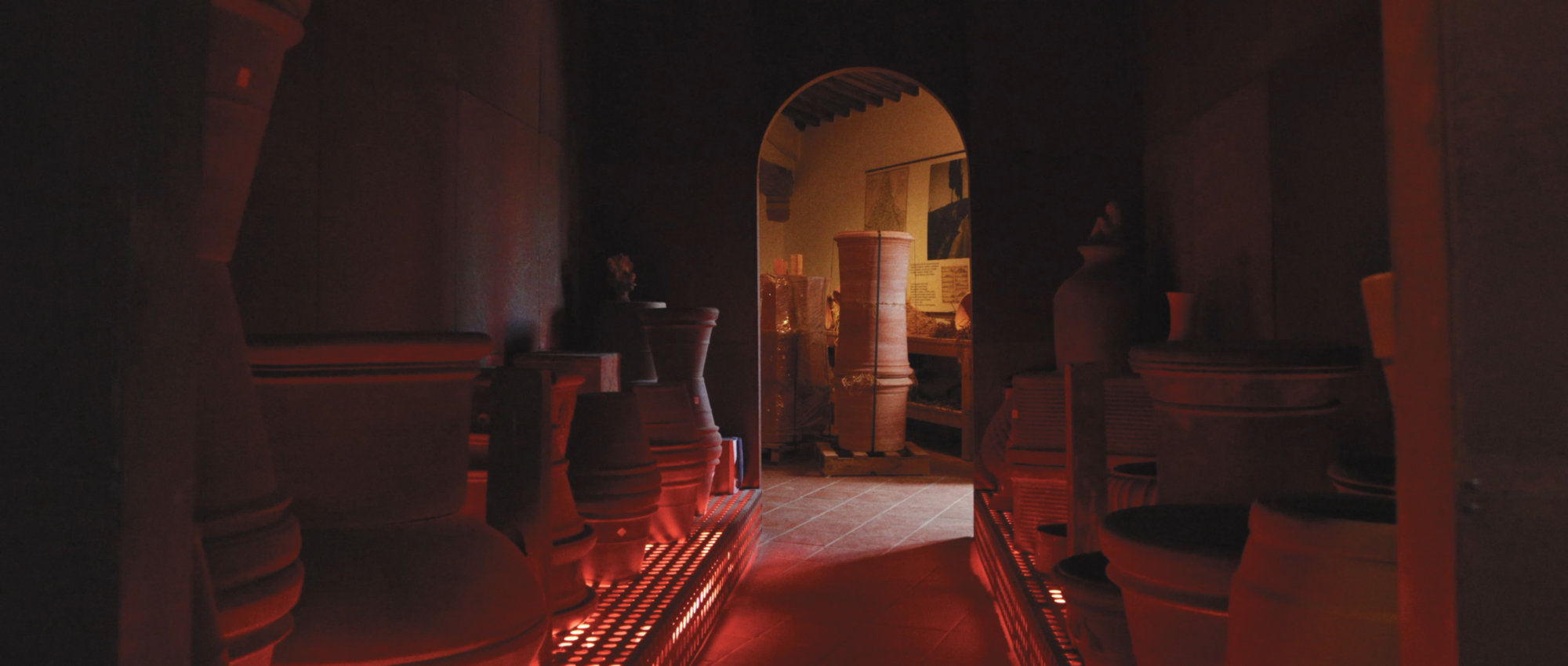
The Museum of Terracotta tells the story of this ancient craft through objects and tools used in its production, bearing witness to an activity that has shaped the life of the village for centuries.
The museum then organizes workshops for children, where they can try their hand at working clay and learn firsthand about one of the region’s artisanal traditions.
A village of medieval origin, Torrita di Siena is nestled among the hills in a region with an extensive agricultural history.
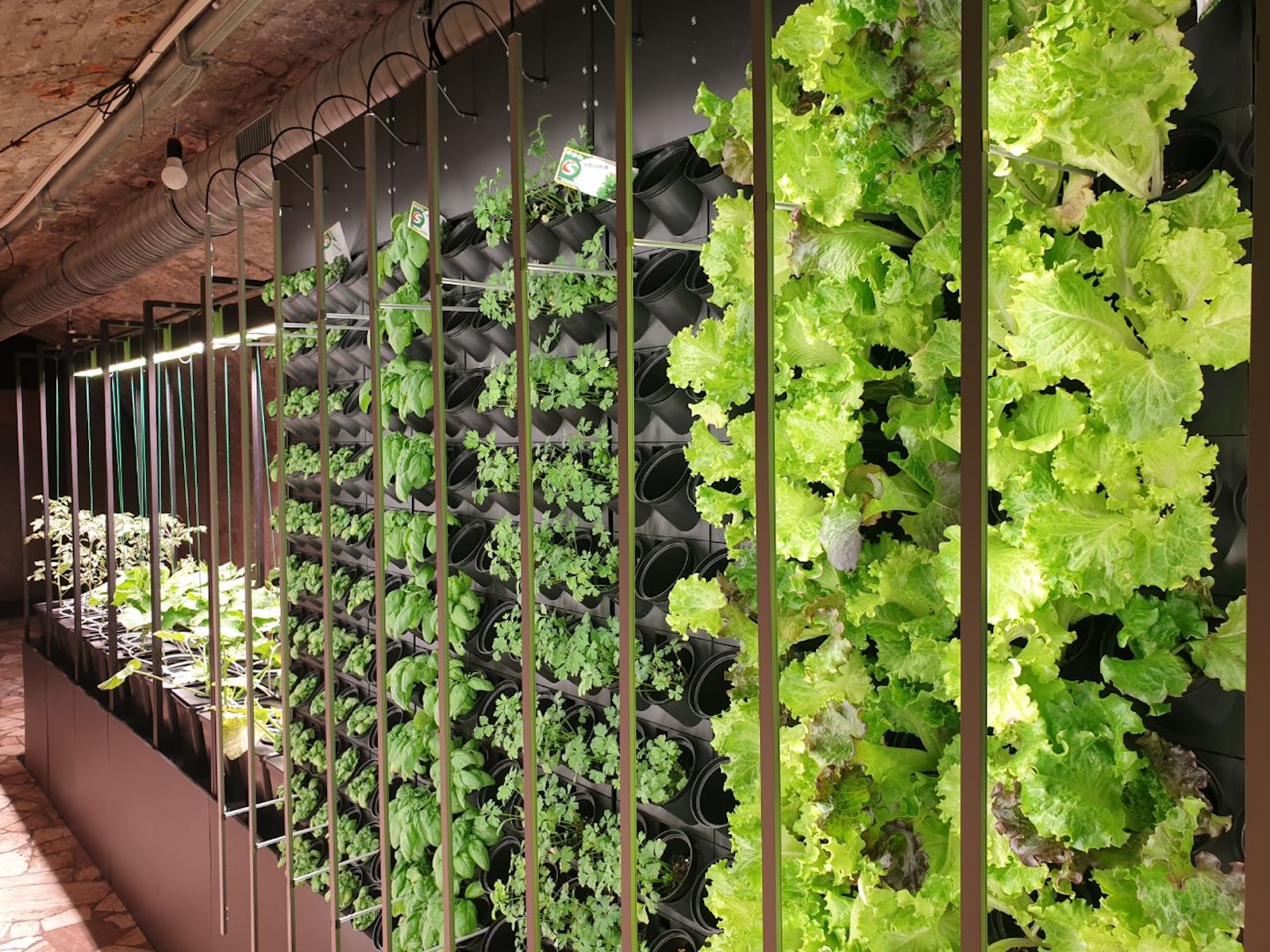
Among the educational experiences highlighted for children and teens is the Vertical Farm, set up in an old air-raid shelter.
Here, you can learn about a farming system that allows plants to be grown in controlled environments, gaining insight into the topics of innovation and sustainability.
An experience that also sparks interest in schools and offers young people an opportunity to discover farming methods that differ from traditional ones.
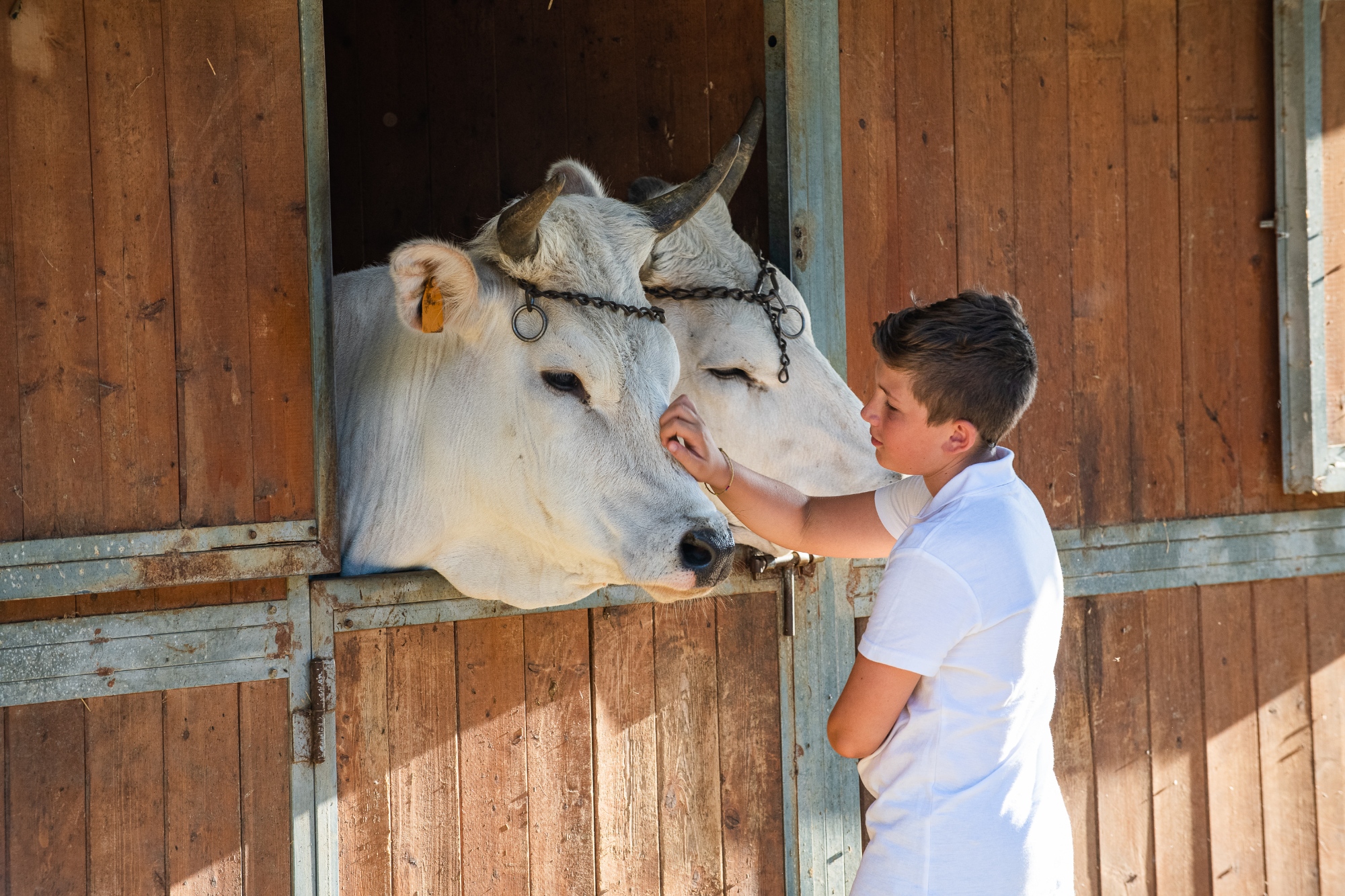
For those seeking an even greater challenge, there is no shortage of experiences tied to local traditions—making pici pasta, making ricotta on a farm or even exploring the region through one of its best-known symbols, the Chianina cattle.