Go to main content
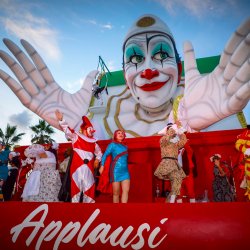
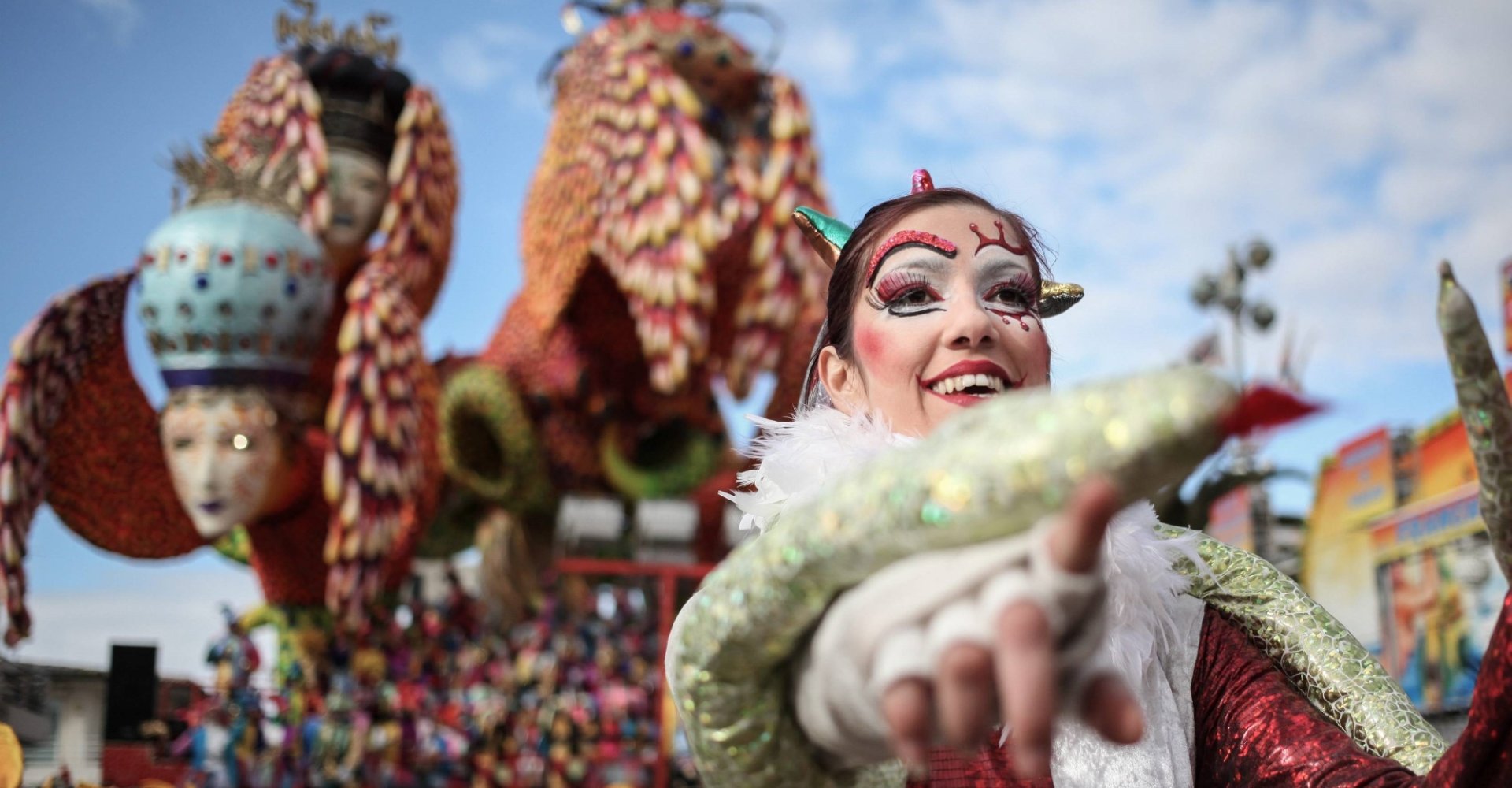
A snapshot of the parade during the famous Carnevale

A Guide to the Carnevale di Viareggio

History, trivia and tips for experiencing one of Versilia’s most iconic events

Viareggio is not only one of the most famous seaside resorts in Versilia but each year becomes the setting for Carnival, one of the most spectacular Carnivals in Italy and an event that attracts more than a million visitors from all over the world. The extensive seaside promenade, usually dedicated to walking, shopping and bicycle rides, is transformed for the occasion into a 1.2-mile or 2-kilometer circuit where giant papier-mâché floats parade.
Here is a guide detailing everything you need to know, from the fascinating history of this tradition to the secrets of the master constructors and practical information on how to take part.

Contents
  • 1.
    The History of the Carnevale
  • 2.
    Papier-mâché floats: an artform unique to Viareggio
  • 3.
    Helpful information

The History of the Carnevale

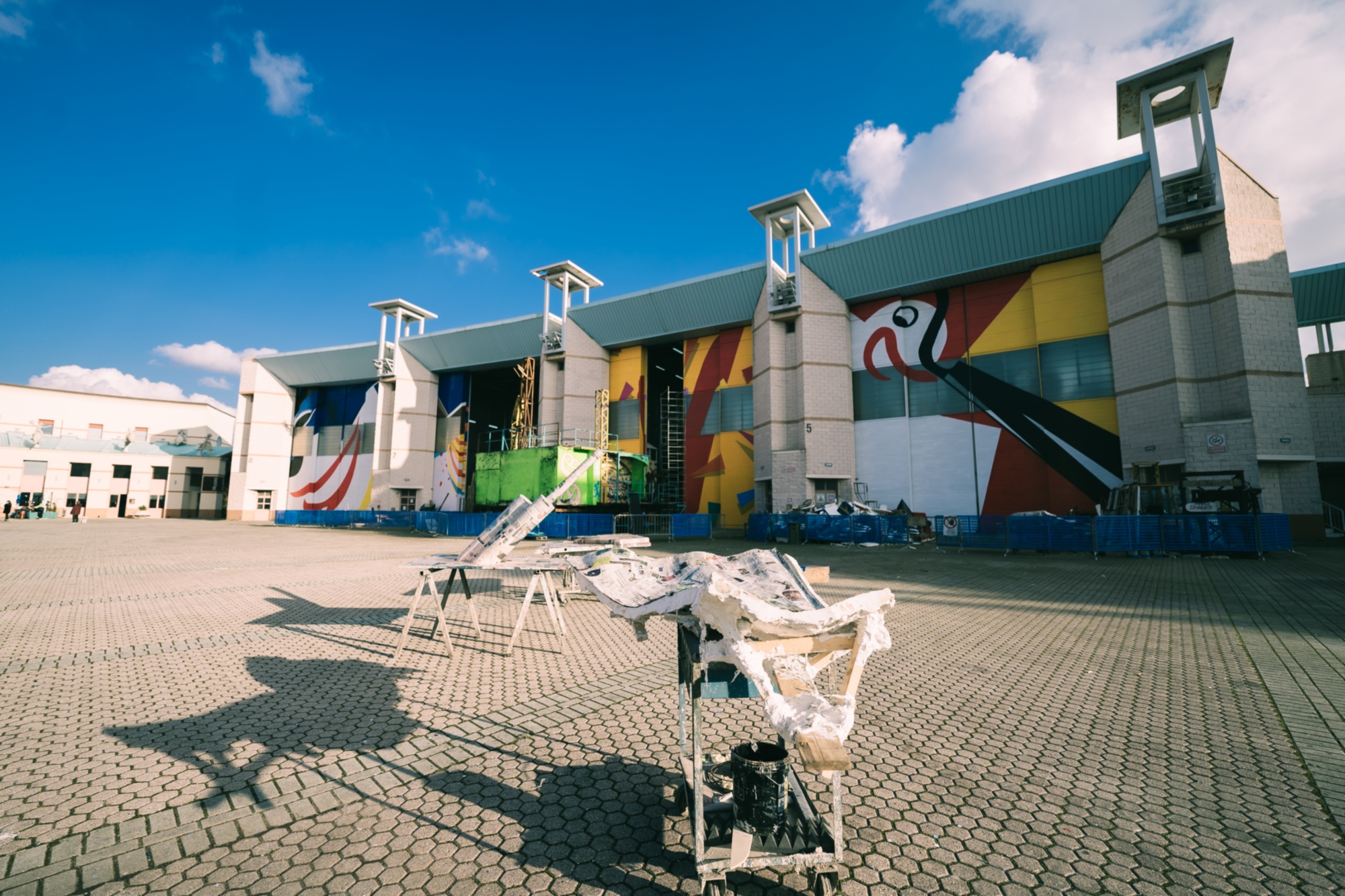
View of the elliptical piazza overlooked by the Cittadella del Carnevale
The Cittadella del Carnevale - Credit: Lorenzo Montanelli per Fondazione Carnevale di Viareggio

The Carnevale di Viareggio began in 1873, when a group of artisans and sculptors from the city launched the first parades of decorated floats, soon transforming a simple idea into a festival beloved by the entire community. 
The celebrations were initially held in the historic downtown, along Via Regia, then moved in the early 1900s to the seaside boulevard, the same stretch that still hosts the spectacular parades today.
The Carnevale was interrupted a few times during the two world wars, only to return stronger than before. Indeed, in 1946, Viareggio turned up the color, initiating an unprecedented season of creativity.
The symbol of the event is Burlamacco, the mask designed in 1930 by Uberto Bonetti that, over the years, has become the official face of Viareggio’s Carnival.

2001 saw the opening of the Cittadella del Carnevale (Carnival Citadel), a large architectural complex dedicated entirely to the creation and preservation of floats, counting 16 hangar-workshops facing onto an elliptical piazza, 2 museums and an arena that hosts outdoor events and performances in the summer. It is here that the world’s largest floats take shape.
Papier-mâché floats: an artform unique to Viareggio

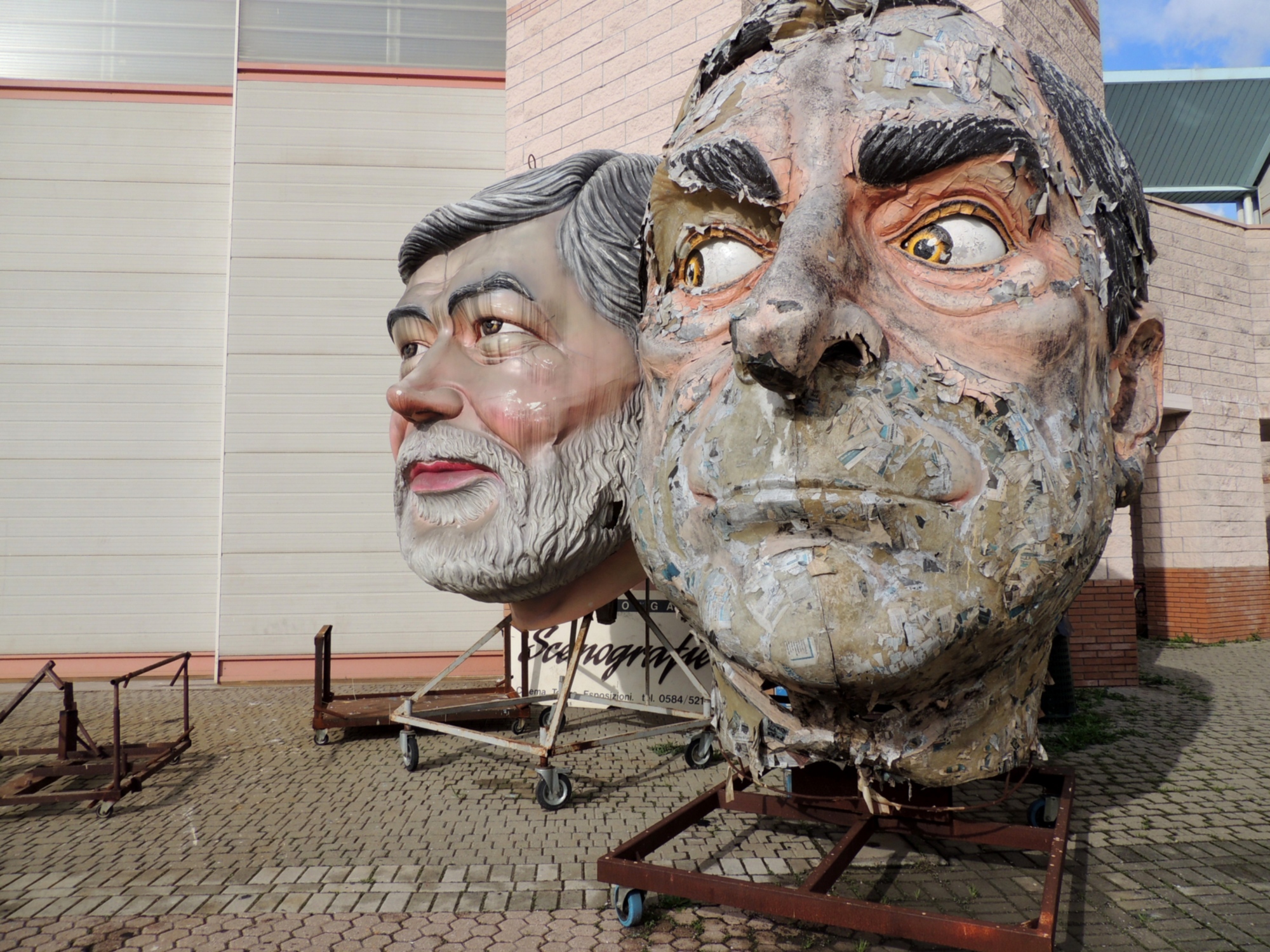
Two large papier-mâché masks in the making
Two papier-mâché masks - Credit: Marta Mancini

The real magic of the Carnevale di Viareggio comes from papier-mâché, worked with a unique technique passed down through the generations. 
Clay, plaster, newspaper, water and flour. From simple materials come structures rising up over 65 feet (20 meters) in height, lightweight yet imposing, capable of moving, animating and telling stories through theatrical sets and complex mechanisms.
Each float requires months of work, dozens of craft maestros, and out-of-the-ordinary creativity. It is this mix of imagination and technical skill that renders the Carnevale di Viareggio an unparalleled event.

Helpful information

The Carnival takes place every year in February (with dates varying according to the Easter calendar) and transforms Viareggio into a huge open-air festival with masked parades, fireworks displays, nighttime parties, gastronomic events and even sports events, such as the famous Viareggio Tournament - Coppa Carnevale, an international soccer competition for young players.

A ticket must be purchased to watch the parades.
All updated rates are available on the official Carnevale website.

Also not to be missed is the Summer Carnival, which enlivens the city with a special version of the festival between July and August.

What’s nearby?

Must-see places, stage-by-stage routes, events and tips for your trip
Events • 2 results
Ideas • 97 results
Itineraries • 20 results
Travelogs • 1 results