Go to main content
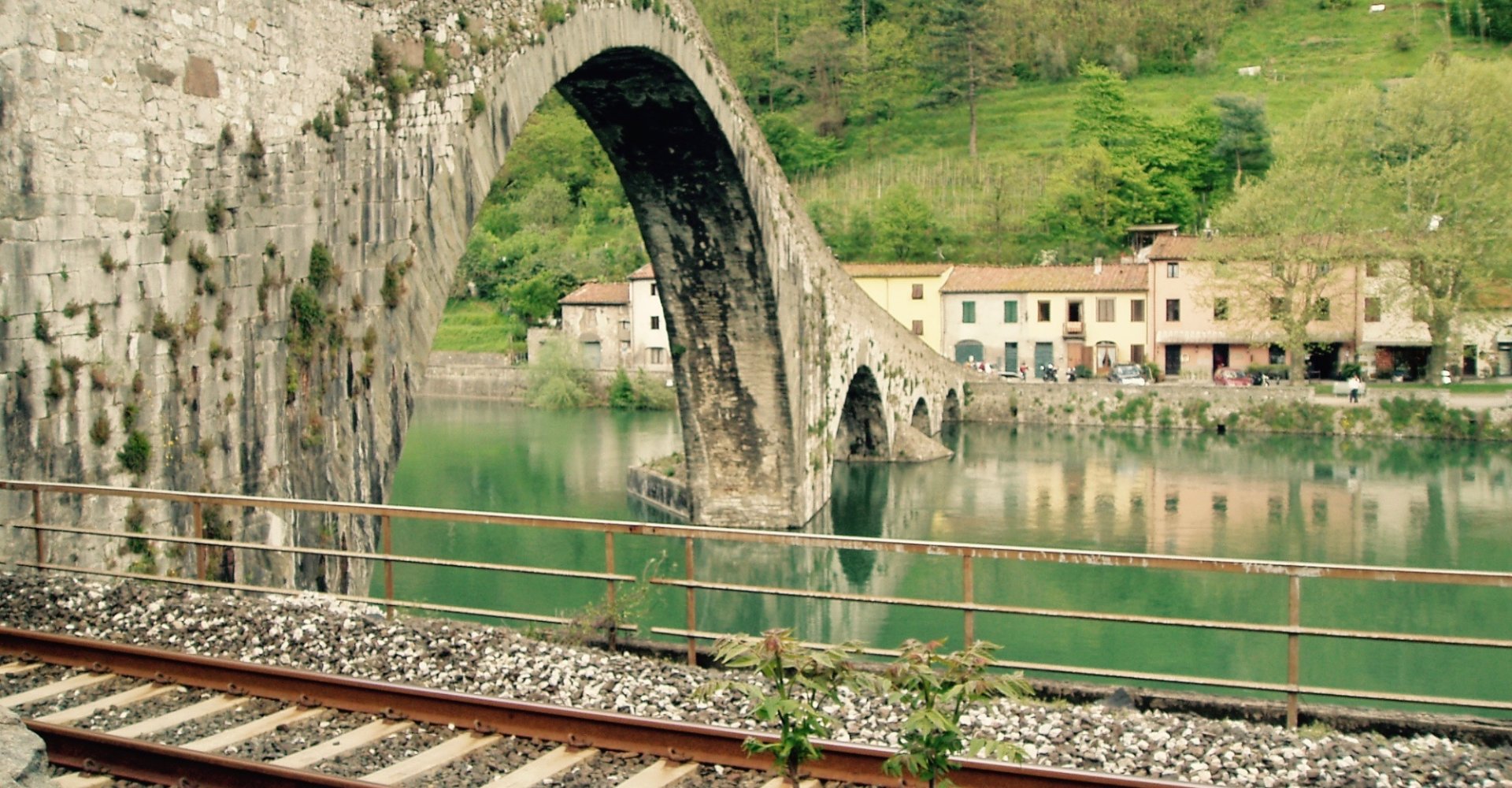
Magdalene Bridge, Borgo a Mozzano
Photo © ilaria
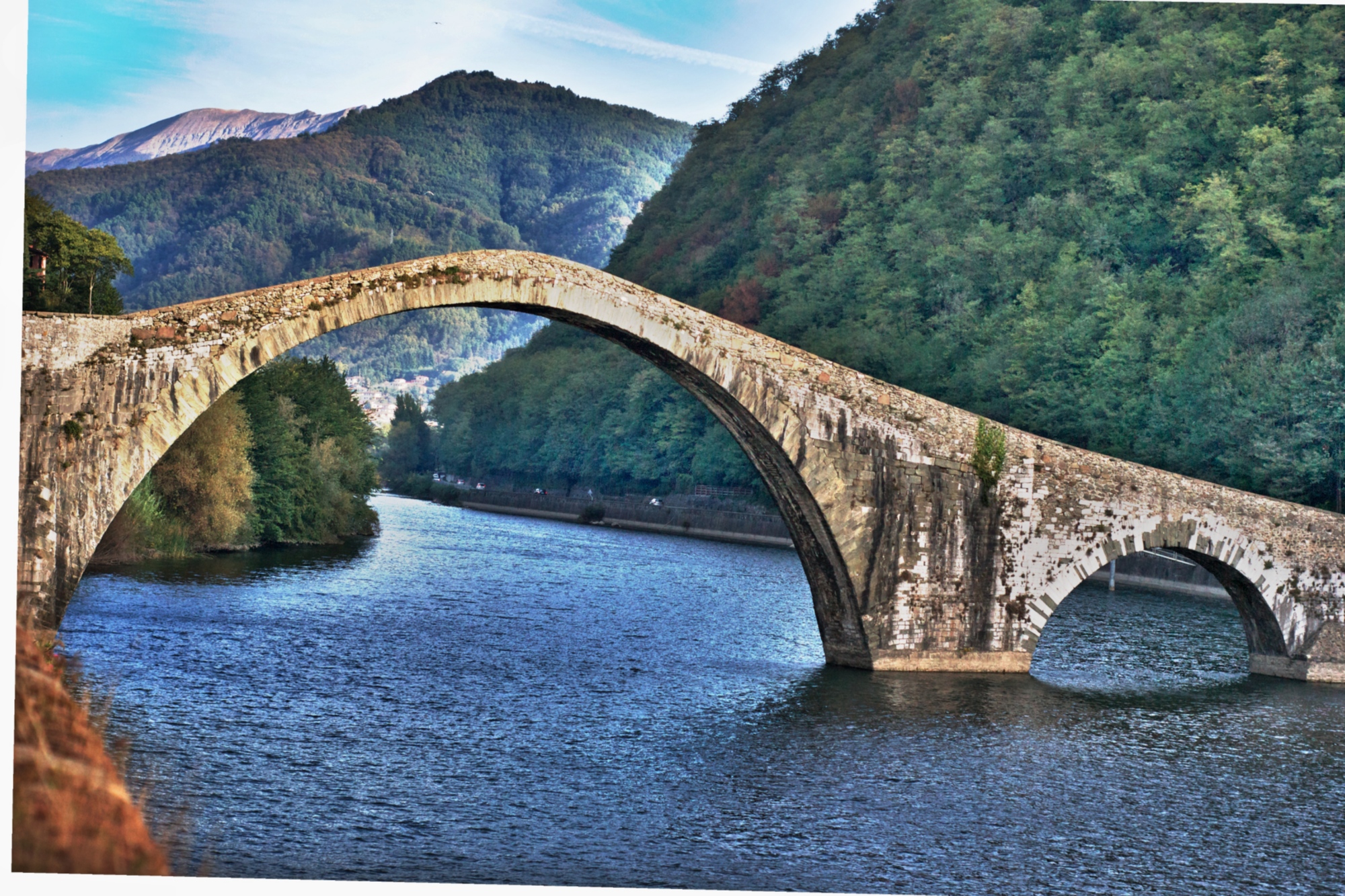
Photo © ilaria

5 things to do in Borgo a Mozzano

History and legend in the Serchio Valley

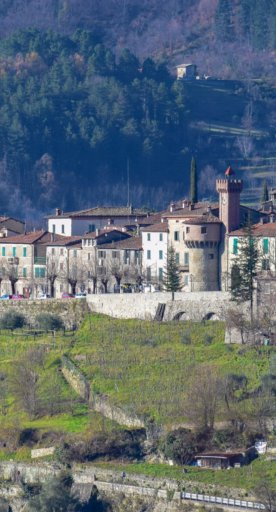
Nestled in the hills of the Serchio Valley is the quaint town of Borgo a Mozzano, a place that shares its history through medieval architecture, places of memory and traditions that have been kept alive to this day.
Sources attest to its existence as early as the 10ᵗʰ century, when it was under the rule of the Suffredinghi lords. Yet, it was with its passage to the Republic of Lucca in the 13ᵗʰ century that the village assumed a central role in the control and life of the valley. 
Today, Borgo a Mozzano is discovered by following a path paved with legends, historical evidence and views that put the identity of this area on full display.

Contents
  • 1.
    Crossing the Magdalena Bridge
  • 2.
    Visiting the Memorial Museum and strolling around downtown
  • 3.
    Discovering medieval churches
  • 4.
    Reaching as far as the Bargiglio Tower
  • 5.
    Enjoying traditional local products
1.

Crossing the Magdalena Bridge

Image showing the asymmetrical shape of the bridge
Devil’s Bridge - Credit: Jacopo Verrigni

The village’s most emblematic monument is the Magdalene Bridge, also known as the Devil’s Bridge, just beyond the village center in the direction of the hamlet of Rocca.
Likely commissioned by Matilda of Tuscany at the end of the 11ᵗʰ century, it is striking for the asymmetrical structure of the arches and for the legend associated with its construction. It is said that the devil helped complete the work in exchange for the soul of the first living being to cross it. To circumvent the pact, the inhabitants let a goat pass and the devil, deceived, retaliated by deforming the arches of the bridge.

1.

Visiting the Memorial Museum and strolling around downtown

Image of the Gothic Line

The oldest heart of Borgo a Mozzano is constructed around 3 main streets lined with palazzi embellished by gardens for growing fruits and vegetables or for pure beauty.
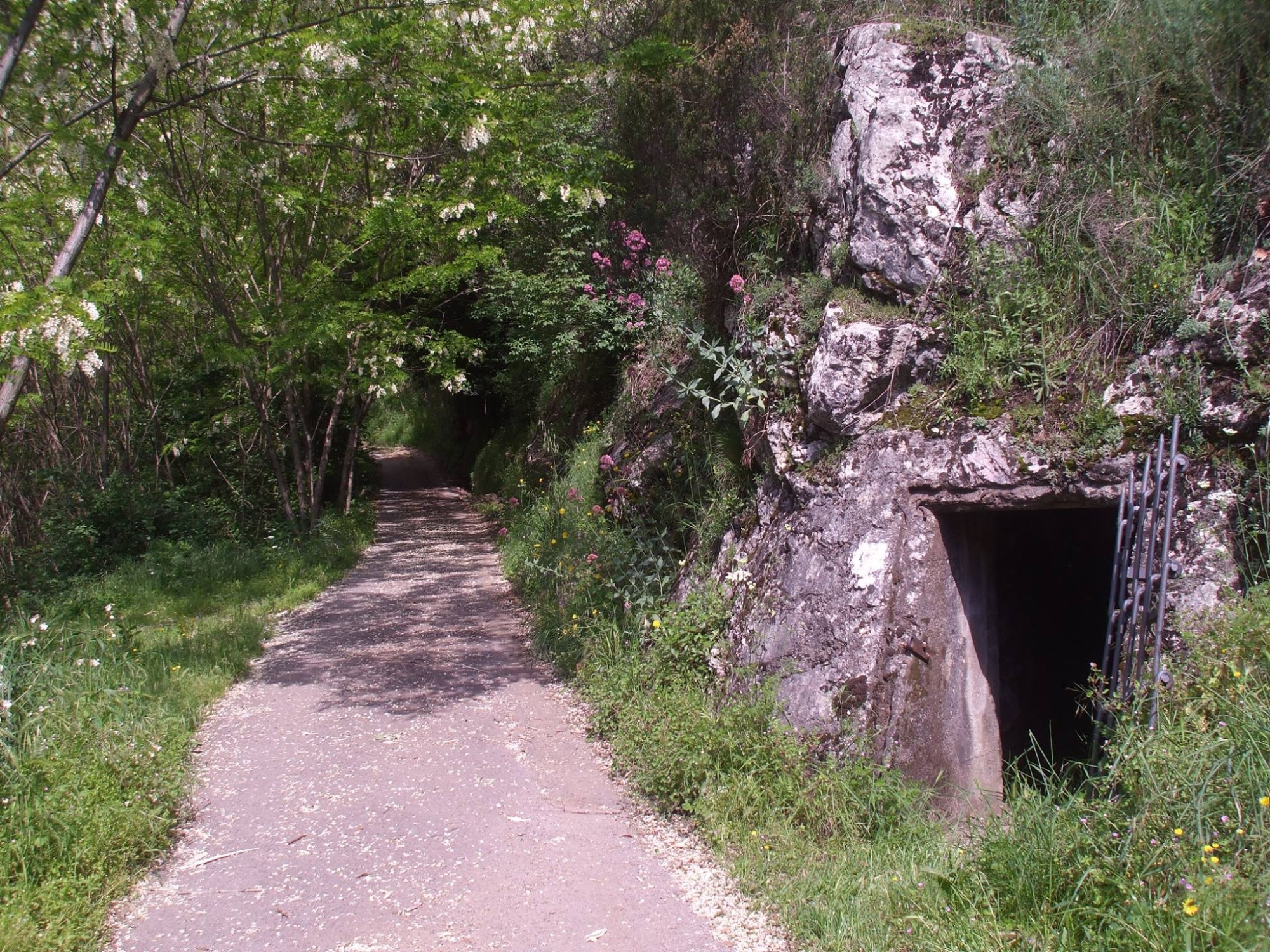
Also located here is the Memorial Museum, dedicated to the history of the Gothic Line and the events that marked the Mid Serchio Valley during World War II.
The museum chronicles an area deeply affected by the conflict through artifacts, oral histories, documents and materials dating back to the period.
The exhibition is divided into 2 sections: an archaeological collection pertaining to the earliest history of the valley and a part dedicated to events taking place during wartime, between 1944 and 1945, with a focus on the daily life of the civilian population. The visit can be complemented with external itineraries covering locations along the Gothic Line, including bunkers, communication trenches and fortified works still well preserved around the village.

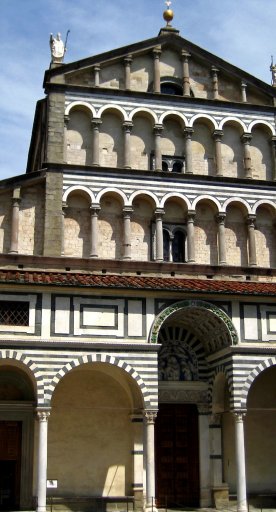
Among the historic buildings not to be missed within the village is also the 12ᵗʰ-century San Pietro Church, a significant example of city-style building techniques adapted to a rural context, a concrete testimony to the history and evolution of the settlement.
1.

Discovering medieval churches

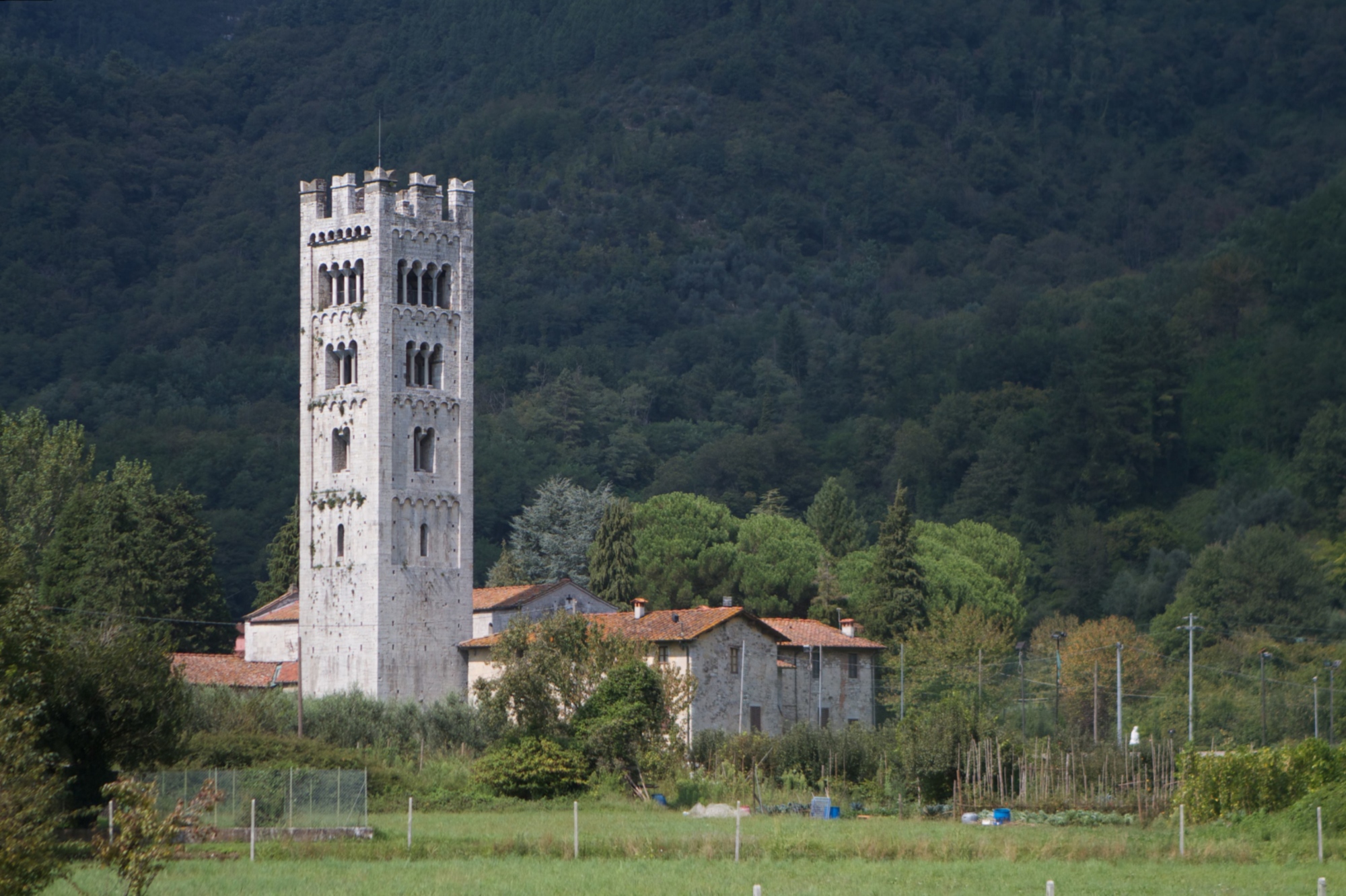
View of the Parish Church of Santa Maria with bell tower
Parish Church of Santa Maria in Diecimo

Borgo a Mozzano preserves a significant heritage of religious architecture of medieval origin. The San Jacopo Church stands out (literally), recognizable by its imposing bell tower, with its interior holding a baptismal font from 1590 along with glazed terracottas from the school of Della Robbia.
Also of note is the San Francesco Convent, with its Baroque church and elegant 16ᵗʰ-century cloister.
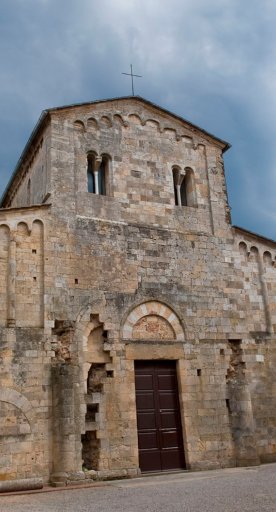
Not far away is the Parish Church of Santa Maria in Diecimo, one of the most important religious buildings in the area.
Built between the 12ᵗʰ and 13ᵗʰ centuries, the parish has a three-nave layout with semicircular apse and an isolated bell tower from the medieval period. After Baroque transformations in the 17ᵗʰ century, works between the 19ᵗʰ and 20ᵗʰ centuries restored the building to its original forms. 
The interior preserves works of great interest including a 12ᵗʰ-century slab with knight, the baptismal font and 15ᵗʰ-century furnishings.

1.

Reaching as far as the Bargiglio Tower

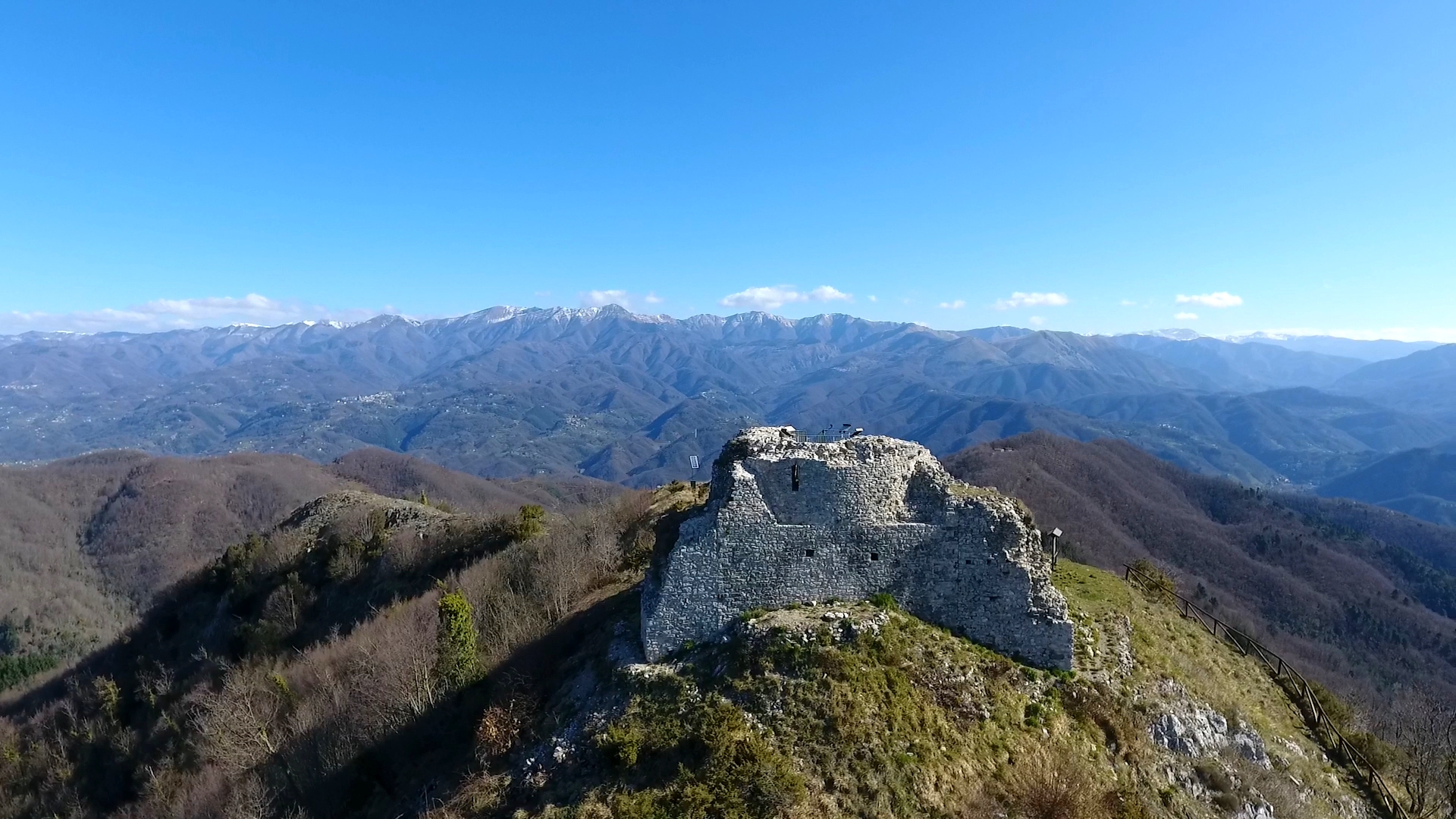
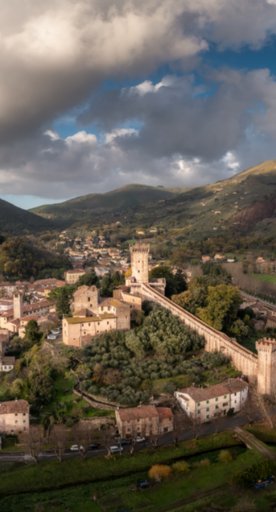
Panoramic view of the Bargiglio Tower, surrounded by nature
Bargiglio Tower - Credit: Unione dei Comuni Media Valle del Serchio

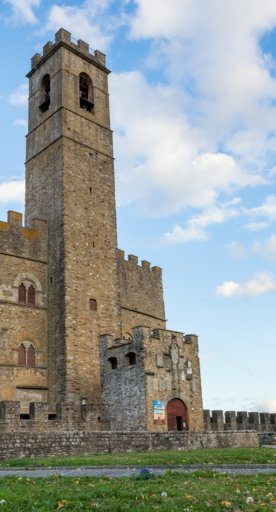
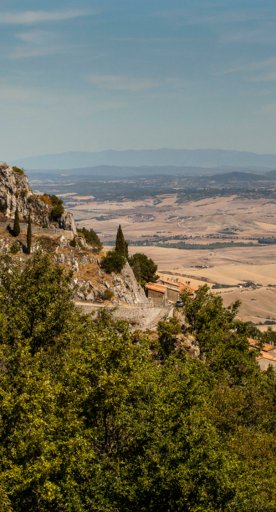
The Bargiglio Tower on the mountain of the same name overlooking Borgo a Mozzano is one of the most striking viewpoints in the Serchio Valley. Built in medieval times as a watchtower and for communication with Lucca, it was part of a defensive system that allowed the entire valley to be monitored through visual signals.
Today, the tower—also known as the Eye of Lucca—is a hiking destination that provides sweeping and continuous views from the Apuan Alps to the castles of Garfagnana, right through to Barga, Coreglia and Bagni di Lucca. 

1.

Enjoying traditional local products

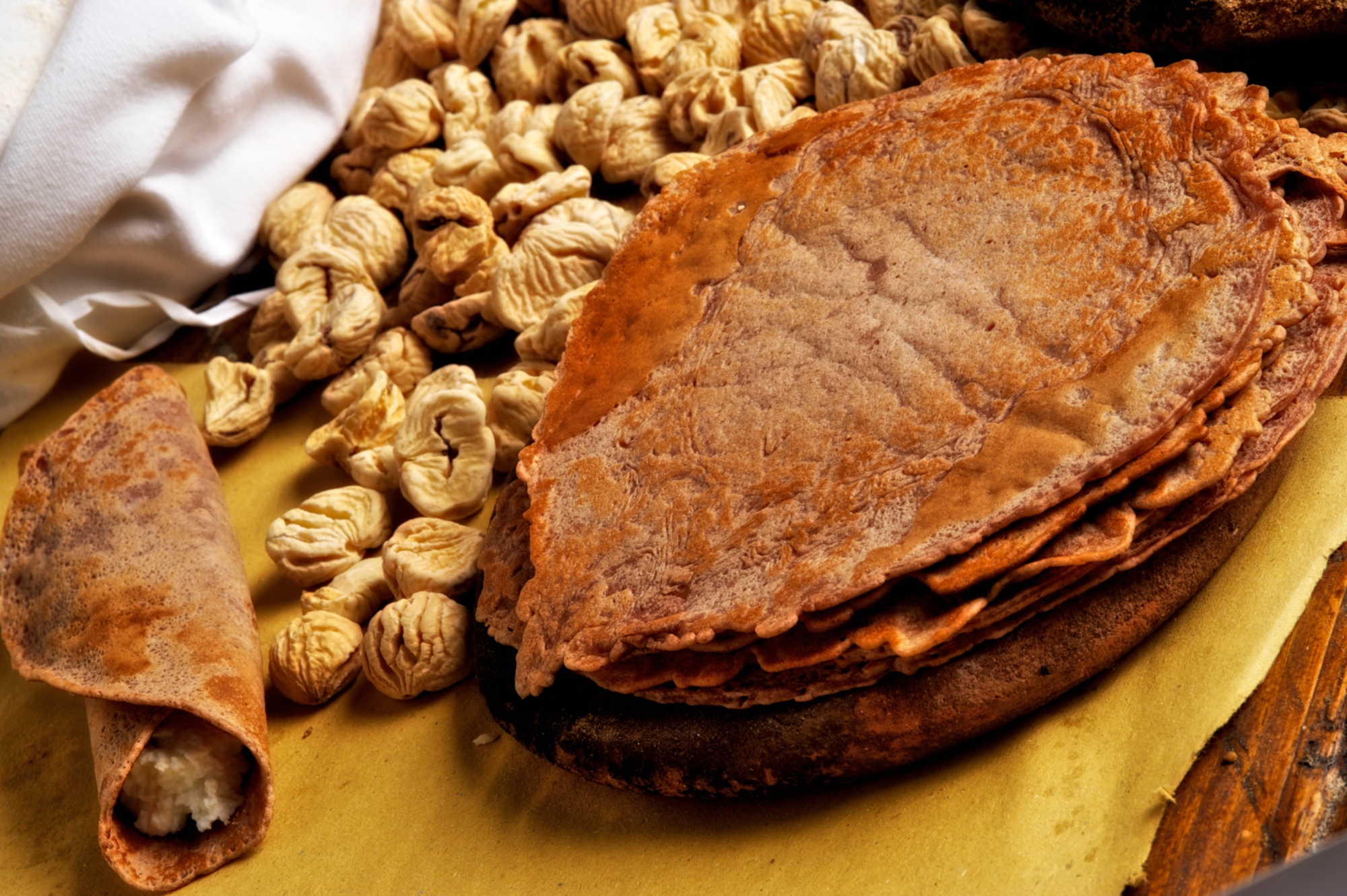
Featured is the famous Necci, galettes made with PDO chestnut flour
Necci - Credit: Garfagnana e Media Valle del Serchio

A visit to Borgo a Mozzano is also savored at the table, where flavors linked to the culture of the Serchio Valley and Garfagnana can be found. Among the most representative products is Biroldo, a traditional cured meat made exclusively from processing the head of a pig, prized for its soft texture and delicate taste. 
Playing a central role is PDO Chesnut flour Farina di Neccio, made from chestnuts and a symbol of a mountain cuisine comprised of ancient traditions, seasonality and peasant memory. 

Start your discovery

Must-see places, stage-by-stage routes, events and tips for your trip
Events • 70 results
Ideas • 544 results
Itineraries • 183 results
Travelogs • 18 results