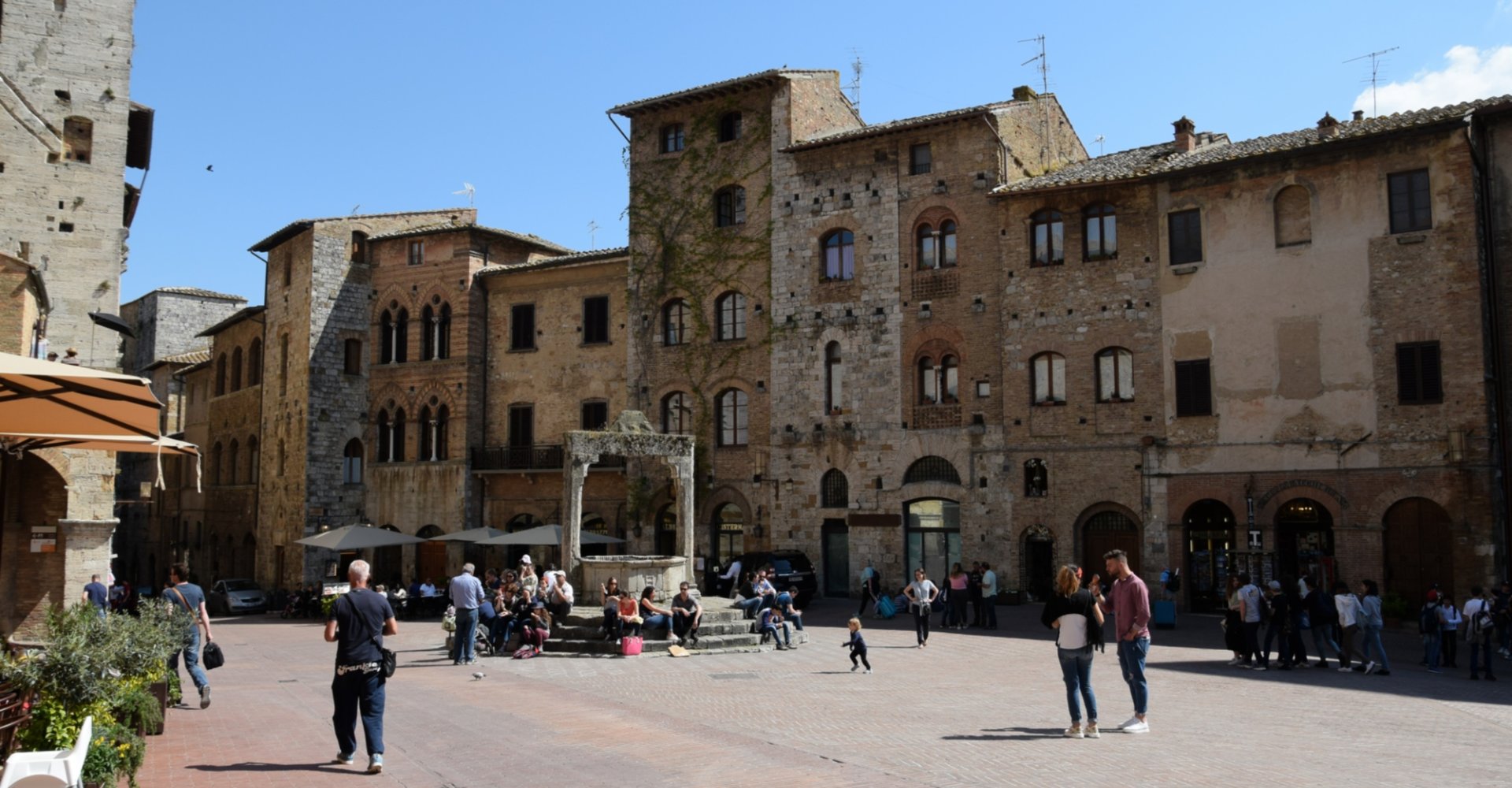
Civic Museums of San Gimignano
A journey among medieval frescoes, Renaissance masterpieces and unparalleled views in the city of towers
A visit to San Gimignano cannot be considered complete without the Civic Museums, the complex located mainly in Piazza del Duomo and including the Palazzo Comunale, the Pinacoteca, the Torre Grossa along with other important exhibition spaces spread around the city, such as the Santa Chiara Complex and the Church of San Lorenzo in Ponte.
Included in the UNESCO World Heritage List since 1990, San Gimignano represents an extraordinary example of medieval town planning. Its towers and palaces tell of an illustrious past, still perfectly intelligible. Within the Civic Museums this narrative expands, spanning centuries of history, from Etruscan artifacts to contemporary art.
Palazzo Comunale, Pinacoteca and Torre Grossa
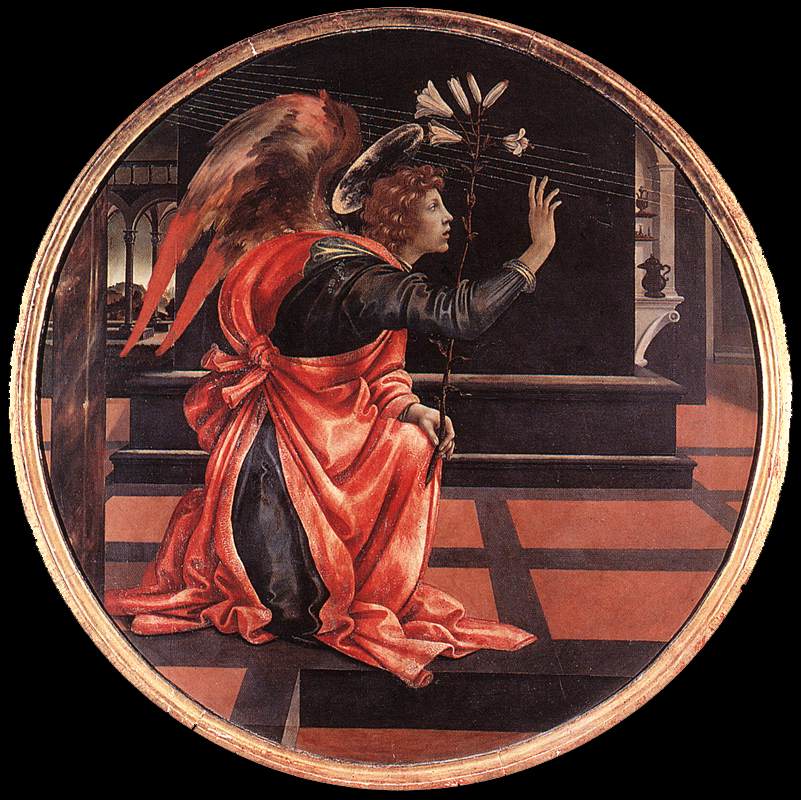
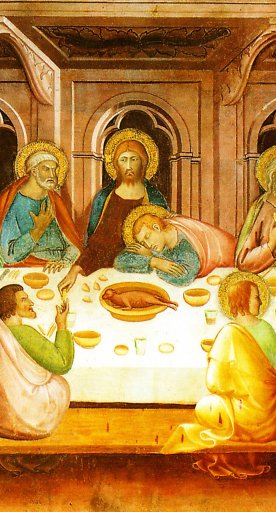
The centerpiece of the complex is the Palazzo Comunale, also known as Palazzo del Popolo or Palazzo Nuovo del Podestà, overlooking Piazza del Duomo next to the Collegiate Church. On the 2ⁿᵈ floor is the Sala del Consiglio, known as the Dante Room, in memory of the poet’s visit in 1299. Here you can admire late 13ᵗʰ-century frescoes attributed to Azzo di Masetto, with hunting scenes and chivalric tournaments, as well as the refined Maestà by Lippo Memmi, inspired by that of Simone Martini.
Heading upstairs, you pass the Camera del Podestà, entirely frescoed with scenes of life and moral allegories, attributed to Memmo di Filippuccio. On the same level is the Pinacoteca, the picture gallery that holds works of extraordinary value created between the 13ᵗʰ and 15ᵗʰ centuries by such Sienese and Florentine artists as Filippino Lippi, Benozzo Gozzoli, Benedetto da Maiano and Pinturicchio.
The route continues with a climb up the Torre Grossa, built in 1311 and still the tallest tower in the city. From its summit, a unique panorama opens onto rooftops, other towers and the spectacular countryside of San Gimignano.
The Santa Chiara Complex
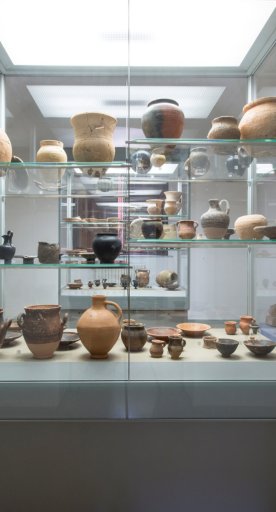
Alongside the main core, the museum system is enriched by additional spaces. The Santa Chiara Complex, reopened in 2024 after major restorations, hosts temporary exhibitions and new displays. The Archaeological Museum then illustrates the origins of the area with Etruscan, Roman and medieval artifacts, including the striking bronze statuette “Hinthial - the Shadow of San Gimignano.”
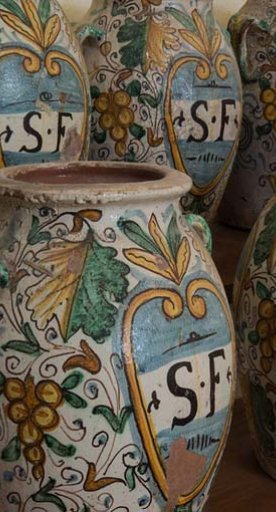
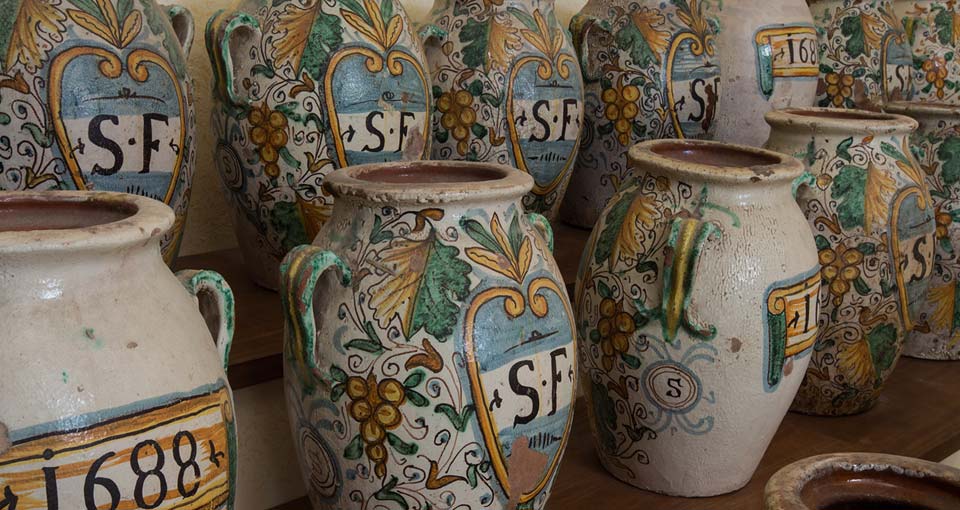
Also of great charm is the Spezieria di Santa Fina, an apothecary that reconstructs the atmosphere of an old pharmacy among vases, glass artifacts and tools used between the 15ᵗʰ and 18ᵗʰ centuries.
The Raffaele De Grada Gallery of Modern and Contemporary Art, rather, offers a more recent look, with works from the 20ᵗʰ century and sections devoted to views of the city and local artistic production.
Church of San Martino in Ponte
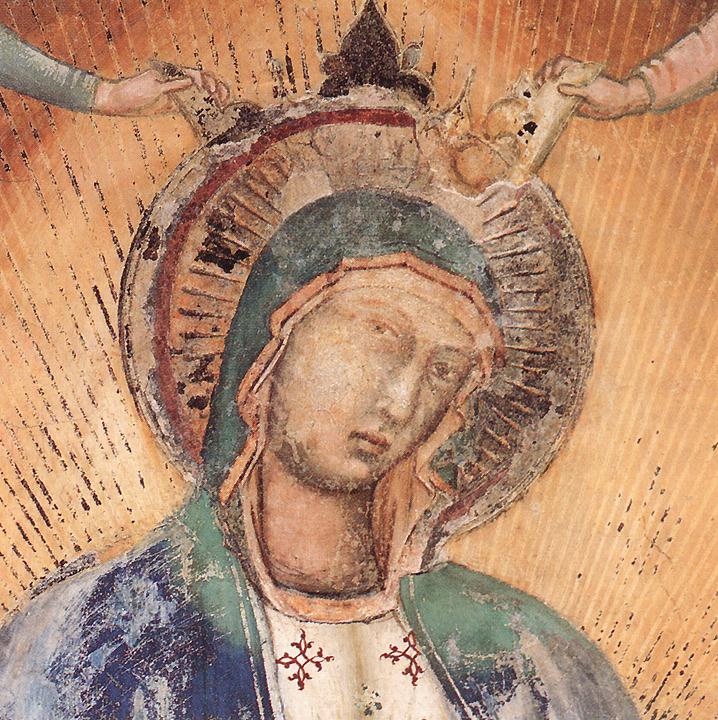
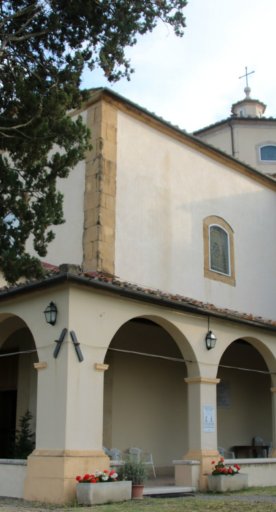
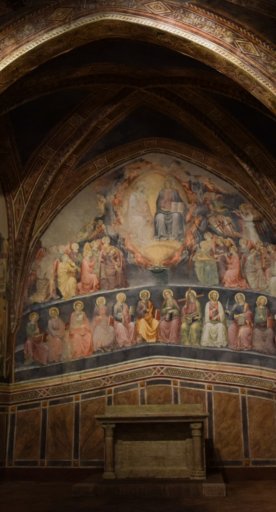
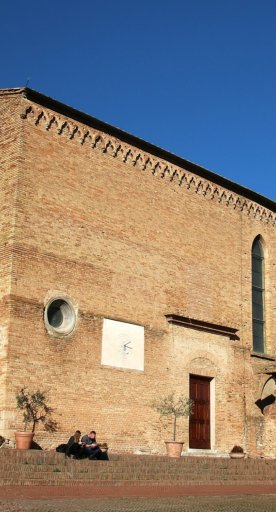
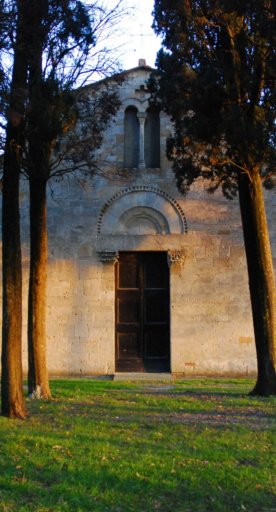
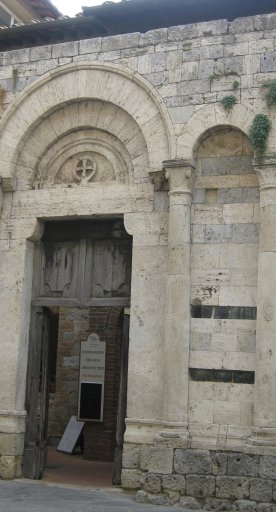
The Church of San Lorenzo in Ponte is a striking 13ᵗʰ-century Romanesque building. It originally housed a portico to protect a Marian fresco, possibly associated with Simone Martini, now partly lost. In the 15ᵗʰ century, the portico was enlarged and adorned with a fresco cycle by Cenni di Francesco. The paintings, dedicated to the themes of the afterlife and the beyond, depict the saving role of San Lorenzo, painting a powerful and symbolic picture of human destiny, making the church one of the most intense and significant places in San Gimignano’s artistic heritage.
The Civic Museums of San Gimignano are not just places of preservation, but living spaces that host exhibitions, didactic activities and educational programs for families, schools and people of all ages, offering a comprehensive and engaging experience.
You can visit them all with a single ticket, the San Gimignano Pass that also includes access to the Collegiate Complex (the Duomo and Museo d’Arte Sacra).
For information on accessibility, visit regione.toscana.it.
-
hotelAccommodationchevron_right
-
restaurantWhere to eatchevron_right
-
holiday_villagePackages and stayschevron_right
-
celebrationExperienceschevron_right
-
local_libraryGuides and mapschevron_right