Go to main content
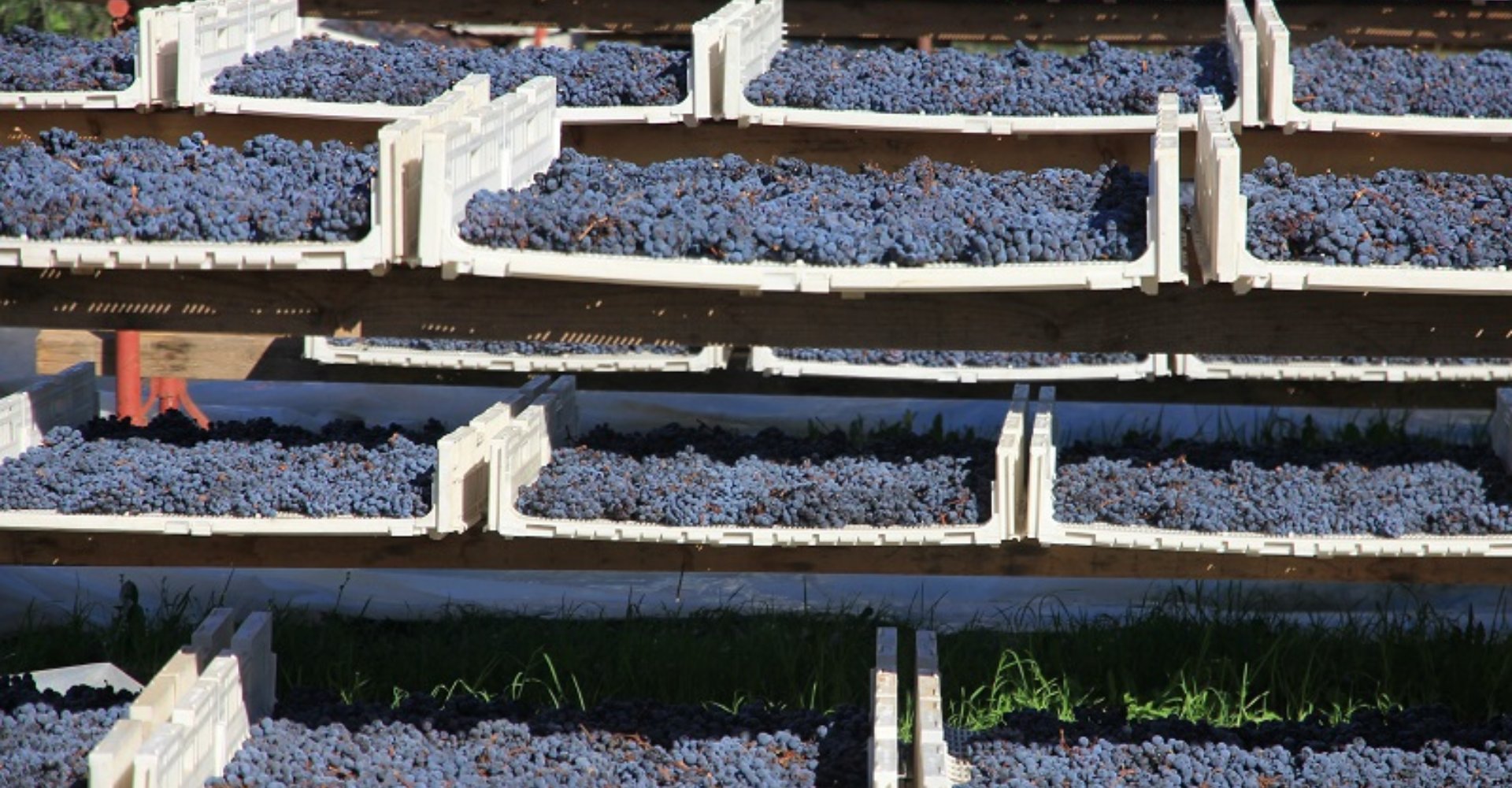
Aleatico during harvest with bunches of grapes in crates
Photo © AIS Elba
Photo © AIS Elba

The wines of the Tuscan Archipelago

Between sea and sky, the heroic wines of the islands

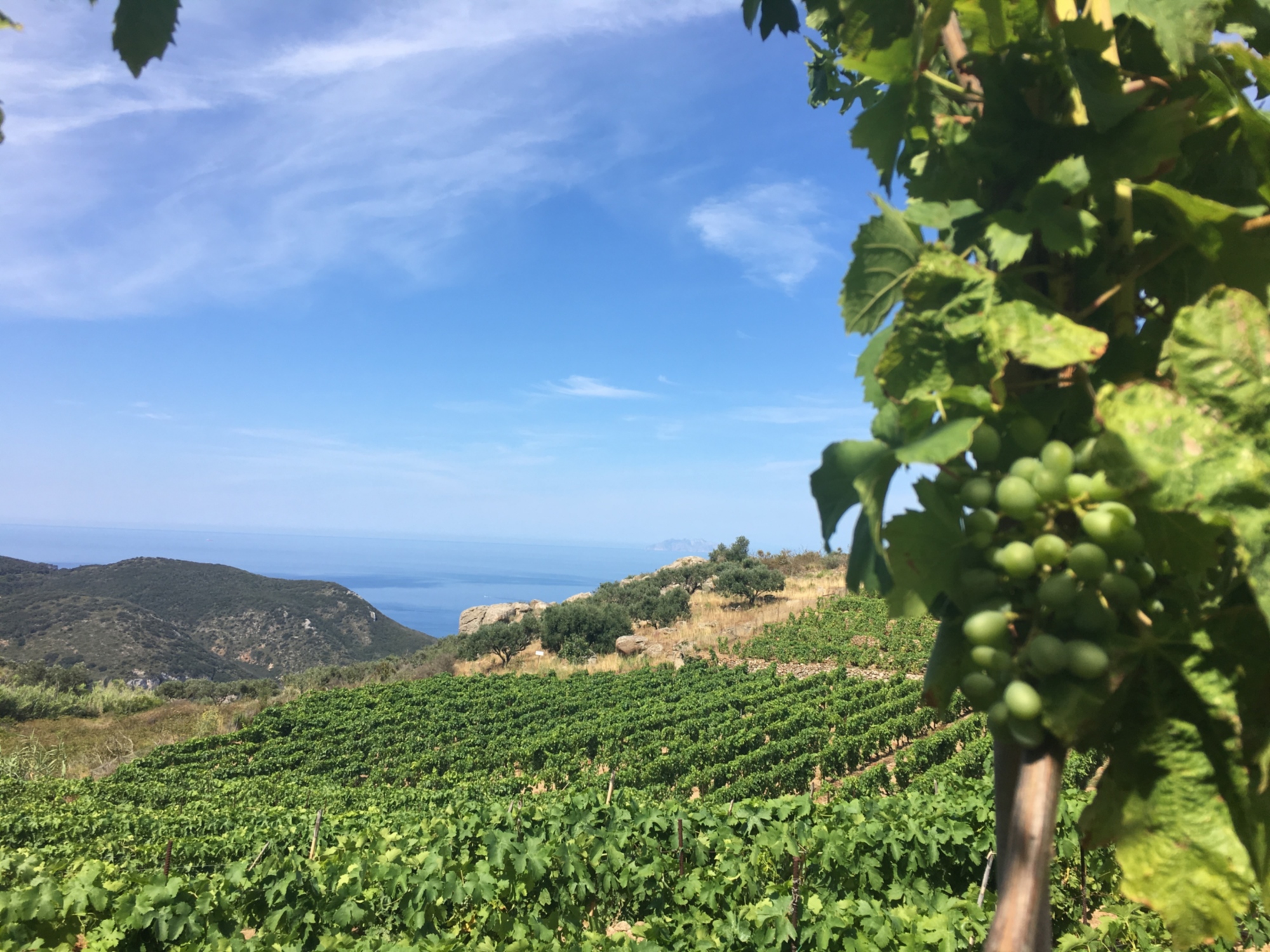
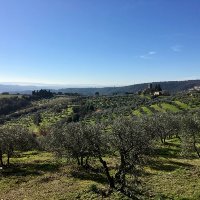
In the Tuscan Archipelago, wine is as much a part of the landscape as sea and rock. The vines follow the steep contours of the islands, overlooking the water and withstanding the wind and salt spray. 
An ancient history that began as early as Etruscan times and continued through the centuries, as evidenced by Roman relics that tell of the wine trade with the continent.
The Medici and Lorraine clans bolstered this vocation, but it is above all the direct relationship between man and territory to have defined the identity of the island’s wines. Often with limited productions, the vines adapted to extreme conditions, as authentic expressions of unique places.

Contents
  • 1.
    Elba Island
  • 2.
    Giglio Island
  • 3.
    Capraia
  • 4.
    Gorgona

Elba Island

Image of a vineyard of Aleatico dell’Elba bursting with ripe bunches
Aleatico dell’Elba

Among the great admirers of wines from Elba Island are such illustrious figures as Pliny the Elder, Ferdinand I de’ Medici and Napoleon Bonaparte who, during his exile on Elba, liked to emphasize how the island’s wine was a source of strength and health. 
In recent years, viticulture on Elba Island has experienced a real renaissance, gaining national recognition and bringing attention back to representative grape varieties and quality production.

At the heart of Elba Island production is Aleatico Passito dell’Elba DOCG, the island’s most representative wine and the first DOCG of the Tuscan Archipelago islands. Made from Aleatico grapes left to air-dry then carefully selected, it yields a Passito wine with a deep ruby color and intense, fruity aromas designed for slow, conscious tasting.
This Passito is best enjoyed after dinner, traditionally paired with aged cheeses, bitter honey or dry desserts able to represent the character of Elba in every sip. Its origins date back to Greek and Roman times, when grapevines were already an integral part of the island’s agricultural landscape.

Along with Passito wines, Elba has a well-established tradition of rosé wines, made mainly from Sangiovese grapes. Fresh, dry and harmonious, they are born from a short maceration at low temperatures and meant to be consumed young, as a lighter and more convivial face of the production on Elba Island.

Among the white wines, Procanico is a historic variety of Tuscan Trebbiano and a constant presence on the island. Now recognized as Elba Procanico DOC, it yields wines with a straw color, delicate bouquet and dry taste, particularly suitable for enjoying with seafood.

In recent years, Vermentino, produced as Elba Vermentino DOC, has also become increasingly central, fresh and fragrant, with nuances that vary according to production areas and winemaking techniques.

Completing the picture is Ansonica, an ancient grape variety widespread along the Mediterranean coast that finds ideal conditions on Elba Island in poor, sun-drenched soils. The result is dry, harmonious wines with a distinctly Mediterranean character, sometimes even vinified with fermentation on the skins, per traditional practices.

The meeting of Procanico, Ansonica and Vermentino finally gives birth to Elba Bianco DOC, a balanced, everyday synthesis of island viticulture.
Giglio Island

Image of the Ansonaco vineyards on Giglio Island
Ansonaco vineyards on Giglio Island - Credit: Marta Mancini

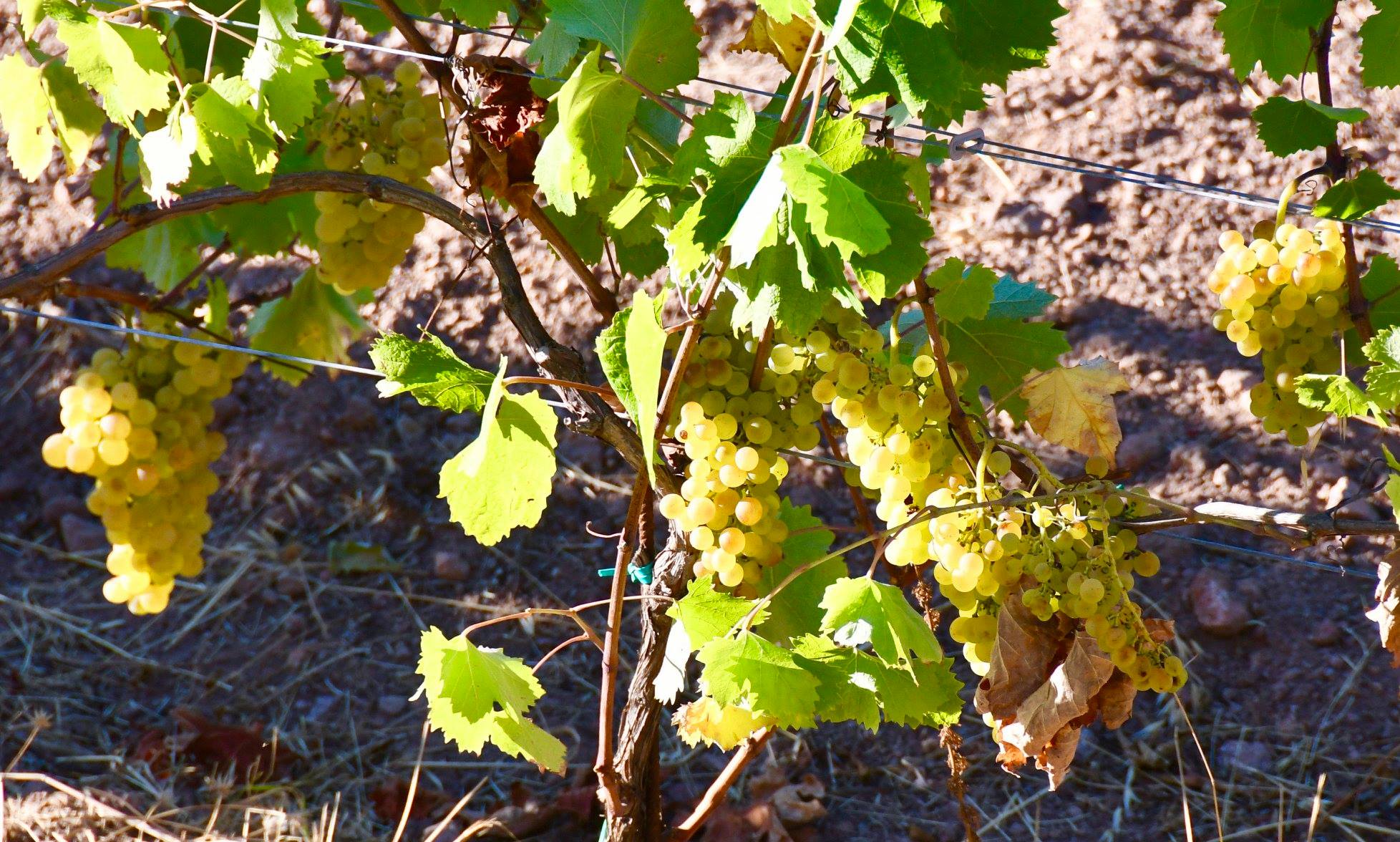
To tell the story of wine on Giglio Island, one inevitably starts with Ansonaco, the grape variety that represents its identity more than any other. 
Its metaphorical roots are ancient. Traces of this variety can be found as early as Greek and Roman times, although the Etruscans cultivated these slopes much earlier.
Viticulture here has always been an achievement in wresting land from the Mediterranean scrub, shaping the slopes with granite dry stone walls, facing the wind, sun and rock.
Vines grow low, clinging to steep slopes, suspended between the blue sea and sky. The terroir and marine climate result in a wine with a straw-yellow color, intense aromas, a warm, harmonious taste and restrained acidity.
The grapes also lend themselves to natural drying in the sun, spread out on granite rocks to produce a sweet raisin wine with great finesse.
Produced in limited quantities, these wines tell of a deep and arduous relationship between man and island, a wine heritage that continues to be appreciated even internationally and best discovered by visiting the Giglio wineries.

Capraia

Grapes of the Tuscan Archipelago
Grapes of the Tuscan Archipelago - Credit: Isola di Capraia

In Capraia, wine is the result of a subtle balance, built day by day between nature, climate and human toil. The isolation of the place, the Mediterranean climate and the constant action of the sea breezes draw an unmistakable terroir, found in wines with a distinct freshness and clear mineral notes.
In this scenario, viticulture becomes a measured and conscious practice, comprised of small numbers and precise choices, designed to unforcedly indulge in the characteristics of the island.
Among the most representative productions is the Rooso Passito from Aleatico grapes, intense and concentrated, representing the deeper side of the island’s character, flanked by a fresher and more immediate rosé version.
Alongside the reds, there is no shortage of whites from Vermentino grapes, often the star at the table along with fish dishes.
The wines of Capraia tell the story of a rudimentary and luminous island, where sea, wind and land are found, unfiltered in every glass.

Gorgona

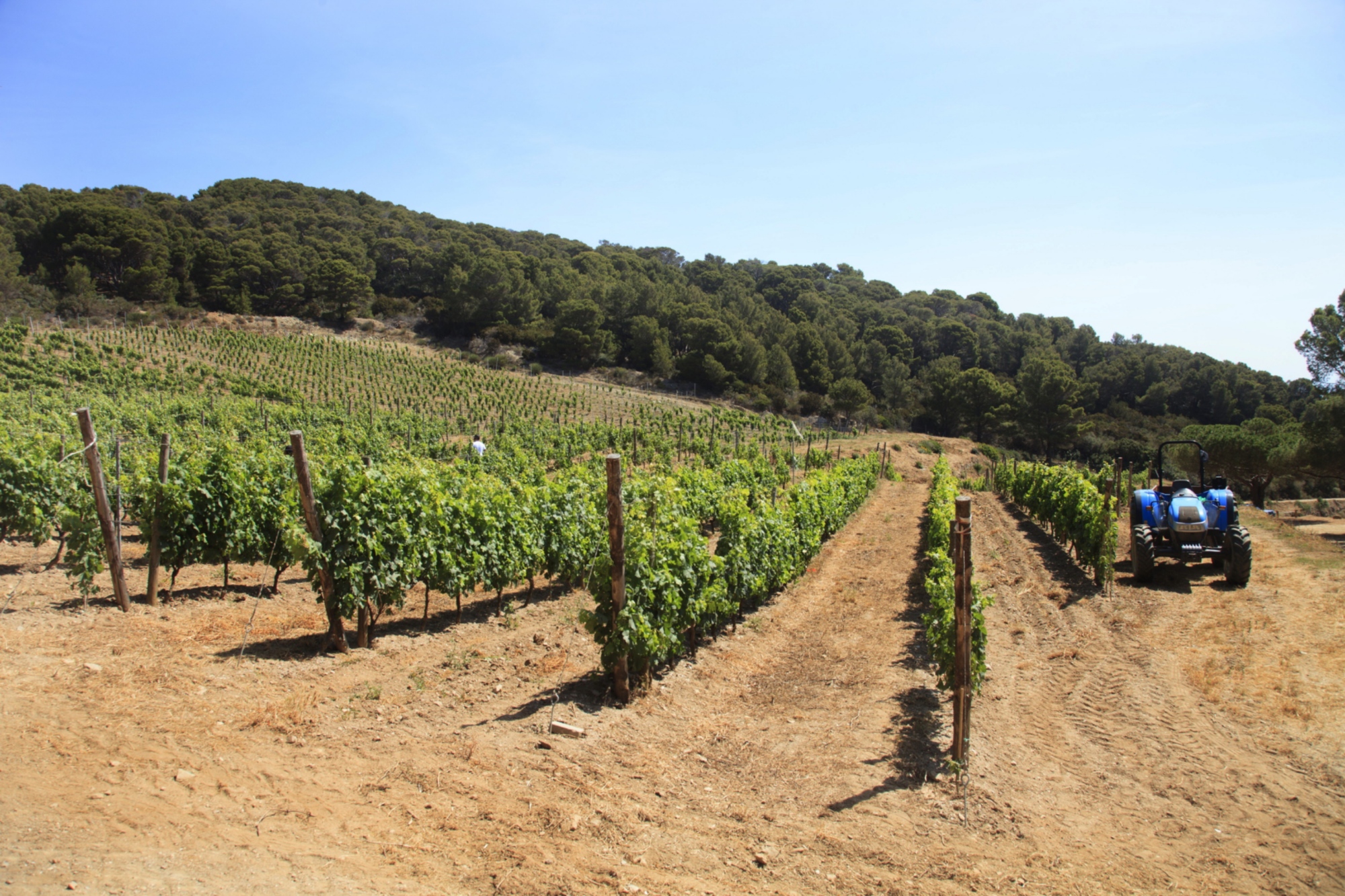
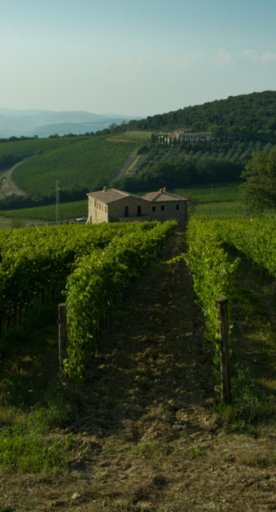
A vineyard on the island of Gorgona
A vineyard on the island of Gorgona - Credit: Shutterstock.com / Stefano Cellai

The smallest of the Tuscan Archipelago, Gorgona is a rugged and silent, predominantly mountainous island, marked over the centuries by the presence of hermits, monks and ancient incursions. 
Since 1869, it has been home to an outdoor agricultural penal colony, the only one of its kind in Europe, where inmates serve the final part of their sentences working in close contact with nature and acquiring skills useful for reintegration into society.
It is in this unique context that the Gorgona Project was born, launched in 2012 through a collaboration between the island’s Penitentiary Institute and the Frescobaldi family. 
Agronomists and oenologists work alongside inmates in training related to viticulture and wine production, transforming working in the fields into a concrete opportunity for professional and personal growth.
The project takes shape around a small vineyard facing out to sea, set in a natural amphitheater overlooking the island. The grapes, grown and vinified directly in Gorgona, yield Gorgona Rosso, made from Sangiovese and Vermentino Nero, aged in terracotta pots.
A wine that is an expression of the island, of human toil and of a project that combines agriculture, social responsibility and territory, becoming a symbol of redemption, trust and future.
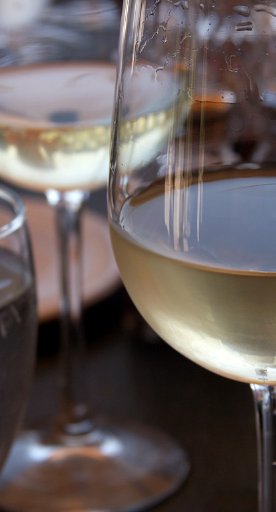
Each island has different tales to tell, yet all share the same essential trait: a viticulture that seeks identity and finds in its limits a form of value.
Tasting these wines means getting closer to authentic territories, where each glass tells a tale that reveals the true character of their lands, without mediation.
Start your discovery

Must-see places, stage-by-stage routes, events and tips for your trip
Events • 18 results
Ideas • 220 results
Itineraries • 45 results
Flavors • 91 results
Travelogs • 29 results