Prato, a city of fashion and textiles and a favorite setting for the movies; Prato is the birthplace of well-known Italian cinema celebrities, like Roberto Benigni and Francesco Nuti. Numerous movie and television productions have been made in the shadow of the Emperor's Castle.
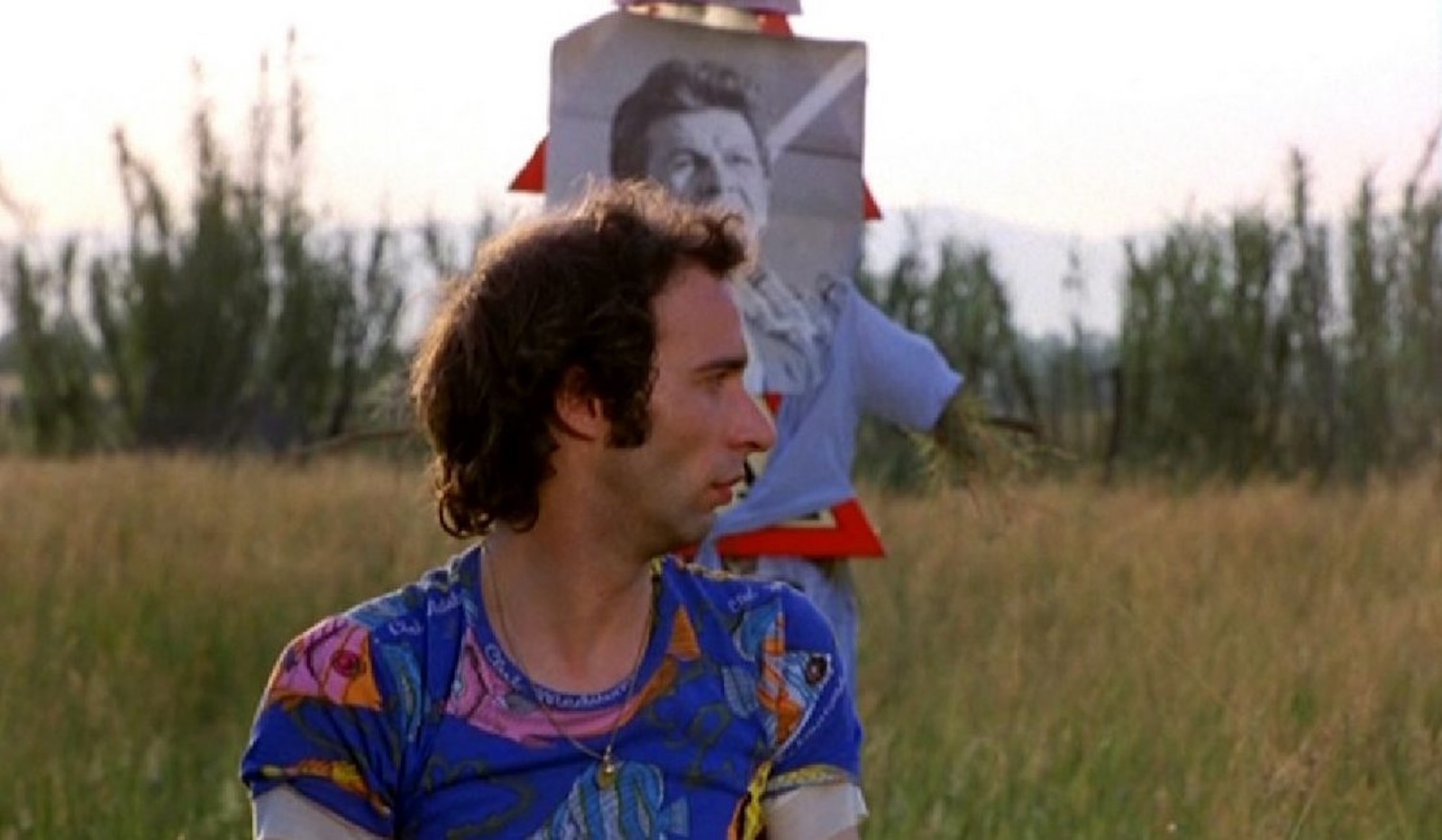
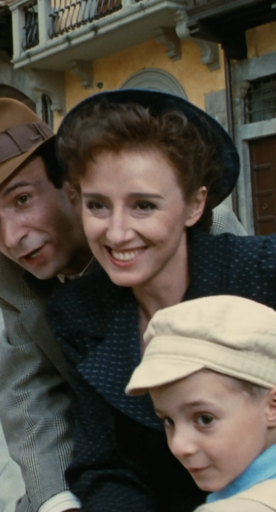
Roberto Benigni, who won an Oscar for his movie La Vita è Bella (Life Is Beautiful), was, early on in his career, an exceptional chronicler of Prato’s suburbs, in his theater and television shows, particularly Vergaio. It was precisely in the Prato hinterland that the movie in which he starred - Berlinguer, Ti Voglio Bene (Berlinguer, I Love You) - was filmed and directed by Giuseppe Bertolucci, who also directed the film Tuttobenigni (All Things Benigni).
Francesco Nuti made Prato the setting for some very popular movies, including Caruso Pascoski di Padre Polacco (Caruso Pascoski, Son of a Pole) and Il signor Quindici Palle (Mr. Fifteen Balls). As an actor, directed by Maurizio Ponzi, he starred in his hometown in Madonna Che Silenzio C’è Stasera (What a Ghostly Silence There Is Tonight), in which he played a young man wandering around Prato in search of a job, after finally breaking free from his mother’s suffocating attention.
Other notable movie and television stars were also born in Prato - both past and present - such as actors Pamela Villoresi and Francesco Ciampi and the well-known movie director and screenwriter Giovanni Veronesi. He has written countless screenplays for his colleagues Leonardo Pieraccioni and the aforementioned Francesco Nuti and has also enjoyed great success as a director. Among his most recent works worth mentioning are the hilarious Tutti x 1 - 1 x Tutti (All for 1 - 1 for All), the sequel to Moschettieri del Re, la Penultima Missione (The King’s Musketeers) - the most-watched movie ever on the Sky Cinema platform; the comedies Romantiche (Romantic Girls) and Romeo è Giulietta (Romeo Is Juliet) and Dio Ride (God Laughs), a period movie filmed between Colle Val d’Elsa and the upper Val di Cecina.
As we dive into movie history, it’s impossible not to mention the divine Clara Calamai, an actress from the era of “Telefoni Bianchi” (deco films) in the 1930s and the decades that followed. She was born right here in Prato in 1909, the daughter of the stationmaster at the small Porta al Serraglio railway station. The actress, known for her beauty and for being a free-spirited woman, is best known to the general public for her 1943 movie Ossessione (Obsession), a landmark of Neorealism, directed by Luchino Visconti in 1943, in which she starred alongside Massimo Girotti.
Clara Calamai is credited with the first nude-breast scene in the history of Italian cinema, in Alessandro Blasetti’s 1942 movie La Cena della Beffe (The Jester’s Supper). Her final and unforgettable performance, in 1975, was her leading role in Profondo Rosso (Deep Red) by Dario Argento, a cult classic of Italian thriller-horror cinema.
The hills around Prato have also served as movie sets. The movie I Padroni di Casa (The Landlords) was filmed in Montepiano. This was the second feature film by actor and movie director Edoardo Gabriellini, who first gained recognition in Paolo Virzì’s film Ovosodo (name of a district in Livorno, also meaning Hardboiled Egg). Thus, the performances by Elio Germano and Valerio Mastandrea, as well as by singer-actor Gianni Morandi, have helped shine a spotlight on this small town in the Prato area, surrounded by the greenery of the Tuscan Apennines.
Another side of the city of Prato - this time linked to the city’s Chinese community - has also been captured on film. Prato is, in fact, home to one of Italy’s largest Chinese communities, drawn there by the city’s fashion industry and its related sectors. This is the very world that inspired films like Cenci in Cina (Cenci in China) by Marco Limberti and Caino & Caino (Cain vs. Cain) by Alessandro Benvenuti, as well as the Chinese TV series The China Story.
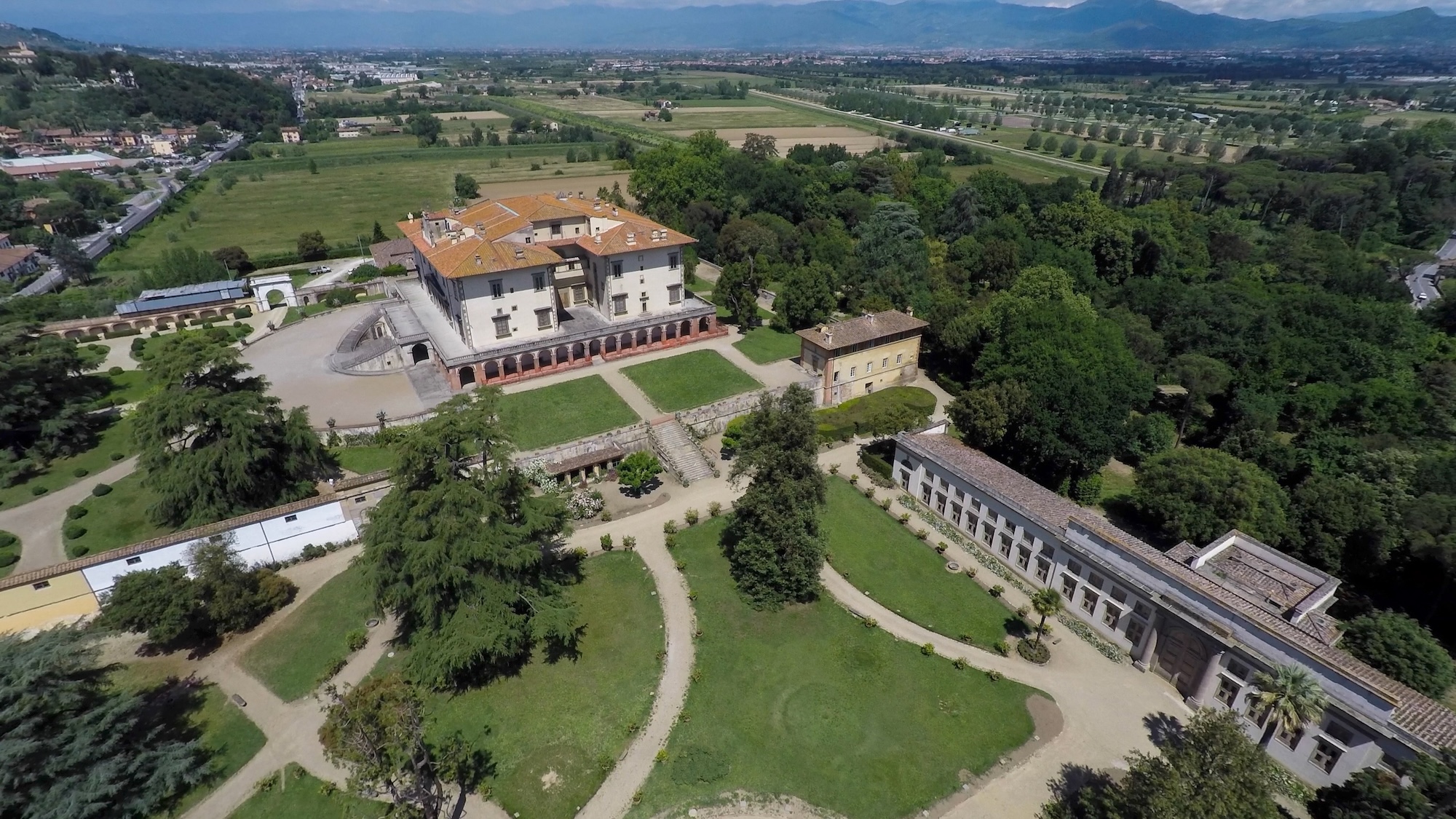
Among the grand masters of cinema who have filmed in Prato are Paolo and Vittorio Taviani, who chose the Medici Villa in Poggio a Caiano for their movie Le Affinità Elettive (The Elective Affinities), while Mario Monicelli filmed some of the scenes from Amici Miei Atto III in Prato, in the Villa del Palco area.
Prato was also recently the setting for the Italian RAI TV series Pezzi Unici (One of a Kind) by Cinzia TH Torrini, starring Giorgio Panariello and Sergio Castellitto, in which a street from Florence’s Oltrarno district - home to historic artisan workshops - was recreated.
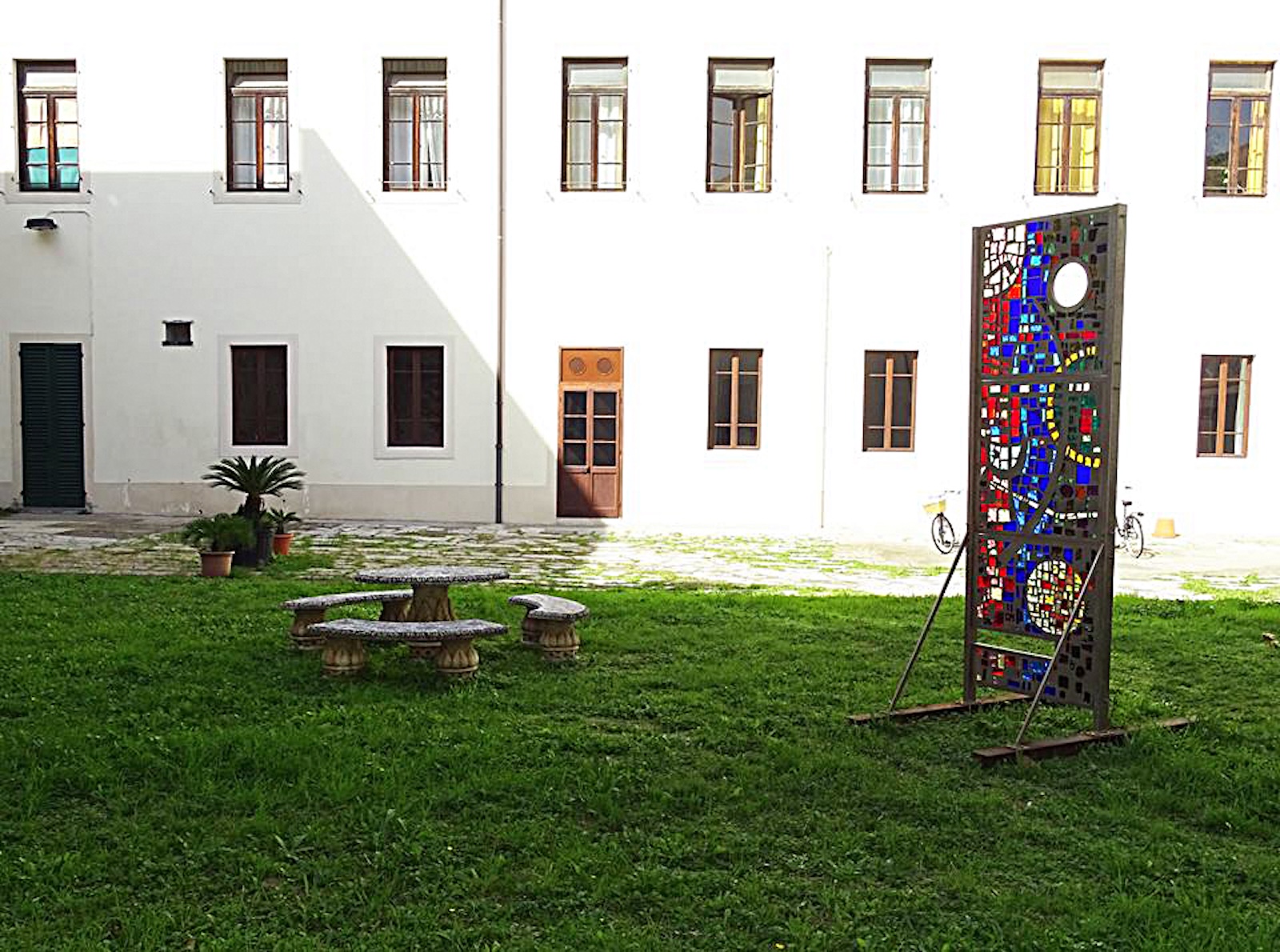
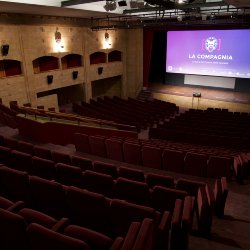
Further reinforcing Prato’s reputation as a city of movies is the presence, since 2017, of Manifatture Digitali Cinema (Fondazione Sistema Toscana), a facility dedicated to supporting audiovisual and film productions.
It is a movie production hub, available to those who choose Tuscany as a filming location. Movie productions already filmed there include Se son Rose (If they are Roses) by Leonardo Pieraccioni, Glassboy by Samuele Rossi, and Forse è Solo Mal di Mare (Maybe it’s Just Seasickness) by Simona di Simone, starring Francesco Ciampi and Maria Grazia Cucinotta. Also at the Manifatture Digitali Cinema Prato facility, director Enzo D’Alò made his animated movie Mary e lo Spirito di Mezzanotte (A Greyhound of a Girl), which was nominated for Best European Animated Feature Film at the EFA European Film Awards.