Go to main content
Default

4 reasons to set out on the Tuscan trail of Via Francigena

Here’s why embarking on a journey is an experience worth living

Accustomed as we are to all the comforts and means of transportation capable of covering long distances in a short time, setting out on foot seems like an act of defiance. So how is it that the pleasure of taking it slow has been rediscovered? Perhaps it is the desire to meet and share in an adventure or to be immersed in a more spiritual dimension?

People who travel historical paths like the Via Francigena do so for a variety of reasons. Let’s do a paint-by-numbers to get an overall picture. 
If we examine the 2025 data collected by viefrancigene.org, we find that the Via Francigena is traveled by people from over 58 nations and is today an emblem of slow travel that allows people to be in touch with nature but also to reach tourist destinations. A large proportion of walkers are Italian (46.52%), followed in number by the United States, France, Germany, Australia, the Netherlands and Spain.

Pontremoli, Siena then Canterbury are (in order) the main points of departure. During the Jubilee, the leading end point was Rome, followed by Siena.

35.5% of wayfarers travel solo, 22.8% in a group and 22.7% in pairs.

88% of those traveling the Via Francigena do so on foot, the remaining 12% on bicycles. The most popular month for walking? For 2024, it was April but in 2025, September took the lead.

In view of the analysis collected, here are the 4 top reasons for embarking on a slow journey, particularly along the Via Francigena, currently awaiting declaration as a UNESCO World Heritage Site.

Contents
  • 1.
    Cultural heritage
  • 2.
    A search for self
  • 3.
    Faith
  • 4.
    A shared experience
1.

Cultural heritage

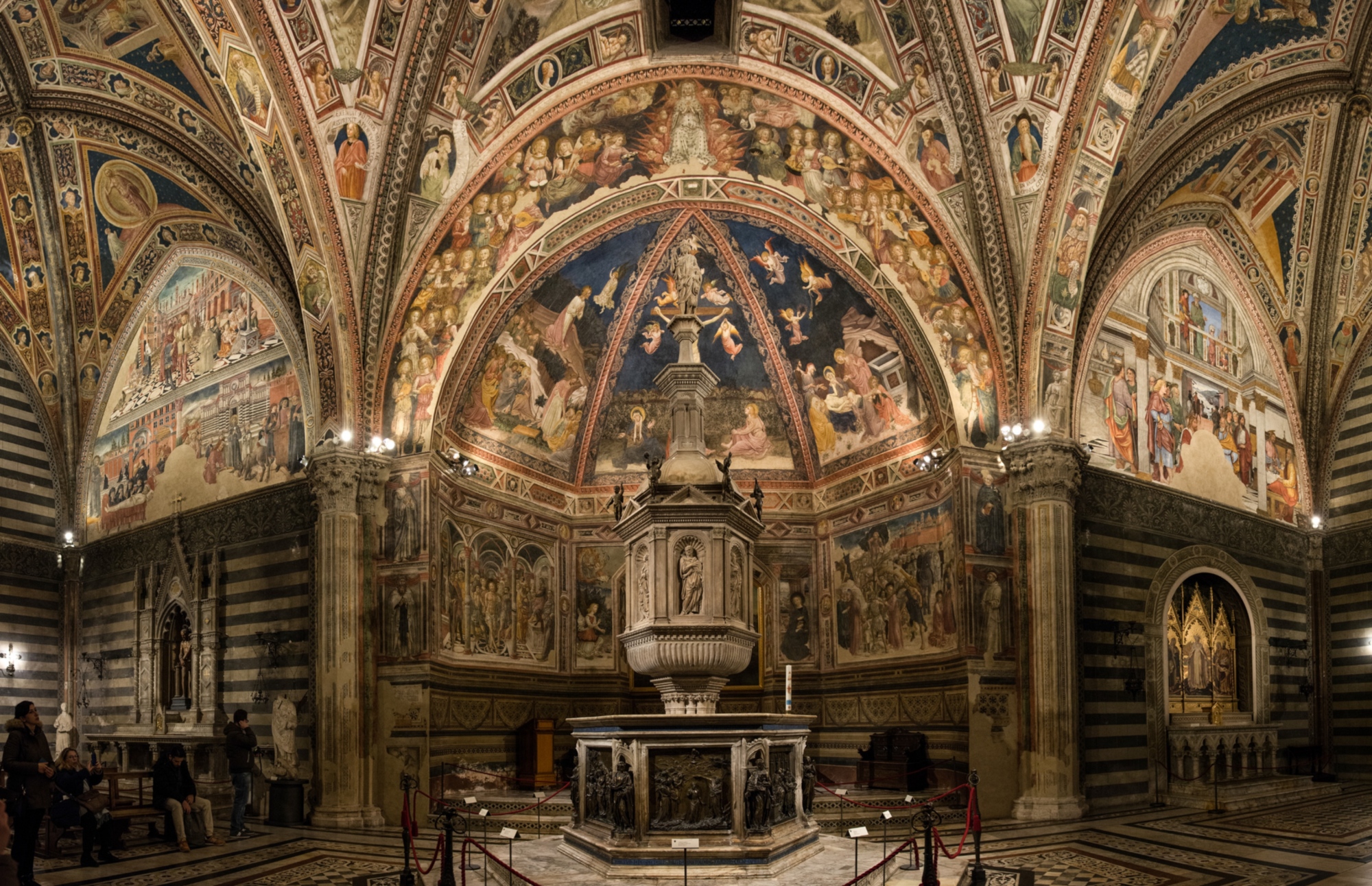
Interior, frescoes and baptismal font of the Baptistery of Siena
Baptistery of San Giovanni, Siena - Credit: Al. Farese

As you travel along the Via Francigena in Tuscany, you can choose from 16 stages (with three variations) through shifting landscapes, from mountains to hills, villages to cities of art. Each place has so much to share and a unique, never-ending charm.

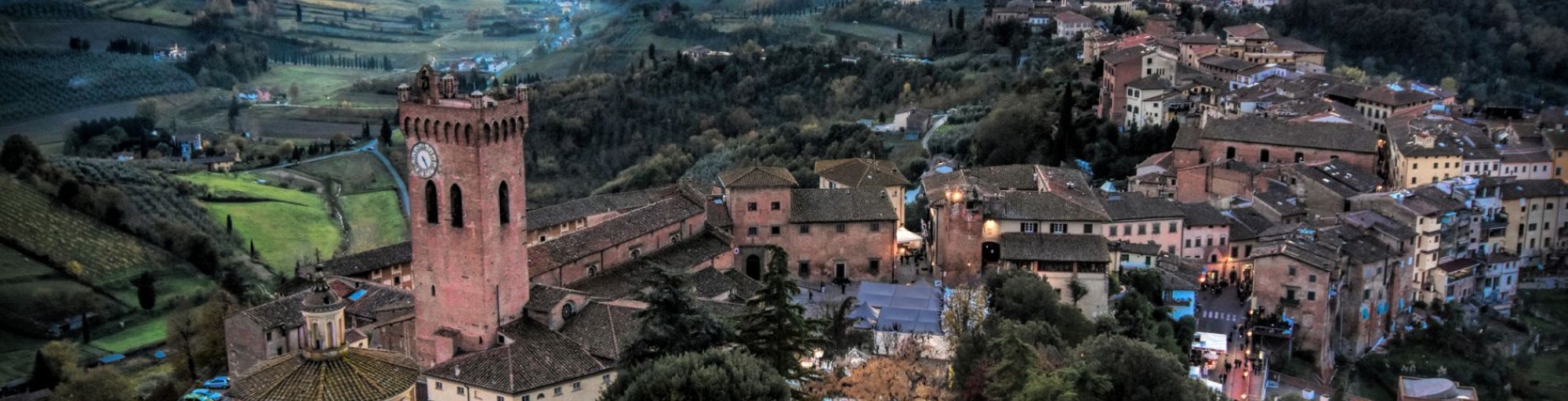
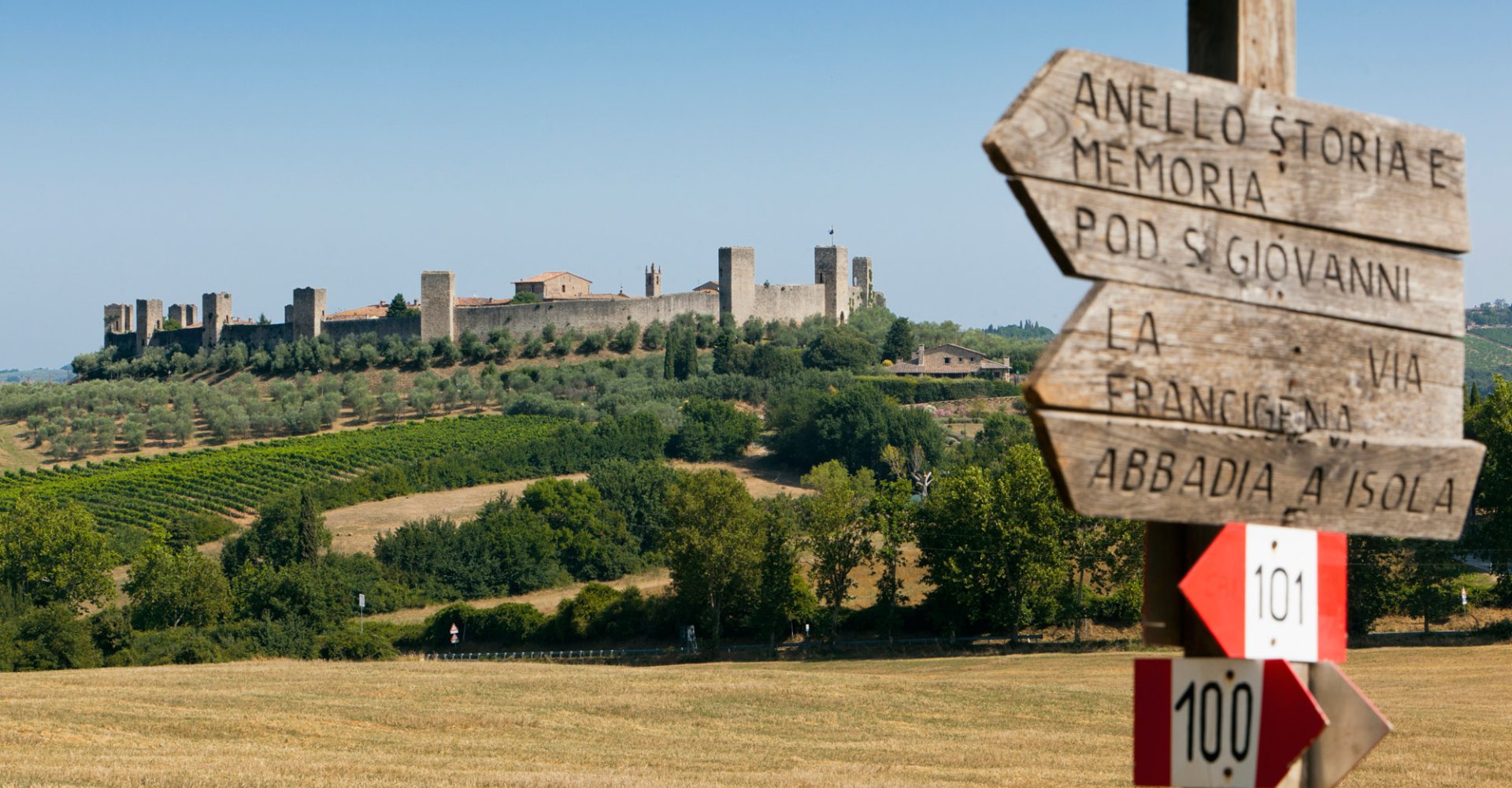
From the Cisa Pass, you reach Lunigiana, a borderland dotted with castles surrounded by greenery. The Stele Statues in Pontremoli will delight you on a journey back in time. Then, approach the coast and you will reach Massa, with its imposing castle, in the shadow of the Apuan Alps. From the Apuan Riviera, come to Versilia and to “little Athens”—Pietrasanta, the land of contemporary art—then push on to Lucca, the city of a hundred churches and home of the Volto Santo (Holy Face). Continuing on, you’ll reach Altopascio, known for its bread—a symbol of hospitality—and cross the Terre di Pisa (or Lands of Pisa, meaning San Miniato, where an excellent truffle is found). Along the way, you’ll encounter Gambassi Terme with its waters, San Gimignano and its towers, the fortified Monteriggioni and the splendid Siena, a treasure chest of art and culture.
From the peculiar landscape of the Crete Senesi and Val d’Arbia, you get to the Val d’Orcia, a UNESCO World Heritage Site with San Quirico d’Orcia and Bagno Vignoni. Pass through the Amiata area to reach Radicofani and from here, begin the first stage to reach Lazio in Acquapendente.

In the nearly 250 miles (400 kilometers) of the famous walk within Tuscany, there is so much to see and see again, with the wonder of those who travel savoring every moment.

1.

A search for self

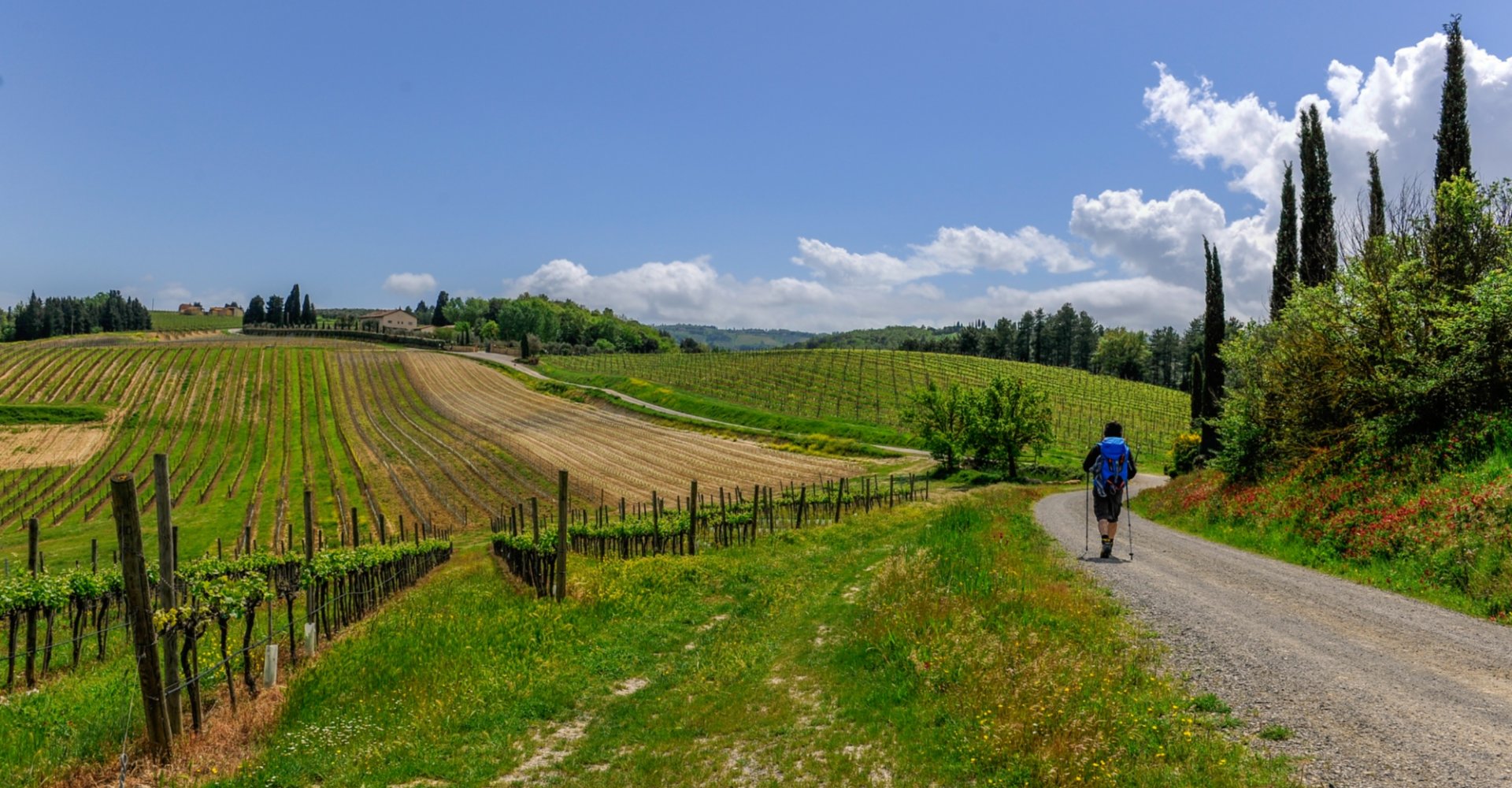
A pilgrim walks surrounded by green hills
Walking along the Francigena in Tuscany - Credit: Ramiro Castro Xiques

Walking is a physical and mental panacea. Breathe in pure air by immersing yourself in nature and exercising, contributing to your overall wellbeing.
And at the end of the journey, after hours of walking, you will be undoubtedly rewarded by a deep satisfaction, a sense of calm that sweeps away the fatigue.
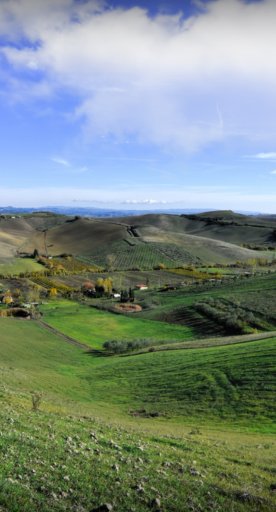
To recharge your energy, it is very important to get away from the daily grind and the routine of traffic, busy schedules, hyperconnectedness and constantly being on-call. Step by step, following your own rhythm, enveloped in silence interrupted only by the sounds of nature and your own footsteps, it is easier to get in touch with yourself, question yourself, listen to your inner voice and get closer to your deepest self, leaving behind the daily worries that suddenly seem to lighten.
1.

Faith

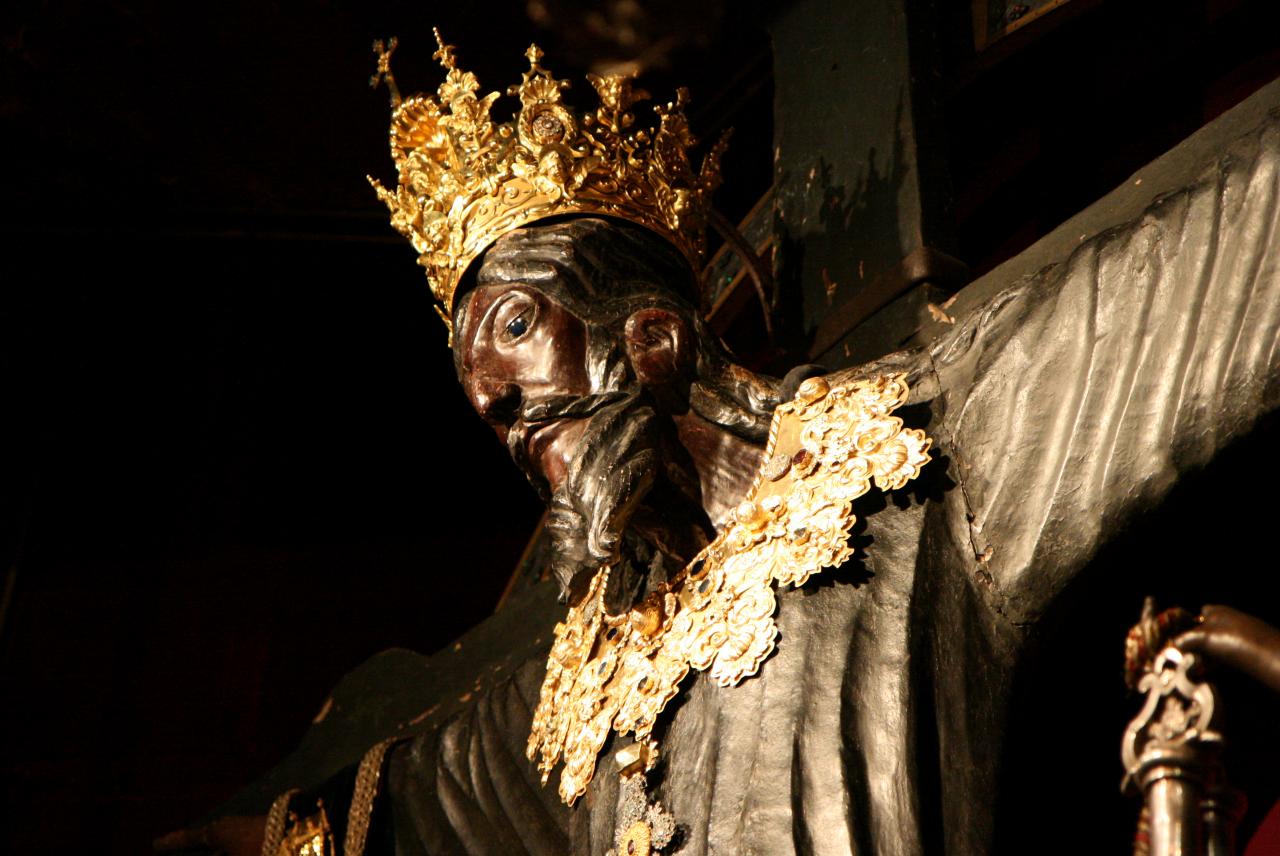
Detail of the wooden statue of the Volto Santo (Holy Face)
The Volto Santo (Holy Face) - Credit: Holly Hayes

The destination of a pilgrimage is a sacred place that makes the journey symbolic of bringing a person closer to their faith. This is achieved by overcoming boundaries and sometimes difficulties. Only in this way can you be transformed, renewed and that is why it is said that a path has the ability to change you.

In the Bible, Abraham is described as a man on a journey, leaving his land and his father’s house to reach the Promised Land. Similarly, Jesus set out from Galilee to Jerusalem, urging his disciples to follow in his footsteps.

For the Jubilee 2025, walking a path allowed Christians to admire the beauty of creation, an “eloquent expression of trust in God,” as Pope Francis recounts in one of his last letters. 

In Tuscany, in addition to the Via Francigena that retraces Archbishop Sigeric’s steps from Canterbury to Rome, you can walk 10 official paths dotted with historical beauties, churches, relics and abbeys. Take, for example, the Via di Francesco, a network of routes that touch on the sites of Saint Francis of Assisi, such as the Sanctuary of La Verna, where the patron saint of Italy received the stigmata. 

At such a sensitive time in history, embarking on a pilgrimage is an ideal way to share in the experience of those who are forced to travel fleeing from wars, in search of peace

1.

A shared experience

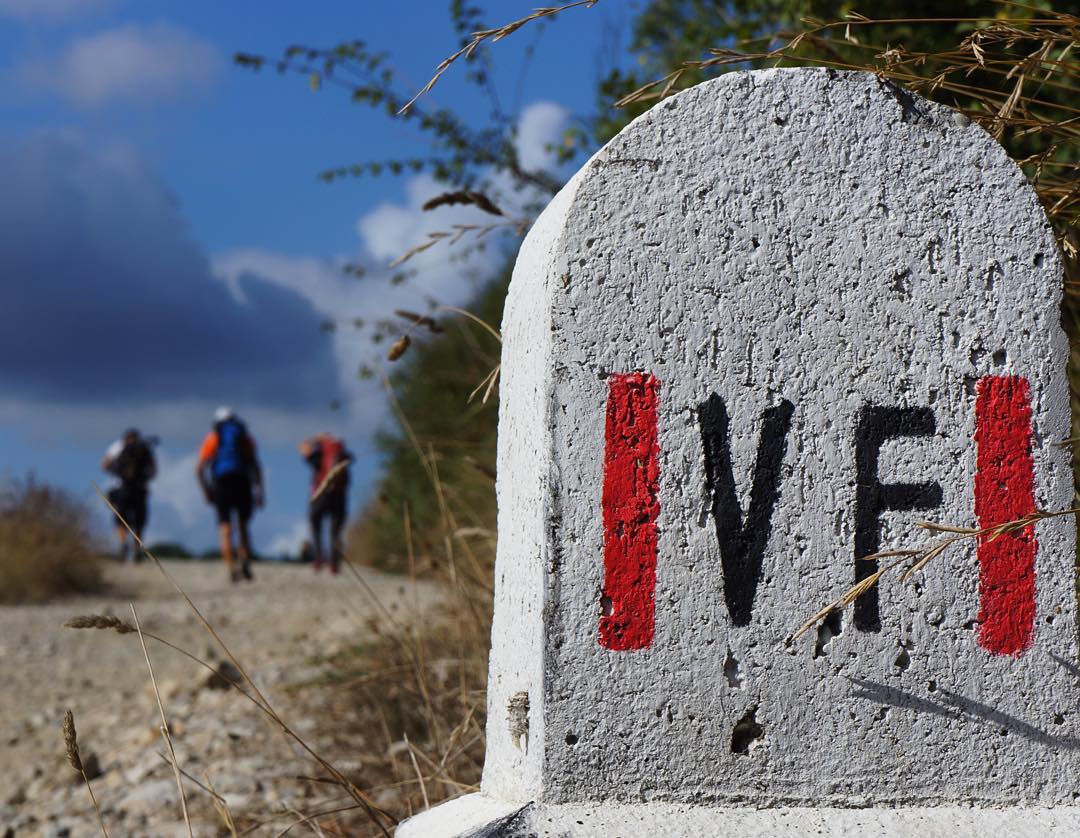
Via Francigena in Tuscany

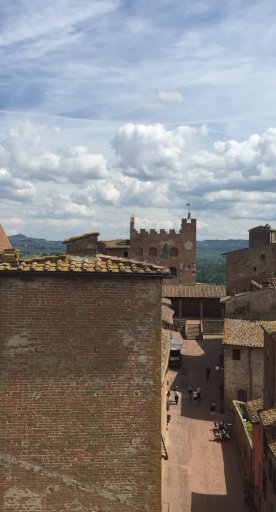
A slow-paced journey on historic paths is a valuable opportunity to meet other travelers, walking side by side, with a nod and a smile, a little encouragement or even a chat about the route. You will be sure to encounter someone or even make a friend with whom you can share moments of silence and contemplation, amid boundless landscapes, small towns, cities of art, images that will remain within you as the most beautiful memories.

Tuscan hospitality will open up to you the stories and secrets of small villages and allow you to meet locals ready to offer you a moment of rest and refreshment. There are places like Altopascio that have a long tradition of hospitality—here the Knights of Tau built a “spedale” (a local term that also translates to “hospital”) to refresh wayfarers exhausted by their travels. In 1232, a rule was passed to give ‟rights to bread” at no cost to those passing through. 

Religious hospitality in Tuscany likewise has stories to tell. In Siena, Sister Ginetta is famous for devoting more than 20 years to helping the needy and lending a helping hand to pilgrims along the Via Francigena. Like her, there are many people ready to welcome you even today, to share anecdotes and let you savor tasty traditional Tuscan dishes, perfect for warming the heart and restoring your energies.

What’s nearby?

Must-see places, stage-by-stage routes, events and tips for your trip
Events • 11 results
Ideas • 71 results
Itineraries • 33 results
Travelogs • 3 results