Go to main content

Tuscany to be tasted in ancient actions and shared flavors

Cooking classes, tastings and dinners in the vineyard to discover the flavors of the land

In Tuscany, food is an everyday language that speaks of ancient rituals, recognizable ingredients and shared occasions. Experiences such as cooking classes, tastings and outdoor dinners thus become opportunities to come into direct contact with the land, following the rhythm of the seasons, from market to table.

Contents
  • 1.
    Cooking classes
  • 2.
    Tastings
  • 3.
    On foot, by bicycle, by motorcycle

Cooking classes

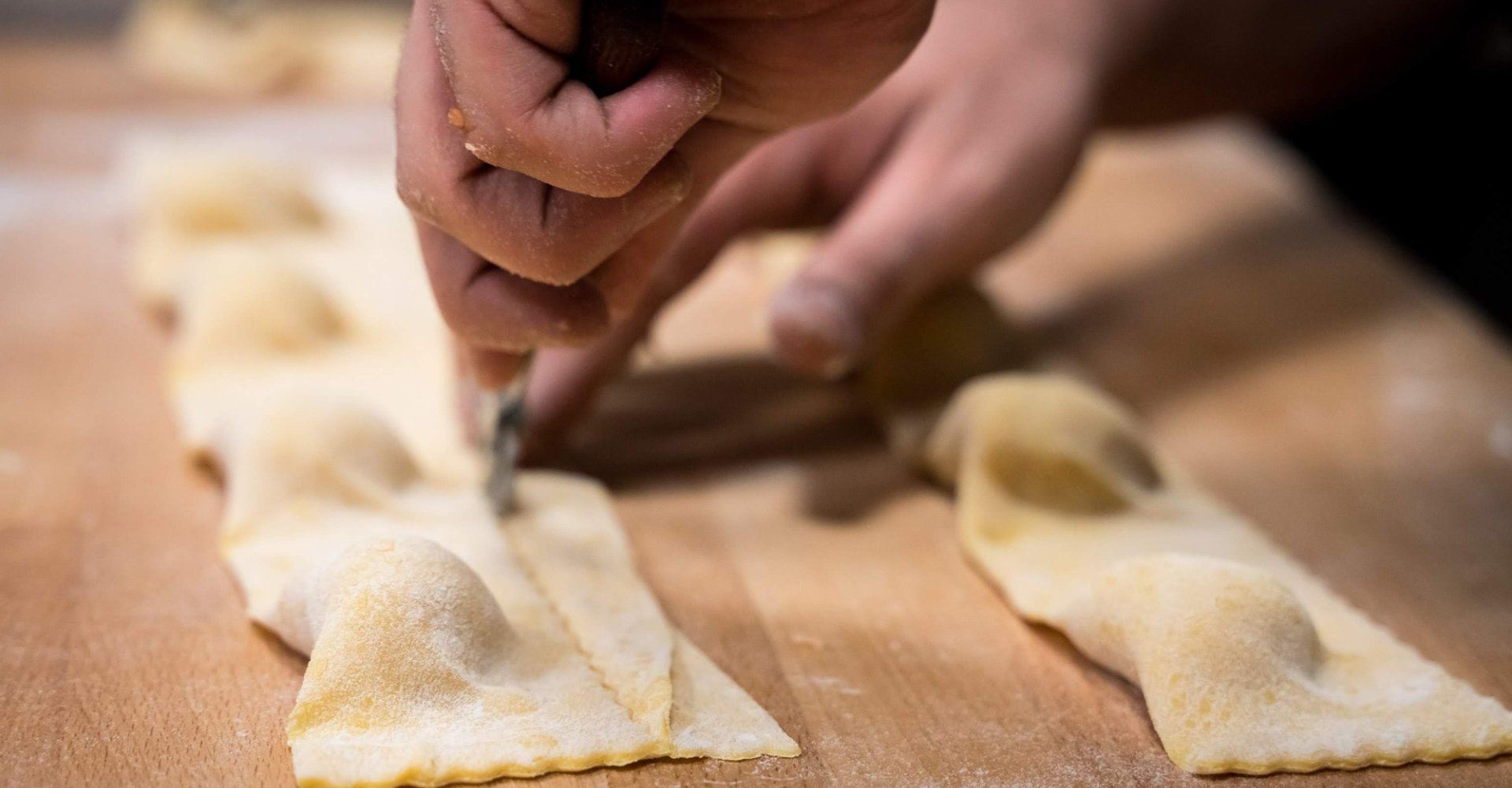
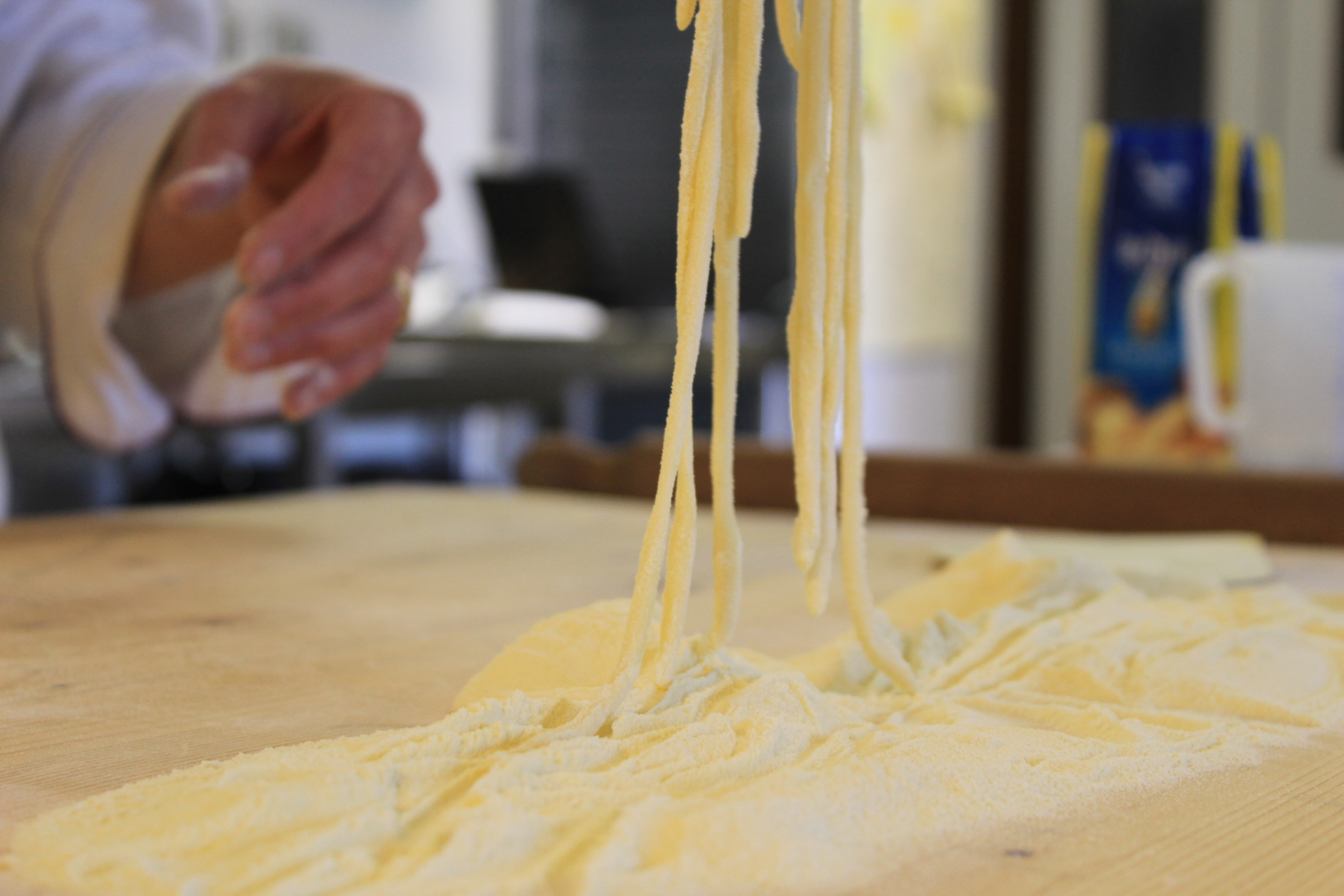
Making Pici
Making Pici - Credit: Flavia Cori

Cooking classes are one of the most direct ways to get in touch with everyday Tuscany, the soul of this land that takes shape in the kitchen and relaxes around the table. It often starts amidst tables brimming with seasonal vegetables, carefully selected meat and extra-virgin olive oil tasted on crusty bread. 

In cities of art, such as Florence, cuisine finds its place among historic markets and kitchens overlooking piazzas, where iconic dishes like bistecca or fresh hand-made pasta become the starting point for recounting simple gestures, explained without formality, as time flows naturally.
Outside urban centers, the context changes but the substance remains the same. In country homes and farmhouses, people work with flour, eggs and vegetables from the garden, following a certain tradition that marks each day. 
Pici pasta is hand-rolled, ravioli are sealed as lunch is prepared with the family all together, while the landscape beams in through the windows and shines on every phase of the preparations. 

In some areas, such as Maremma, cooking also becomes a tale of the territory and its most identifiable productions. Histories related to chestnuts, for example, unite manual skills in the kitchen with agricultural memory, amid scents of the forest, ancient actions and seasons that give back to us.
Alongside traditional cuisine, more gluttonous ingredients arrive. The components change, but the same care in preparing the recipes remain. 
In Valdinievole, for example, it is possible to explore an actual chocolate factory and follow the processing step by step by tasting, observing and learning to recognize the scents of cocoa, the textures and qualities through guided degustation.

Even for children, there is no shortage of opportunities tailored to their needs. In certain cases, the kitchen becomes a shared workshop of hands that knead, making bread together with ingredients recognized and tasted with curiosity. 
In others, the protagonist is gelato, as part of a dedicated itinerary that tells of fresh ingredients, techniques and flavors. An experience that will remain in your memory.
Tastings

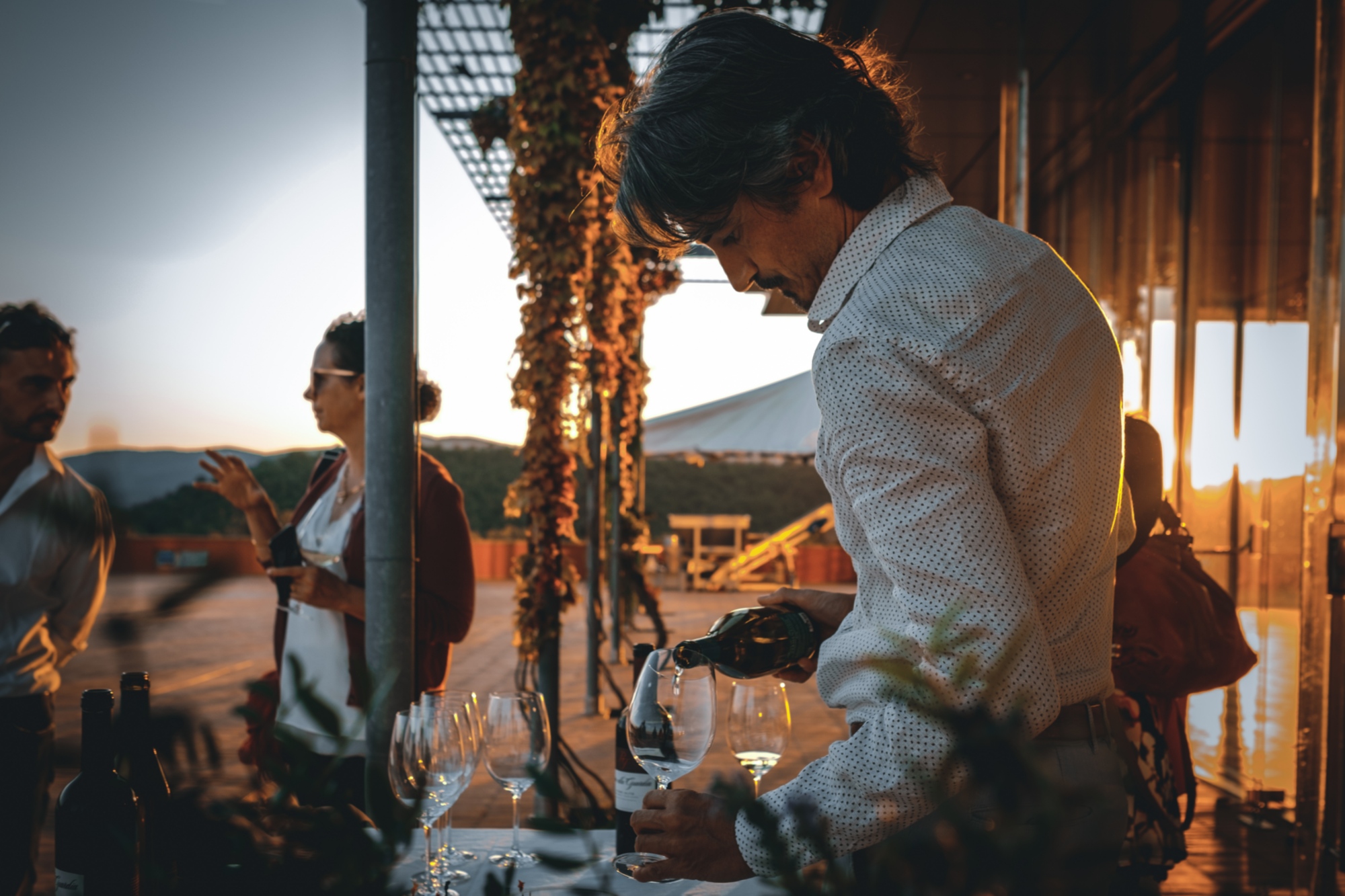
A red wine tasting
Wine tasting - Credit: Marcel Fagin

To explore the cuisine, there is no shortage of options for tastings
At many wineries, the experience begins with a walk through rows of vines or a visit to the production areas, then ends around a table to taste a selection of wines, often accompanied by local cheeses or cured meats. 

This approach, which focuses on the experience of and relationship with the land, is particularly expressed through the initiatives promoted by the Movimento Turismo del Vino (Wine Tourism Movement). The association, which unites 1000s of producers throughout Italy, has long been a point of reference for authentic, quality wine tourism, capable of going beyond simple tastings to transform a visit into an engaging experience.
Emblematic of this vision is Cantine Aperte, a now iconic event that, at different times of the year, opens the doors of wineries and cellars to the public. In Italy, where cellar doors are not generally open to the public, this is an opportunity to meet the producers, walk among the vineyards, visit the wineries and taste the wines directly in the cellar.
Alongside Cantine Aperte, the Movimento Turismo del Vino offers a rich and varied calendar of initiatives that follow the cycle of the vine and the rhythm of the seasons.
In this same vein are the dinners in the vineyard, which bring the chance to enjoy a tasting directly to the table. 

A similar approach also characterizes the extra-virgin olive oil tastings hosted in mills or olive groves. Compare different oils, learn to recognize the characteristics and finally taste the ‘liquid gold’ on Tuscan bread or in combination with simple products. 

On foot, by bicycle, by motorcycle

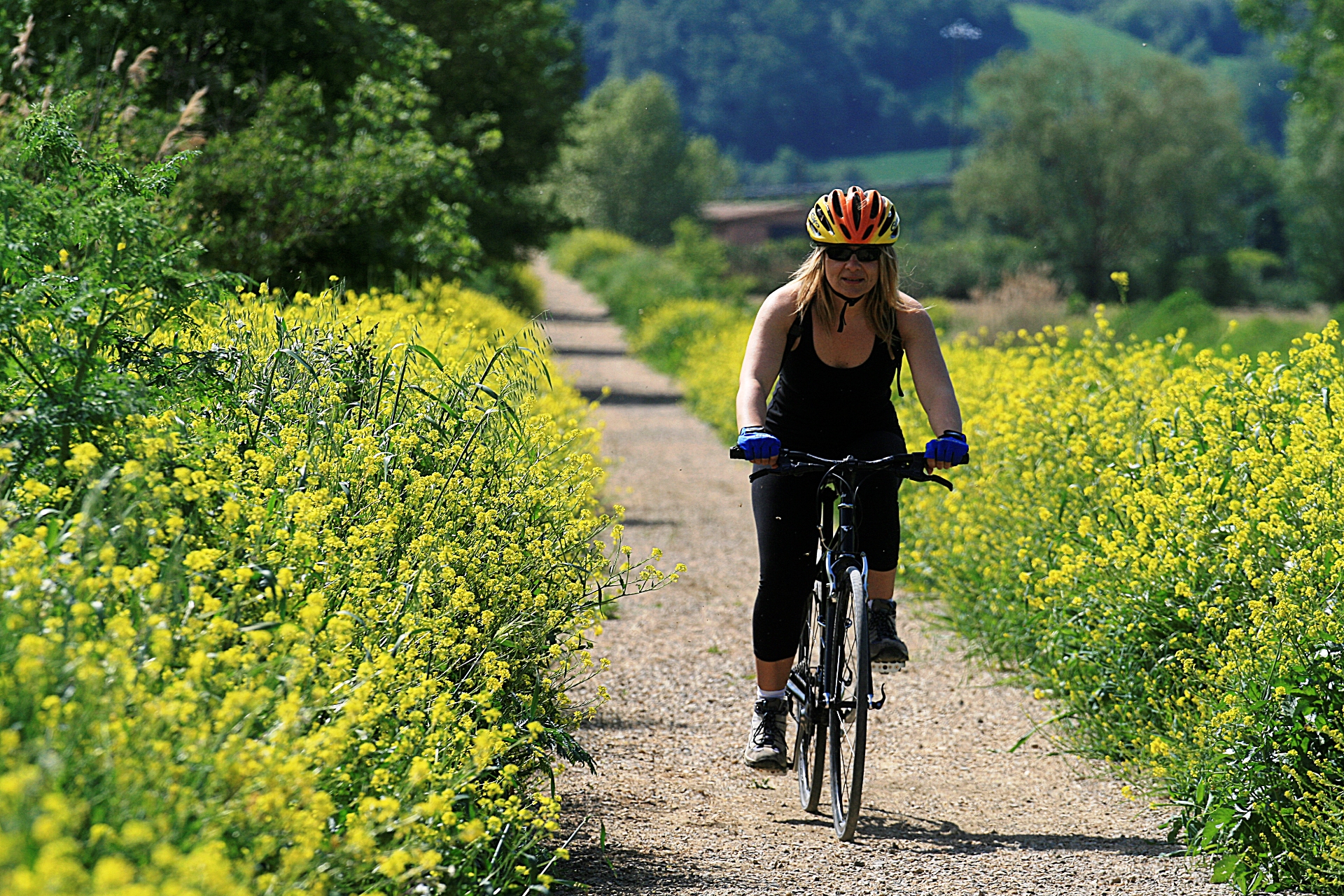
Image of a woman pedaling along the Nobile di Montepulciano trail
Nobile di Montepulciano Bike Trail - Credit: Valdichiana Living

Alongside cooking classes and classic tastings, there are experiences that combine movement with a discovery of flavors
In Florence, some food tours take place on foot and pass through markets, artisan stores, trattorias and wine bars, with tastings of products that are symbolic of Florentine identity. Think cheeses, breads, cured meats, seasonal specialties and local wines, concluding with something sweet, perhaps a gelato or biscotti with a glass of Vin Santo.
Outside the city, the journey can continue by road or on two wheels. 
Tours in vintage Fiat 500s are offered among the Chianti hills along scenic roads, with visits to wineries and tastings of wine and extra-virgin olive oil. 
Between Cortona and Montepulciano, on the other hand, e-bike routes traverse vineyards and country roads, starting at a small winery and concluding with a tasting. 
Different modes, the same common thread. Moving through the landscape and encountering flavors directly in the places they come from.

What’s nearby?

Must-see places, stage-by-stage routes, events and tips for your trip
Events • 1 results
Ideas • 59 results
Itineraries • 33 results
Travelogs • 2 results