Go to main content
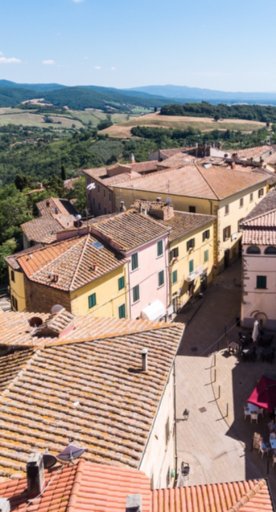
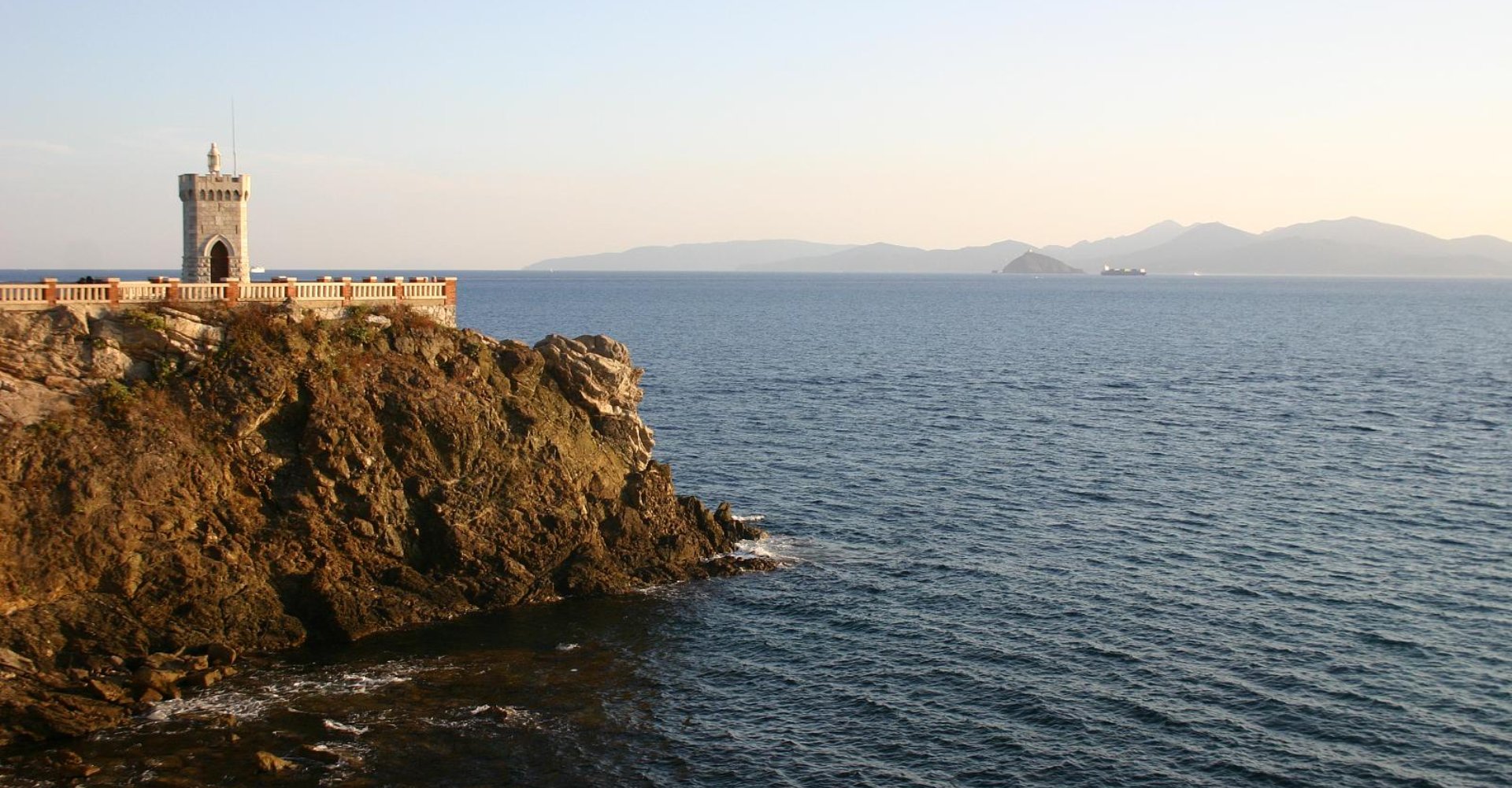
Piombino sea views

5 things to do in Piombino

Amid history, sea views and nature

Stretching out over the sea and overlooking the islands of the Tuscan Archipelago, Piombino is one of the most significant destinations on the Etruscan Coast
Formerly the port of Falesia then the Signoria and Principality of the Appiani, it was one of the longest-lived city-states in Italy, until the regency of Elisa Bonaparte in the early 19ᵗʰ century.
Today, the historic center, museums, piazzas facing the incoming waves, and coastal parks of the Val di Cornia comprise a mosaic of experiences encompassing archeology, the sea and the local cuisine.

Contents
  • 1.
    Stroll through the historic center among towers, walls and palaces
  • 2.
    Visiting museums and places from ancient history
  • 3.
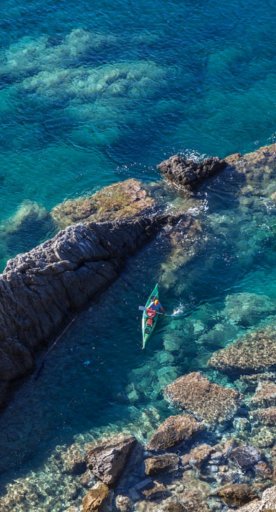
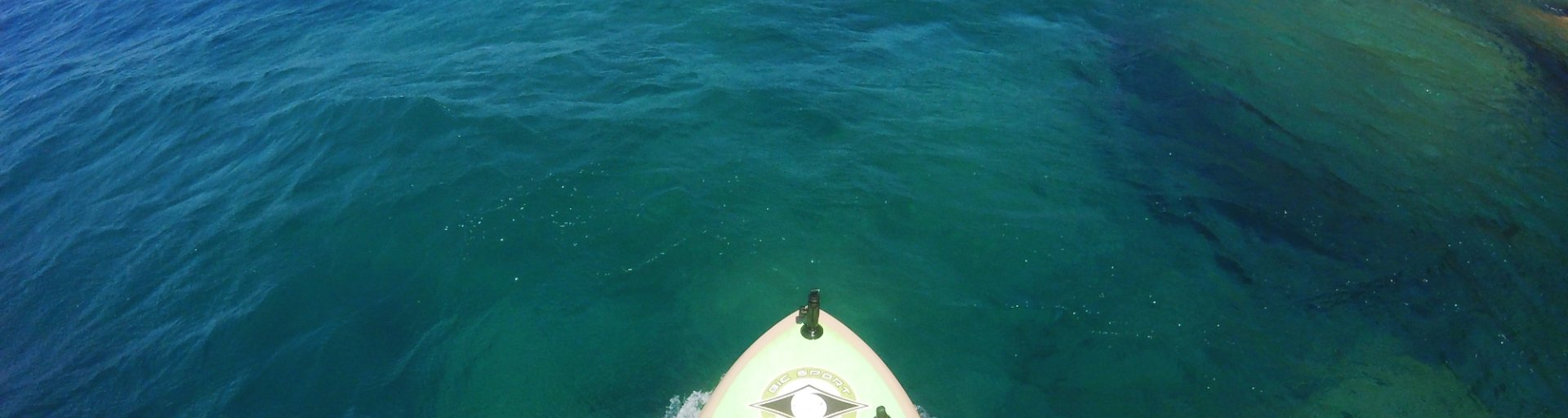
    Exploring the coast between coves and trails
  • 4.
    Be immersed in nature parks encircled by dunes, forests and wetlands
  • 5.
    Enjoying local cuisine among fresh seafood and wines from Val di Cornia
1.

Stroll through the historic center among towers, walls and palaces

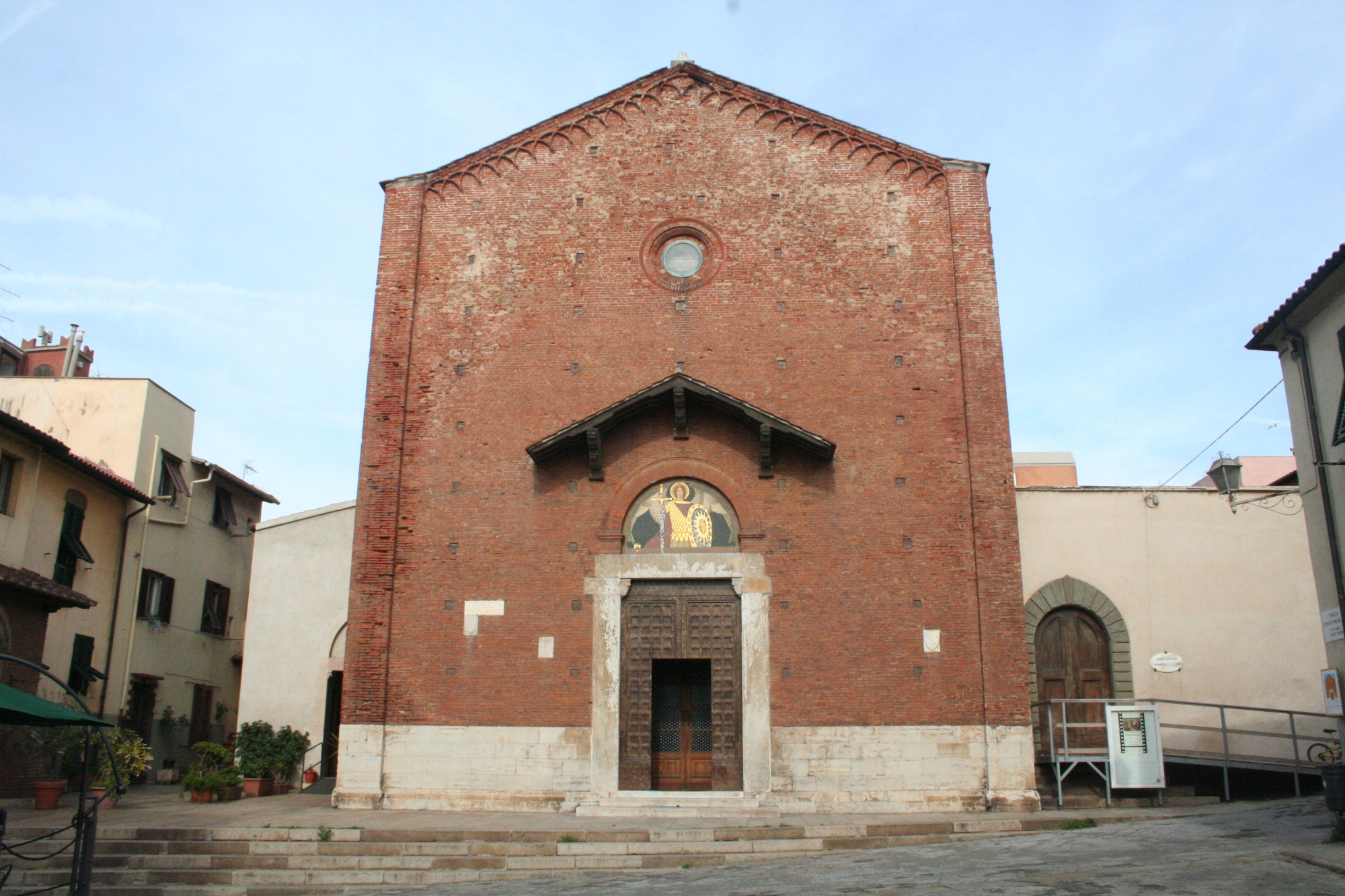
Front view of the façade of the Cathedral of Sant’Antimo
Cathedral of Sant’Antimo

The heart of Piombino is an interweaving of medieval and Renaissance streets guarded by a city wall, of which visible traces remain, having been designed even with the contribution of Leonardo da Vinci
Strolling along, you will encounter the Torrione, the Rivellino, the Fonti di Marina and the 14ᵗʰ-century Casa delle Bifore, along with historic churches such as the Cathedral of Sant’Antimo, the Cittadella Chapel and the Immacolata Church.
The route leads naturally to the Cittadella, a veritable city within a city planned by the Appiani, the location of the Palazzo Nuovo, the 19ᵗʰ-century residence of Elisa Bonaparte.

1.

Visiting museums and places from ancient history

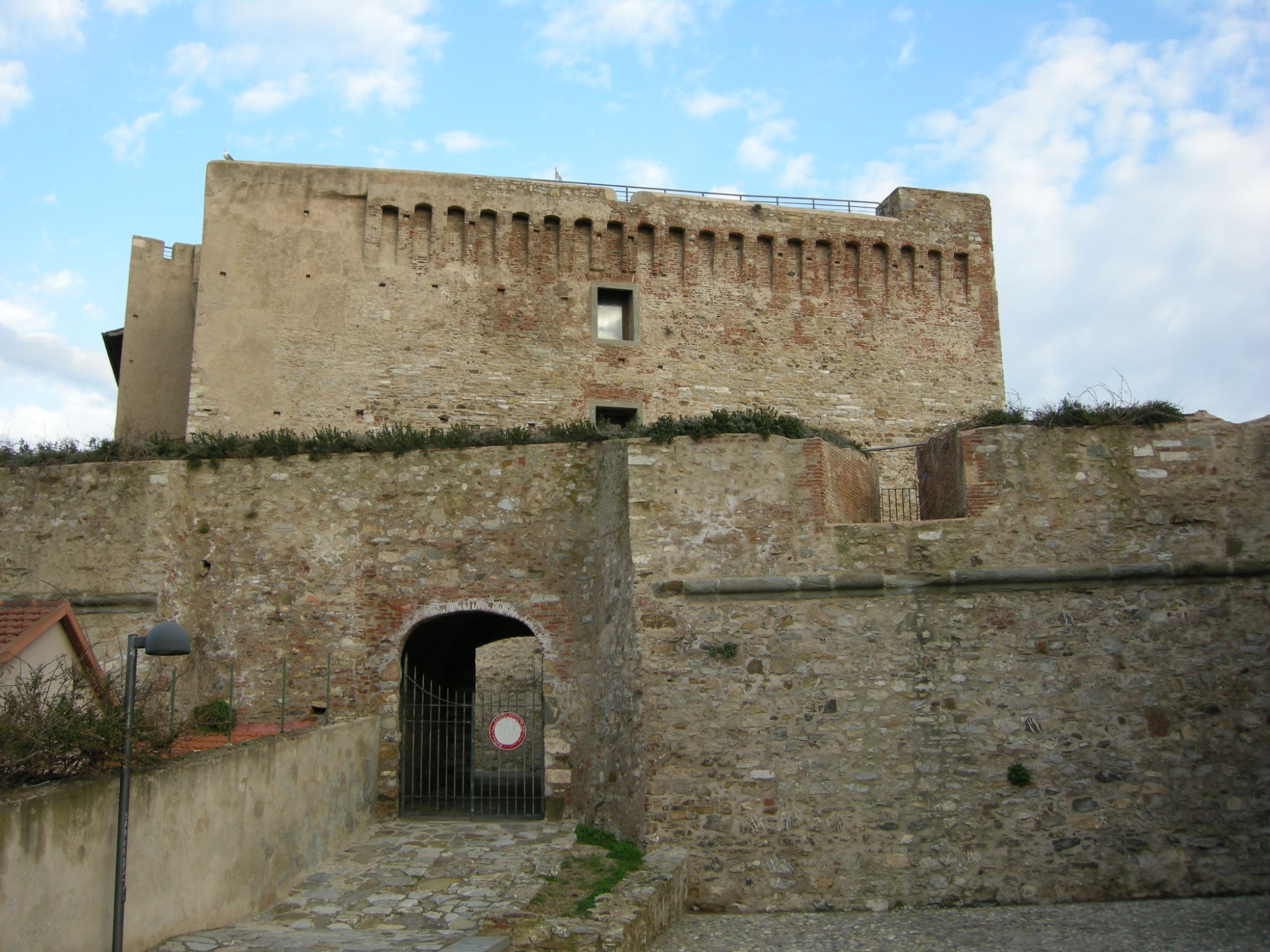
An exterior view of Piombino Castle
Piombino Castle - Credit: sailko

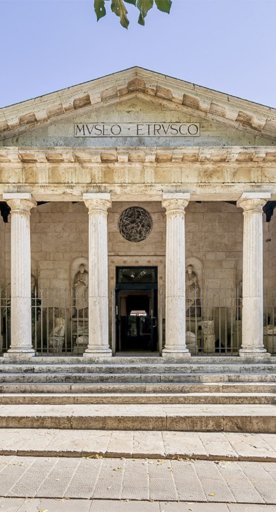
Inside the Palazzo Nuovo is the Archaeological Museum of the Territory of Populonia, a journey through more than 2000 prehistoric, Etruscan and Roman artifacts that tell the story of the territory’s origins.
Paved alleys lead to the imposing Castle, the fortified heart of the city where, through the dedicated museum, the medieval history of Piombino and its ceramics can be traced.
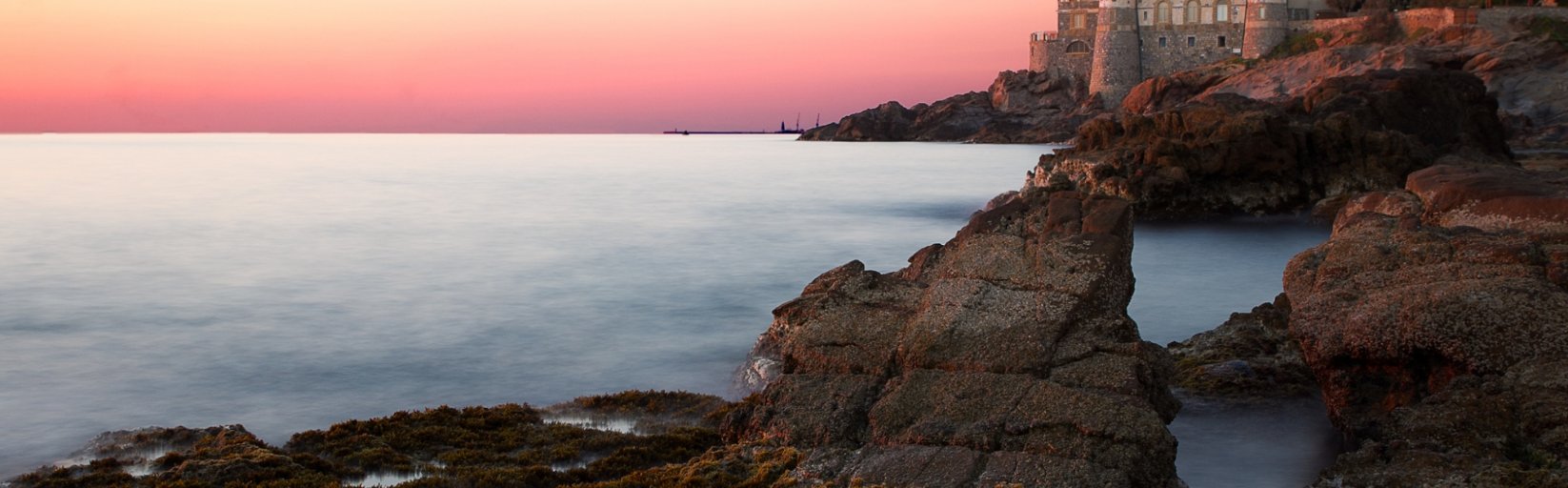
From here, you soon reach one of the most striking overlooks of the entire Etruscan Coast: Piazza Bovio, Europe’s largest natural terrace suspended over the sea. The view opens up to the islands of the Tuscan Archipelago and its serrated coastline, while Palazzo Appiani guards over the panorama.
An iconic place, perfect for capturing the essence of the bond between Piombino and its sea, especially when the sun sets behind the horizon.

1.

Exploring the coast between coves and trails

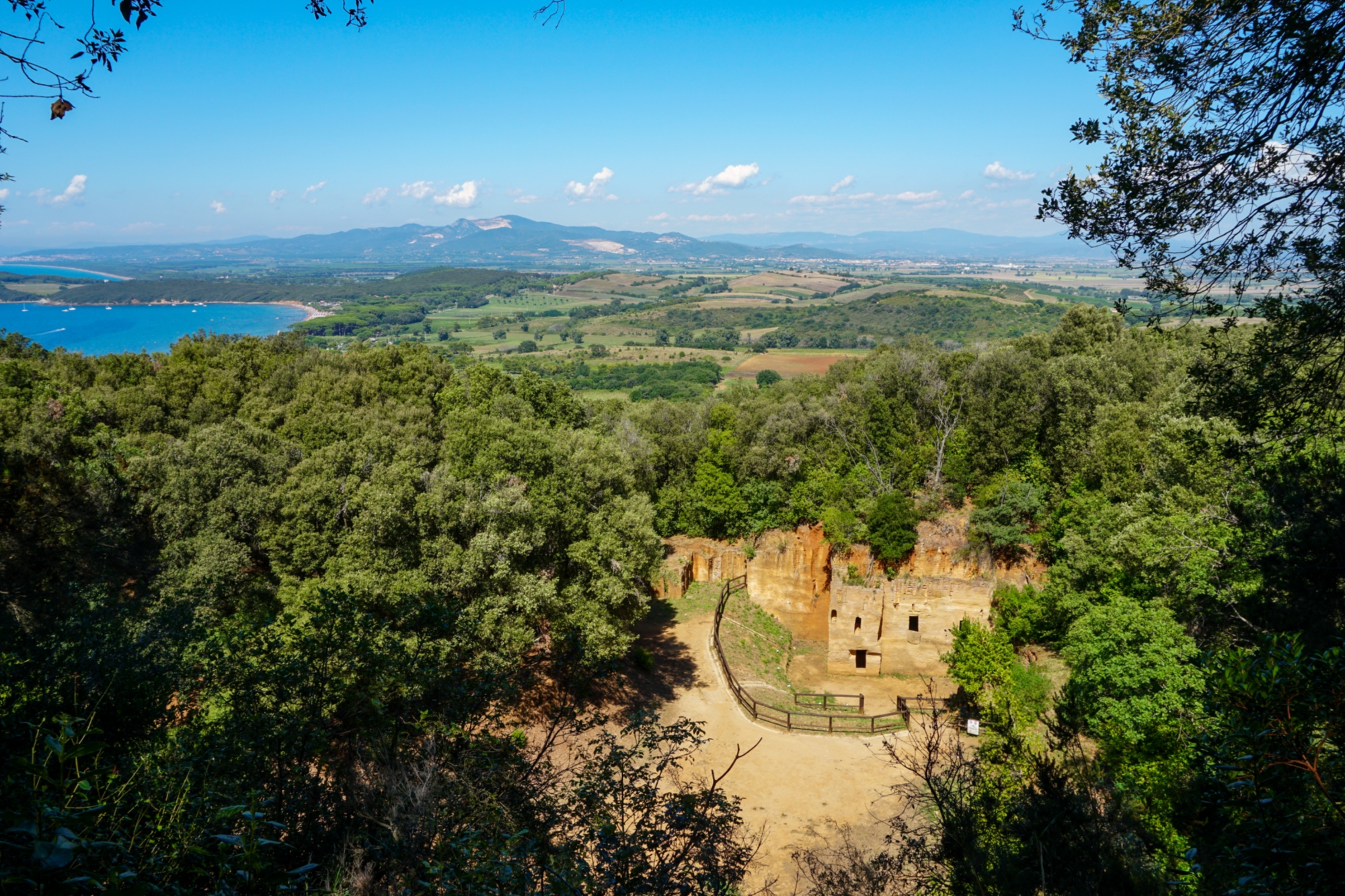
Overview of the Archaeological Park of Baratti and Populonia
Archaeological Park of Baratti and Populonia - Credit: Stefano Cannas

Piombino is the ideal starting point for discovering the Etruscan Coast.
It won’t take long to reach the Archaeological Park of Baratti and Populonia, where the great necropolis and Etruscan acropolis overlooking the sea exemplify over 2000 years of history.
Following Via dei Cavalleggeri, the old grand ducal surveillance route of the Piombino promontory, discover some of the promontory’s most fascinating bays: Buca delle Fate, Spiaggia Lunga, Fosso alle Canne and Cala Moresca, right up to Punta Falcone Park, which also houses the astronomical observatory.

1.

Be immersed in nature parks encircled by dunes, forests and wetlands

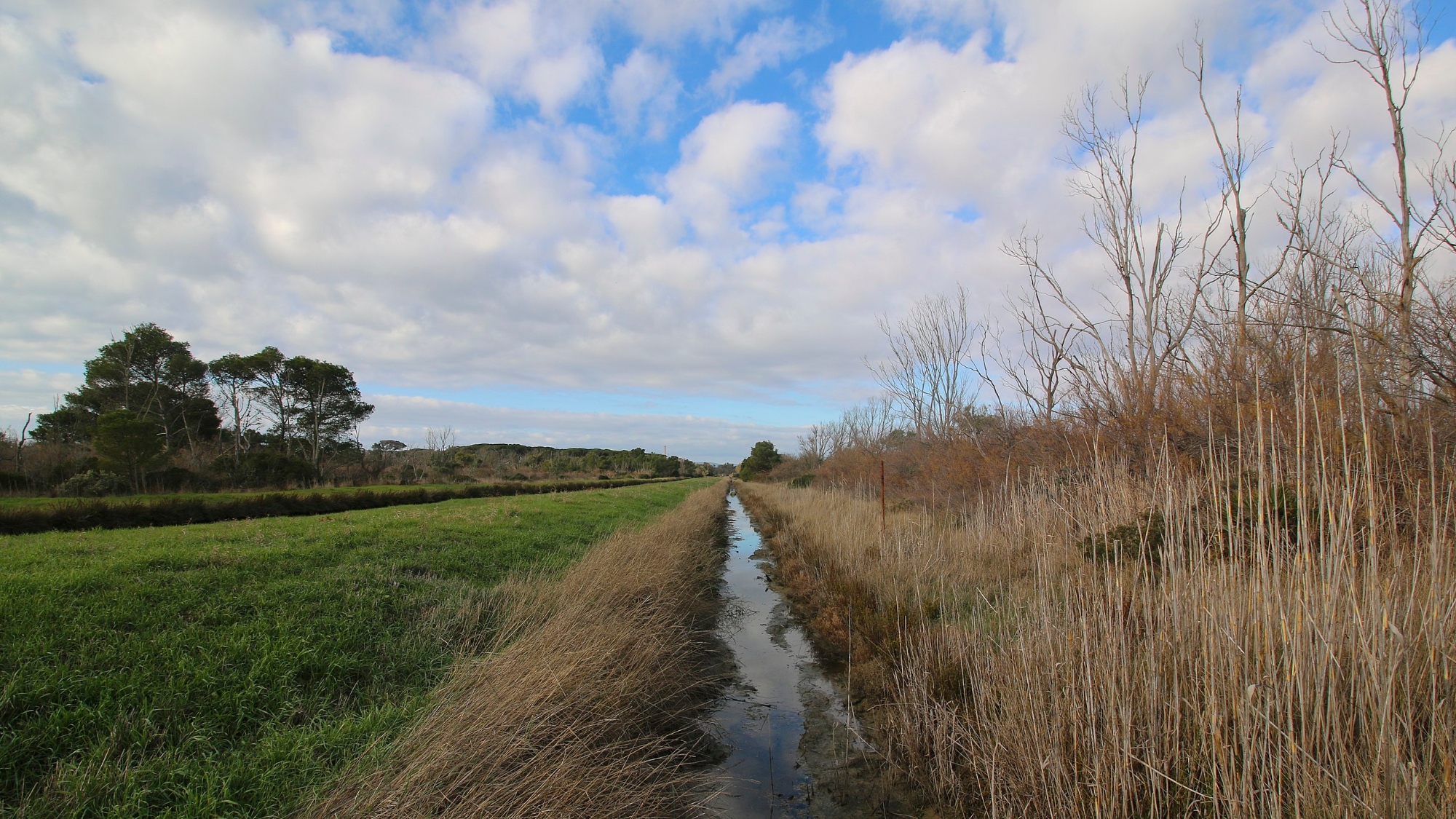
The Sterpaia Coastal Park
Sterpaia Coastal Park - Credit: Stefano Benucci

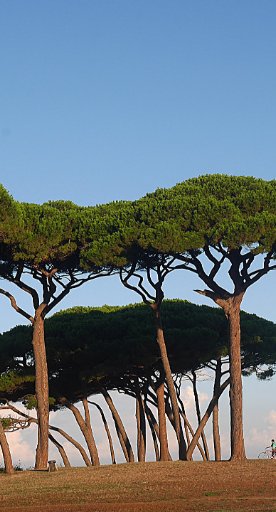
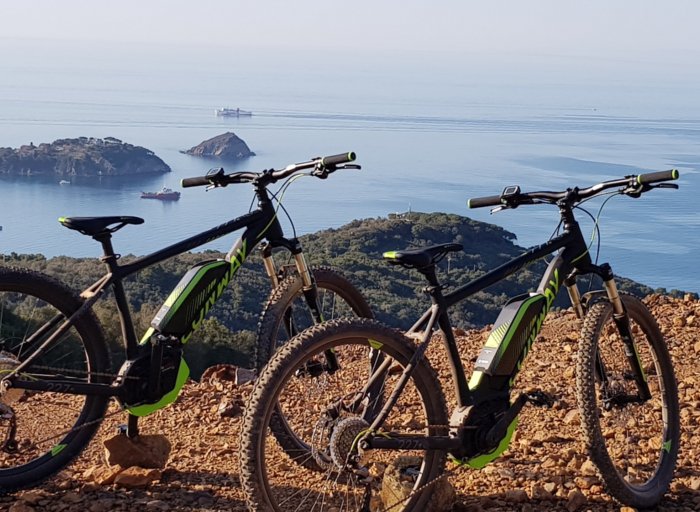
The surrounding nature delights with perfect environments for those who enjoy walking, cycling or simply breathing in the tranquility of the landscape.
The Sterpaia Coastal Park is an ideal place for a day outdoors in a landscape that that has undergone reclamation for renewed use, now equipped with essential services and designed to maintain a delicate balance between human presence and nature. Trails allow you to explore the area at leisure, amid monumental trees and incredible views.

Just a few miles away is the Montioni Interprovincial Park, a vast protected area of about 17,300 acres (7,000 hectares) where nature and history coexist in forests of holm oaks and conifers, the remnants of Etruscan and Roman settlements, medieval structures, and evidence of ancient mining activities. A hushed yet wild environment, it is populated by ungulates and numerous bird species.

Next door, the Orti Bottagone WWF Nature Reserve reveals a valuable ecosystem for fauna and biodiversity. Flat paths allow you to explore freshwater and brackish marshes, observing flamingos, herons, birds of prey and many other species in a precious and thrilling ecosystem, also perfect for birdwatchers.
1.

Enjoying local cuisine among fresh seafood and wines from Val di Cornia

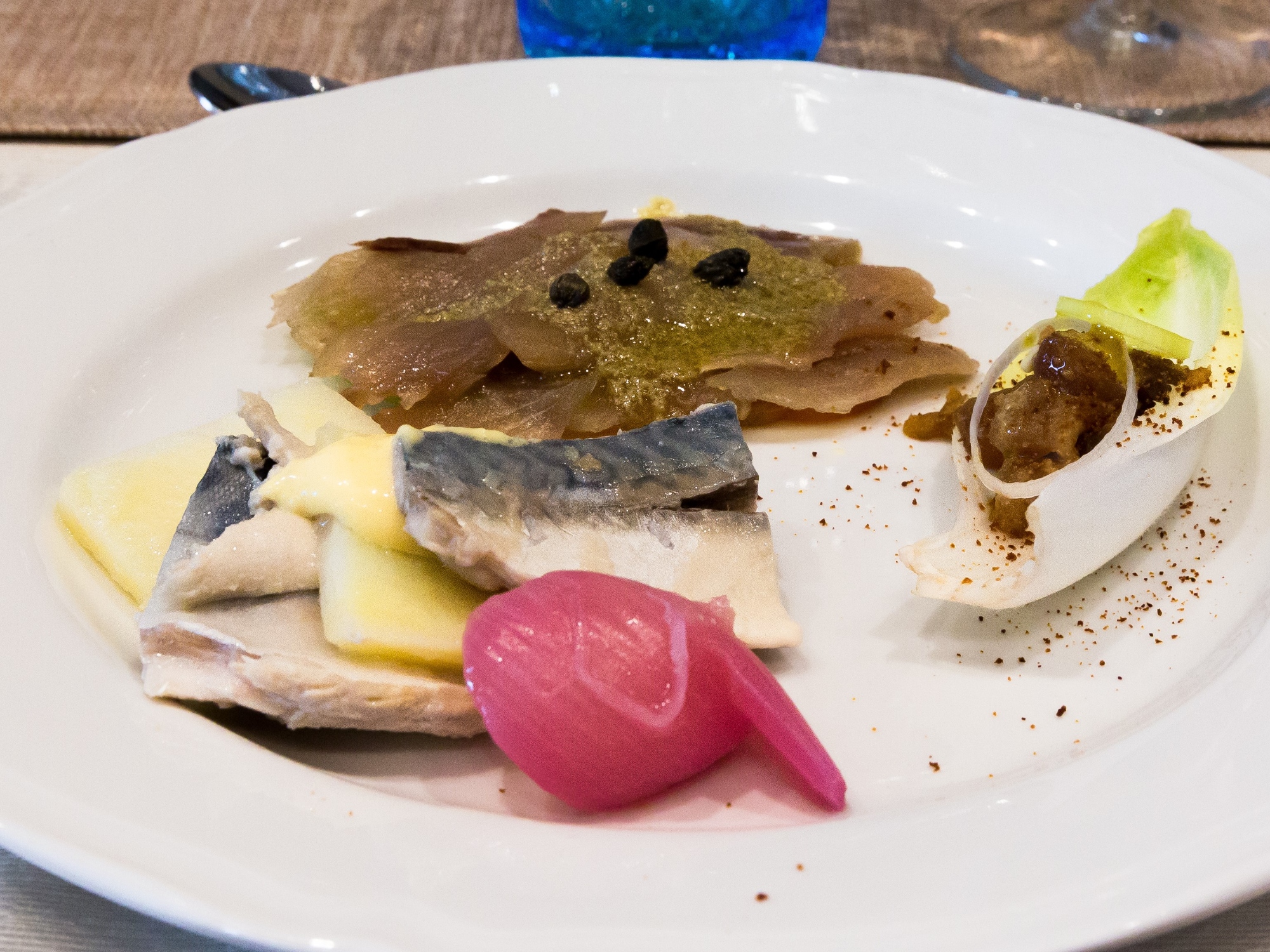
An appetizer with oily fish
Oily fish

Piombino’s gastronomic tradition is linked to the sea and its most authentic flavors. 
The fish market is renowned for palamita (Atlantic bonito), one of the most prized species on the coast between Piombino and San Vincenzo. In restaurants along the coast, you can also taste anchovies, sardines and tuna cooked according to the “poor fish” tradition or revisited with creativity. 
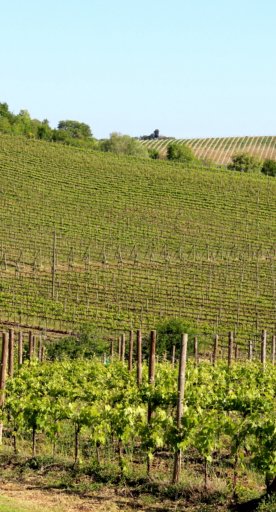
Inland, farms and wineries produce excellent extra-virgin olive oils and fine wines ideal for accompanying the traditional dishes.
Whether you walk between ancient walls, look out over the sea from a suspended piazza or taste freshly caught fish, Piombino reveals an authentic character of history, nature and deep flavors.

 A place that invites you to return always, ever following the rhythm of the sea.

What’s nearby?

Must-see places, stage-by-stage routes, events and tips for your trip
Ideas • 98 results
Itineraries • 31 results
Travelogs • 2 results