Go to main content
Castiglione d'Orcia
Photo © TPT
Photo © TPT

Castiglione d'Orcia

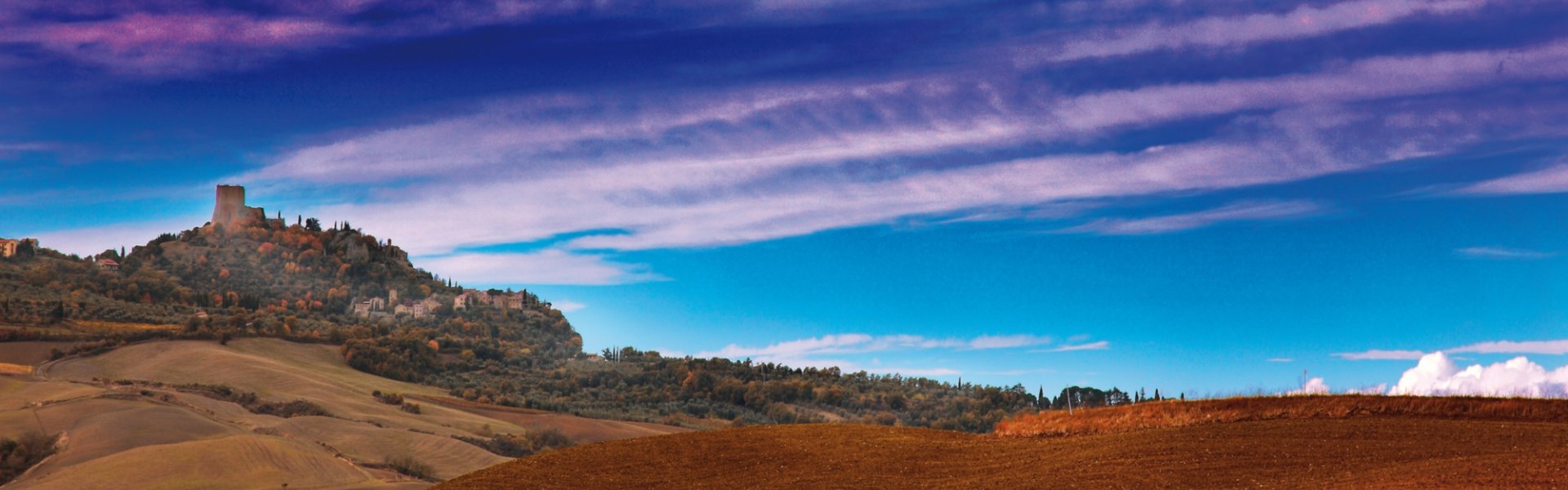
A small, timeless town, immersed in the nature of Val d’Orcia

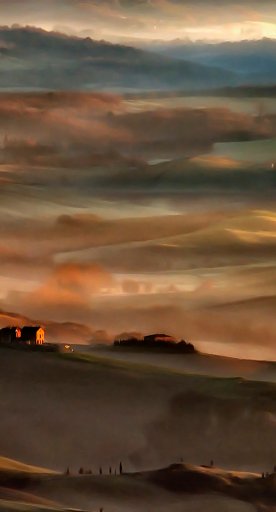
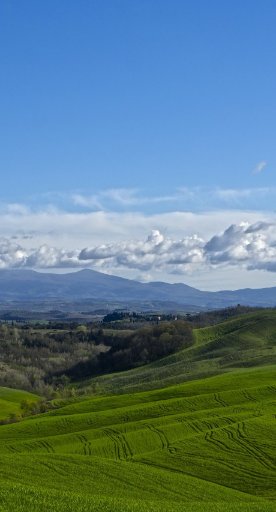
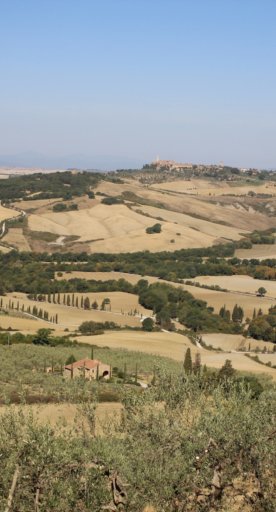
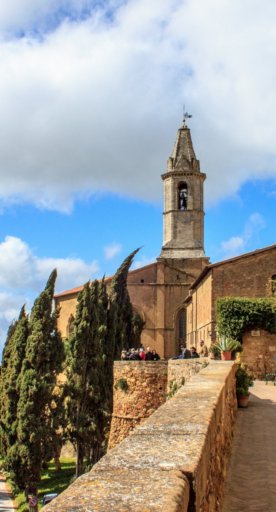
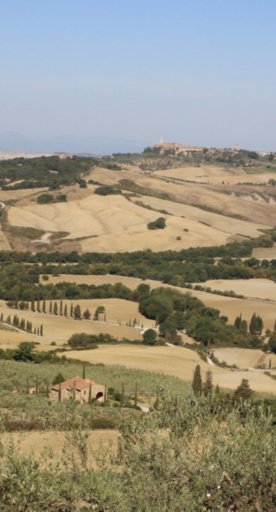
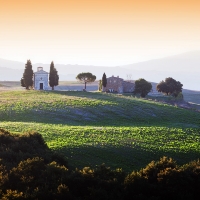
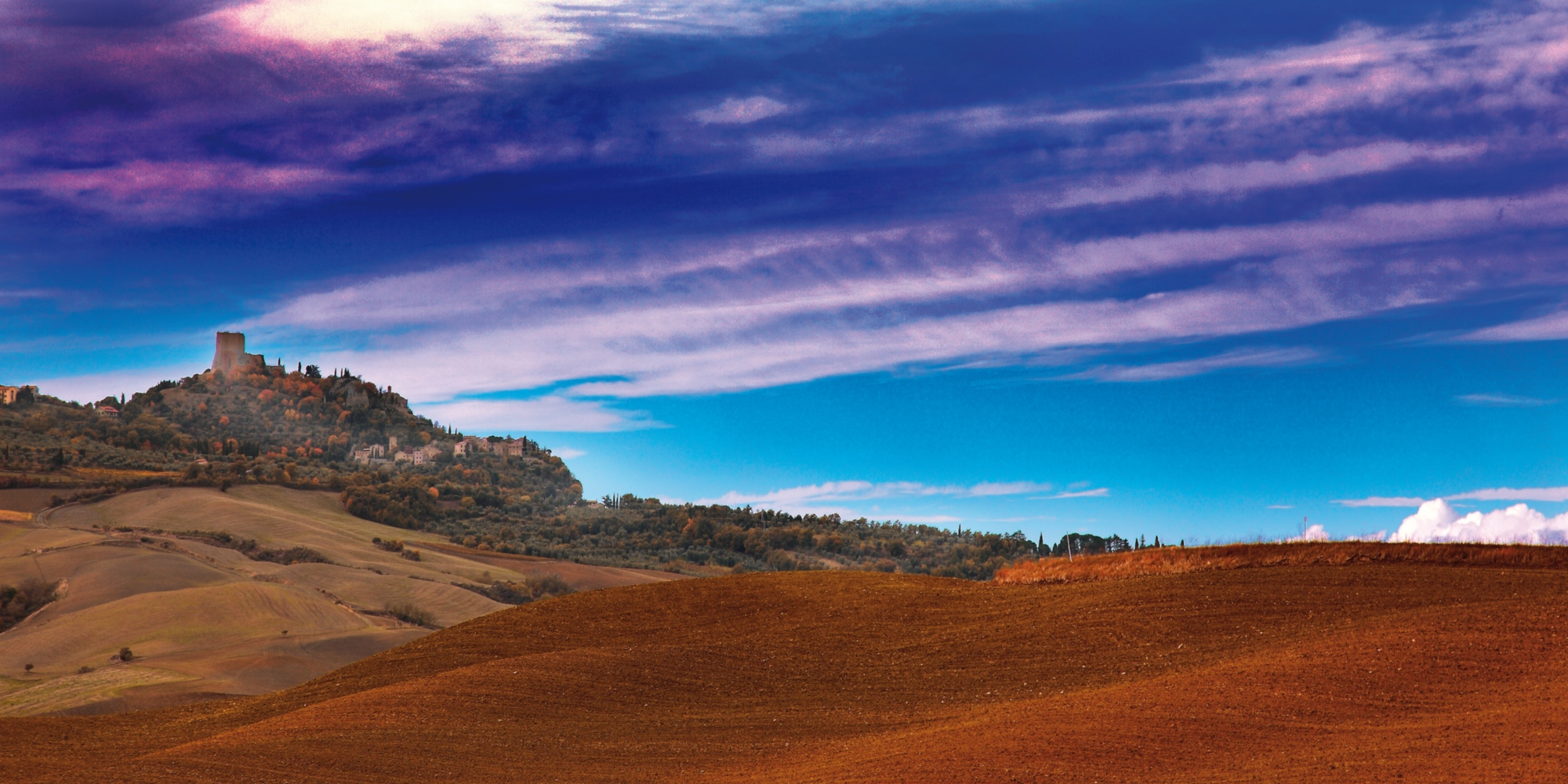
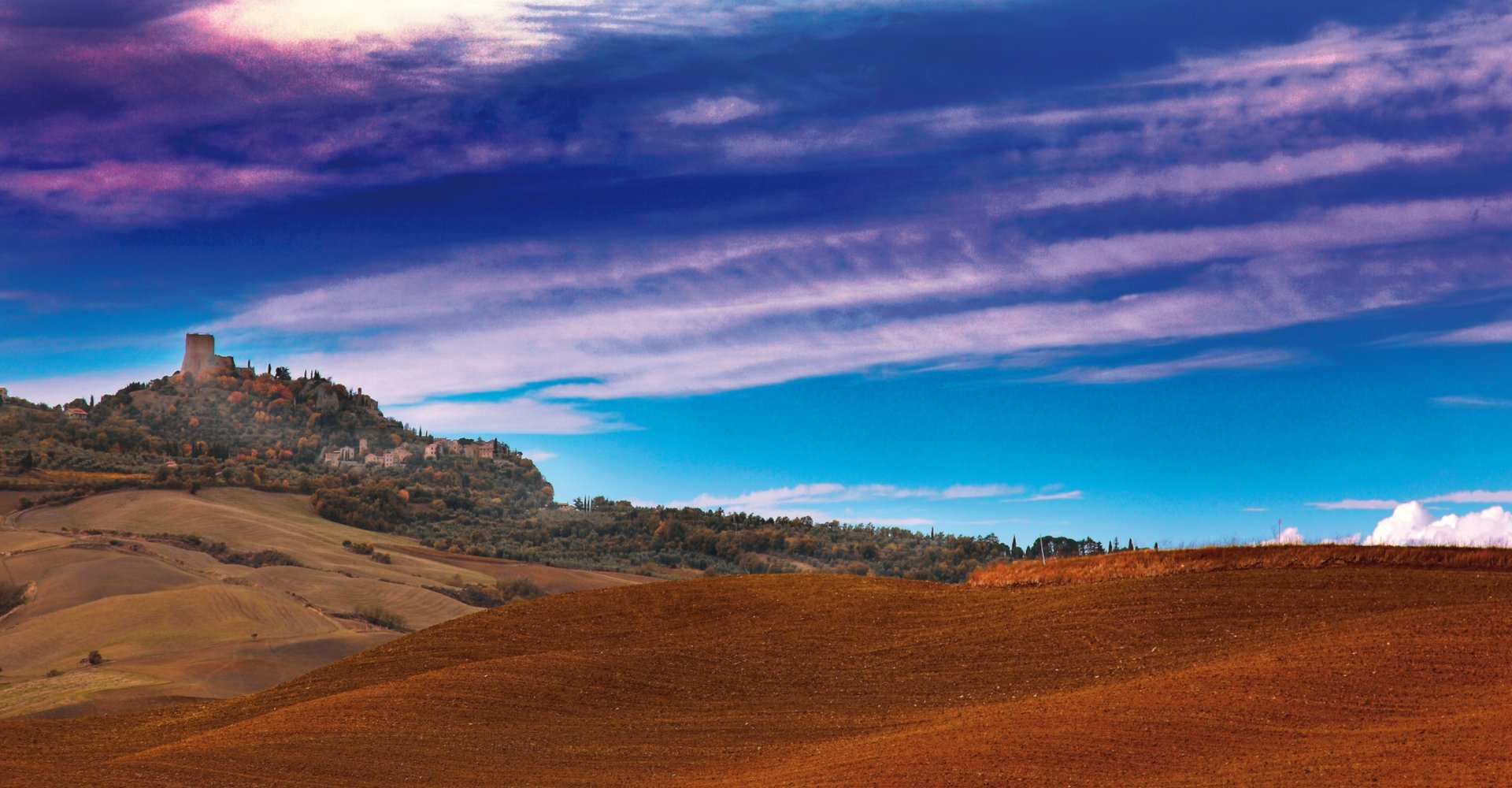
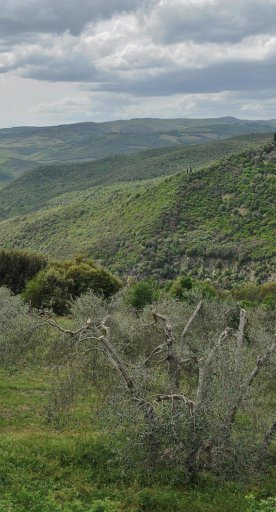
Castiglione d’Orcia is a small town immersed in the nature of Val d’Orcia, declared a World Heritage Site by UNESCO. It's composed of hills, ravines and the iconic cypress trees that crown the isolated hills or line the roads in orderly rows.

The village was first mentioned in historical documents in 714 and was initially controlled by Aldobrandeschi, but became a free municipality in 1252. In the 14th century, however, Siena took control of it, leading it to become a point of contention between Siena and the Salimbeni family.

What to see in Castiglione d'Orcia

Like the other villages in this enchanting area, Castiglione is enticing not just thanks to its beautiful landscape, but also for its numerous remarkable artistic works that are kept in its distinctive historical centre.

Piazza Vecchietta is at the centre of the village, and is dedicated to the artist Lorenzo di Pietro (1412-1480), a famous painter, sculptor and architect nicknamed ‘il Vecchietta’ who is presumed to be a native of Castiglione. The Palazzo del Comune and other medieval buildings overlook the intriguing heart of the village. Visits to the ancient church of Santa Maria Maddalena, a Romanesque stone building and the church of Santi Stefano e Degna, the most important religious building in the village, are all unmissable.

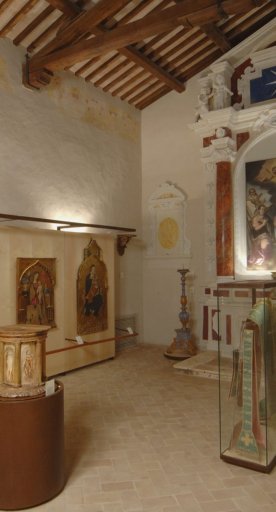
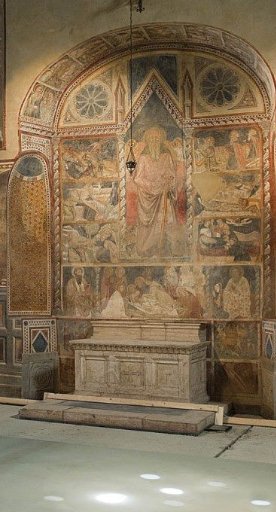
The Sala d'Arte San Giovanni, a small museum located in the former oratory of San Giovanni Battista, houses the paintings made for Castiglione and Rocca d'Orcia by some of the greatest exponents of the Sienese school in the 14th and 15th centuries: Simone Martini, Lorenzo di Pietro known as il Vecchietta and Giovanni di Paolo, with three magnificent works depicting the Madonna with Child.

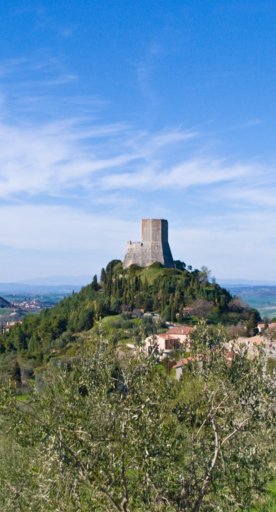
The Rocca Aldobrandesca is one of the symbolic locations of the village. The complex owes its name to the Aldobrandeschi family, who chose this strategic location to monitor the routes leading to the Val d’Orcia and the Maremma. Today, the route sets off from the historic center and leads to the ancient keep through medieval rooms, passageways and staircases. An evening visit is also quite evocative, when the lighting exalts the remnants of the fortification.

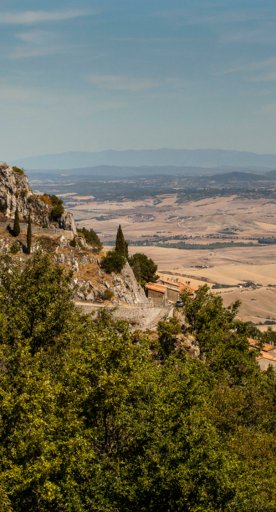
The imposing Rocca di Tentennano, in Rocca d’Orcia, dominates the landscape, rising from a limestone spur. Built in the 13ᵗʰ century by the Tignosi da Tintinnano counts, it belonged to the Sienese Salimbeni family during the 14ᵗʰ and 15ᵗʰ centuries. The impressive fortress, where Saint Catherine of Siena also stayed, had a consistently important strategic function for controlling the southern territory of the historic Sienese state.
Like the other villages in this enchanting area, Castiglione is enticing not just thanks to its beautiful landscape, but also for its numerous remarkable artistic works that are kept in its distinctive historical centre.

Piazza Vecchietta is at the centre of the village, and is dedicated to the artist Lorenzo di Pietro (1412-1480), a famous painter, sculptor and architect nicknamed ‘il Vecchietta’ who is presumed to be a native of Castiglione. The Palazzo del Comune and other medieval buildings overlook the intriguing heart of the village. Visits to the ancient church of Santa Maria Maddalena, a Romanesque stone building and the church of Santi Stefano e Degna, the most important religious building in the village, are all unmissable.

The Sala d'Arte San Giovanni, a small museum located in the former oratory of San Giovanni Battista, houses the paintings made for Castiglione and Rocca d'Orcia by some of the greatest exponents of the Sienese school in the 14th and 15th centuries: Simone Martini, Lorenzo di Pietro known as il Vecchietta and Giovanni di Paolo, with three magnificent works depicting the Madonna with Child.

The Rocca Aldobrandesca is one of the symbolic locations of the village. The complex owes its name to the Aldobrandeschi family, who chose this strategic location to monitor the routes leading to the Val d’Orcia and the Maremma. Today, the route sets off from the historic center and leads to the ancient keep through medieval rooms, passageways and staircases. An evening visit is also quite evocative, when the lighting exalts the remnants of the fortification.

The imposing Rocca di Tentennano, in Rocca d’Orcia, dominates the landscape, rising from a limestone spur. Built in the 13ᵗʰ century by the Tignosi da Tintinnano counts, it belonged to the Sienese Salimbeni family during the 14ᵗʰ and 15ᵗʰ centuries. The impressive fortress, where Saint Catherine of Siena also stayed, had a consistently important strategic function for controlling the southern territory of the historic Sienese state.
Nearby

The wonderful Natural and Cultural Artistic Park of Val d'Orcia surrounds Casitglione. It was created to protect the natural and artistic heritage of Val d'Orcia, including the territories of five municipalities: Castiglione d'Orcia, Montalcino, Pienza, Radicofani and San Quirico d'Orcia.

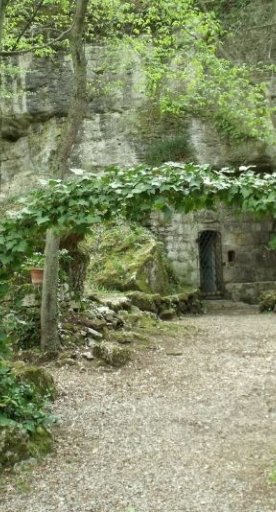
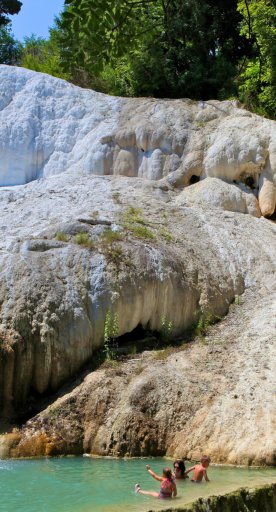
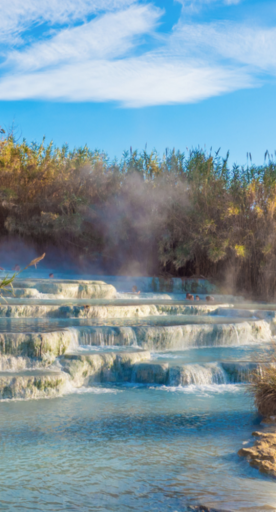
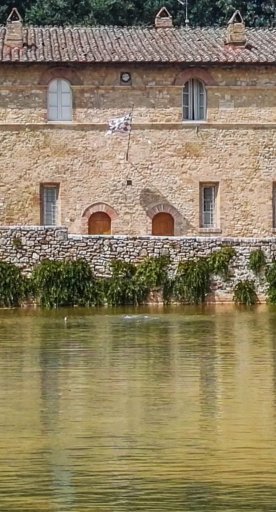
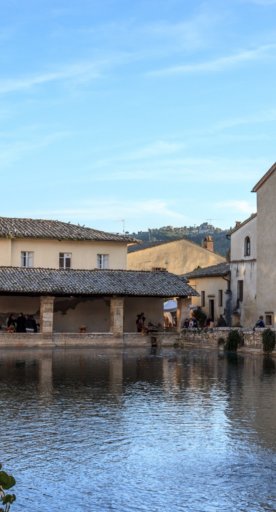
Bagni San Filippo is also relatively near Castiglione; the magnificent thermal area is well-known for the white calcareous deposits that wind through evocative paths full of greenery. The San Filippo Benizi Grotto a place of pilgrimage and prayer, is also in the hamlet.

The wonderful Natural and Cultural Artistic Park of Val d'Orcia surrounds Casitglione. It was created to protect the natural and artistic heritage of Val d'Orcia, including the territories of five municipalities: Castiglione d'Orcia, Montalcino, Pienza, Radicofani and San Quirico d'Orcia.

Bagni San Filippo is also relatively near Castiglione; the magnificent thermal area is well-known for the white calcareous deposits that wind through evocative paths full of greenery. The San Filippo Benizi Grotto a place of pilgrimage and prayer, is also in the hamlet.

Events

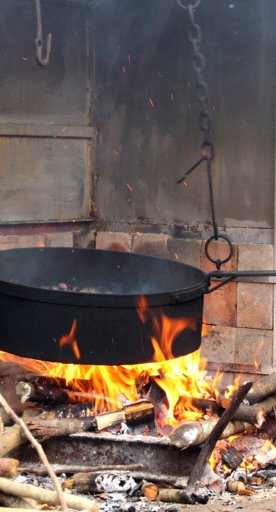
On the third Sunday of October in the village of Vivo d'Orcia, the Palio del Boscaiolo takes place. The event is aimed at revitalising the authentic lumberjack traditions. The race between the two districts involves cutting logs, and the competition is over when all six competitors of each district are sat at their table with polenta in their bowls. The Mushroom and Chestnut Festival is also organized during October in this small town.

On the third Sunday of October in the village of Vivo d'Orcia, the Palio del Boscaiolo takes place. The event is aimed at revitalising the authentic lumberjack traditions. The race between the two districts involves cutting logs, and the competition is over when all six competitors of each district are sat at their table with polenta in their bowls. The Mushroom and Chestnut Festival is also organized during October in this small town.

Typical products

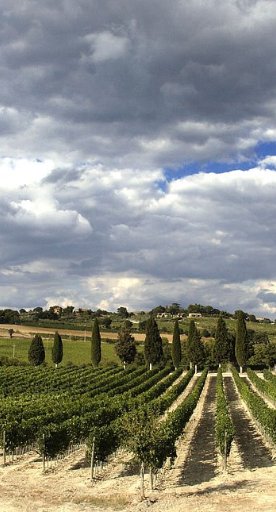
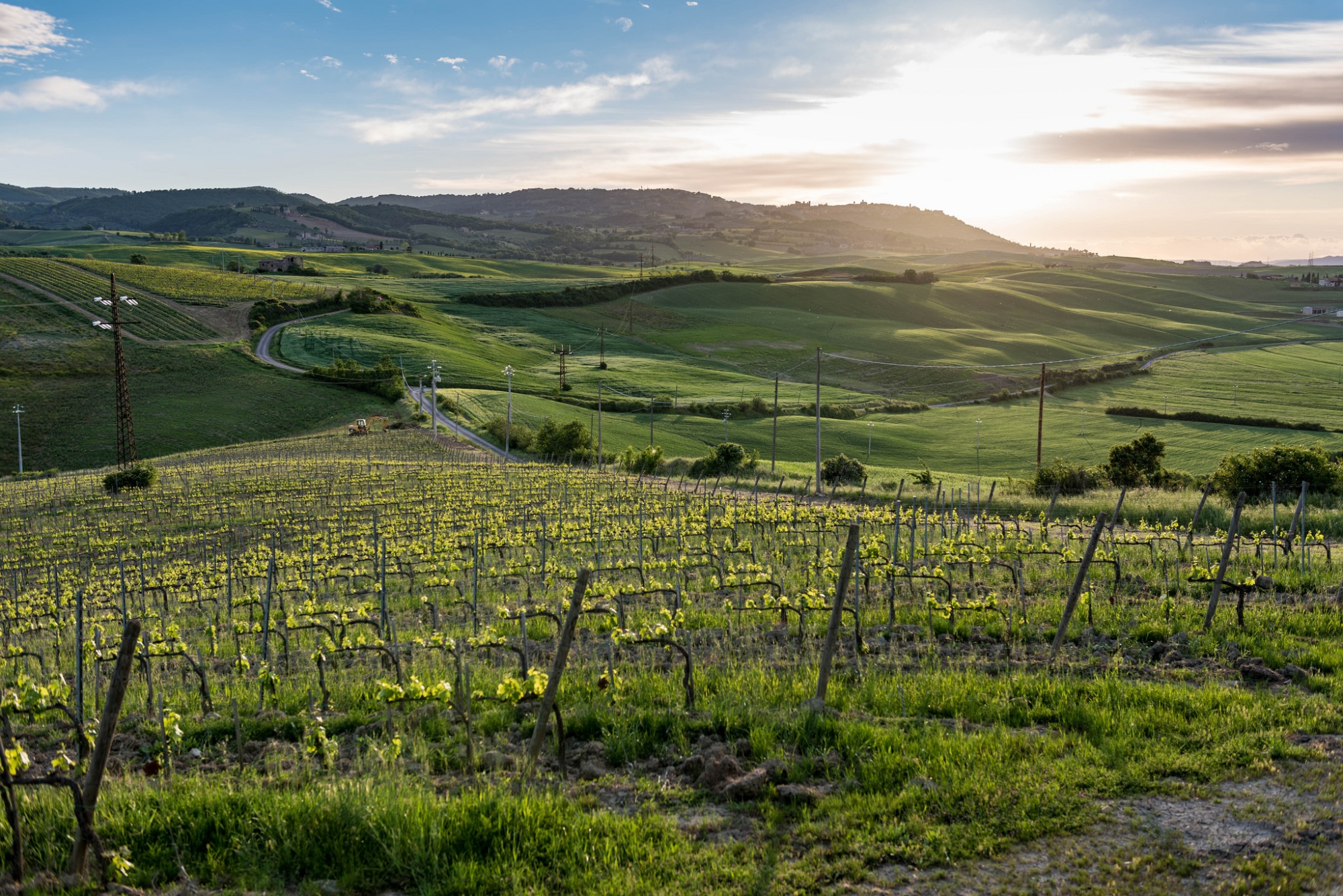
The Orcia Wine Trail passes by Castiglione d’Orcia; the route is characterized by its lovely hilly surroundings in which you’ll discover unique landscapes and all the area’s typical products, such as the DOC Orcia Wine and the Extra Virgin Olive Oil, certified DOP Terre di Siena.

The Orcia Wine Trail passes by Castiglione d’Orcia; the route is characterized by its lovely hilly surroundings in which you’ll discover unique landscapes and all the area’s typical products, such as the DOC Orcia Wine and the Extra Virgin Olive Oil, certified DOP Terre di Siena.

What’s nearby?

Must-see places, stage-by-stage routes, events and tips for your trip

Val d’Orcia

Val d’Orcia
Exploring spectacular scenery dotted with fortresses, villages and vineyards
Show more