The Archaeological Area of Roselle
Just beyond Grosseto, a journey through the remnants of Etruscan and Roman civilization in the heart of the Maremma
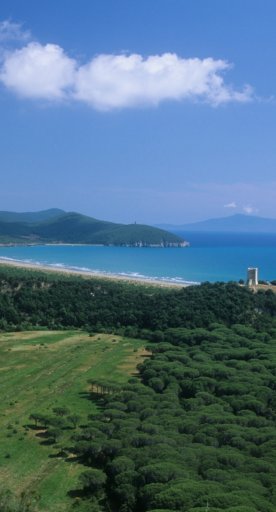
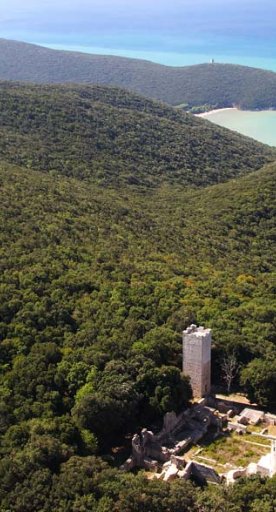
Just a few miles from Grosseto, in the Maremma hills, the Archaeological Area of Roselle is home to the ruins of one of the most important cities of ancient Etruria. A place where over 2000 years of history are revealed through imposing walls, ancient streets, dwellings and monuments.
Built in a strategic location on 2 hills separated by a small valley, not far from ancient Vetulonia and the mouth of the Ombrone River, Roselle was a thriving Etruscan town, before being conquered by the Romans in 294 B.C., according to the account of the historian Titus Livius. The city remained inhabited for many centuries, until its gradual decline, culminating in 1138 with the transfer of the bishop’s seat to Grosseto.
The 1ˢᵗ archaeological explorations date back to the late 19ᵗʰ century but it was during the 20ᵗʰ century, thanks to systematic excavation campaigns, that important evidence of the ancient settlement came to light.
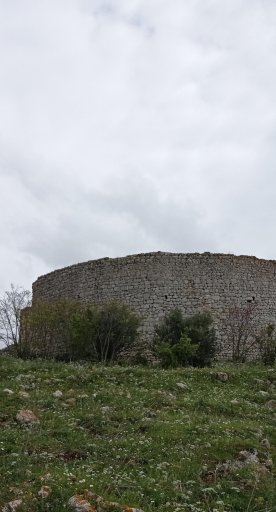
Today, the tour takes visitors through the various eras of Roselle’s history, beginning with the monumental Etruscan city walls, dating back to the 6ᵗʰ century B.C., extending over 3 kilometers or 1.86 miles in length and, in some sections, reaching up to 5 meters or 16.4 feet high. Constructed with large stone blocks, this is one of the most striking examples of the ancient city.
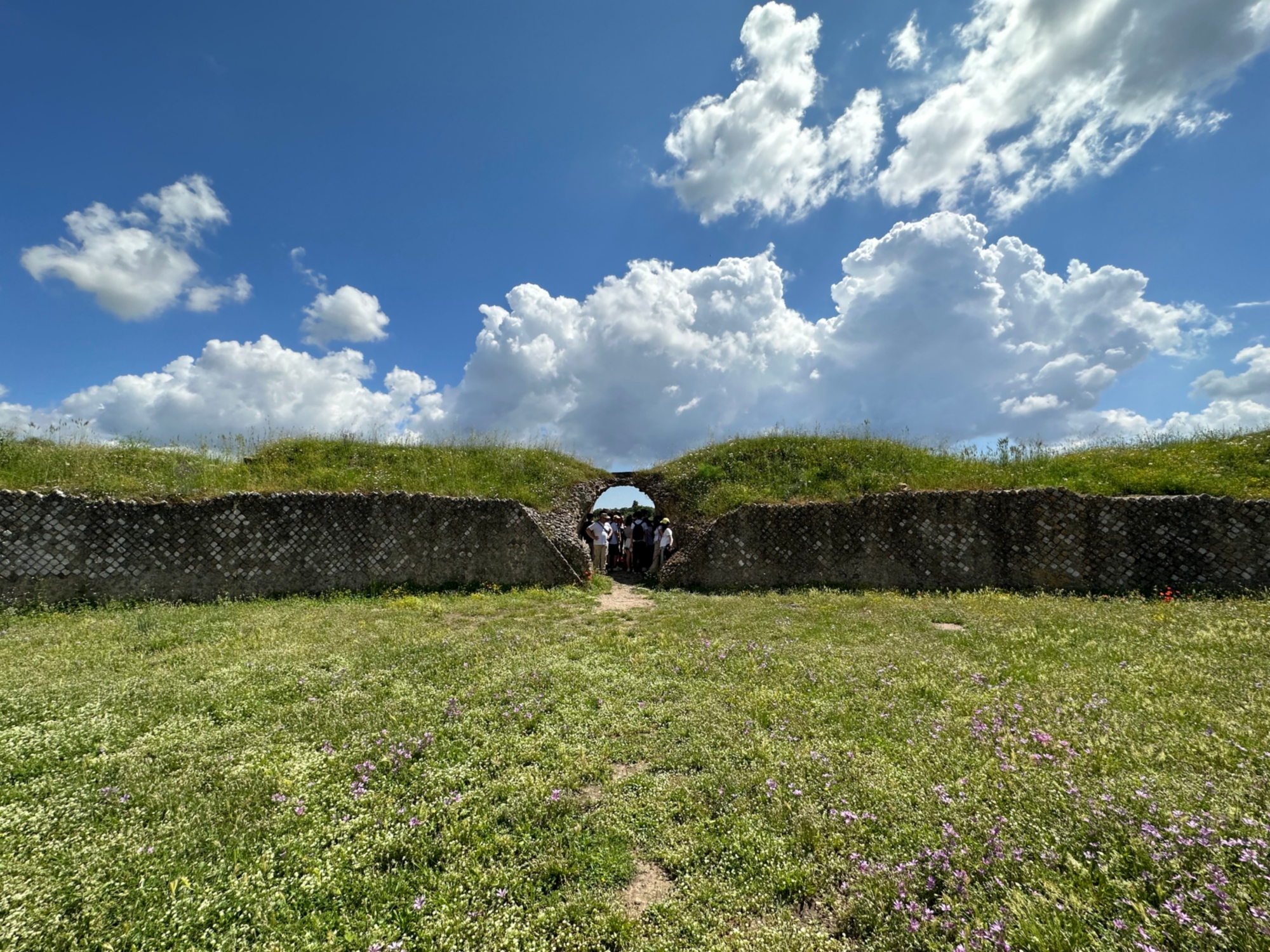
Continuing through the ruins of the Roman settlement, you’ll come across the Forum, the Cardo Maximus, the Imperial-era Basilica and the ancient stately residences (such as the Domus dei Mosaici), which offer insight into the city’s urban layout and daily life. On one of the hills are the remnants of a small amphitheater and several thermal baths.
The deepest excavations have yielded important evidence of Etruscan Roselle, including dwellings and artisan workshops dating to the 7ᵗʰ–6ᵗʰ centuries B.C., providing valuable insights into the activities and traditions of its ancient inhabitants. The ongoing excavations, rather, are focused on unearthing an early-Christian Basilica with an adjoining cemetery.
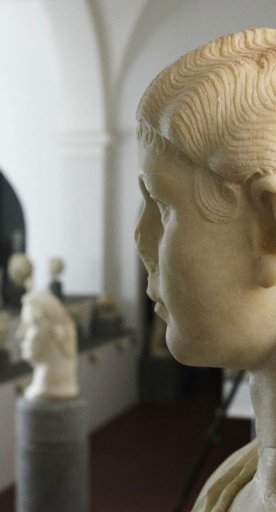
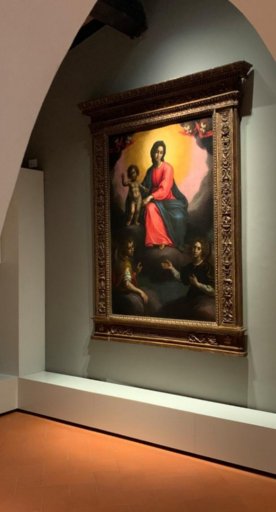
To learn more about the site’s history, the tour can continue to the Maremma Archaeological and Art Museum (MAAM) in downtown Grosseto, where numerous artifacts from the excavations are on display, documenting the city’s evolution over the centuries.
For information, check out museidimaremma.it.