Photo © Heirs of Josephine N. Hopper/SIAE
Photo © Heirs of Josephine N. Hopper/SIAE
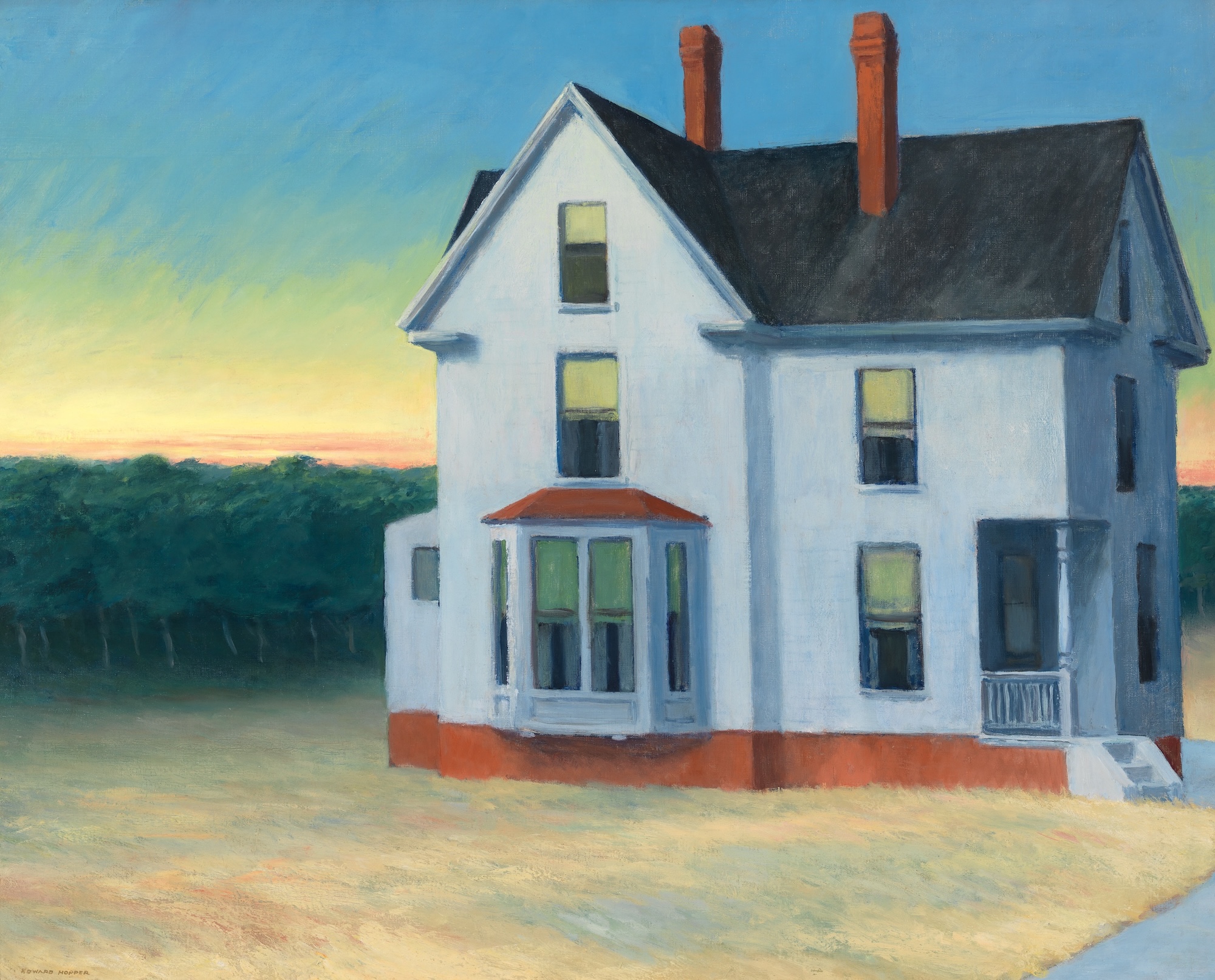
From October 14, 2026, through March 7, 2027, Palazzo Blu in Pisa is hosting Edward Hopper, a major international exhibition dedicated to a leading figure in 20ᵗʰ-century American painting.
The exhibition brings together more than 150 works from the collections of the Whitney Museum of American Art, counting oil paintings, drawings, etchings, watercolors and other works spanning the artist’s entire career. The exhibition then includes comparative works by his contemporaries and materials from the Sanborn Hopper Archive, which the Whitney Museum acquired some 10 years ago, including documents, correspondence, photographs, diaries and printed materials.
The exhibition tells the story of Hopper’s work through the places that shaped his development and his imagination. New York, where the artist lived for nearly 60 years, is the center of his work and his visual exploration. Paris, where he stayed on 3 separate occasions, represents his encounter with European modernity. New England, on the other hand, becomes a space for observation and experimentation with the American landscape.
Through this geographical and chronological journey, the exhibition highlights how Hopper created one of the most recognizable visions of the 20ʰ century: a style of painting based on observation of reality, the use of light, the construction of space and a streamlined compositional balance.
The exhibition pathway is comprised of 5 sections: Early Days, Paris, New York, New England then Jo and Edward. This final section is devoted to the role of Jo Hopper, fellow artist and Edward’s wife, who played a central role in the artist’s life and in preserving the legacy of his work. Through notes, drawings and documentary materials, Jo helped snapshot and reconstruct her husband’s creative journey.
The exhibition thus offers a comprehensive exploration of Hopper’s work, not limited to his most famous paintings but open to the relationship between places, personal experiences, rapports and the creative process.