Giovanni Fattori Civic Museum of Livorno
A collection of art from Livorno and Tuscany displaying works by the Macchiaioli artists
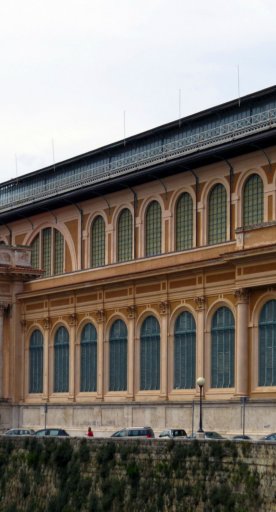
The Giovanni Fattori Civic Museum houses a rich collection of art from Livorno and Tuscany in the rooms of Villa Mimbelli, which became the museum’s home in 1994. The collections, which include paintings, sculpture and graphic art, take visitors on a journey through the art of Livorno and Tuscany from the mid-19ᵗʰ century to the 1940s, featuring significant groups of artists from Livorno and Tuscany. Among them, Giovanni Fattori stands out, with some 50 works on display, alongside Vittorio Corcos, Plinio Nomellini, Silvestro Lega, Telemaco Signorini and Giovanni Boldini. Villa Mimbelli, home of the museum, was constructed to be the residence of Francesco Mimbelli, a merchant who had come to Livorno for business reasons. The project was entrusted to Architect Vincenzo Micheli. The building, completed in 1868, still preserves many of the original frescoes and adornments created by Annibale Gatti and the Livorno brothers Pietro and Giuseppe Della Valle. The villa spans 3 floors and features an eclectic style, still housing rooms such as the green sitting room, the Moorish room and the billiards room. Among the most significant features of the interior is the monumental staircase, decorated with ceramic cherubs inspired by sculptures of the Della Robbia family. The park extends around the building, where the former granaries—now used for temporary exhibitions—and an art library are located.
Exhibition Itinerary
The exhibition follows a chronological overview of the works and artists, extending from the ground floor to the 2ⁿᵈ floor. The tour thus spans the decades from the mid-19ᵗʰ century to the 1940s, when World War II and the collapse of Fascism marked a sharp break in the development of the arts in Italy.
On the ground floor, following the works by Enrico Pollastrini, visitors will find the large double-sided painting by Giovanni Fattori. One side depicts a scene from Medici history, Clarice Strozzi Tells Ippolito and Alessandro de’ Medici to Leave Florence, which remained unfinished in 1859; on the other, an episode from contemporary history, A Cavalry Charge at Montebello, completed in 1862. The work marks the beginning of the exhibition dedicated to Fattori’s artistic career.
On the 1ˢᵗ floor, there is an extensive selection of paintings and drawings by Giovanni Fattori on display. Among these, you immediately encounter Assault on the Madonna della Scoperta, another great masterpiece by the artist in the genre of military painting.
Next are paintings by leading figures in the Macchia movement, including Silvestro Lega, Telemaco Signorini, Vincenzo Cabianca, Serafino De Tivoli, Cristiano Banti and Giovanni Boldini.
The program perfectly concludes with Cesare Bartolena’s The Volunteers from Livorno, a magnificent work on the theme of the Risorgimento that finds its counterpart in Fattori’s historical compositions.
The 2ⁿᵈ section begins with a comparison between Giovanni Fattori and his student Plinio Nomellini, only to continue with a selection of Nomellini’s works. The work Incipit Nova Aetas is then displayed on the 1ˢᵗ floor, since its colossal size prevents it from being moved to the spaces dedicated to the painter. The rooms to follow trace the history of painting in Livorno during the transition from the 19ᵗʰ to the 20ᵗʰ century, with in-depth sections dedicated to the 3 Tommasi brothers — Adolfo, Angiolo and Lodovico — along with Leonetto Cappiello and his time in Paris, to the fashionable portraiture of Vittorio Corcos and Michele Gordigiani, in visual contrast with the socially conscious painting of Raffaello Gambogi, represented by Gli Emigranti.
The last room is dedicated to the Post-Macchiaioli, who reinterpreted the tradition of the 19ᵗʰ-century masters in light of new artistic explorations of the 20ᵗʰ century. The exhibition opens with an early work by Amedeo Modigliani and continues with pieces by Oscar Ghiglia, Mario Puccini, Giovanni Bartolena, Lorenzo Viani and Renato Natali, culminating in an image based on a photograph by Miniati from May 1943, which symbolically marks the end of an era along with the survival of Fattori’s artistic legacy in Livorno.
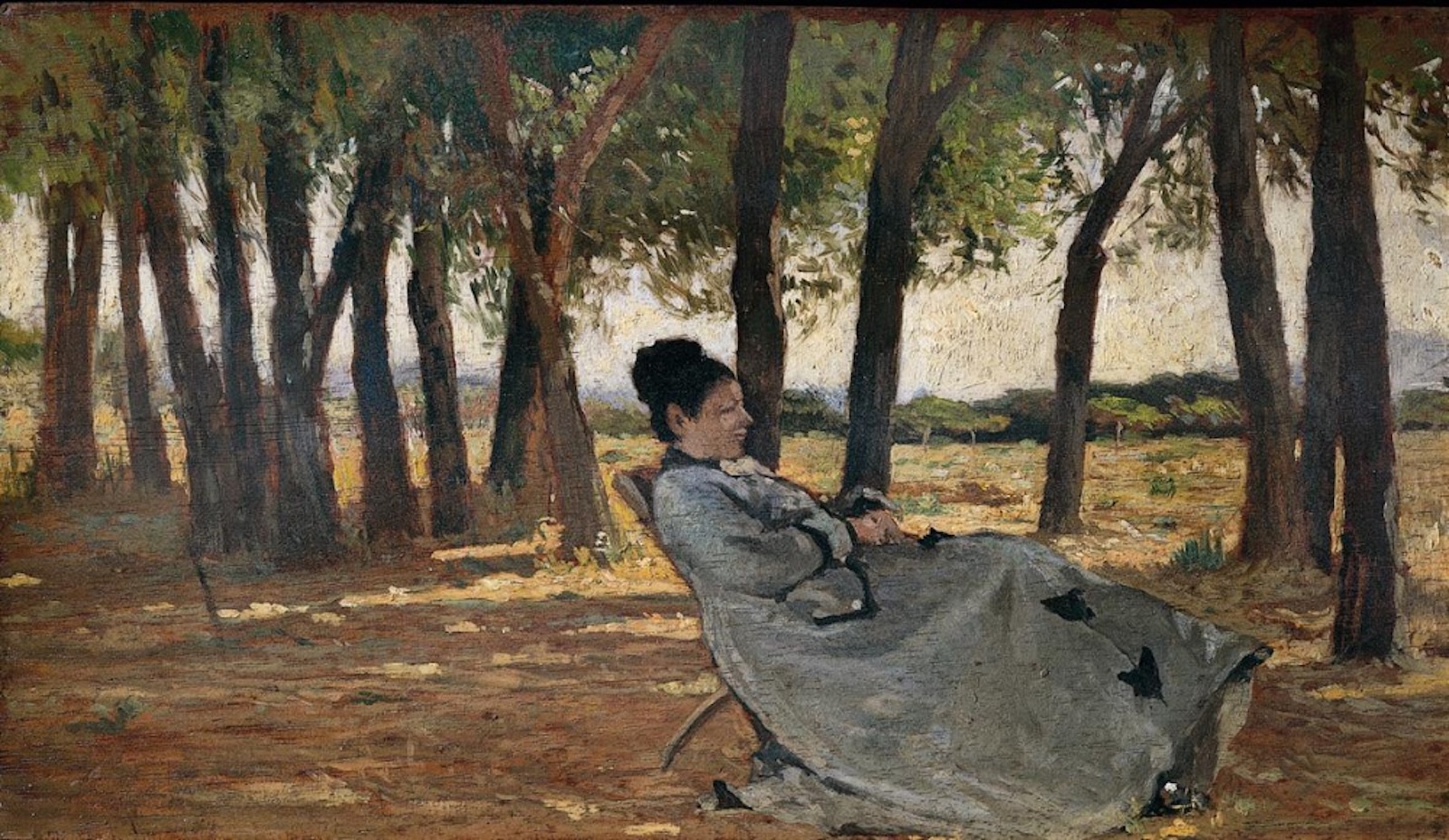
Giovanni Fattori, after whom the museum is named, was born in Livorno in 1825 and died in Florence in 1908. He developed a painterly style that rejected traditional contoured lines and chromatic shading in favor of concise brushstrokes and patches of color, from which derives the term “Macchiaioli” (from “macchie”, being patches or spots). Among his works housed in the museum are Mandrie Maremmane, La Signora Martelli a Castiglioncello and La Torre Rossa.
For information on accessibility, visit museofattori.livorno.it.