The Renato Fucini Rooms
In Monterotondo Marittimo, a storytelling museum dedicated to the Tuscan writer and his connection to Maremma
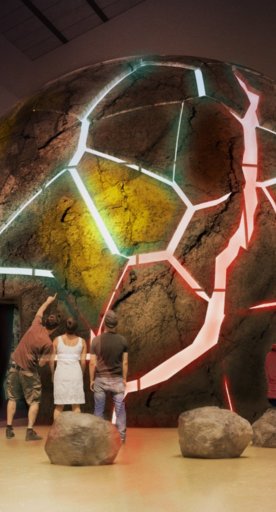
In the heart of Monterotondo Marittimo, the museum dedicated to Renato Fucini unfolds as a story told room by room, where the writer's life and works take shape through evocative settings, texts, images and objects. Not just an exhibition space, but a storytelling museum, capable of evoking the voice, gaze and wit of one of late 19th-century Tuscany’s keenest observers.
The itinerary is organized into thematic rooms that introduce visitors to Fucini: the man, the poet and the intellectual deeply connected to Maremma and its people. Upon entering the first room, we are greeted by a stack of suitcases, perhaps suggesting that the protagonist, the owner of those bags, was a great traveler. As we approach, we find names of villages and cities not too far from Monterotondo Marittimo, where the writer was born, written on each side, with the sole exception of Naples. The suitcases mark the stages of Renato Fucini’s life, starting from his birthplace. When opened, they light up, revealing objects, texts or books linked to the place, his childhood and the life events he experienced in that historical period.
A large metal closet stands in the same room, its outline suggesting a well-made piece of furniture, undoubtedly from an affluent or middle-class home of the time, an environment to which Renato Fucini himself belonged. However, the items placed in the compartments tell a different story. They are simple, well-worn tools from a rural world. These are implements for working the land, leading us straight to the writer's most-cherished themes.
Leaning against the wall next to the closet is a small table. There is a large notebook with blank sheets of paper resting on it, resembling a diary waiting to be written. In fact, as you approach, words start to appear on the page, accompanied by Fucini's surprising wit, in the story in which he shares the spotlight with Giosuè Carducci.
An entire room is devoted to the theme of vigils. Through his most representative works, Fucini himself appears to suggest the model of spoken text and orality. The idea came from the title of the renowned short story collection Le Veglie di Neri (Neri’s Evening Vigils). To bring the old stove standing in the middle of the room to life, excerpts from the winners of the nationwide Fucini Prize, established in 2014, were chosen.