Go to main content
punta ala

Punta Ala

A vacation combining beaches, luxury and relaxation near Castiglione della Pescaia

Punta Ala, in the province of Grosseto, owes its name to the famous aviator Italo Balbo who had purchased several villas here and in the surrounding area. Originally, this renowned tourist destination was called Punta Troia, taking its name from the promontory on which Castello Balbo—also known as Forte di Punta Ala—stands.

What to see in Punta Ala

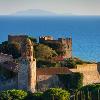
Starting from the gulf of Follonica, not to be missed is the Castello Balbo or Punta Ala Fort dating back to the 2ⁿᵈ half of the 16ᵗʰ century, built at the behest of the Grand Dukes of Tuscany to defend against the constant Turkish raids. The fort offers a spectacular view of the gulf, the harbor and some curiously shaped rocks, known as the “Porcellini,” as well as the islet of Sparviero.

Another interesting defensive structure is the Hidalgo Tower, also known as the Torre del Barbiere, built by the Principality of Piombino in 1577 as a coastal lookout.

Punta Ala is equally known for its religious buildings, such as the Chapel of Sant’Antonio and the Signora della Consolata Church built in a modern style in 1961 and designed by architects Piemontese and Di Salvo.

Standing out along the coast are several villas built in Punta Ala between the 1960s and 1980s, which can be viewed from the outside, such as the Villa Lorenzini, the Villa Di Salvo and the Villa Rusconi-Quiriconi

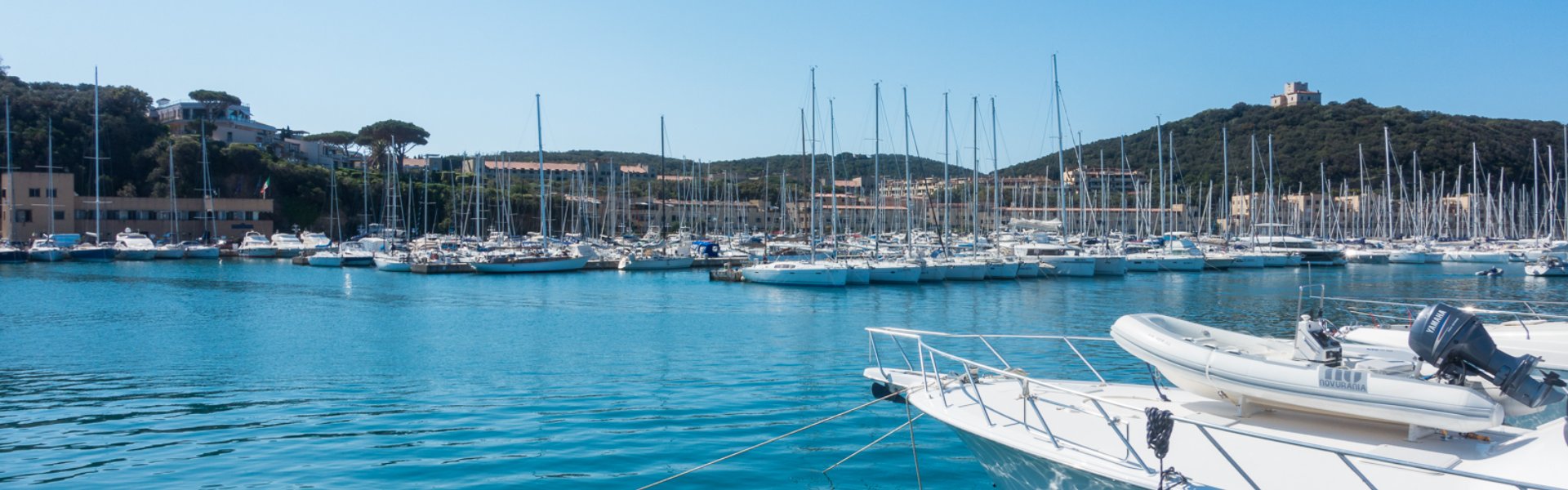
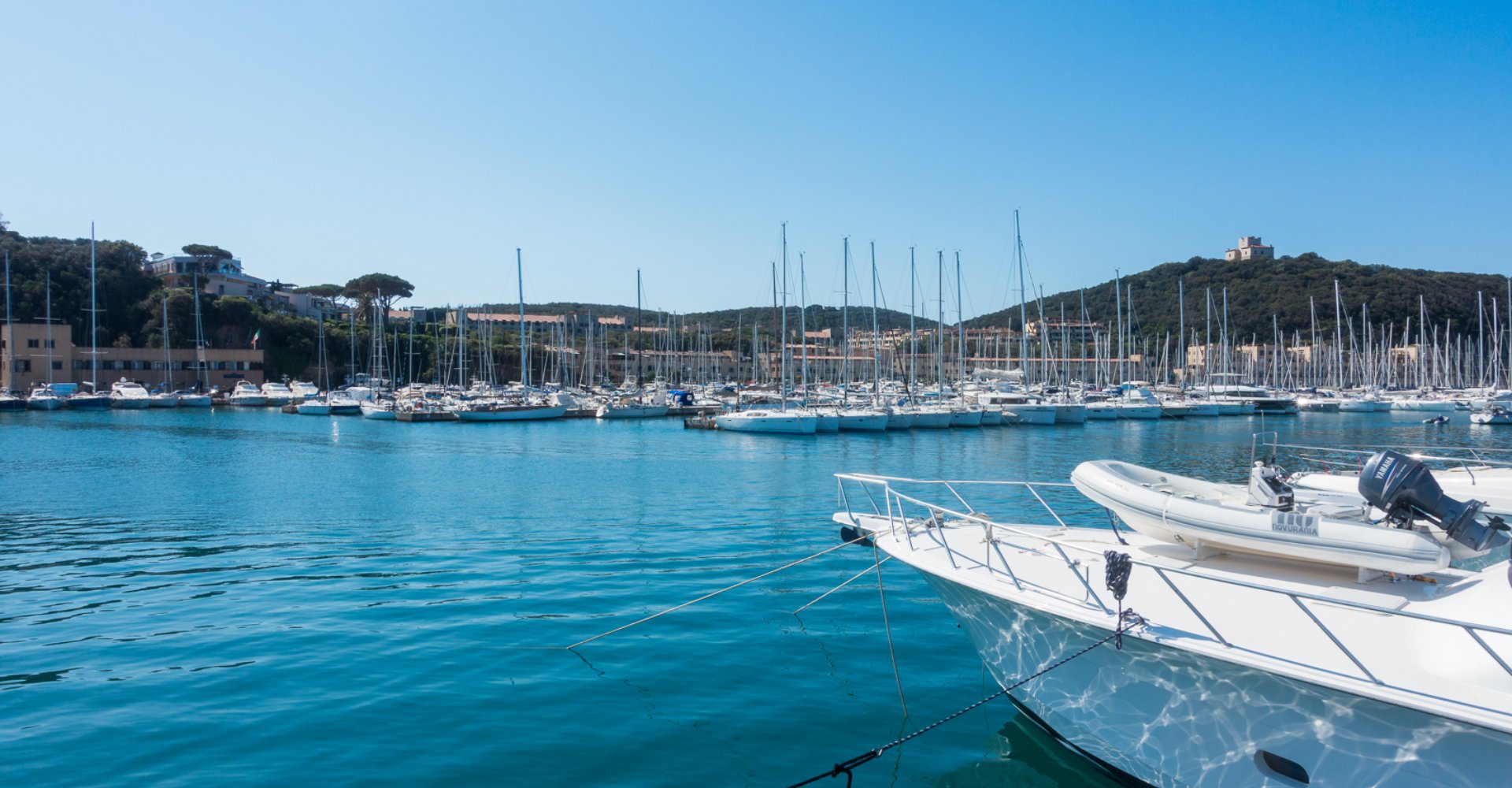
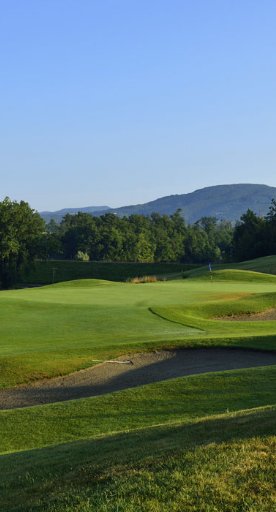
Sports enthusiasts won’t be disappointed either. For golfers, we recommend a visit to the Golf Club Punta Alta. In addition, the area is famed for its sailing tradition and for its fully equipped Marina di Punta Ala that was once home to the Luna Rossa, the historic yacht that competed in the 2000 America’s Cup. 

In Punta Ala, true lovers of the sea will find a wide variety of options, from vast sandy beaches to small coves. 

Among the longest is the public beach at Punta Ala, which stretches for around 3.7 miles or 6 kilometers, all the way to the famous Cale Civette and Cala Violina. This sandy beach, with patches of Mediterranean scrub and pine forest, counts several beach establishments, parking lots and pedestrian access points. 

Then there is the Spiaggetta del Porto, located near the marina. Surrounded by rocks, it is operated by a beach club so is accessible only in conjunction with renting a beach umbrella and sun lounger. Near the center is yet another beach, Cala Barbiere, which is easily accessible via a trail that starts from a gravel parking lot. Harder to reach are

Cala Tartana and Cala Tartanella, which nonetheless offer breathtaking views and are ideal for a boat trip.
Starting from the gulf of Follonica, not to be missed is the Castello Balbo or Punta Ala Fort dating back to the 2ⁿᵈ half of the 16ᵗʰ century, built at the behest of the Grand Dukes of Tuscany to defend against the constant Turkish raids. The fort offers a spectacular view of the gulf, the harbor and some curiously shaped rocks, known as the “Porcellini,” as well as the islet of Sparviero.

Another interesting defensive structure is the Hidalgo Tower, also known as the Torre del Barbiere, built by the Principality of Piombino in 1577 as a coastal lookout.

Punta Ala is equally known for its religious buildings, such as the Chapel of Sant’Antonio and the Signora della Consolata Church built in a modern style in 1961 and designed by architects Piemontese and Di Salvo.

Standing out along the coast are several villas built in Punta Ala between the 1960s and 1980s, which can be viewed from the outside, such as the Villa Lorenzini, the Villa Di Salvo and the Villa Rusconi-Quiriconi

Sports enthusiasts won’t be disappointed either. For golfers, we recommend a visit to the Golf Club Punta Alta. In addition, the area is famed for its sailing tradition and for its fully equipped Marina di Punta Ala that was once home to the Luna Rossa, the historic yacht that competed in the 2000 America’s Cup. 

In Punta Ala, true lovers of the sea will find a wide variety of options, from vast sandy beaches to small coves. 

Among the longest is the public beach at Punta Ala, which stretches for around 3.7 miles or 6 kilometers, all the way to the famous Cale Civette and Cala Violina. This sandy beach, with patches of Mediterranean scrub and pine forest, counts several beach establishments, parking lots and pedestrian access points. 

Then there is the Spiaggetta del Porto, located near the marina. Surrounded by rocks, it is operated by a beach club so is accessible only in conjunction with renting a beach umbrella and sun lounger. Near the center is yet another beach, Cala Barbiere, which is easily accessible via a trail that starts from a gravel parking lot. Harder to reach are

Cala Tartana and Cala Tartanella, which nonetheless offer breathtaking views and are ideal for a boat trip.

In the vicinity

Thanks to its strategic location and ease of access, Punta Ala is ultimately an excellent starting point for those who want to set out to explore the entire Maremma coast.

Among the towns near Punta Ala is Castiglione della Pescaia, an ancient fishing village known for its cobblestone streets and medieval castle. Continuing along the coast, you’ll come to Rocchette Beach, named after Forte delle Rocchette. This stretch of coastline has won numerous awards for the environmental quality of its golden sands and crystal-clear waters. 

Thanks to its strategic location and ease of access, Punta Ala is ultimately an excellent starting point for those who want to set out to explore the entire Maremma coast.

Among the towns near Punta Ala is Castiglione della Pescaia, an ancient fishing village known for its cobblestone streets and medieval castle. Continuing along the coast, you’ll come to Rocchette Beach, named after Forte delle Rocchette. This stretch of coastline has won numerous awards for the environmental quality of its golden sands and crystal-clear waters. 

What’s nearby?

Must-see places, stage-by-stage routes, events and tips for your trip

Northern Maremma

Northern Maremma
Crystal-clear sea, nature reserves and resources pulled from the bowels of the earth
Show more