Old Cutler’s Workhop
A journey to explore the artisanal tradition of cutting tools
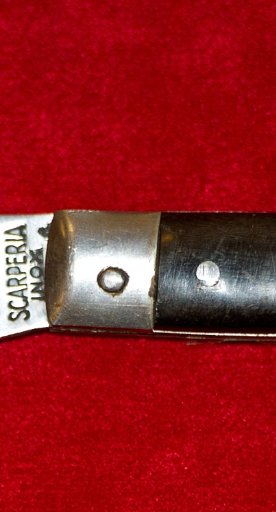
The Old Cutler’s Workhop is one of the most important places for understanding the history, traditions and artisanal identity of Scarperia, a village that has been associated with the production of high-quality knives and cutting tools since the Middle Ages. This exhibition and educational space allows visitors to absorb a wealth of technical and practical knowledge that, passed down from generation to generation, has helped make the town famous far beyond the borders of Tuscany.
Scarperia’s knife-making tradition dates back to the 14ᵗʰ century, when the founding of the village fostered the development of specialized crafts. Thanks to its strategic location along the main transportation routes between Florence and Emilia-Romagna, the knife-making industry found fertile ground to be forged and flourish, eventually becoming one of the local community’s main economic resources. The artisans of Scarperia gained an ever-growing reputation for the quality of their products, which were appreciated both for their functionality and for the care taken in their finishes.
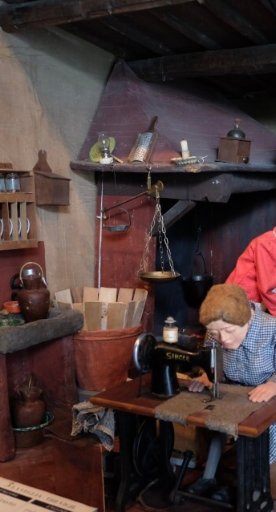
The Antica Bottega del Coltellinaio tells this extensive story through a tour that allows visitors to learn about the various stages of traditional craftsmanship. The original tools, workbenches, equipment and materials used over the centuries illustrate the techniques employed by artisans to forge, assemble and finish knives. Each item on display is a testament to the precision, patience and skill required to create objects built to last.
Particular attention is given to ancient techniques for working metal and other materials used in the creation of handles, often made from precious woods, horn or other natural materials. By reconstructing the activities of a traditional workshop, vistors can grasp how each knife came from a complex process that required specialized skills honed from years of experience.
In addition to the production aspect, the workshop offers a glimpse into the daily lives of the artisans and the social role they played within the community. The testimonies collected describe the relationship between the trade, the local economy and cultural identity, highlighting how knife-making has played a cutting role in Scarperia’s development and reputation.