Go to main content
Argentario
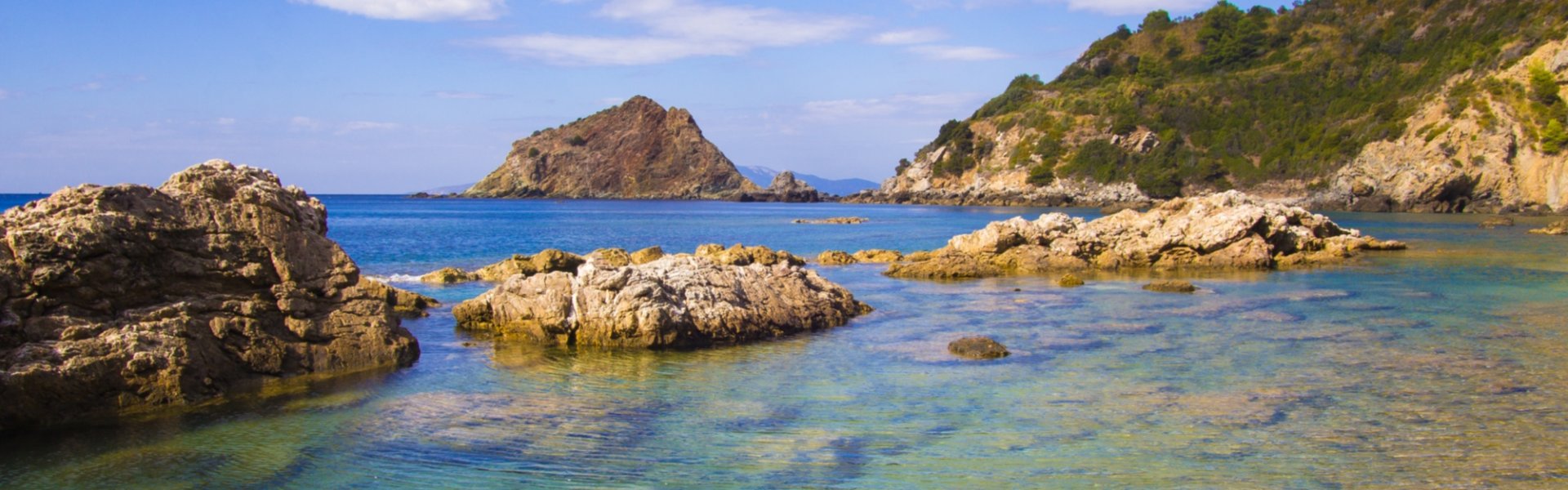
Photo © Shutterstock / Buffy 1982

Porto Ercole

A small seaside village overlooking a bay dominated by mighty fortresses

Porto Ercole is a charming seaside village on the Argentario coast and a renowned tourist port. It is located in the center of a bay dominated by mighty fortresses of the past.

The wild nature and characteristics of its little coves have made Porto Ercole a vacation spot off the usual tourist track. The old town, with its small squares looking out to sea, cobbled lanes and balconies decked with flowers, overlooks the bustling marina and a waterfront from which you can gaze out and almost embrace the brilliant blue water and the deep green Maremma.

What to see in Porto Ercole

Porto Ercole offers numerous places of historical and natural interest. 

Porto Ercole's charm also comes from the impressive Spanish fortresses that were built in the 16th century, during the State of the Presidi: the Spanish Fortress, Fort Filippo and Fort Stella. The Spanish Fortress, towering above the town, has an irregular star shape, consisting of four bastions, one of which includes the circular tower of the Porto Ercole lighthouse. Fort Filippo and Fort Stella are also well preserved: the latter dates back to the second half of the 16th century and was built with the support of Cosimo I de’ Medici; it is star-shaped and overlooks the sea. 

Walking through the streets of Porto Ercole, the gateway to the historic center, above which there is the Clock Tower, is not to be missed and nor is the 16th-century Palazzo dei Governanti, with its spectacular view of the little square and of the Bastion of Santa Barbara.

Porto Ercole is also famous for being the place where Caravaggio died in 1610: in the historic village center, there is a monument commemorating the last period of his life, which he spent as a fugitive.

For botany enthusiasts, a visit to the Corsini Botanical Garden is definitely recommended. This green oasis stretching for more than 7 hectares, with more than 1,300 plants and 150 different species, has recently been enriched with collections of orchids and succulents. 

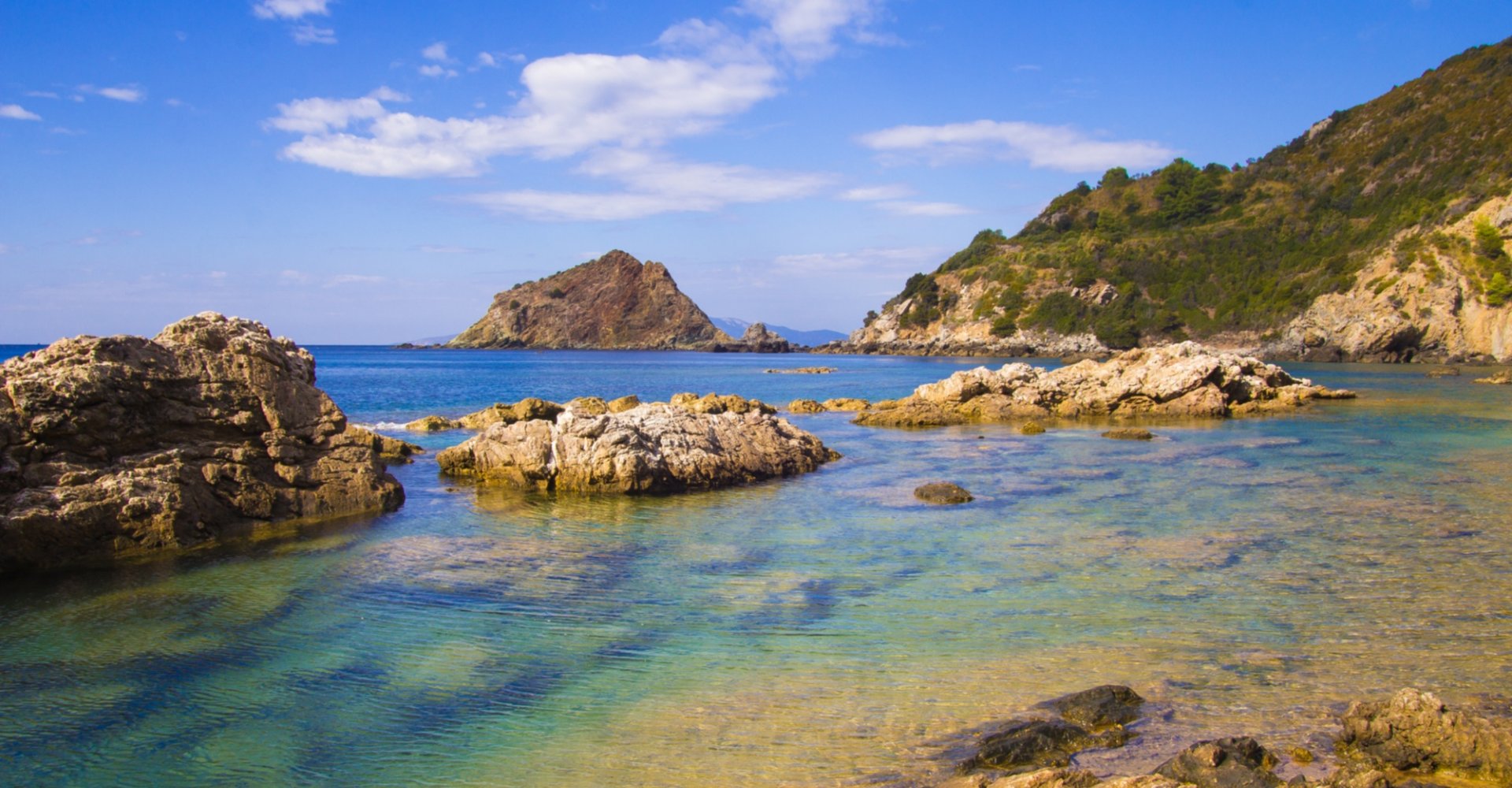
The beautiful beaches near Porto Ercole are also worth seeing and can be visited either from land or by boat trips or by renting a dinghy. Beaches not to be missed include Spiaggia Lunga, which requires a short walk but has a steep path, so it is not recommended for families with children or the elderly. Also worth stopping at is Spiaggia delle Viste: it is easy to get to and consists of pebbles and sand, with one part free and another occupied by bathing establishments. The Spiaggia dell’Acqua Dolce has the usual characteristics and is ideal for families, as is Cala Galera, with its low, sandy beach. It is extremely accessible, with a free beach and also bathing establishments.
Porto Ercole offers numerous places of historical and natural interest. 

Porto Ercole's charm also comes from the impressive Spanish fortresses that were built in the 16th century, during the State of the Presidi: the Spanish Fortress, Fort Filippo and Fort Stella. The Spanish Fortress, towering above the town, has an irregular star shape, consisting of four bastions, one of which includes the circular tower of the Porto Ercole lighthouse. Fort Filippo and Fort Stella are also well preserved: the latter dates back to the second half of the 16th century and was built with the support of Cosimo I de’ Medici; it is star-shaped and overlooks the sea. 

Walking through the streets of Porto Ercole, the gateway to the historic center, above which there is the Clock Tower, is not to be missed and nor is the 16th-century Palazzo dei Governanti, with its spectacular view of the little square and of the Bastion of Santa Barbara.

Porto Ercole is also famous for being the place where Caravaggio died in 1610: in the historic village center, there is a monument commemorating the last period of his life, which he spent as a fugitive.

For botany enthusiasts, a visit to the Corsini Botanical Garden is definitely recommended. This green oasis stretching for more than 7 hectares, with more than 1,300 plants and 150 different species, has recently been enriched with collections of orchids and succulents. 

The beautiful beaches near Porto Ercole are also worth seeing and can be visited either from land or by boat trips or by renting a dinghy. Beaches not to be missed include Spiaggia Lunga, which requires a short walk but has a steep path, so it is not recommended for families with children or the elderly. Also worth stopping at is Spiaggia delle Viste: it is easy to get to and consists of pebbles and sand, with one part free and another occupied by bathing establishments. The Spiaggia dell’Acqua Dolce has the usual characteristics and is ideal for families, as is Cala Galera, with its low, sandy beach. It is extremely accessible, with a free beach and also bathing establishments.

In the vicinity

Just a few kilometers from the village, the Duna Feniglia Nature Reserve is a protected area ideal for nature lovers, with a rich wildlife, including deer, and trails winding through unspoiled vegetation. Another important nature reserve to see is that of the Orbetello Lagoon, rich in plant life and wildlife, particularly migratory birds. It gets its name from the unique town located at its center, on a narrow strip of land that juts out from the Maremma coast towards Argentario: Orbetello.

The promontory of Ansedonia, an area of great natural and historical value, also in the municipality of Orbetello, is surrounded by rich Mediterranean scrub and stretches between two long beaches of dark sand. Impressive defense towers like Torre della Tagliata and Torre di San Pancraziostand here, dating back to different historical periods, including the Middle Ages and Spanish domination. The area is also known for its Roman ruins, among which the archaeological site of Cosa, dating back to the 3rd century BC, and the Tagliata Etrusca, a Roman canal for water outflow. 

For sports enthusiasts, we recommend the Argentario Golf Club, located between Porto Ercole and Porto Santo Stefano, which hosts various golf tournaments and boasts 18 panoramic holes.

Just a few kilometers from the village, the Duna Feniglia Nature Reserve is a protected area ideal for nature lovers, with a rich wildlife, including deer, and trails winding through unspoiled vegetation. Another important nature reserve to see is that of the Orbetello Lagoon, rich in plant life and wildlife, particularly migratory birds. It gets its name from the unique town located at its center, on a narrow strip of land that juts out from the Maremma coast towards Argentario: Orbetello.

The promontory of Ansedonia, an area of great natural and historical value, also in the municipality of Orbetello, is surrounded by rich Mediterranean scrub and stretches between two long beaches of dark sand. Impressive defense towers like Torre della Tagliata and Torre di San Pancraziostand here, dating back to different historical periods, including the Middle Ages and Spanish domination. The area is also known for its Roman ruins, among which the archaeological site of Cosa, dating back to the 3rd century BC, and the Tagliata Etrusca, a Roman canal for water outflow. 

For sports enthusiasts, we recommend the Argentario Golf Club, located between Porto Ercole and Porto Santo Stefano, which hosts various golf tournaments and boasts 18 panoramic holes.

Events

Not to be missed, on the first weekend in May, is the "Notte dei Pirati” (Pirate Night), when the harbor is transformed into a pirate's lair with a treasure hunt and themed displays. In June, the patron saint St. Erasmus is celebrated with a series of events, including shows, concerts, regattas and a fireworks display on the sea. Lastly, in August, there is the Sagra della Ficamaschia, dedicated to the preparation of Melù (or Potassolo), a typical Argentario fish, prepared in various ways.

Not to be missed, on the first weekend in May, is the "Notte dei Pirati” (Pirate Night), when the harbor is transformed into a pirate's lair with a treasure hunt and themed displays. In June, the patron saint St. Erasmus is celebrated with a series of events, including shows, concerts, regattas and a fireworks display on the sea. Lastly, in August, there is the Sagra della Ficamaschia, dedicated to the preparation of Melù (or Potassolo), a typical Argentario fish, prepared in various ways.

Typical foods and products

One of the typical dishes of Porto Ercole, also celebrated with a festival of the same name in August, is melù, also known as Potassolo or Ficamaschia, a fish commonly found in the Mediterranean. The most famous way to prepare it is to dry it, in a similar way to salted cod, which was done by the fishermen. The fish can be cooked as little fish balls or stewed with potatoes and tomato. 

The Argentario area is also known for its delicious wines, perfect for savoring during moments of total relaxation. In fact, let's remember Ansonica Costa dell'Argentario DOC wine, with its straw-yellow color, fresh, slightly fruity and delicate fragrance and an average high alcohol content.

One of the typical dishes of Porto Ercole, also celebrated with a festival of the same name in August, is melù, also known as Potassolo or Ficamaschia, a fish commonly found in the Mediterranean. The most famous way to prepare it is to dry it, in a similar way to salted cod, which was done by the fishermen. The fish can be cooked as little fish balls or stewed with potatoes and tomato. 

The Argentario area is also known for its delicious wines, perfect for savoring during moments of total relaxation. In fact, let's remember Ansonica Costa dell'Argentario DOC wine, with its straw-yellow color, fresh, slightly fruity and delicate fragrance and an average high alcohol content.

What’s nearby?

Must-see places, stage-by-stage routes, events and tips for your trip

Southern Maremma

Southern Maremma
Crystal-clear sea, unspoilt countryside, hot springs and the charm of Etruscan villages
Show more