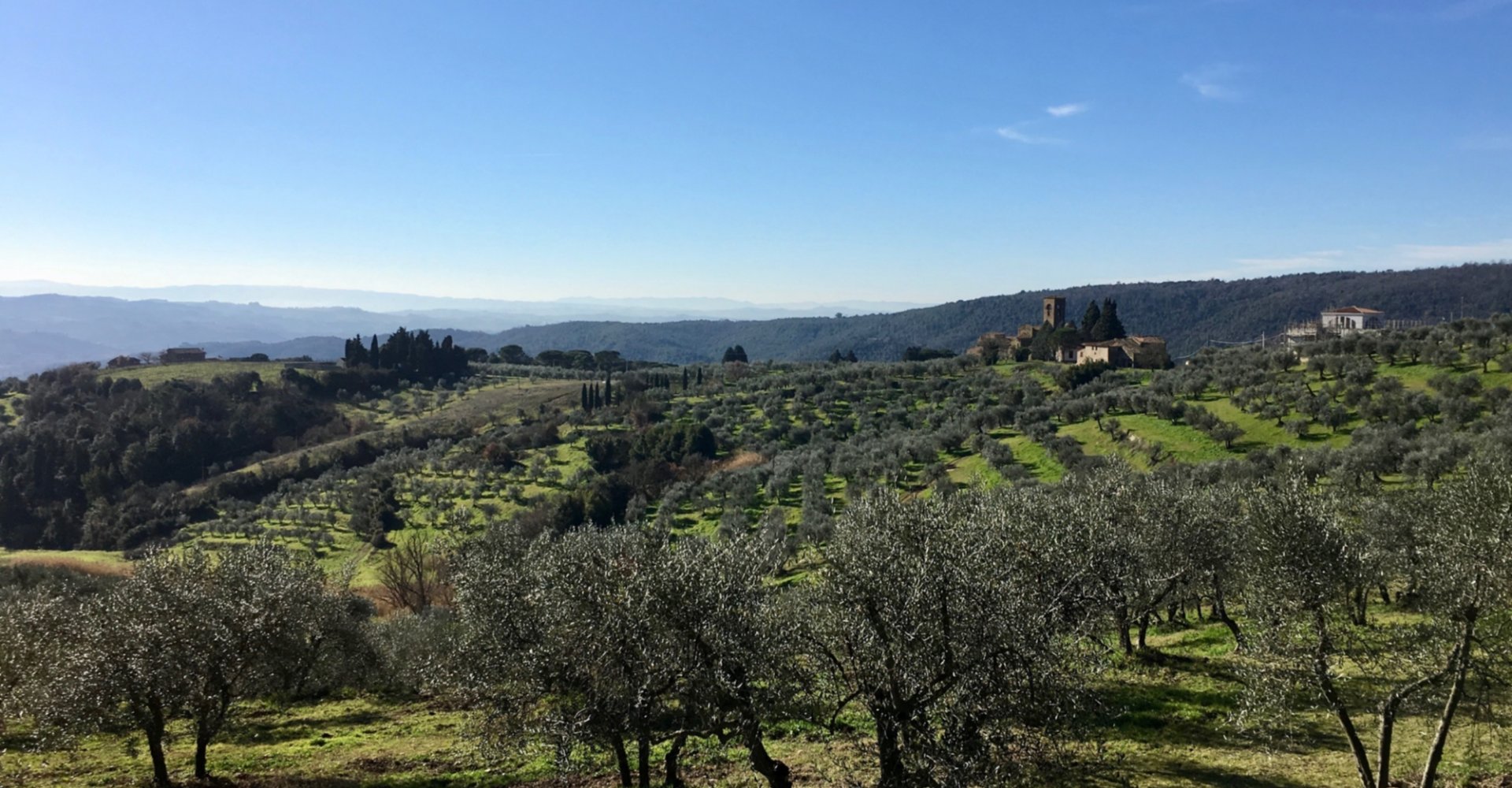
Discovering the “Lands of Leonardo,” between taste and tradition
The Strada del Vino e dell’Olio del Montalbano (Montalbano Oil and Wine Road) winds along the massif of a hill that extends from the Tuscan-Emilian Apennines near Serravalle, separating the Pistoia-Florence and Valdinievole plains. The peaks of Montalbano rarely exceed 2000 feet (around 600 meters) in altitude, often taking on the appearance of a rounded slope. The landscape itself is characterized by forests, vineyards, olive groves and arable land. The hills are then home to villas, Etruscan vestiges, parish churches and other religious buildings, as evidence of a history that can also be read in the architecture of the landscape, such as the not-too-distant Fucecchio Marshes and the Barco Reale, among the earliest examples of man-made “nature reserves.” Internationally known spa resorts such as Monsummano complete the area’s offerings.
Suggested route
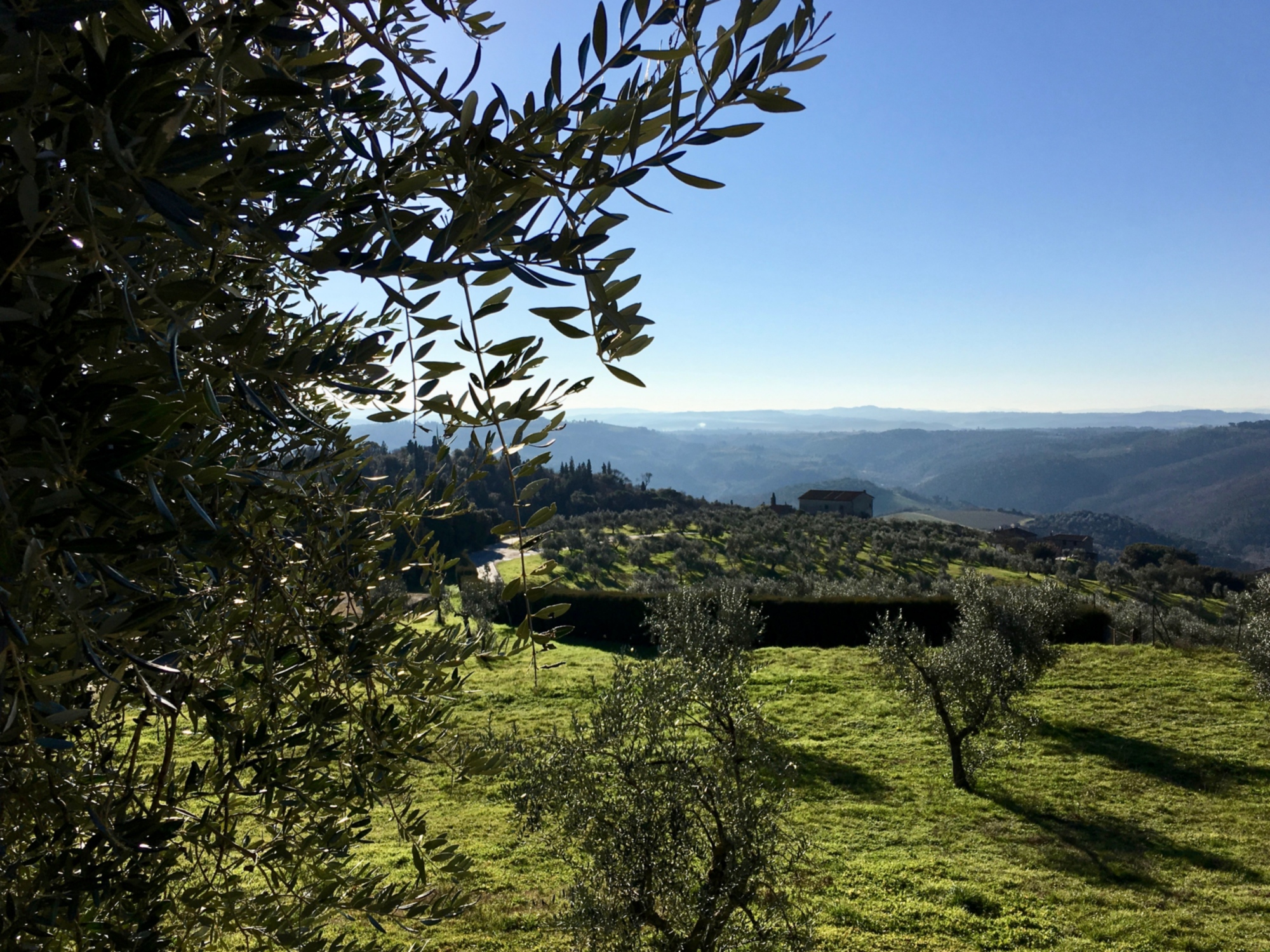
To fully enjoy the flavours of this territory, we recommend following this itinerary that leaves from Vinci, Leonardo’s birthplace, near the Fucecchio Marsh and Lamporecchio.
San Baronto (a tourist destintion immersed in nature and popular for hiking and biking) vaunts an evocative landscape and history, as does the road leading from Larciano and into the hills and, from here, to Monsummano, with its famous hot springs.
Next, we head to Quarrata and, lastly, Carmignano, on the north-eastern slope of Montalbano, surrounded by castles and hills offering picturesque views.
Carmignano is home to the Museum of Grapes and Wine, while Artimino boasts its own Archeological Museum, with interesting artefacts dating from the 8th century BCE to the 1st century CE, as well as the La Ferdinanda Medici Villa.
Typical products
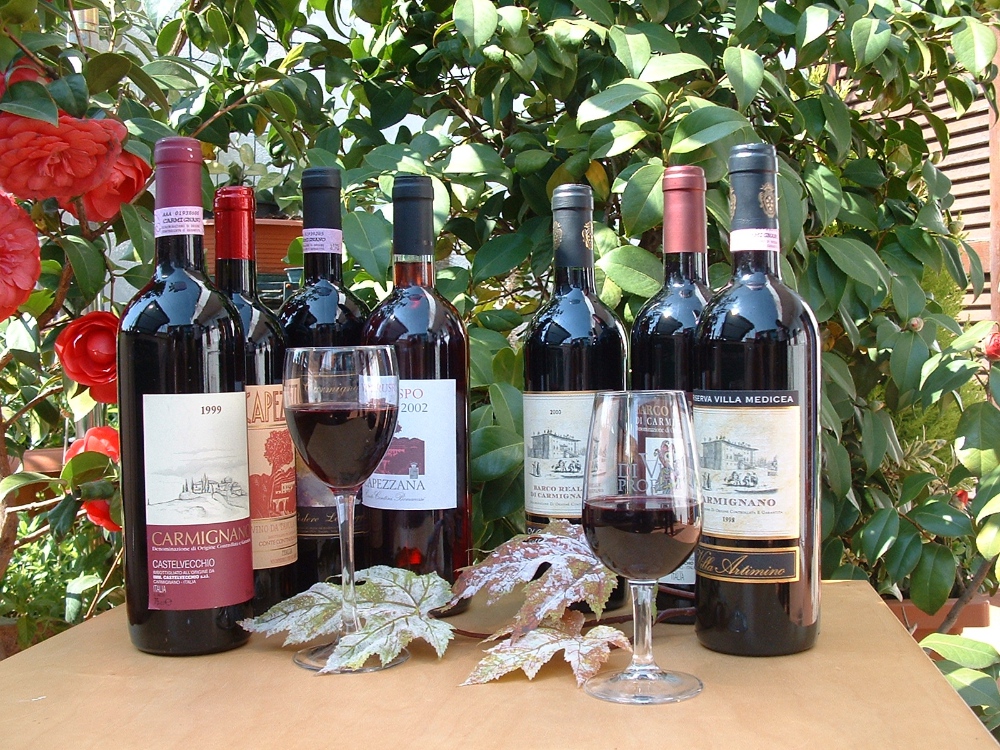
Cuisine in the Montalbano area includes traditionally rural dishes: spelt minestrone, pappa al pomodoro, kale farinata, fried frog (near the Fucecchio Marsh). Some of the more unique dishes include “Brigidini,” small wafers originally created by Bridgettine nuns. Larciano is famous for its cold cuts, though Monsummano also produces excellent Tuscan cold cuts, finocchiona, shoulder and prosciutto, as well as the long-standing tradition of chocolate. In the Carmignano area, you can find dried figs (a Slow Food product) and delicious biscuits. This whole area is especially famous a wine territory, with typical Chianti blends (Chianti Montalbano DOC, Bianco della Valdinievole DOC, Vin Santo della Valdinievole and Bianco Empolese DOC). Carmignano wines use different blends, however, and include Carmignano DOCG, il Vin Ruspo DOC, il Barco Reale DOC and il Vin Santo di Carmignano DOC. The olive oil produced here have earned the added geographic citation of “Montalbano” alongside the typical “Toscano” appellation.
Info: stradadileonardo.org