Go to main content

Paperino

Dishing up cinema, memory and folk traditions

Paperino is a small town in the Prato area, located along the ancient Via del Ferro, an axis connecting the Parish of Tobbiana and San Giorgio a Colonica.
Its name may come from an ancient Roman predio (estate), Paperium, or else from a marsh grass once common in the area. Today, Paperino retains an unobtrusive identity of neat streets, flat countryside and signs of a popular devotion that has withstood the changes of the 20ᵗʰ century.

Things to see

Walking through the town and surrounding countryside, you encounter numerous aediculae and votive shrines, evidence of ancient folk religiosity.
The most important historic building in is the San Martino Church, built in the 13ᵗʰ century, first as a chapel then as an actual Parish Church. 19ᵗʰ-century restorations gave the building a simple gabled façade that protects a 14ᵗʰ-century fresco depicting the Madonna and Child between Saints Martin and John the Baptist, attributed to the Florentine Francesco di Michele.
The tour continues along the ancient alleyways that separate the settlement from Via Pistoiese, lined with interesting turreted buildings.
Prominent among these are the Torre a Mattoni (Brick Tower), which retains its 16ᵗʰ-century portal and the owners’ coat of arms. Then there is the Torre Armata, a crenellated turret inserted into a vast farm complex that has been expanded several times since the 17ᵗʰ century.
Also of note is La Rugea on Via dell’Oro. This stately villa belonged to the Arrighi family between the 16ᵗʰ and 18ᵗʰ centuries, with agricultural outbuildings connected to rural activities and an oratory dedicated to Saint Joachim, built in 1725.

Walking through the town and surrounding countryside, you encounter numerous aediculae and votive shrines, evidence of ancient folk religiosity.
The most important historic building in is the San Martino Church, built in the 13ᵗʰ century, first as a chapel then as an actual Parish Church. 19ᵗʰ-century restorations gave the building a simple gabled façade that protects a 14ᵗʰ-century fresco depicting the Madonna and Child between Saints Martin and John the Baptist, attributed to the Florentine Francesco di Michele.
The tour continues along the ancient alleyways that separate the settlement from Via Pistoiese, lined with interesting turreted buildings.
Prominent among these are the Torre a Mattoni (Brick Tower), which retains its 16ᵗʰ-century portal and the owners’ coat of arms. Then there is the Torre Armata, a crenellated turret inserted into a vast farm complex that has been expanded several times since the 17ᵗʰ century.
Also of note is La Rugea on Via dell’Oro. This stately villa belonged to the Arrighi family between the 16ᵗʰ and 18ᵗʰ centuries, with agricultural outbuildings connected to rural activities and an oratory dedicated to Saint Joachim, built in 1725.

In the vicinity

Along Via del Ferro, next to the Lonco Gorge, documents attest to the presence of an Iron Mill since 1271, later converted into an industrial building. The mill belonged to Ricovero degli Scrigni, father of Ser Convenevole Grammatico, known as Petrarch’s maestro, and represents some of the oldest evidence of water-related productive activity in this area of Prato’s territory.

Along Via del Ferro, next to the Lonco Gorge, documents attest to the presence of an Iron Mill since 1271, later converted into an industrial building. The mill belonged to Ricovero degli Scrigni, father of Ser Convenevole Grammatico, known as Petrarch’s maestro, and represents some of the oldest evidence of water-related productive activity in this area of Prato’s territory.

Traditions and popular culture

Paperino entered the collective imagination thanks to the film West of Paperino, directed by Alessandro Benvenuti and starring, among others, Francesco Nuti and Athina Cenci in a production that rendered the village a symbol of Tuscan popular culture in the 1980s.
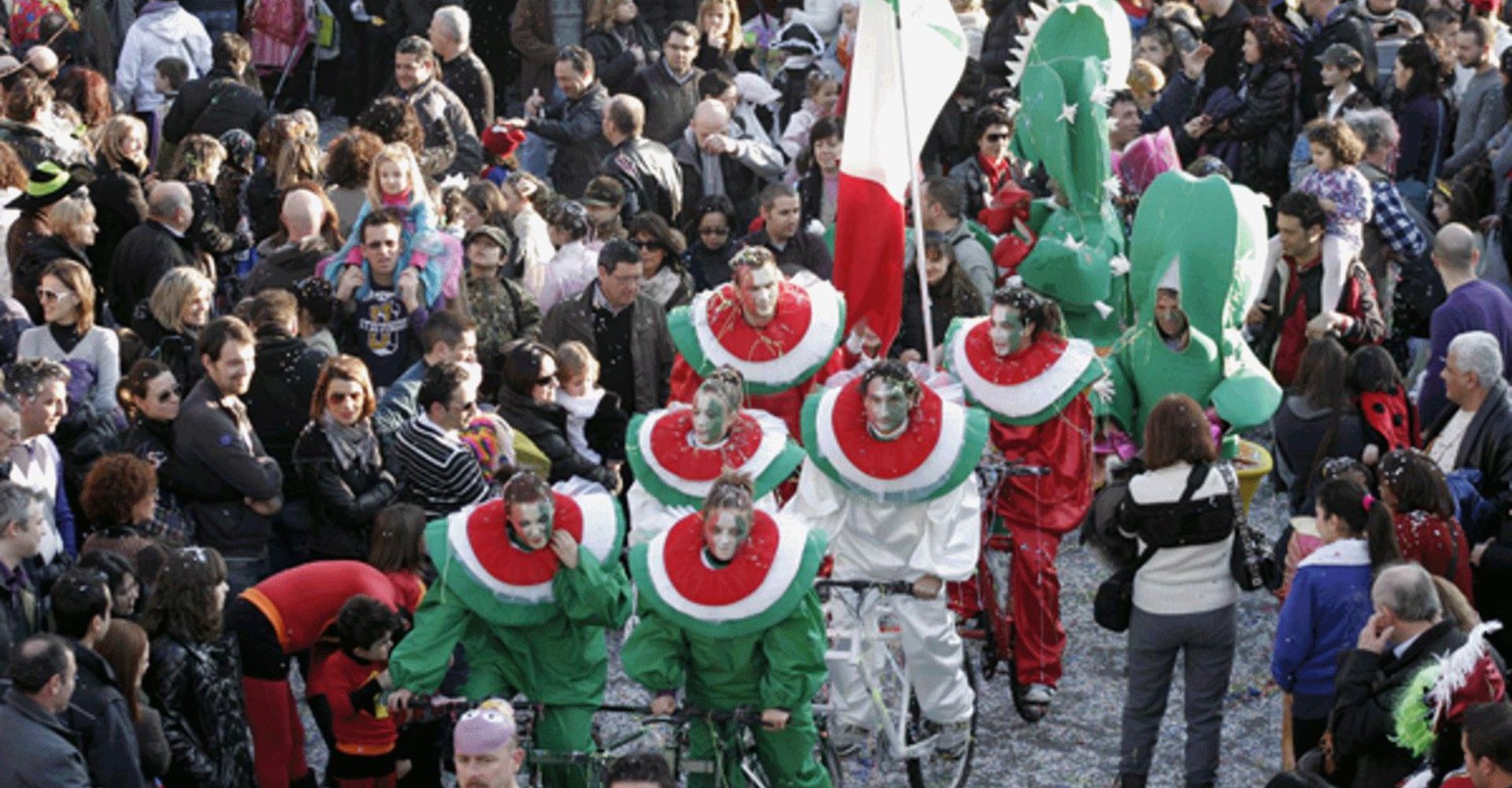
Also well-known is the Carnevale, which was first held in 1977 with the intention of re-enacting customs from peasant culture on Shrove Tuesday. Over time, the festivities have expanded to include a parade of floats and masks, music, dancing and food stands, becoming one of the most popular events in the area.

Paperino entered the collective imagination thanks to the film West of Paperino, directed by Alessandro Benvenuti and starring, among others, Francesco Nuti and Athina Cenci in a production that rendered the village a symbol of Tuscan popular culture in the 1980s.
Also well-known is the Carnevale, which was first held in 1977 with the intention of re-enacting customs from peasant culture on Shrove Tuesday. Over time, the festivities have expanded to include a parade of floats and masks, music, dancing and food stands, becoming one of the most popular events in the area.

Prato area

Prato area
Excursions, historic villas, interesting museums and much more make for a unique holiday
Show more