Volterra Pinacoteca and Civic Museum
A journey from the Middle Ages to the Renaissance adorned by painting, sculpture and minor arts to discover Volterra’s artistic and cultural identity.
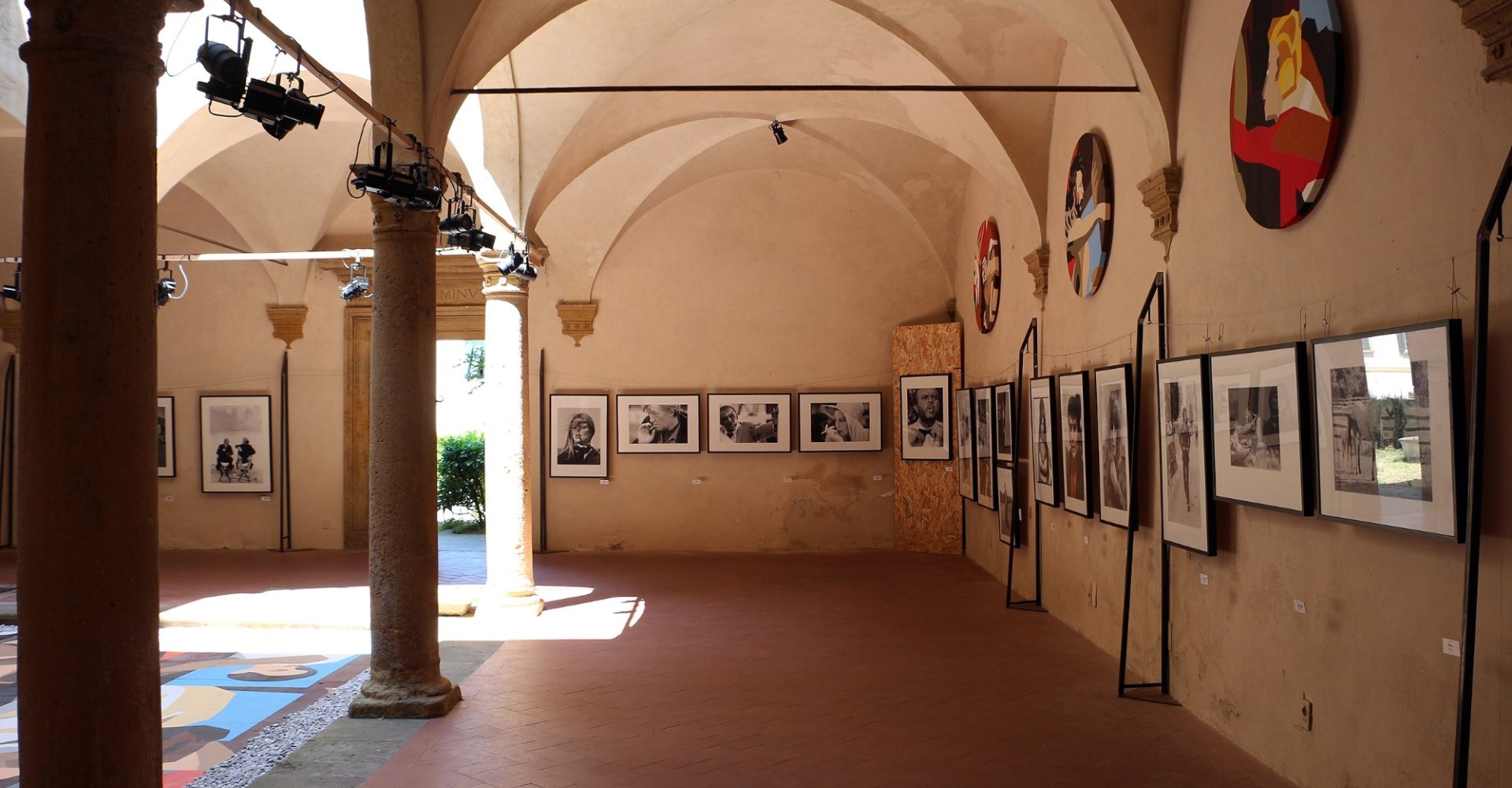
The Volterra Pinacoteca (Picture Gallery) and Civic Museum is located in the center of the town, in the Renaissance-era Palazzo Minucci-Solaini, collecting works that tell the artistic history of the city between the Middle Ages and the Renaissance, showing the influence of Florence, Siena and Pisa. The museum allows visitors to follow the development of local painting and the dialog with major Italian artistic currents running through paintings, wooden sculptures, ceramics, medals and coins.
The collection began to take shape in the early 1900s thanks to Superintendent Corrado Ricci, who selected works from suppressed or ruined religious buildings with the aim of safeguarding the city’s artistic heritage. The collection was unveiled in 1905 at the Palazzo dei Priori, where it remained until after World War II. Famous visitors include Gabriele D’Annunzio, who was so fascinated by some of the works that he quoted them in his novel “Forse che sì forse che no”.
After being closed during World War II, the collection finally found a permanent home in the Palazzo Minucci-Solaini, which opened in 1982, becoming a modern museum with carefully curated layout and accessible to the public.
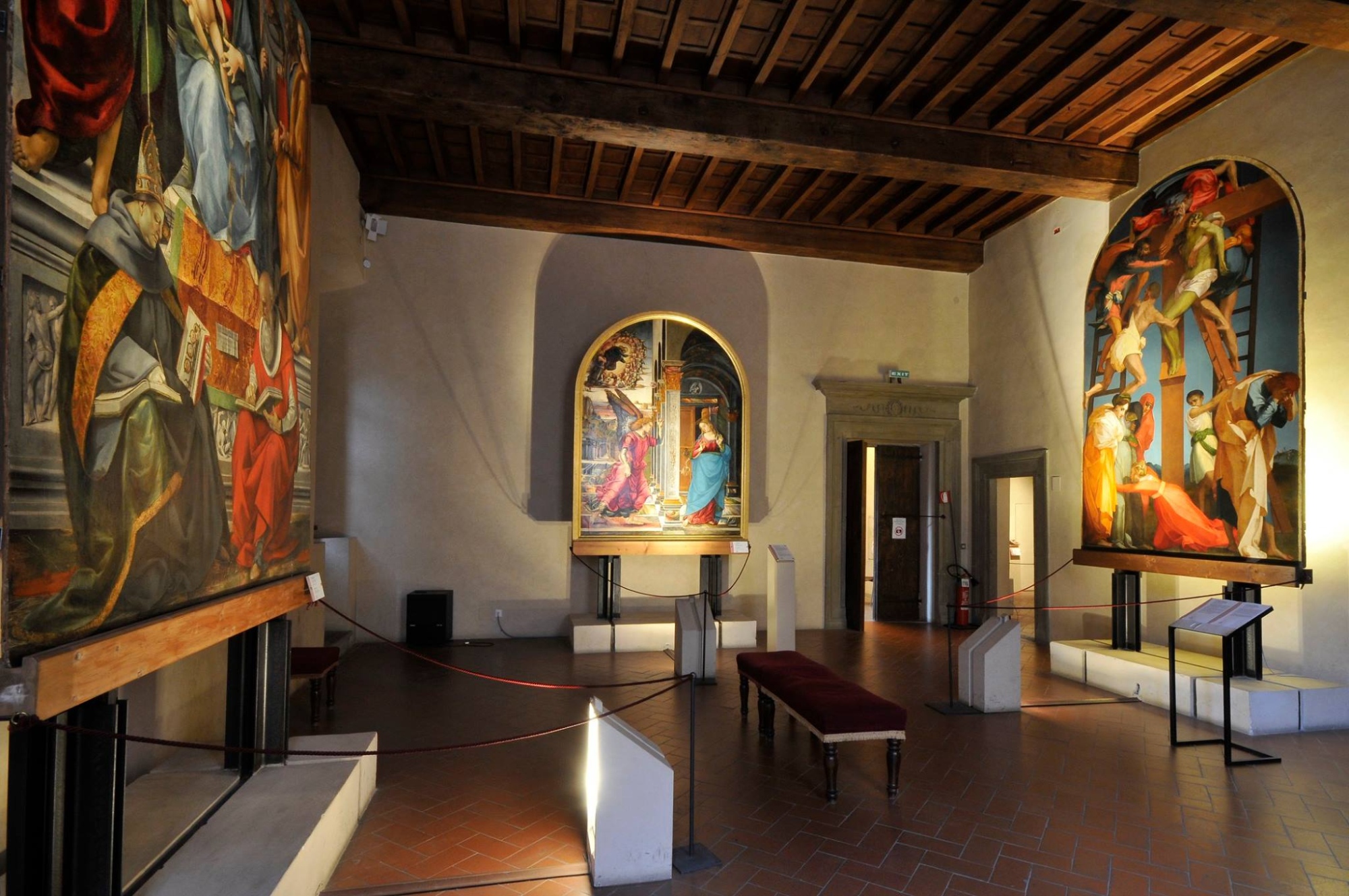
Prominent among the masterpieces is the Deposition by Rosso Fiorentino, a shining example of Tuscan Mannerism, animated by figures charged with drama. Also of great interest are Luca Signorelli’s Annunciation and Virgin Enthroned with Saints, evidence of the Cortona artist’s refined narrative and perspective skills. The rooms then house works by Taddeo di Bartolo, such as the Madonna of the Rose and Christ in Glory with Four Saints and a Donor by Domenico Ghirlandaio, linked to Medici commissions. The presence of Flemish painter Pieter de Witte, known as Candido, with his Adoration of the Shepherds and Lamentation Over the Dead Christ, confirms the city’s international openness.
Works by Benvenuto di Giovanni, Donato Mascagni and Pomarancio complete the itinerary, offering a broad and varied panorama of artistic production from the 15ᵗʰ to 17ᵗʰ centuries. Visitors can appreciate not only the quality of the individual masterpieces but also the overall story of a community that, over the centuries, gathered, guarded and garnished its cultural heritage, making the picture gallery not only a museum but a true custodian of Volterra’s historical identity.
For information on accessibility, visit regione.toscana.it.