ORT: Ceretta-Spagnolo Concert
music_note
Music
Through the 19ᵗʰ century via symphonic momentum and instrumental virtuosity
The journey kicks off in Figline Valdarno and continues to Empoli, reaching Florence’s Teatro Verdi on Tuesday, February 24 at 9:00 pm, before crossing national borders with 2 dates in Spain’s Valladolid and Salamanca.
Diego Ceretta, principal conductor of the Orchestra della Toscana (ORT), leads a program that connects 4 protagonists of 19ᵗʰ-century Europe, united by a constant interplay of cross-references between north and south.
Opening the concert is Robert Schumann with Overture, Scherzo and Finale Op. 52, for an energetic yet compact score, constructed with symphonic momentum. The 3 movements differ in character but are integrated into a single and coherent architecture, where tension, lightness and vitality coexist with natural balance.
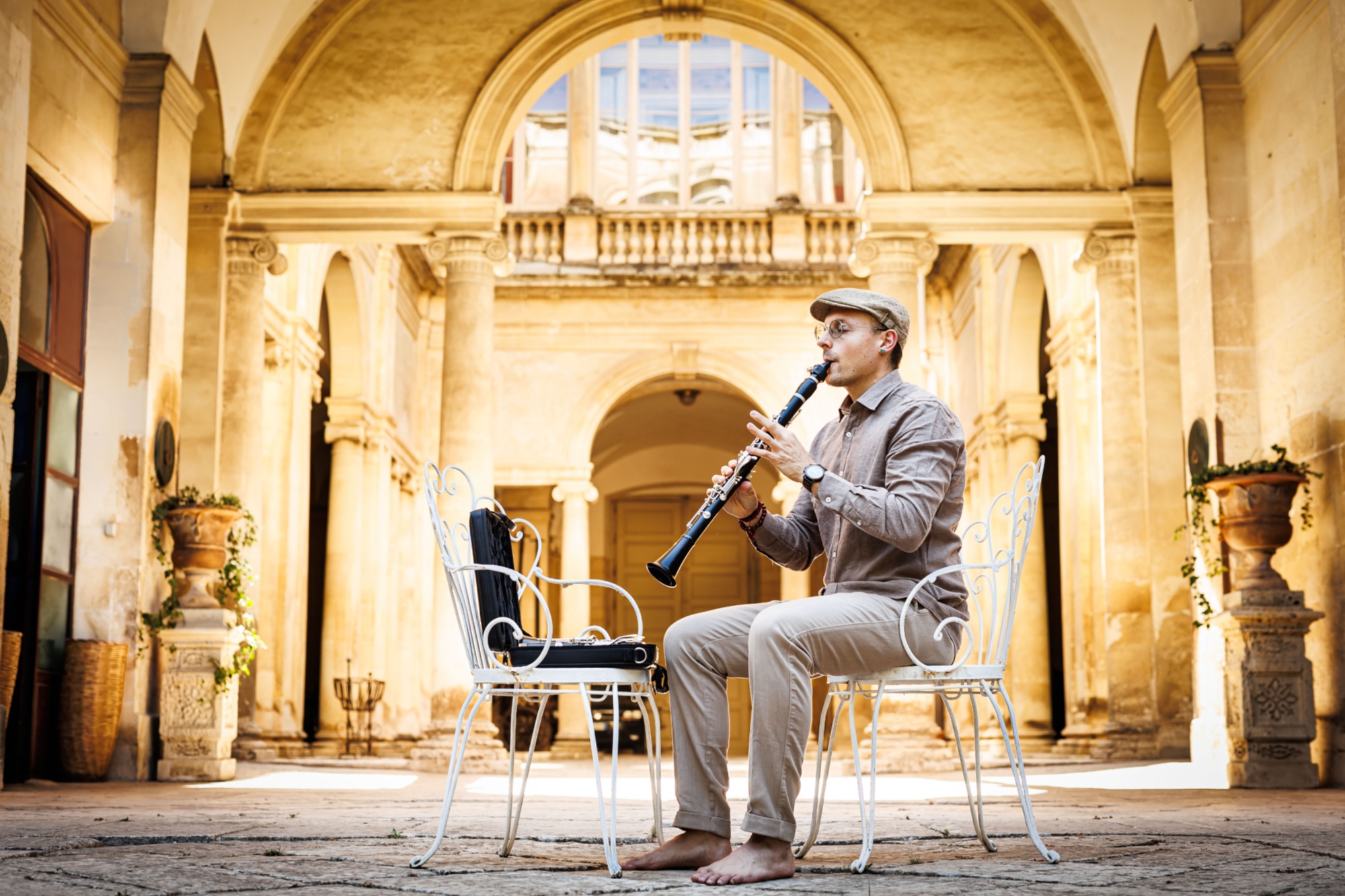
As centerpiece of the evening is the Clarinet Concerto No. 2 Op. 74 by Carl Maria von Weber, a pinnacle of German instrumental romanticism. Theatrical, brilliant, rich in cantabile and virtuosic passages, the concert finds in Kevin Spagnolo an ideal performer offering fluid technique, luminous sound and the ability to turn every phrase into a musical tale. The clarinet dialogues with the orchestra in an intimate liaison, alternating between elegance and impetus.
This is followed by Franz Schubert’s Overture in the Italian Style, D. 590, a sparkling homage to opera buffa and Italian theatrical taste, a light and dynamic passage that looks with admiration to the melodic tradition of the peninsula.
The program closes with Symphony No. 4 Op. 90 - Italian by Felix Mendelssohn, born out of the experience of traveling to Italy. This bright, agile symphony is shot through with a constant rhythmic energy, culminating in a finale of overwhelming vitality.
The program looks different for the Spanish stage in Salamanca and in Empoli where, alongside Weber’s Clarinet Concerto, Felix Mendelssohn’s Bartholdy Das Märchen von der Schönen Melusine and Wolfgang Amadeus Mozart’s Symphony No. 39 K. 543 will be performed.
From Figline to Empoli, Florence to Valladolid and Salamanca, this project confirms the ORT’s vocation to build cultural bridges through music, returning to European audiences a repertoire that the encounter of traditions has made its strength.