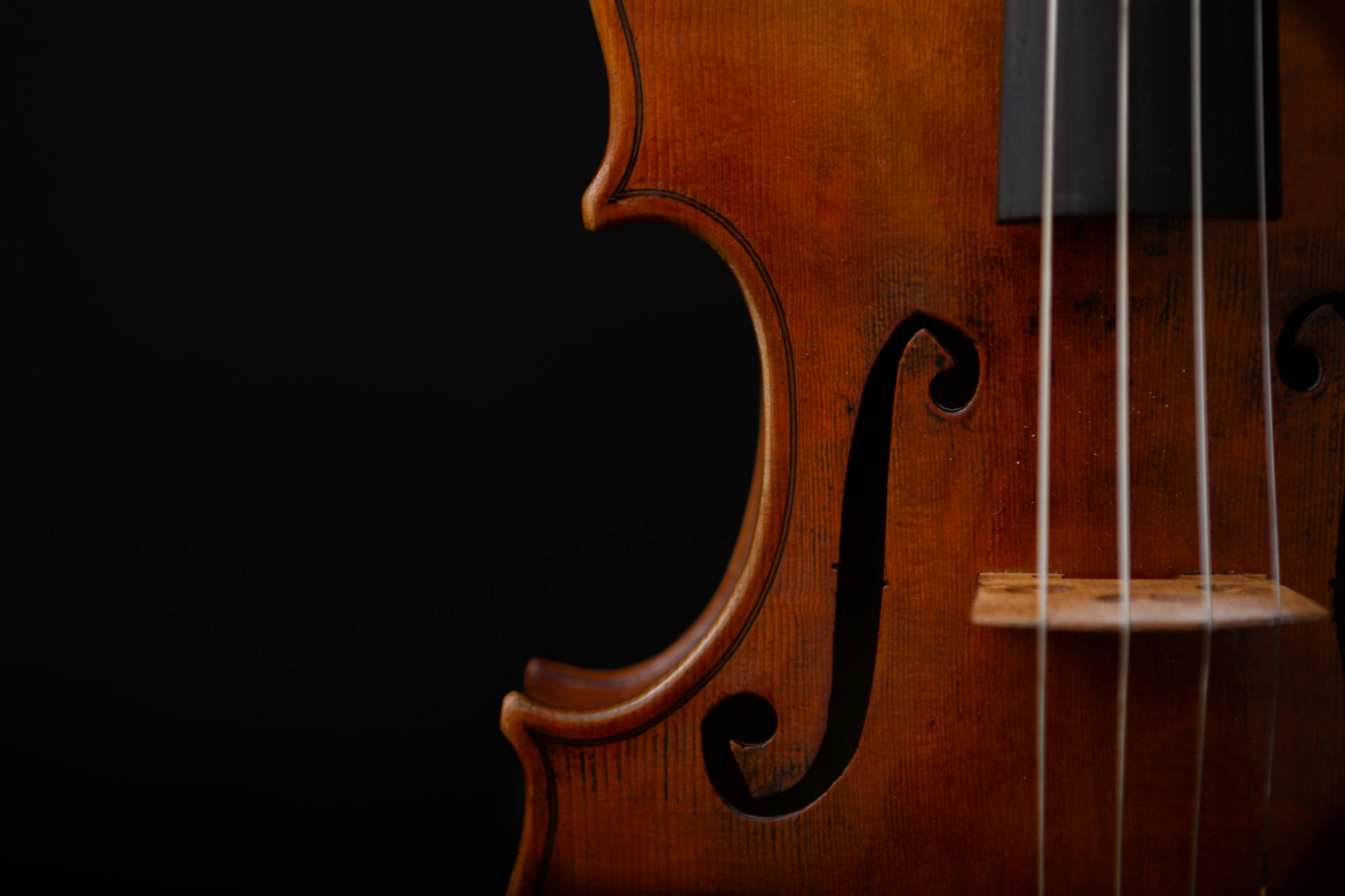
Photo © Raymond Petrik - pexels.com
Photo © Raymond Petrik - pexels.com
At 9:00 pm on Wednesday, January 28 at the Teatro Verdi in Florence and again on January 29 at the Città del Teatro in Cascina, the Orchestra della Toscana offers a concert that interweaves past and present, history and discovery, led by the baton of Balázs Kocsár, an experienced Hungarian conductor who has performed in opera houses and concert halls throughout Europe. The choice of program reflects the desire to offer audiences a comprehensive musical journey able to delight and engage.
The concert kicks off with a world premiere: Grande Danse, concerto for cello and orchestra written by young Italian composer Paolo Catenaccio, born in 1998. Commissioned by the Fondazione ORT, the piece represents a delicate yet incisive dialogue between the cello solo and the orchestra, with clear and refined writing that dilly-dallies between lyrical passages and more vibrant moments.
The interpretation is by Alexey Stadler, a Russian cellist trained with Rostropovich, here managing to fill each musical phrase with emotional nuance and depth.
The collaboration between Catenaccio and Stadler promises a sound experience that blends the vigor of the present with a sense of the classical tradition.
After the premiere, the program moves into the 19ᵗʰ century with the Variations on a Rococo Theme, Op. 33 by Pyotr Ilyich Tchaikovsky. This famous piece, dedicated to cellist Fitzenhagen, is offered in the original version, rediscovered after changes imposed by the recipient of the variations.
This choice restores to the audience the clarity and classical simplicity that the composer had intended, exalting the elegance of the theme and the brilliance of the variations.
The contrast between Catenaccio’s modernity and Tchaikovsky’s rococo delicacy creates a temporal dialogue that makes for a unique evening. The conclusion of the concert is Wolfgang Amadeus Mozart’s Linz Symphony No. 36, composed over just a few days in 1783.
This brilliant and elegant masterpiece encapsulates all the lightness and joy typical of Mozart’s genius, with a limpid orchestration and melodic line that immediately captivates the listener. The concert is constructed as a unified journey in which contemporary music and historical repertoire dialogue within a coherent and engaging narrative.